






Kostel svatého Petra a Pavla (Kostelní Bříza) Church
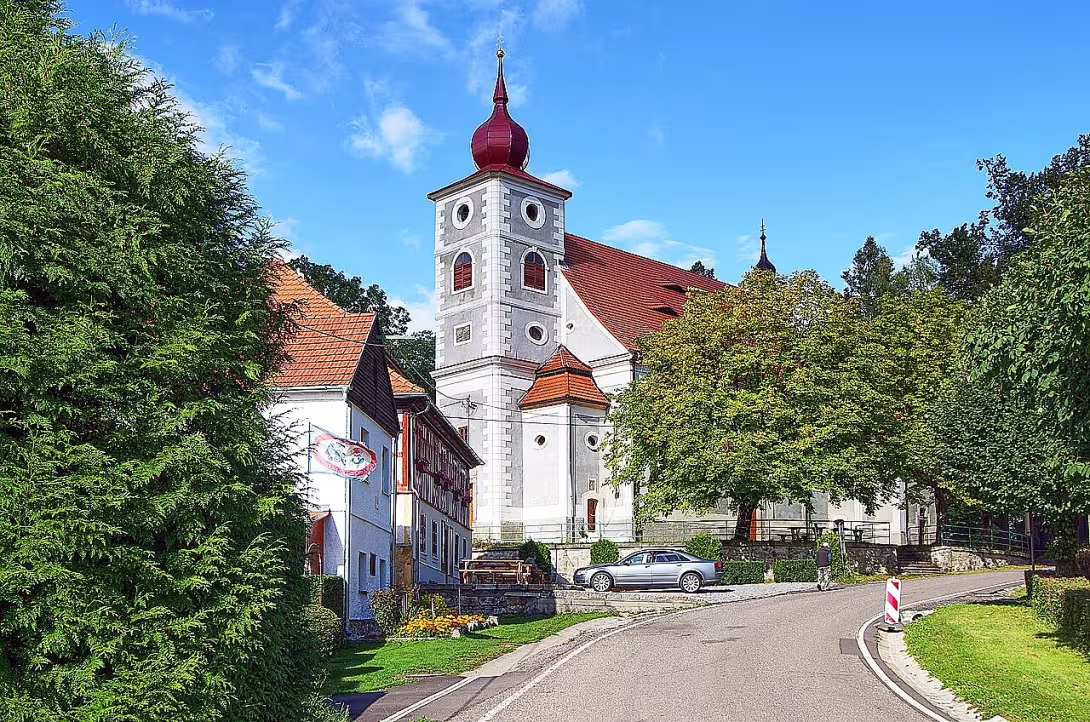
Kostel svatého Petra a Pavla in Kostelní Bříza stands as an important architectural monument reflecting the transitional period between Baroque and Classicism. Located at the highest point of northern Kostelní Bříza, this Roman Catholic church is not only a significant religious site but also a cultural landmark recognized since 1963. Its prominent bell tower and historical importance make it a notable feature in the region.
The exact origins of the church are somewhat unclear. The earliest documented mention dates back to 1410 when a parish priest from Kostelní Bříza was recorded in the confirmation books of the Prague archbishopric. By 1479, the church is referenced under the expanded name Kirchenpirk, indicating its established presence. The oldest surviving artifact linked to the church is a large bell dated 1483, suggesting that there may have been an earlier structure on this site, possibly wooden, replaced by a brick building in the 16th century due to structural issues and an increasing number of parishioners.
Architecturally, Kostel svatého Petra a Pavla exemplifies a blend of Baroque intentions with Classical details. The church underwent significant reconstruction starting in 1802 when its foundation stone was laid, marking the beginning of its current form. Completed by autumn 1805, it later received an added bell tower in 1842. Historical sources suggest that Wenzel Hausmann, a notable architect from Teplá, may have been involved in its design, as evidenced by stylistic similarities with other buildings attributed to him. The church features a single-nave structure with a robust bell tower on the western side and a long semicircular presbytery topped by a sacristy tower.
Throughout its history, Kostel svatého Petra a Pavla has experienced various fortunes. After World War II, it was used as storage by the military, leading to significant deterioration until restoration efforts began in 2002. The church's interior once boasted rich Baroque decorations, including a main altar with a crucifixion painting and other religious artworks, though much of this was lost or damaged post-war.
Today, Kostel svatého Petra a Pavla stands as a testament to the architectural evolution from Baroque to Classicism. Despite its period of neglect, restoration efforts have revived its historical significance. Visitors can appreciate not only its architectural beauty but also its resilience through history. This church is worth visiting for those interested in exploring the cultural and religious heritage of the Czech Republic, offering insights into a pivotal era of architectural transition.
Historical milestones
- 1410
- Nejstarší zmínka o kostele v potvrzovacích knihách pražské arcibiskupství.
- 1479
- Kostel zmíněn pod rozšířeným názvem Kirchenpirk.
- 1483
- Nejstarší zachovaná zvonec datován, naznačuje předchozí strukturu.
- 1802
- Zahájení významné rekonstrukce kostela s položením základního kamene.
- 1805
- Dokončení rekonstrukce kostela do podoby, kterou má dnes.
- 1842
- Přidání věže k kostelu.
Architectural development
Originally believed to be wooden, the church was replaced by a brick building in the 16th century due to structural issues and an increasing number of parishioners. The current structure reflects a blend of Baroque intentions with Classical details, featuring a single-nave design with a prominent bell tower. The church underwent significant reconstruction starting in 1802, culminating in its completion by 1805.
Historical events
In 1802, the foundation stone for the current church was laid, marking the beginning of its reconstruction.
The church was completed in autumn 1805 and later had a bell tower added in 1842.
A lightning strike on June 15, 1864, caused a fire that damaged part of the structure.
Points of interest
- The church's oldest surviving artifact is a large bell from 1483, hinting at the existence of an earlier wooden structure that was replaced by a brick building in the 16th century due to structural issues and a growing congregation.
- Architect Wenzel Hausmann, known for his work in Teplá, may have been involved in designing Kostel svatého Petra a Pavla. This is suggested by stylistic similarities with other buildings attributed to him, although there are no definitive records confirming his involvement.
- After World War II, the church was repurposed as military storage, leading to significant deterioration until restoration efforts began in 2002. This period of neglect highlights its resilience and the challenges faced during its preservation.
- The church's interior once featured rich Baroque decorations, including a main altar with a crucifixion painting and other religious artworks. Much of this was lost or damaged post-war, reflecting the broader cultural losses experienced during that era.
- Kostel svatého Petra a Pavla stands as an architectural transition point between Baroque and Classicism, making it a unique example of stylistic evolution in church architecture within the region.
Guide
This guide is narrated by a synthetic voice generated by artificial intelligence.
Show guide text
This text was created by artificial intelligence and has not been editorially reviewed. It may contain inaccuracies.
Welcome to the historic site of Kostel svatého Petra a Pavla in Kostelní Bříza. As you stand here on this elevated ground, take a moment to appreciate the commanding presence of this architectural gem perched atop northern Kostelní Bříza. Notice its robust bell tower that reaches up into the sky, a testament to the church's enduring legacy.
The origins of this church trace back to 1410 when it first appeared in the confirmation books of the Prague archbishopric. Over time, its significance grew, and by 1479, it was known as Kirchenpirk. The oldest surviving artifact here is a large bell from 1483, hinting at an earlier wooden structure that eventually gave way to a more durable brick building in the 16th century due to structural issues and a burgeoning congregation.
As you look around, observe how the church reflects a transitional period between Baroque and Classicism. The architecture showcases elements from both styles, indicating a shift in trends during its construction. This blend is evident as you admire the design details that have withstood the test of time.
In 1802, a significant reconstruction began under the guidance of architect Wenzel Hausmann, known for his work in Teplá. By 1805, this transformation was complete, giving the church its current form. The addition of the tower in 1842 further enhanced its stature and presence in the landscape.
Wenzel Hausmann played a pivotal role in shaping what you see today. His influence is evident in the harmonious blend of styles that define this sacred space. Although many historical figures associated with this place remain unnamed, their contributions are etched into every stone and detail of the church.
An intriguing aspect to ponder is how the church evolved from its humble beginnings to become a beacon of architectural innovation. The transition from wood to brick speaks volumes about the community's resilience and adaptability over centuries.
As you continue your exploration, allow yourself to be drawn in by the stories embedded within these walls. Each element invites curiosity and reflection on the passage of time and human endeavor. We invite you to delve deeper into this remarkable site, discovering more layers of history with every step.
Thank you for joining us on this journey through time at Kostel svatého Petra a Pavla. May your visit inspire further exploration and appreciation of our shared heritage.
Tips for visitors
The best time to visit the Church of Sts. Peter and Paul in Kostelní Bříza is during late spring or early autumn when the weather is mild, and the surrounding landscape is particularly beautiful with vibrant foliage. These seasons also tend to have fewer tourists, allowing for a more peaceful experience. Additionally, visiting on weekdays can help avoid larger crowds that may gather over the weekend.
Parking near the church is limited due to its rural location, so it's advisable to check local resources or maps ahead of time for nearby parking options. Public transportation might be less frequent in this area, but you can reach Kostelní Bříza using regional buses that connect larger towns within the Karlovarský kraj. Always verify current bus schedules and routes online before your visit.
When visiting the Church of Sts. Peter and Paul, it's a good idea to bring comfortable walking shoes as you'll likely explore the surrounding area of Slavkovský les. Given that parts of this forest are used for military training, ensure you stay on marked paths for safety. Also, consider bringing a light jacket or sweater, as temperatures can be cooler in shaded areas and during early mornings or late afternoons.
For photography enthusiasts, the highest point in northern Kostelní Bříza offers excellent vantage points to capture both the church and its picturesque surroundings. The best natural lighting is typically found during the golden hours—shortly after sunrise or before sunset—when the light is soft and warm. Be mindful of any restrictions on photography within military areas if you venture too close.
Nearby, within a 30-minute drive, is Slavkovský les, which offers opportunities for nature walks and exploration. Although parts are restricted due to their use as a military training area, the accessible sections provide beautiful trails through diverse landscapes. For families with children, ensure they understand the importance of staying on designated paths and respecting any posted signs regarding restricted areas.
Businesses nearby
Do you run a restaurant, accommodation, shop, museum, rental, wellness or other visitor service near this monument? Show yourself directly to the people heading to it — this is how they will see you in the app and on the web:
Events nearby

Zdroj akcí: otevřená data měst a obcí ČR (Národní katalog otevřených dat) a kalendář akcí Národního památkového ústavu.
Nearby
Kostel svatého Petra a Pavla is situated near Slavkovský les, which became part of the military training area Prameny after World War II. The surrounding landscape includes the highest point in northern Kostelní Bříza.
Accommodation nearby
Trips and activities nearby
Guided tours, tickets and activities nearby from GetYourGuide
Affiliate link: if you buy from the partner, we may receive a commission. The price for you does not change.
Search tours and activities →Themed route
Thematic Walking Tour: Kostel svatého Petra a Pavla (Kostelní Bříza)
1. Kostel svatého Petra a Pavla *Type:* Historical Church Begin your journey at the heart of Kostelní Bříza with the stunning Kostel svatého Petra a Pavla. This church is renowned for its architectural beauty and historical significance, offering visitors a glimpse into the region's rich cultural heritage. Its serene atmosphere provides an ideal starting point to appreciate the blend of history and spirituality that characterizes this area.
2. Slavkovský les (part of Prameny Military Training Area) *Type:* Forest Landscape From the church, venture towards the nearby Slavkovský les, which now forms part of the Prameny military training area. This expansive forest offers a unique opportunity to explore nature's tranquility while reflecting on its historical transformation post-World War II. The dense woods provide a peaceful retreat and are perfect for a leisurely walk, allowing visitors to immerse themselves in the natural beauty that surrounds Kostelní Bříza.
3. Highest Point in Northern Kostelní Bříza *Type:* Natural Landmark Conclude your tour at the highest point in northern Kostelní Bříza, accessible from Slavkovský les. This vantage offers breathtaking panoramic views of the surrounding landscape, making it a rewarding destination for those who enjoy hiking and nature photography. The elevated position not only provides stunning vistas but also serves as a reminder of the region's diverse topography and natural splendor.
This thematic walking tour encapsulates the essence of Kostelní Bříza by combining historical exploration with natural beauty, offering an enriching experience for all who visit.
Seasonal recommendations
Spring: Visiting the Church of Saints Peter and Paul in Kostelní Bříza during spring offers a unique experience as nature awakens with blossoming trees and vibrant wildflowers surrounding the church, creating an enchanting atmosphere. The soft morning light enhances the intricate details of the church's architecture, making it ideal for photography enthusiasts. As temperatures begin to rise, visitors should opt for layers that can be adjusted throughout the day. Although spring is a popular time due to its mild weather, arriving early in the morning helps avoid larger crowds and ensures a more peaceful exploration.
Summer: The summer months bring long days of sunshine, perfect for exploring the Church of Saints Peter and Paul when the surrounding landscape is lush and green. The warm light at this time accentuates the church's historical features, providing stunning photo opportunities. Summer attracts many visitors, so it’s advisable to arrive early in the morning or later in the afternoon to avoid peak times. Comfortable walking shoes and lightweight clothing are recommended due to the warmer weather, along with a hat and sunscreen for protection against the sun.
Autumn: Autumn is characterized by its stunning foliage, as the trees around Kostelní Bříza turn into vibrant shades of red, orange, and yellow, offering a picturesque backdrop to the church. The cooler temperatures make for a pleasant visit, and the softer light enhances the moodiness of the historical architecture. This season sees fewer visitors compared to summer, providing a quieter experience. Visitors should dress in layers to accommodate fluctuating temperatures throughout the day and consider bringing an umbrella or raincoat as autumn weather can be unpredictable.
Winter: Winter transforms the Church of Saints Peter and Paul into a serene and mystical site, with snow often blanketing the landscape, adding a magical touch to its historic silhouette. The shorter days mean that visits should ideally take place in daylight hours for optimal lighting. While winter is less crowded than other seasons, it's important to dress warmly in layers, including thermal wear, gloves, and a hat. Visitors may also want to check opening times as they can be reduced during this season due to weather conditions.
Visualizations and artistic views


The visualisations are generated by artificial intelligence and serve as inspiration.
Photos from the area
Real photos taken near the monument


Zdroj a licence jsou uvedeny u každého snímku.
Tips from visitors
No tips yet. Be the first!
Log in and add your tip.
Sources and literature
Fotografie: Lubor Ferenc / CC BY-SA 3.0 — Wikimedia Commons. The author and licence also appear when you hover over the image.
Faktickým podkladem tohoto textu byl článek na Wikipedii, jehož autory jsou přispěvatelé Wikipedie. Článek je dostupný pod licencí CC BY-SA 4.0.
Location on the map
More monuments – Kostelní Bříza
Show all in the municipality
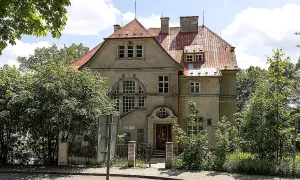
Příběhy a pověsti
Legendy, pověsti a příběhy spjaté s touto památkou
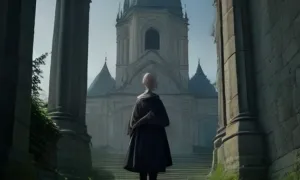
Příběh: Kostel svatého Petra a Pavla (Kostelní Bříza)
Bylo to v pondělí ráno, kdy Mikuláš zjistil, že každé jeho kroky rezonovaly na kamenných schodech kostela svatého Petra a Pavla jako hlas z minulosti. Nebyl …
Číst příběh
Pověst: Kostel svatého Petra a Pavla (Kostelní Bříza)
Staří obyvatelé Kostelní Břízy vyprávějí, že ten červnový den roku 1864 bylo vedro jako z pece. Obloha se od rána šklebila divnými barvami – nejprve namodral…
Číst příběhFotografie návštěvníků
Zatím žádné fotografie. Buďte první, kdo přidá fotografii z návštěvy!
Přihlaste se a přidejte svou fotografii nebo hodnoťte.
Za ověřenou návštěvu v aplikaci získáte víc bodů — poznáme podle GPS, že jste na místě.
Reviews and comments