






Kostel svatého Petra a Pavla (Litice) Church
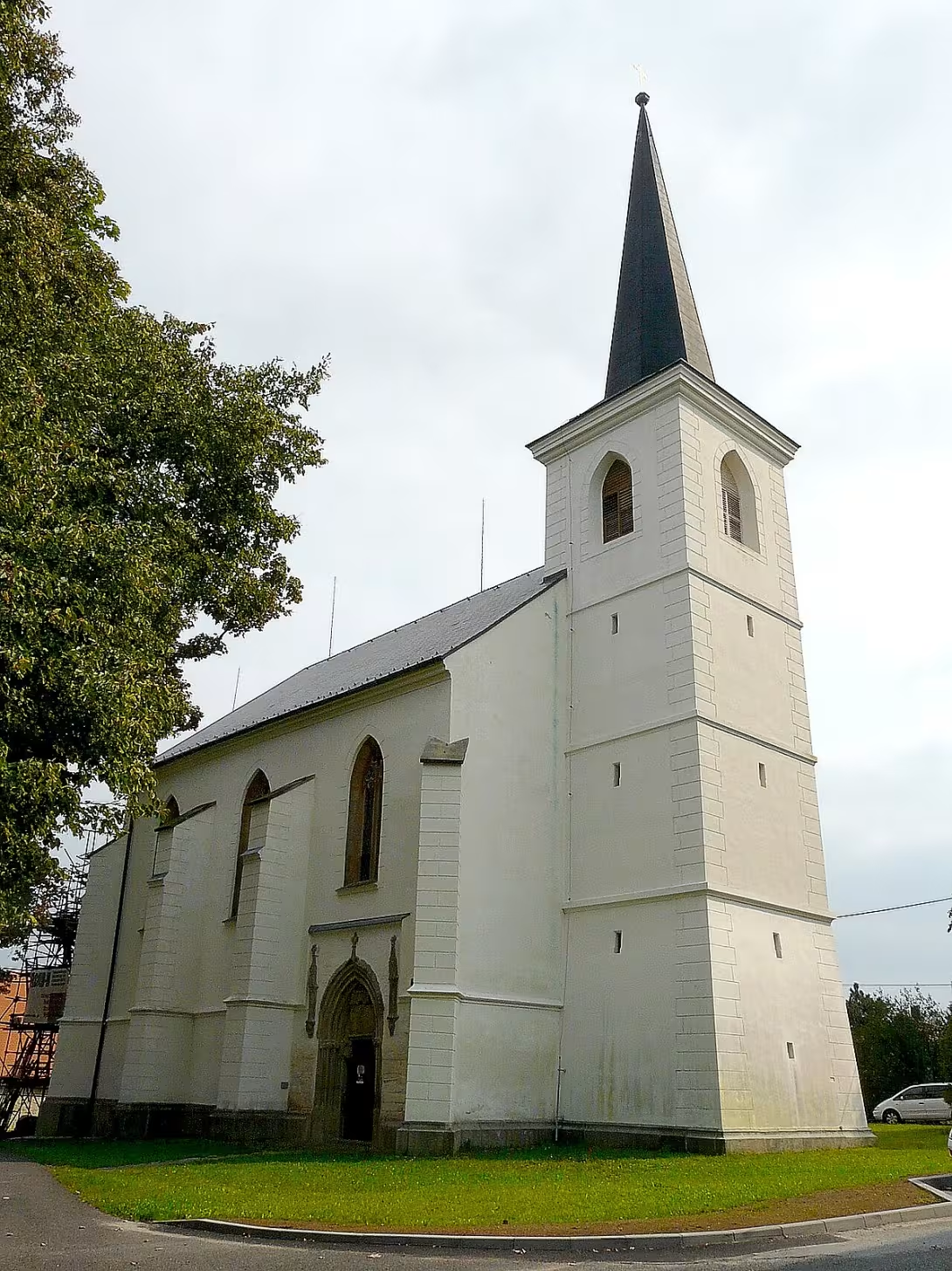
The Church of Saints Peter and Paul in Litice is an important Gothic church located in the Plzeň region of the Czech Republic. Originally built by the Drslavic family in the 14th century, it stands as a significant cultural monument due to its historical importance and architectural evolution over time. This church has undergone numerous transformations influenced by fires, wars, and changes in ownership, showcasing resilience and adaptation.
The origins of this church date back to the 14th century when the Drslavic family commissioned its construction in Gothic style. The earliest documented mention is from 1352, highlighting its early historical significance. Initially a Romanesque structure, remnants are found within its current form, reflecting broader European architectural trends during that era. Bohemia's inclusion in the Holy Roman Empire meant it was subject to significant political and religious changes, influencing both construction and subsequent modifications.
Architecturally, the Church of Saints Peter and Paul showcases a blend of styles due to its long history. The original Romanesque foundations were incorporated into the Gothic structure built by the Drslavic family. After a devastating fire in 1576, reconstruction efforts introduced Renaissance elements, such as an altar acquired in 1600. Further modifications followed damage from the Thirty Years' War and subsequent fires, reflecting its ability to adapt over time.
Ownership and administration of the church have seen dramatic changes throughout history. Initially owned by the Drslavic family, it was sold in 1367 to the Chotěšov monastery, which managed it until its dissolution in 1784. Following this, the Náboženská matice took over its administration. The church also saw various other owners and administrators, including notable figures such as Herman z Nečtin and Vilém Švihovský z Rýzmberka.
Key events have shaped the history of this monument. In 1576, a fire destroyed much of the church, necessitating extensive reconstruction efforts that introduced Renaissance elements. During the Thirty Years' War in 1639, Swedish forces looted and burned Litice, including the church, leading to further damage. Despite these adversities, the church has continued to serve its community, with notable additions such as two altars from a dissolved Chotěšov monastery in 1830 and new organs installed in 1833.
Today, the Church of Saints Peter and Paul is under the care of the Koinonia Jan Křtitel association since 1996. Despite facing challenges like structural issues and roof damage by the late 20th century, ongoing restoration efforts have helped preserve its historical integrity. The church houses three bells, with the oldest named Peter and Paul from 1582, adding to its historical charm. Adjacent to the church is a parsonage featuring a statue of Immaculata around 1800, enhancing its cultural landscape.
Visitors today can appreciate this monument not only for its architectural beauty but also for its rich history that encapsulates centuries of Bohemian life and resilience. The Church of Saints Peter and Paul in Litice offers a unique glimpse into the past while standing as a symbol of continuity and preservation. Its historical significance, combined with ongoing restoration efforts, makes it a worthwhile destination for those interested in exploring the cultural heritage of the Plzeň region.
Then and now
Drag the slider to compare how the landmark may have looked when it was built with the view today.
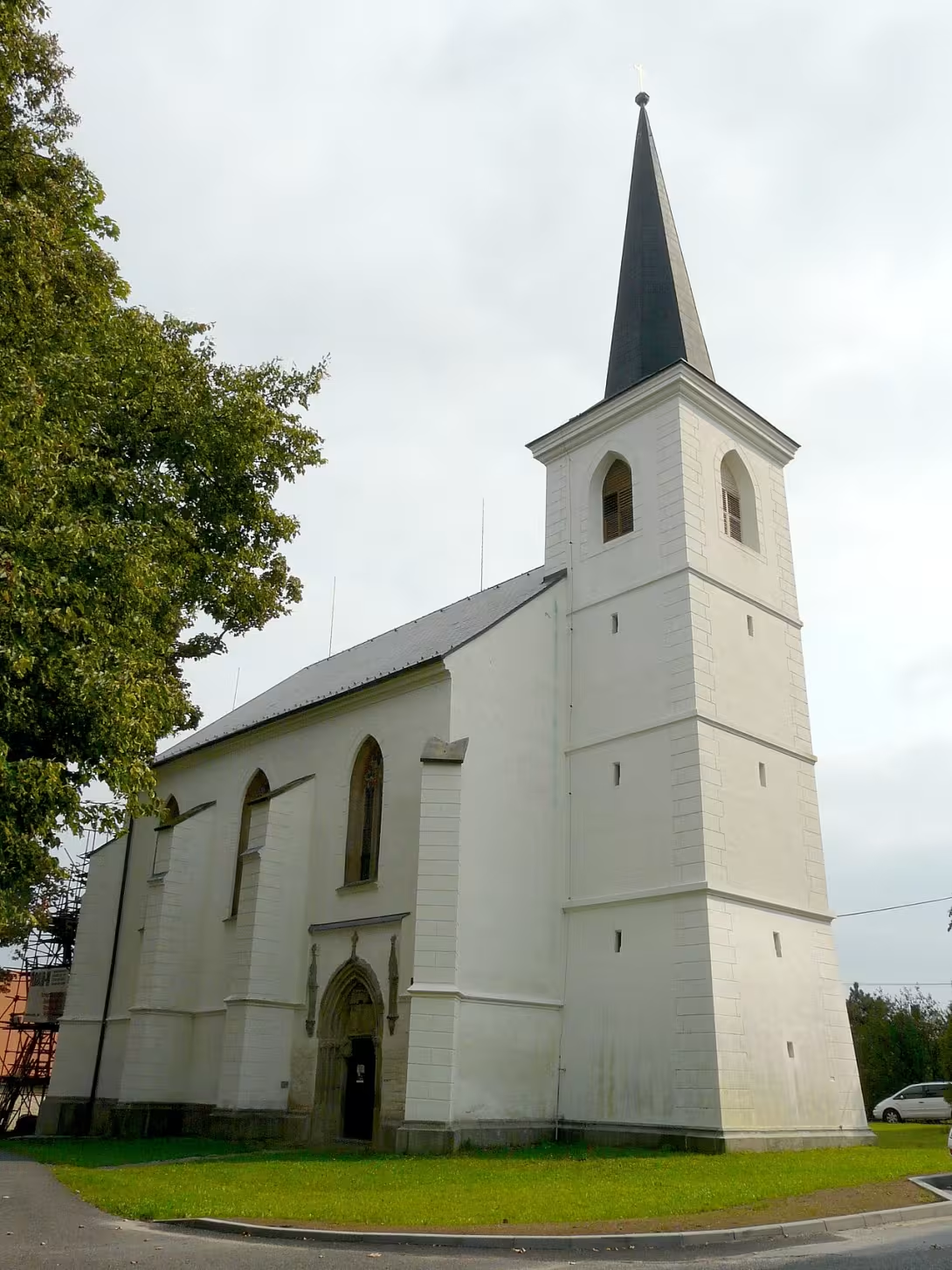

The historical appearance on the left is an AI-generated visualisation and serves as inspiration only.
Historical milestones
- 1352
- First documented mention of a papal tithe payment.
- 1576
- A fire destroyed the church.
- 1639
- Swedish forces looted and burned Litice during the Thirty Years' War.
Architectural development
The church began as a Romanesque structure with remnants found within its current Gothic form. After being rebuilt post-1576 fire, it incorporated Renaissance elements such as an altar in 1600. Further modifications occurred after damage from the Thirty Years' War and subsequent fires.
Historical events
In 1576, a fire destroyed the church, leading to significant reconstruction efforts.
During the Thirty Years' War in 1639, Swedish forces looted and burned Litice, including the church.
Owners
The church was originally owned by the Drslavic family in the 14th century. In 1367, it was sold to the Chotěšov monastery, which managed it until its dissolution in 1784 when the Náboženská matice took over.
Points of interest
- The Church of Saints Peter and Paul in Litice was originally a Romanesque structure before being transformed into its Gothic form by the Drslavic family. This architectural evolution reflects broader European trends during the 14th century.
- After a fire in 1576, Renaissance elements were introduced to the church's architecture, including an altar acquired in 1600, showcasing how historical events influenced its design and construction.
- The church was looted and burned by Swedish forces during the Thirty Years' War in 1639. This event highlights the turbulent history of the region and the resilience of the structure through subsequent restoration efforts.
- In 1830, two altars from a dissolved Chotěšov monastery were added to the church, demonstrating how religious artifacts have been repurposed over time to enhance its cultural significance.
- The oldest bell in the church, named Peter and Paul, dates back to 1582. This historical artifact adds to the church's charm and connects it to its past through auditory history.
Guide
This guide is narrated by a synthetic voice generated by artificial intelligence.
Show guide text
This text was created by artificial intelligence and has not been editorially reviewed. It may contain inaccuracies.
Welcome to the Church of Saints Peter and Paul in Litice, a remarkable testament to Gothic architecture nestled in the Plzeň region. As you stand before this magnificent structure, take a moment to absorb its grandeur and historical significance.
The origins of this church date back to the 14th century when it was initially built by the Drslavic family. Originally a Romanesque edifice, it underwent a transformation into Gothic style, reflecting broader European architectural trends during that era. The church's history is marked by resilience; in 1576, a devastating fire led to its reconstruction with Renaissance elements incorporated into its design. Later, in 1639, the Thirty Years' War brought further trials when Swedish forces looted and burned Litice.
As you look at the church now, notice how it seamlessly blends various architectural styles. The Romanesque foundation is evident beneath its Gothic façade, a testament to its rich history of transformation. Although specific architects remain unknown, the enduring beauty speaks volumes about the craftsmanship and vision that shaped this sacred space.
The Drslavic family played a pivotal role in the church's early development, but other historical figures like Herman z Nečtin and Vilém Švihovský z Rýzmberka also left their mark on its storied past. Their influence is woven into the fabric of Litice’s history.
One intriguing aspect of this church is its connection to a papal tithe payment documented as early as 1352, highlighting its longstanding significance within ecclesiastical and local communities.
As you continue your exploration, I invite you to delve deeper into the layers of history that surround you. Discover more about the stories etched in stone and spirit at this remarkable site. Thank you for joining us on this journey through time, and we hope you carry these impressions with you long after you leave Litice.
Frequently asked questions
Can the monument be visited?
Religious buildings are usually open mainly during services; at other times a visit is normally arranged with the parish or the operator. We have not verified specific times. According to the heritage register restoration is under way, so access may be restricted.
Where is the monument?
Location: Budilovo náměstí, Litice, Plzeň, Plzeňský kraj. The map on this page shows the exact spot.
Why is the monument protected?
It is listed in the Central List of Cultural Monuments of the Czech Republic as a cultural monument (register no. 29444/4-231).
Businesses nearby
Do you run a restaurant, accommodation, shop, museum, rental, wellness or other visitor service near this monument? Show yourself directly to the people heading to it — this is how they will see you in the app and on the web:
Events nearby

Zdroj akcí: otevřená data měst a obcí ČR (Národní katalog otevřených dat) a kalendář akcí Národního památkového ústavu.
Nearby
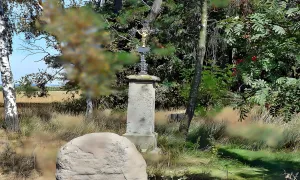
Surrounding Litice are natural landscapes typical of the Plzeň region. Nearby monuments include statues such as that of Saint John Nepomucene from 1838.
Accommodation nearby
Trips and activities nearby
Guided tours, tickets and activities nearby from GetYourGuide
Affiliate link: if you buy from the partner, we may receive a commission. The price for you does not change.
Search tours and activities →Themed route
Tematická výletní trasa: Kostel svatého Petra a Pavla (Litice)
1. Kostel svatého Petra a Pavla, Litice
- Typ: Kostel
- Proč stojí za návštěvu: Tento barokní kostel je centrem kulturní identity obce Litice. Jeho architektura přitahuje historicky zainteresované návštěvníky a posluchače místních liturgií, nabízející pohled na bohatou duchovní tradici regionu.
2. Statue svatého Jana Nepomuckého
- Typ: Socha
- Proč stojí za návštěvu: Umístěná v blízkosti kostela, tato socha z roku 1838 je významnou památkou, která připomíná svatého Jana Nepomuckého, patrona České republiky. Je to ideální místo pro pochopení místní kultury a dějin.
3. Nádvoří kostela
- Typ: Nádvoří
- Proč stojí za návštěvu: Prozkoumejte klidné prostory kolem kostela, které nabízejí příležitosti k relaxaci a reflektování. Toto místo je ideální pro pochopení architektonických detailů kostela v kontextu jeho okolního prostředí.
4. Věž kostela
- Typ: Věž
- Proč stojí za návštěvu: Návštěva věže nabízí jedinečný pohled na obec Litice a okolní krajinu. Je to nejen architektonické dobrodružství, ale také způsob, jak si užít panoramatickou vyhlídku.
5. Parková zóna kolem kostela
- Typ: Park
- Proč stojí za návštěvu: Tato mírně zalesněná oblast nabízí klidné chvíle pro relaxaci a pohled na přírodní krásy Plzeňského kraje. Je to ideální místo k odpočinku po prozkoumání historických památek.
Tato trasa nabízí kombinaci duchovních, kulturních a přírodních zážitků v okolí kostela svatého Petra a Pavla v Liticích.
Seasonal recommendations
Spring: Visiting the Church of Saint Peter and Paul during spring offers a unique experience as nature awakens around Litice, with blooming flowers and lush greenery enhancing the serene atmosphere. The church's re-construction phase provides an intriguing backdrop, where scaffolding contrasts with vibrant flora. This season is ideal for those who appreciate architecture amidst natural beauty. Visitors should consider wearing comfortable shoes suitable for walking on potentially muddy paths and be prepared for occasional rain showers. Early morning visits are recommended to avoid larger crowds as the site becomes more popular throughout the day.
Summer: The summer months provide an excellent opportunity to explore the Church of Saint Peter and Paul when the weather is warm, allowing visitors to enjoy the surrounding landscapes in full bloom. The long daylight hours offer extended viewing times, although it's wise to visit early in the morning or late afternoon to escape the midday heat and crowds that gather during peak tourist season. Casual attire with a hat for sun protection is advisable, along with carrying water to stay hydrated.
Autumn: Autumn transforms Litice into a picturesque setting with its rich palette of reds, oranges, and yellows. The cooler temperatures make it an ideal time to visit the Church of Saint Peter and Paul without the summer crowds. The re-construction work adds an interesting element, as fallen leaves accentuate the scaffolding against the church's historic architecture. Visitors should dress in layers to accommodate fluctuating temperatures throughout the day and consider bringing a camera to capture the stunning seasonal colors.
Winter: Winter brings a quiet charm to Litice, with snow often blanketing the area around the Church of Saint Peter and Paul, creating a magical atmosphere that contrasts beautifully with its ongoing re-construction. The shorter days mean visiting times are limited, so planning ahead is crucial. Visitors should dress warmly in layers, wear waterproof boots for snowy conditions, and be prepared for potential closures due to inclement weather. Early visits are recommended to ensure access before the site closes early in the colder months.
Visualizations and artistic views


The visualisations are generated by artificial intelligence and serve as inspiration.
Photos from the area
Real photos taken near the monument

Zdroj a licence jsou uvedeny u každého snímku.
Tips from visitors
No tips yet. Be the first!
Log in and add your tip.
Sources and literature
Photos: Josef Špiller / CC BY-SA 3.0 — Wikimedia Commons. The author and licence also appear when you hover over the image.
Faktickým podkladem tohoto textu byl článek na Wikipedii, jehož autory jsou přispěvatelé Wikipedie. Článek je dostupný pod licencí CC BY-SA 4.0.
Location on the map


Příběhy a pověsti
Legendy, pověsti a příběhy spjaté s touto památkou

Fotografie návštěvníků
Zatím žádné fotografie. Buďte první, kdo přidá fotografii z návštěvy!
Log in a přidejte svou fotografii nebo hodnoťte.
Za ověřenou návštěvu v aplikaci získáte víc bodů — poznáme podle GPS, že jste na místě.
Reviews and comments