






kostel svatého Šimona a Judy (Buřenice) Church
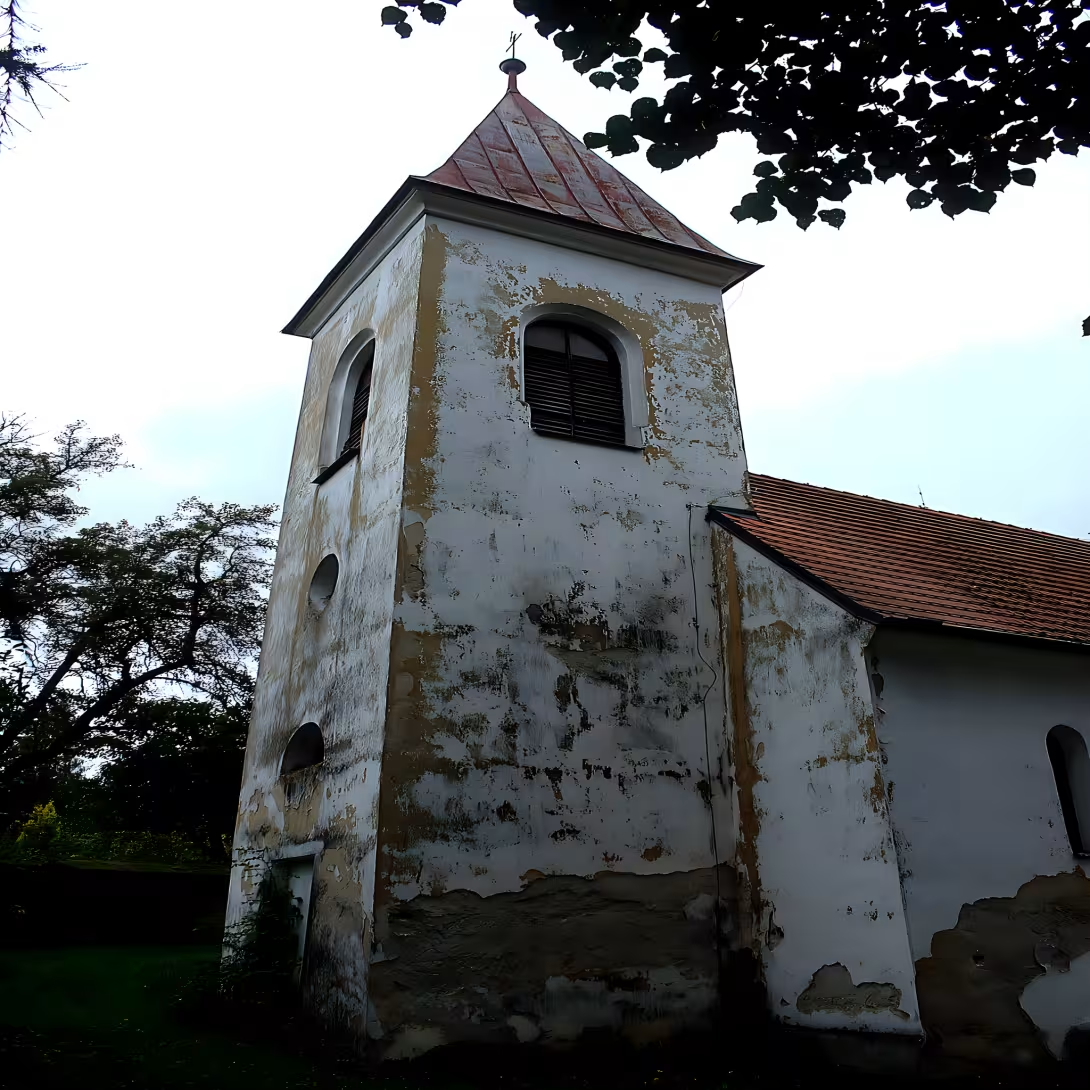
The Church of Saint Simon and Jude in Buřenice is a historical monument showcasing architectural evolution from Romanesque to Baroque styles. Situated at the edge of Buřenice village within the Vysočina region, it has been central to the community's religious and social life since its establishment in the late 13th century. Recognized as a cultural monument on May 3, 1958, it highlights its role in preserving local heritage.
The church dates back to the late Romanesque period of the 13th century. Its first documented mention is in the papal tithe register from 1352, indicating early ecclesiastical significance. The noble family Tluksů z Buřenic held patronage rights, reflecting local nobility's influence during that era.
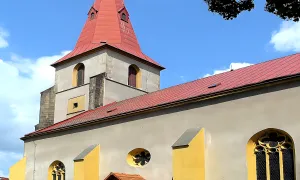
Architecturally, the church blends styles due to modifications over centuries. It originally featured late Romanesque elements, transitioning into Gothic architecture, as seen in the preserved Gothic portal. Further transformations occurred during the Baroque period and 19th century, especially affecting its tower. The current form emerged from a 1912 renovation, adopting a romanticized style that harmonizes with its historical roots.
Notable parish priests served at Buřenice, contributing to the community's spiritual life. These included Mikuláš, Konrád Rubín z Řečice, Duchek, Přibík, Bušek ze Zruče, Jan z Pelhřimova, Mikuláš z Kaliště, Jakub z Buřenic, Zdeslav z Buřenic, and Václav z Hořepníku. Their roles underscore the church's longstanding significance as a religious center.
The Church of Saint Simon and Jude is within an enclosed area that once served as a cemetery, adding to its historical ambiance. A cast-iron cross marks the entrance, signifying the site's sacred nature. The church features a single nave with a flat ceiling, an eastern apse, and a triumphal arch, contributing to its architectural charm.
Today, the Church of Saint Simon and Jude is accessible to visitors interested in exploring its rich history and architectural beauty. Its designation as a cultural monument ensures preservation for future generations. The church's historical significance and unique blend of styles make it a worthwhile destination for those interested in Czech heritage and ecclesiastical architecture.
Visiting the Church of Saint Simon and Jude offers an opportunity to connect with the past and appreciate its enduring legacy. Its serene setting and preserved features invite reflection on the cultural and historical narratives that have shaped Buřenice over centuries.
Then and now
Drag the slider to compare how the landmark may have looked when it was built with the view today.
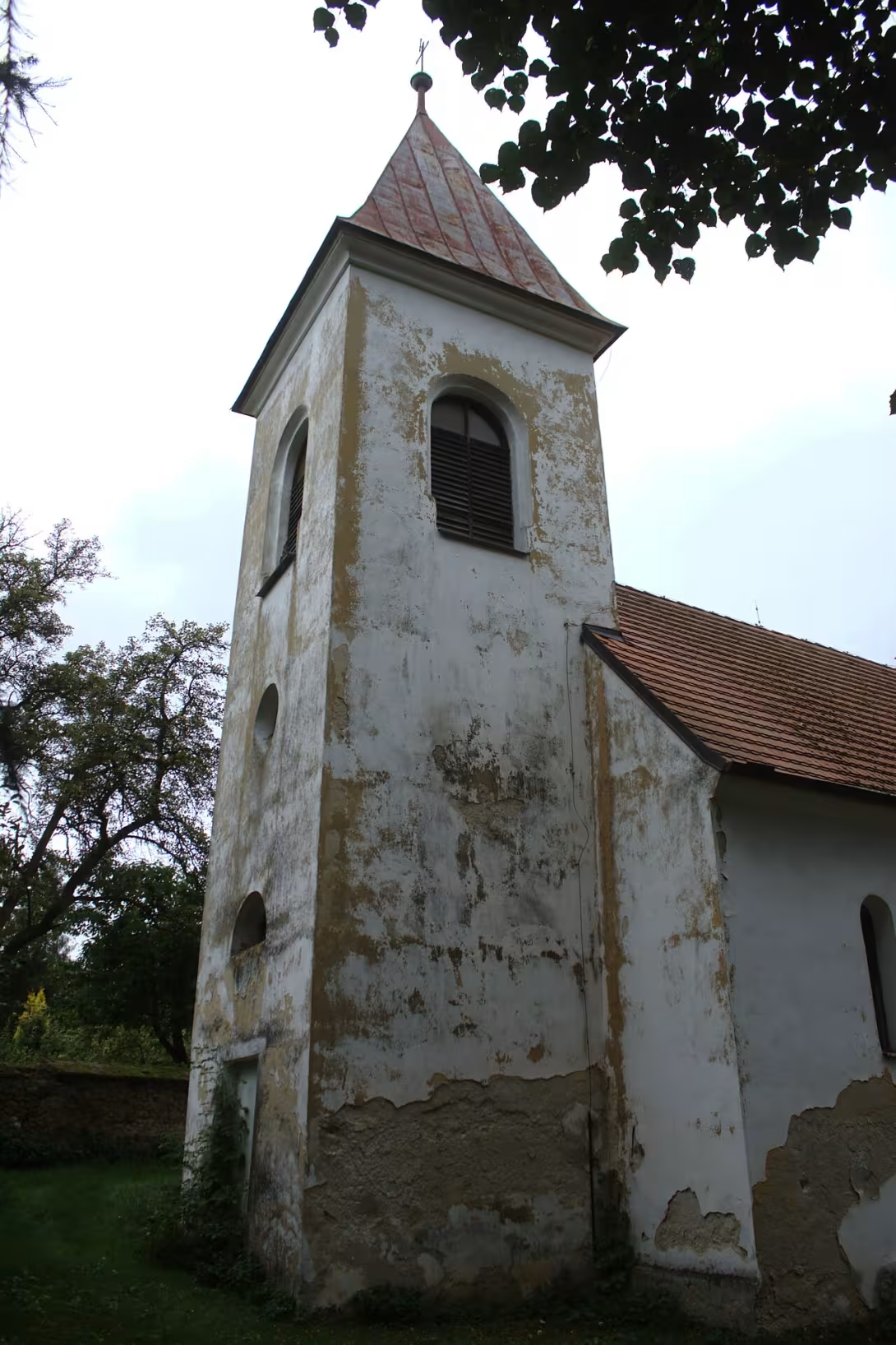
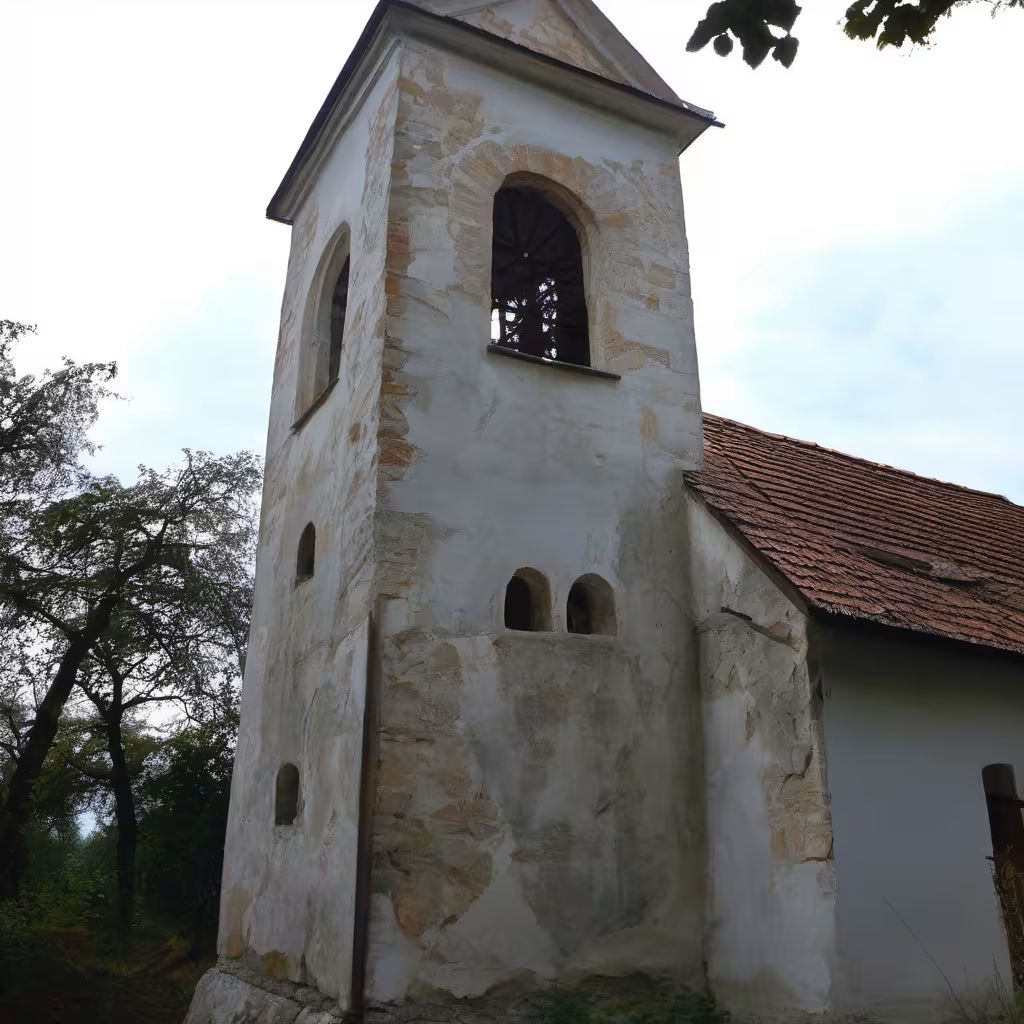
The historical appearance on the left is an AI-generated visualisation and serves as inspiration only.
Historical milestones
- end of the 13th century
- The establishment of the Church of Saint Simon and Jude in Buřenice.
- 1352
- First documented mention of the church in a papal confessional register.
- Middle Ages
- Transition of architecture from late Romanesque to Gothic, preserving the Gothic portal.
- Baroque period
- Architectural changes in the church during the Baroque era.
- 1912
- Renovation of the church in a romanticizing style that harmonizes with its historical roots.
- 1958
- Declared a cultural monument on May 3rd.
Architectural development
Originally built in the late Romanesque style during the second half of the 13th century, the church underwent several modifications. A Gothic portal from the original structure remains intact. The building features a single nave with a flat ceiling, an eastern apse, and a tower that was altered during the Baroque period and again in the 19th century. Its present form resulted from a renovation in 1912.
Historical events
The first written mention of the church is from 1352, recorded in the papal tithe register.
In 1958, it was designated as a cultural monument.
Guide
This guide is narrated by a synthetic voice generated by artificial intelligence.
Show guide text
This text was created by artificial intelligence and has not been editorially reviewed. It may contain inaccuracies.
The Church of Saints Simon and Jude stands on the edge of the village green in Buřenice in the Pelhřimovsko region. It belongs to the Košetická parish and has been a cultural monument since May 3rd, 1958.
Its foundation is dated to the second half of the 13th century. The first written mention comes from the year 1352. It is a record in the register of papal tithes, that is, in a list of contributions that church institutions paid to the Pope. The patronage rights to the church were held by the Tluksové family from Buřenice.
The original building was based on the late form of Romanesque floor plan. From that period, a Gothic portal has been preserved. The church is single-nave, has a flat ceiling, a triumphal arch, and on the eastern side a semicircular apse. It is accompanied by a prismatic tower, which was modified during the Baroque period and again in the 19th century. The church acquired its present form in 1912.
In the Middle Ages, Buřenice had its own parish. The parish priests recorded here are Mikuláš, Konrád Rubín z Řečice, Duchek, Přibík, Bušek ze Zruče, Jan z Pelhřimova, Mikuláš z Kaliště, Jakub z Buřenic, Zdeslav z Buřenic, and Václav z Hořepníku.
The oldest part of the interior furnishings is the main altar from the second half of the 16th century. In the 19th century, paintings of saints were added to it.
Tips for visitors
The best time to visit the Church of Saint Simon and Jude in Buřenice is during late spring or early autumn. During these months, the weather is typically mild, making it pleasant for outdoor exploration around the church and its surrounding cemetery area. Additionally, visiting outside peak tourist seasons can provide a more serene experience, allowing you to appreciate the historical architecture without large crowds.
Visitors are encouraged to use public transportation or park in nearby larger towns and walk to the church. Public transport options can also be explored through online search tools for the most current routes.
When visiting the Church of Saint Simon and Jude, consider bringing comfortable walking shoes as you may want to explore the surrounding cemetery area. A camera is recommended to capture the architectural details of the church, which beautifully blend Romanesque and Baroque styles. Additionally, carrying a light jacket or sweater can be useful, especially if you plan to visit in the cooler months.
For photography enthusiasts, the best spots for capturing images are at the entrance where the cast-iron cross is located, as well as from various angles around the church that highlight its architectural features. Early morning or late afternoon light provides a softer illumination, enhancing the textures and details of the building's facade. Be mindful of any signs regarding photography restrictions inside the church.
Families with children can enjoy exploring the historical site together, but it may be beneficial to prepare for a relatively quiet visit as there are no specific family-oriented attractions nearby. The enclosed cemetery area offers space for children to explore safely under supervision. For those interested in learning more about local history and architecture, this visit can be both educational and enjoyable.
In the vicinity of Buřenice, within a 30-minute drive or walk, visitors might find it interesting to explore other historical sites or natural landscapes that offer a glimpse into the region's rich cultural heritage. While specific nearby attractions are not detailed here, a general exploration around Vysočina can reveal charming villages and scenic views.
Frequently asked questions
Can the monument be visited?
Religious buildings are usually open mainly during services; at other times a visit is normally arranged with the parish or the operator. We have not verified specific times.
Where is the monument?
Location: Buřenice, Kraj Vysočina. The map on this page shows the exact spot.
Why is the monument protected?
It is listed in the Central List of Cultural Monuments of the Czech Republic as a cultural monument (register no. 35780/3-2955).
Businesses nearby
Do you run a restaurant, accommodation, shop, museum, rental, wellness or other visitor service near this monument? Show yourself directly to the people heading to it — this is how they will see you in the app and on the web:
Nearby
The church is located on the edge of Buřenice village, within an enclosed area that was once a cemetery. A cast-iron cross stands at the entrance to this site.
Accommodation nearby
Themed route
Tematická výletní trasa: Kostel svatého Šimona a Judy (Buřenice)
1. Kostel svatého Šimona a Judy
- Typ: Historická památka
- Proč stojí za návštěvu: Tento kostel, nacházející se na okraji vesnice Buřenice, je významnou historickou památkou s bohatou minulostí. Jeho umístění bývalého hřbitova dodává místu klid a reflexi, což ho činí ideálním začátkem pro tematický výlet.
2. Ohrada kostela
- Typ: Historická ohrada
- Proč stojí za návštěvu: Ohrada kolem kostela svatého Šimona a Judy je pozůstatkem bývalého hřbitova, což přidává historickou hloubku oblasti. Procházka po jejích cestách nabízí pohled na starobylé kameny a pamětníky, které vyprávějí o minulých generacích.
3. Kovový kříž u vchodu
- Typ: Umělecký prvek
- Proč stojí za návštěvu: Kovový kříž, který stojí na vstupu do areálu kostela, je nejen uměleckou památkou, ale také symbolickým bodem pro zastavení a uctění. Jeho historie a design přitahují pozornost návštěvníků hledajících kulturní i duchovní inspiraci.
Tato trasa nabízí pohled na klíčové prvky okolí kostela svatého Šimona a Judy, které společně vyprávějí příběh o historii a kultuře oblasti Buřenice.
Seasonal recommendations
Spring: Visiting the Church of Saint Simon and Jude during spring offers a delightful experience as nature awakens around Buřenice. The surrounding landscape is adorned with blooming flowers, creating an enchanting atmosphere that complements the historic architecture of the church. Soft light filters through the trees, casting gentle shadows on the stone walls. This season sees moderate visitor numbers, making it ideal for those seeking a peaceful exploration. It's recommended to wear comfortable walking shoes and perhaps bring a light jacket, as temperatures can vary. The best time to visit is in the late morning or early afternoon when sunlight enhances the church’s intricate details.
Summer: Summer brings vibrant energy to the Church of Saint Simon and Jude with its lush greenery and longer daylight hours. This period marks the peak tourist season, so expect larger crowds eager to enjoy the beautiful weather and historical site. The warm light accentuates the church's architectural features, while the surrounding gardens are in full bloom. To avoid the busiest times, consider arriving early in the morning or later in the afternoon. Dress comfortably for warmer temperatures, with hats and sunscreen recommended. Don't forget your camera to capture the picturesque setting.
Autumn: Autumn at the Church of Saint Simon and Jude is a tapestry of warm colors as leaves turn shades of red, orange, and gold. The cooler weather creates a serene atmosphere perfect for reflection and photography. This season offers a balance between visitor numbers, with fewer people than in summer but more than in spring or winter. It's advisable to wear layers due to fluctuating temperatures throughout the day. Early morning visits can provide the best lighting conditions as well as quieter surroundings, allowing you to fully appreciate the church’s historical charm against the backdrop of autumnal beauty.
Winter: Winter transforms the Church of Saint Simon and Jude into a serene, almost mystical site with its snow-covered surroundings. The shorter days mean fewer visitors, offering an intimate experience in the quietude of the season. The stark contrast between the white landscape and the church’s stone structure creates a striking visual appeal. Visiting early in the day is recommended not only for better light but also because it tends to be less crowded, allowing you to enjoy the peaceful winter atmosphere fully.
Visualizations and artistic views


The visualisations are generated by artificial intelligence and serve as inspiration.
Photos from the area
Real photos taken near the monument


Zdroj a licence jsou uvedeny u každého snímku.
Tips from visitors
No tips yet. Be the first!
Log in and add your tip.
Sources and literature
Photos: I would appreciate being notified if you use my work outside Wikimedia. More of my work can be found in my personal gall / CC BY-SA 4.0, rozlišení zvýšeno umělou inteligencí — Wikimedia Commons. The author and licence also appear when you hover over the image.
Location on the map


Příběhy a pověsti
Legendy, pověsti a příběhy spjaté s touto památkou
Fotografie návštěvníků
Zatím žádné fotografie. Buďte první, kdo přidá fotografii z návštěvy!
Log in a přidejte svou fotografii nebo hodnoťte.
Za ověřenou návštěvu v aplikaci získáte víc bodů — poznáme podle GPS, že jste na místě.
Reviews and comments