






Kostel svatého Šimona a Judy (Vlčí Pole) Church
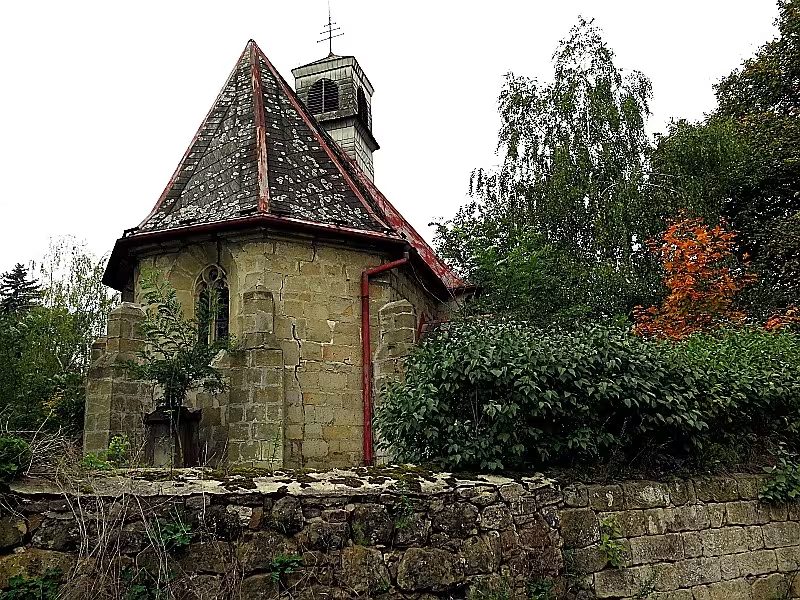
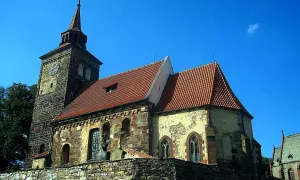
The Church of Saint Simon and Jude in Vlčí Pole is a Roman Catholic filial church located in the eastern part of the village within a park near a castle. This Gothic structure, modified with Baroque elements, stands as a free-standing monument protected since 1967 due to its cultural significance. While regular public access is restricted, it opens during special events like the Night of Churches, offering visitors a glimpse into Czech heritage.
The church's origins trace back to around 1280-1290, replacing an earlier wooden structure possibly from 1094. Its stone construction reflects the Gothic architectural style prevalent in Bohemia during that period. The Thirty Years' War and subsequent neglect led to deterioration, with maintenance reliant on local clergy until significant changes occurred post-war.
Ownership of Vlčí Pole shifted dramatically in 1623 when Polyxena von Lobkowicz acquired it after the Battle of White Mountain, integrating it into her estate. Later, in 1738, the Netolicky family took over, followed by the Kinský family until their property was confiscated post-1948. The restitution process after 1989 returned the estate to the Kinskýs, and Valerie Schořová later acquired it.
Architecturally, the church underwent Baroque renovations in 1683, including re-consecration on St. George's Day, which influenced local pilgrimage traditions. It served as a filial chapel following the restoration of the nearby Church of Saint Catherine in 1750. The structure features an oblong, single-nave design with polygonal closure and prominent external buttresses added in 1899.
Among its historical artifacts is a bell from 1512, weighing 120 kilograms, cast by Bartoloměj Bartoš. Despite efforts during World War II to requisition it for metal, local intervention preserved the bell. A Baroque altar from 1670 now resides in a chapel on Dětenice Castle grounds, and early Baroque organs originally from 1696 were relocated and restored in Litoměřice.
Today, the Church of Saint Simon and Jude remains closed to regular visitors but opens for cultural events, offering a unique opportunity to explore its historical and architectural significance. Its preservation as a cultural monument underscores its importance, inviting those interested in Czech history and Gothic architecture to experience this remarkable site during special occasions.
Then and now
Drag the slider to compare how the landmark may have looked when it was built with the view today.
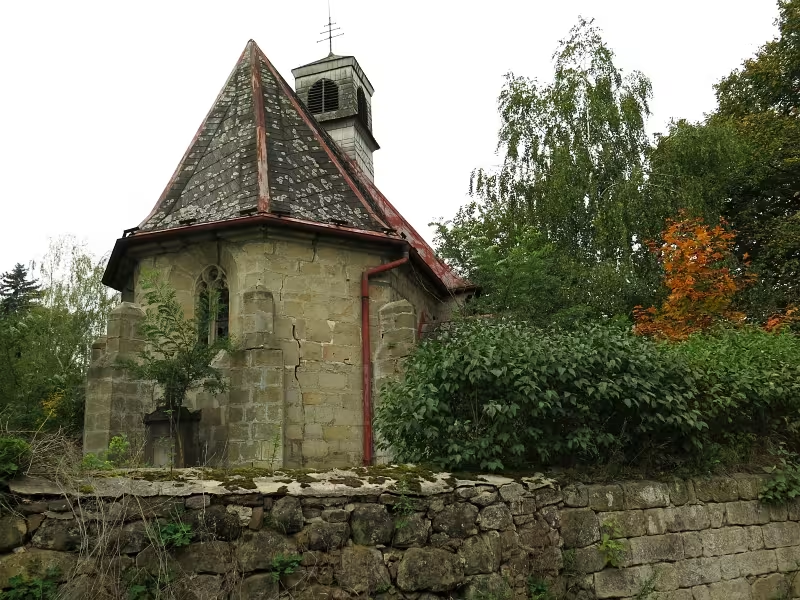

The historical appearance on the left is an AI-generated visualisation and serves as inspiration only.
Historical milestones
- 1512
- A bell weighing 120 kilograms was cast by Bartoloměj Bartoš.
- 1942
Architectural development
The church originally dates back to around 1280-1290 with its current stone structure. It underwent significant Baroque renovations in 1683, which included re-consecration on St. George's Day, influencing local pilgrimage traditions. The church served as a filial chapel after the restoration of the nearby Church of Saint Catherine in 1750.
Historical events
The Thirty Years' War led to significant deterioration of the church, with maintenance dependent on local clergy.
In 1623, Polyxena von Lobkowicz acquired Vlčí Pole, integrating it into her estate.
Post-1948, the Kinský family's property was confiscated and later returned in a restitution process after 1989.
Owners
The ownership of Vlčí Pole changed significantly in 1623 when Polyxena von Lobkowicz acquired it after the Thirty Years' War and the Battle of White Mountain. The Netolicky family took over in 1738, followed by the Kinský family until their property was confiscated post-1948. In 1989, restitution returned the estate to the Kinskýs, and Valerie Schořová later acquired it.
Points of interest
- The Church of Saint Simon and Jude is believed to have replaced an earlier wooden church from 1094, indicating the area's long-standing religious significance even before its stone construction in the late 13th century.
- During World War II, there was a plan to requisition the church's large bell for metal; however, local efforts successfully preserved it, highlighting the community's dedication to protecting their heritage.
- The Baroque renovations of 1683 included re-consecration on St. George’s Day, which became an integral part of local pilgrimage traditions and cultural celebrations in Vlčí Pole.
- After its restoration as a filial chapel following the reconstruction of the nearby Church of Saint Catherine in 1750, it played a crucial role in maintaining religious practices in the area despite its reduced status.
- The church's early Baroque organs from 1696 were relocated and restored at Litoměřice, showcasing how historical artifacts are preserved and appreciated even when moved from their original locations.
Guide
This guide is narrated by a synthetic voice generated by artificial intelligence.
Show guide text
This text was created by artificial intelligence and has not been editorially reviewed. It may contain inaccuracies.
Welcome to the Church of Saint Simon and Jude in Vlčí Pole! As you stand here, surrounded by the serene park near an old castle, take a moment to soak in your surroundings. Before you is a striking Roman Catholic filial church, its presence commanding yet harmonious with nature's embrace.
This remarkable structure has roots deep in history. It stands as a testament to the area's long-standing religious significance, believed to have replaced an earlier wooden church from 1094. The stone construction dates back to the late 13th century, marking it as a site of enduring faith and community.
As you look around, notice how the church blends its Gothic origins with later Baroque modifications. While specific architectural details aren't documented here, take in the overall atmosphere—the way light plays across surfaces or the intricate stonework that might catch your eye. It's these elements that tell a story of evolving styles and craftsmanship through centuries.
The Church of Saint Simon and Jude holds stories within its walls. One particularly intriguing chapter is from World War II when there was a plan to requisition the church's large bell, weighing 120 kilograms, cast in 1512 by Bartoloměj Bartoš. This narrative adds a layer of historical intrigue to your visit.
As you continue exploring, let your imagination wander about the lives and events that have unfolded here over the years. Although specific architects or historical figures aren't documented, each stone and corner likely holds secrets waiting to be discovered.
Before we part ways, I invite you to linger a little longer. Perhaps take a walk around the church in its park setting or reflect on the stories it has witnessed. Thank you for joining me on this journey through time at the Church of Saint Simon and Jude. Enjoy your exploration!
Frequently asked questions
Can the monument be visited?
Religious buildings are usually open mainly during services; at other times a visit is normally arranged with the parish or the operator. We have not verified specific times.
Where is the monument?
Location: Vlčí Pole, Středočeský kraj. The map on this page shows the exact spot.
Why is the monument protected?
It is listed in the Central List of Cultural Monuments of the Czech Republic as a cultural monument (register no. 15725/2-1759).
Businesses nearby
Do you run a restaurant, accommodation, shop, museum, rental, wellness or other visitor service near this monument? Show yourself directly to the people heading to it — this is how they will see you in the app and on the web:
Nearby
The church is situated within a park near a castle in Vlčí Pole. The surrounding landscape includes other historical sites such as the Church of Saint Catherine in Dolní Bousov.
Accommodation nearby
Themed route
Tematická výletní trasa: Historické památky Vlčího Pole a Dolního Bousova
1. Kostel svatého Šimona a Judy (Vlčí Pole) - Typ: Kostel - Proč stojí za návštěvu: Tento kostel je nejen architektonickou perli, ale také klíčovým historickým místem v Vlčím Poli. Nachází se ve zeleném parku u zámku a nabízí návštěvníkům pohled na bohatou historii regionu.
2. Park u kostela svatého Šimona a Judy - Typ: Park - Proč stojí za návštěvu: Park kolem kostela je ideálním místem pro relaxaci a prohlídku, nabízí krásné zelené prostory a klidnou atmosféru. Je to také výchozí bod pro další objevování okolních historických památek.
3. Zámek v Vlčím Poli - Typ: Zámek - Proč stojí za návštěvu: I když nebyl explicitně zmíněn jako cíl, zámek je nedaleko kostela a představuje další historickou památku v regionu. Jeho blízkost k kostelu svatého Šimona a Judy činí kombinaci těchto dvou míst ideálním pro celkový dojem z oblasti.
4. Kostel svaté Kateřiny (Dolní Bousov) - Typ: Kostel - Proč stojí za návštěvu: Tento kostel je dalším významným historickým místem, které představuje bohatou duchovní a architektonickou tradici regionu. Jeho umístění v Dolním Bousově nabízí návštěvníkům možnost prozkoumat další stránky historie Středočeského kraje.
5. Centrum Dolního Bousova - Typ: Městský centrum - Proč stojí za návštěvu: Prohlídka městského centra v Dolním Bousově umožňuje poznat místní kulturu a historii. Centrum je plné malebných uliček a budov, které přispívají k celkovému dojmu z návštěvy této oblasti.
Tato trasa nabízí kombinaci architektonických a kulturních zážitků v regionu Vlčího Pole a Dolního Bousova, idealně pro ty, kteří mají rádi historii a přírodní krásy.
Seasonal recommendations
Spring: Visiting the Church of Saint Simon and Jude during spring offers a unique experience as nature awakens with vibrant colors and fresh blossoms surrounding Vlčí Pole. The soft, dappled sunlight filters through budding trees, creating a serene atmosphere perfect for appreciating the church's architectural beauty. Spring is generally less crowded than summer, making it an ideal time to explore without long waits. Visitors should dress in layers, as temperatures can vary between warm days and cooler evenings. Arriving mid-morning allows you to enjoy the morning light that beautifully illuminates the church’s façade.
Summer: Summer at the Church of Saint Simon and Jude is characterized by lush greenery and longer daylight hours, providing ample time to explore both the historical site and its picturesque surroundings. The warm weather invites visitors to linger outside, enjoying picnics or leisurely walks in the nearby parkland. However, this is also the peak tourist season, so it's advisable to arrive early to avoid crowds and secure a good spot for photography. Comfortable walking shoes and light clothing are recommended, along with sun protection such as hats and sunscreen.
Autumn: The autumn months bring a spectacular display of fall foliage around Vlčí Pole, turning the landscape into a tapestry of reds, oranges, and yellows. This season offers a more tranquil atmosphere compared to summer, with fewer visitors enjoying the church's historical charm against a backdrop of colorful nature. Cooler temperatures mean that warm clothing is essential for comfort during your visit. The golden light of late afternoon provides an enchanting glow over the church, making it an ideal time for photography.
Winter: Winter transforms the Church of Saint Simon and Jude into a serene winter wonderland, with snow often blanketing the landscape around Vlčí Pole. This season offers a unique opportunity to see the church in a quiet setting, as visitor numbers dwindle compared to other times of the year. The crisp air enhances the architectural details, while shorter daylight hours mean planning your visit during midday for optimal lighting. Visitors should dress warmly with layers and consider bringing gloves and hats, as heating inside may be limited. Winter is also an excellent time for capturing stunning photographs with snow-covered scenery.
Visualizations and artistic views


The visualisations are generated by artificial intelligence and serve as inspiration.
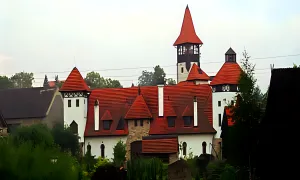
Photos from the area
Real photos taken near the monument


Zdroj a licence jsou uvedeny u každého snímku.
Tips from visitors
No tips yet. Be the first!
Log in and add your tip.
Sources and literature
Photos: Sovicka169 / CC BY-SA 4.0 — Wikimedia Commons. The author and licence also appear when you hover over the image.
Faktickým podkladem tohoto textu byl článek na Wikipedii, jehož autory jsou přispěvatelé Wikipedie. Článek je dostupný pod licencí CC BY-SA 4.0.
Location on the map

Příběhy a pověsti
Legendy, pověsti a příběhy spjaté s touto památkou
Fotografie návštěvníků
Zatím žádné fotografie. Buďte první, kdo přidá fotografii z návštěvy!
Log in a přidejte svou fotografii nebo hodnoťte.
Za ověřenou návštěvu v aplikaci získáte víc bodů — poznáme podle GPS, že jste na místě.
Reviews and comments