






kostel svatého Urbana (Holice) Church
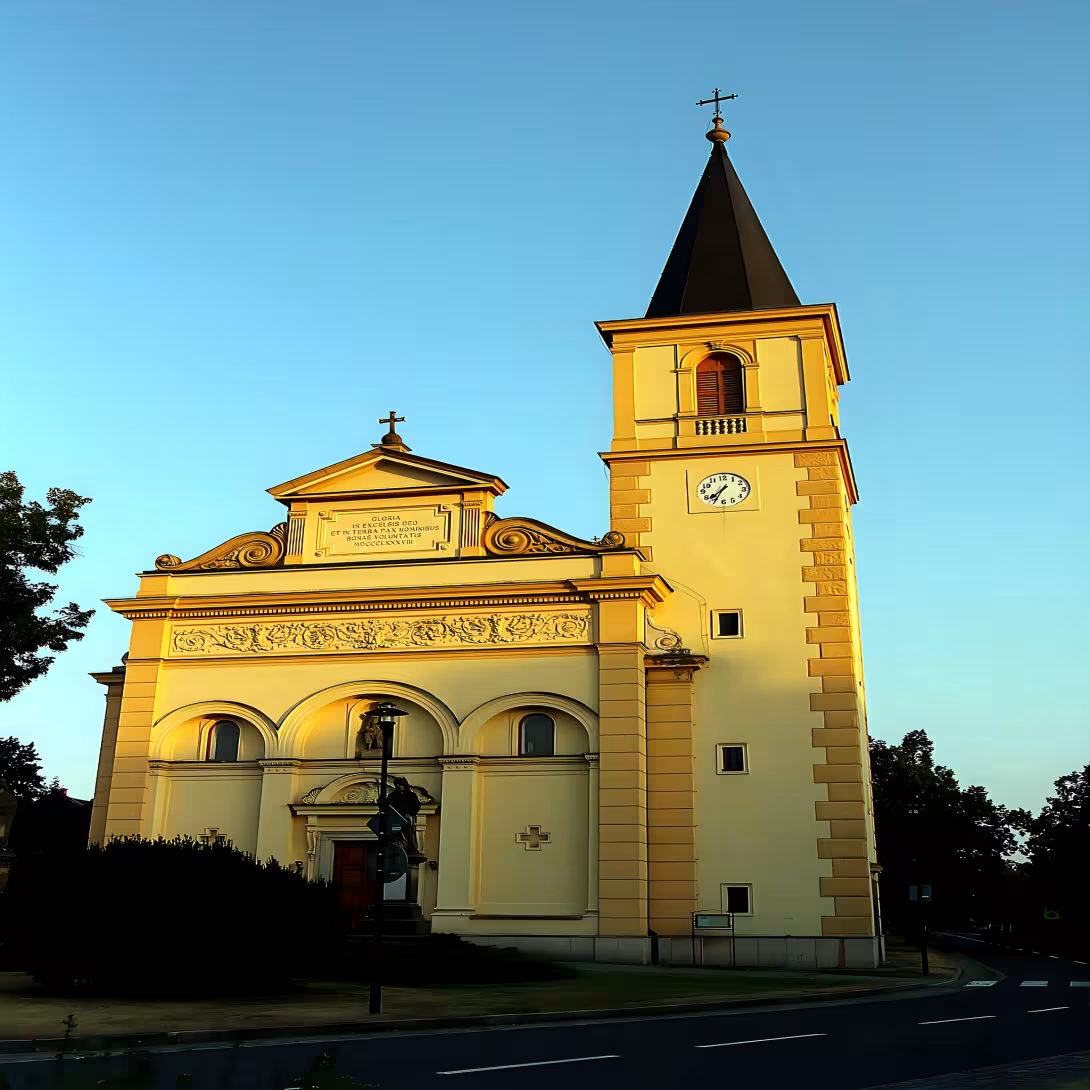
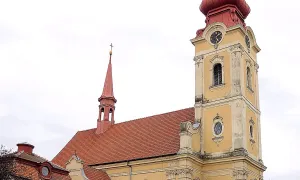
The Church of Saint Urban in Holice is an outstanding example of late 19th-century historicism architecture, located on Náves Svobody within the Olomouc region. Built between 1886 and 1888, it replaced an older chapel from 1610 dedicated to Saint Urban. Its importance lies not only in its architectural style but also as a central hub for religious and cultural activities.
The origins of the Church date back to the early 17th century when the original chapel was constructed in 1610. This structure served the community's spiritual needs until it was replaced by the current church, completed between 1886 and 1888. The decision to build a new church during this period reflects broader cultural and architectural developments within Bohemia as part of the Austro-Hungarian Empire. In the late 19th century, there was renewed interest in historic styles, evident in the Church's design.
Architecturally, the Church embodies historicism principles, reviving elements from various historical periods into contemporary designs. The transition from the original chapel to the new church marked a significant shift towards this architectural trend prevalent in Central Europe during the late 19th century. While specific details about building materials or artistic elements are not documented, the design reflects broader stylistic movements of its time.
The construction and furnishing were made possible through generous donations totaling 62,902 gold coins, with 25,373 coming directly from these contributions. This financial support underscores the community's commitment to creating a new spiritual landmark for religious and cultural purposes.
Throughout its history, the Church has remained an important site for the local community. Its completion in 1888 marked efforts to replace the older chapel with a structure reflecting contemporary architectural tastes and accommodating the growing congregation.
Today, the Church of Saint Urban stands as a testament to Holice's rich cultural heritage. It remains accessible to visitors interested in its historical significance and architectural beauty. The church continues to serve as a central hub for religious activities, making it a worthwhile destination for those wishing to experience Bohemia's vibrant history.
The Church is not only an architectural landmark but also a symbol of the region's enduring cultural and spiritual traditions. Its historical significance and continued relevance make it a must-visit site for anyone exploring Central European heritage. Visitors are invited to experience this remarkable monument, which stands as a testament to the community's dedication to preserving its historical legacy.
Then and now
Drag the slider to compare how the landmark may have looked when it was built with the view today.
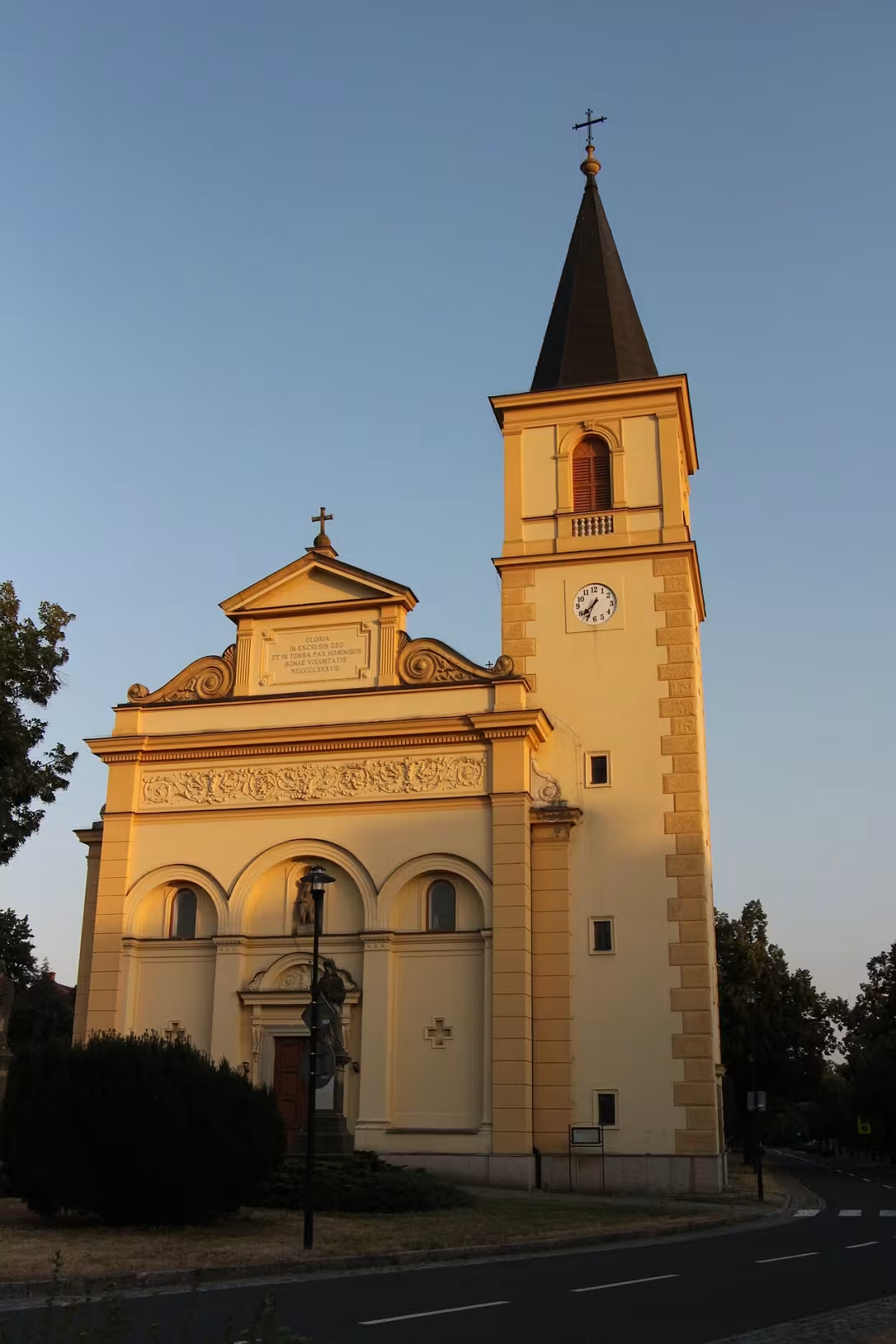

The historical appearance on the left is an AI-generated visualisation and serves as inspiration only.
Historical milestones
- 1610
- Original chapel dedicated to Saint Urban was constructed.
- 1886
- Construction of the new Church of Saint Urban began.
- 1888
- Completion of the Church of Saint Urban, replacing the older chapel.
Architectural development
The Church of Saint Urban underwent significant architectural development when the existing chapel from 1610 was replaced by a new building constructed between 1886 and 1888. This transition marked a shift to historicism, reflecting the architectural trends of the late 19th century.
Historical events
The original chapel dedicated to Saint Urban was built in 1610.
The current church structure was completed between 1886 and 1888.
Points of interest
- The Church of Saint Urban was built during a period when the Austro-Hungarian Empire saw a revival in historic architectural styles, reflecting broader cultural shifts across Bohemia. - Despite its late 19th-century construction, the church replaced an older chapel from 1610 that had served as a spiritual center for Holice's community for nearly two centuries. - The funding for the new church was notably substantial, with donations totaling over 62,902 gold coins, highlighting the local community's dedication to establishing a significant cultural and religious landmark. - While specific artistic details are not documented, the Church of Saint Urban exemplifies historicism by integrating elements from various historical periods into its design, showcasing an architectural trend prevalent in Central Europe at that time. - The church continues to play a crucial role as a central hub for both religious activities and cultural heritage, maintaining its importance within the local community while also attracting visitors interested in Bohemia's rich history.
Guide
This guide is narrated by a synthetic voice generated by artificial intelligence.
Show guide text
This text was created by artificial intelligence and has not been editorially reviewed. It may contain inaccuracies.
Welcome to the Church of Saint Urban in Holice, a remarkable testament to the architectural style of late 19th-century historicism. As you stand here, take a moment to absorb the serene presence of this spiritual landmark, which has been an integral part of the community since its completion in 1888.
The story of this church begins with an older chapel dedicated to Saint Urban, constructed in 1610. This humble structure served the local faithful for nearly two centuries before giving way to a new era. Between 1886 and 1888, the Church of Saint Urban was built, funded by generous donations totaling 62,902 gold coins—a testament to the community's dedication and faith.
As you gaze at the church, notice how it reflects the broader cultural shifts across Bohemia during the Austro-Hungarian Empire. The architectural style is a revival of historicism, echoing past eras while embracing the spirit of its time. While specific details about the architects remain unknown, their work stands as a harmonious blend of tradition and innovation.
Now, let’s delve into some intriguing aspects of this church. Despite being constructed in the late 19th century, it replaced an older chapel that had served the community since 1610—a fascinating narrative of continuity and renewal. This transition marks not just architectural evolution but also the enduring spiritual significance of the site.
As you continue to explore, consider the countless stories and lives intertwined with this place over the centuries. Though specific historical figures connected to its creation remain unidentified, the church undoubtedly played a central role in religious and cultural activities within the region.
Before we conclude your visit here, let me share an interesting tidbit: the church’s construction during a period of historic revival reflects not just architectural trends but also the dynamic cultural shifts across Bohemia. This makes it more than just a building; it is a living chronicle of history.
Thank you for joining us on this journey through time and architecture. We invite you to continue exploring Holice, where every corner holds stories waiting to be discovered. Farewell, and may your explorations bring you closer to the rich tapestry of our shared heritage.
Frequently asked questions
Can the monument be visited?
Religious buildings are usually open mainly during services; at other times a visit is normally arranged with the parish or the operator. We have not verified specific times.
Where is the monument?
Location: Holice, Olomoucký kraj. The map on this page shows the exact spot.
Businesses nearby
Do you run a restaurant, accommodation, shop, museum, rental, wellness or other visitor service near this monument? Show yourself directly to the people heading to it — this is how they will see you in the app and on the web:
Events nearby

Zdroj akcí: otevřená data měst a obcí ČR (Národní katalog otevřených dat) a kalendář akcí Národního památkového ústavu.
Nearby
The Church of Saint Urban is located on Náves Svobody in Holice, a part of Olomouc. The surrounding area includes typical Central European landscapes and possibly other historical sites within a 5 km radius.
Accommodation nearby
Trips and activities nearby
Guided tours, tickets and activities nearby from GetYourGuide
Affiliate link: if you buy from the partner, we may receive a commission. The price for you does not change.
Search tours and activities →Themed route
Thematic Walking Tour: Holice and the Church of Saint Urban
1. Church of Saint Urban (Holice)
Type: Historical Landmark
Why Visit: The Church of Saint Urban stands as a testament to the rich architectural heritage of Central Europe, with its distinctive Baroque style that captures the essence of 18th-century ecclesiastical design. As you explore this sacred site, take in the intricate details and serene atmosphere that have drawn visitors for centuries.
2. Náves Svobody Square
Type: Historical Plaza
Why Visit: Located just a stone's throw from the Church of Saint Urban, Náves Svobody is a charming square that offers a glimpse into the communal life of Holice. The area serves as a perfect spot to relax and reflect on the historical significance of the church while enjoying the quaint surroundings typical of Central European towns.
3. Local Historical Sites within 5 km Radius
Type: Cultural Landmarks
Why Visit: Within a short walking distance from the Church of Saint Urban, explore other historical sites that enrich the cultural tapestry of Holice. These locations provide additional context to the area's history and offer an opportunity to delve deeper into the local heritage that has shaped this part of Olomouc.
This tour is designed to immerse visitors in the historical and architectural beauty of Holice, with each stop offering unique insights into the region’s past and present.
Seasonal recommendations
Spring: Visiting the Church of Saint Urban during spring offers a unique experience as nature awakens around Holice, with blooming flowers and fresh greenery creating a picturesque backdrop for your visit. The gentle sunlight filtering through budding trees enhances the serene atmosphere inside the church, making it an ideal time to appreciate its architectural details. As the weather is generally mild but can be unpredictable, wearing layers is advisable so you can adjust comfortably throughout your exploration. Early mornings tend to have fewer visitors, allowing for a more tranquil experience as you wander around this historical site.
Summer: The summer months bring vibrant life and warmth to Holice, making it an excellent time to visit the Church of Saint Urban when daylight hours are long and inviting. The lush greenery surrounding the church provides a stunning natural setting, perfect for capturing memorable photos. However, with the peak tourist season in full swing, arriving early is recommended to avoid larger crowds. Comfortable walking shoes and light clothing are essential due to the warmer temperatures, ensuring you can enjoy your visit without discomfort.
Autumn: Autumn transforms Holice into a tapestry of warm colors as leaves turn shades of red, orange, and gold, offering a stunning visual contrast against the historic architecture of the Church of Saint Urban. The cooler weather makes for pleasant walking conditions, ideal for exploring both the church and its surroundings at a leisurely pace. As the days shorten, planning your visit to take advantage of the golden hour light can enhance the beauty of this season. Wearing layers is advisable as temperatures can vary significantly throughout the day.
Winter: Winter cloaks Holice in a serene blanket of snow, creating a magical atmosphere around the Church of Saint Urban that feels like stepping into a postcard. The stark contrast between the white landscape and the church's historic facade offers a unique visual experience, while the shorter days mean fewer visitors, allowing for a more intimate exploration. Due to colder temperatures and potential icy conditions, dressing warmly in layers is crucial, along with wearing sturdy footwear to navigate any slippery paths safely. Visiting during daylight hours maximizes your time at this enchanting winter destination.
Visualizations and artistic views


The visualisations are generated by artificial intelligence and serve as inspiration.
Photos from the area
Real photos taken near the monument


Zdroj a licence jsou uvedeny u každého snímku.
Tips from visitors
No tips yet. Be the first!
Log in and add your tip.
Sources and literature
Photos: Magdalena Čížková / CC BY-SA 3.0, rozlišení zvýšeno umělou inteligencí — Wikimedia Commons. The author and licence also appear when you hover over the image.
Faktickým podkladem tohoto textu byl článek na Wikipedii, jehož autory jsou přispěvatelé Wikipedie. Článek je dostupný pod licencí CC BY-SA 4.0.
Location on the map

Příběhy a pověsti
Legendy, pověsti a příběhy spjaté s touto památkou
Fotografie návštěvníků
Zatím žádné fotografie. Buďte první, kdo přidá fotografii z návštěvy!
Log in a přidejte svou fotografii nebo hodnoťte.
Za ověřenou návštěvu v aplikaci získáte víc bodů — poznáme podle GPS, že jste na místě.
Reviews and comments