






Kostel svatého Urbana (Rybáře) Church
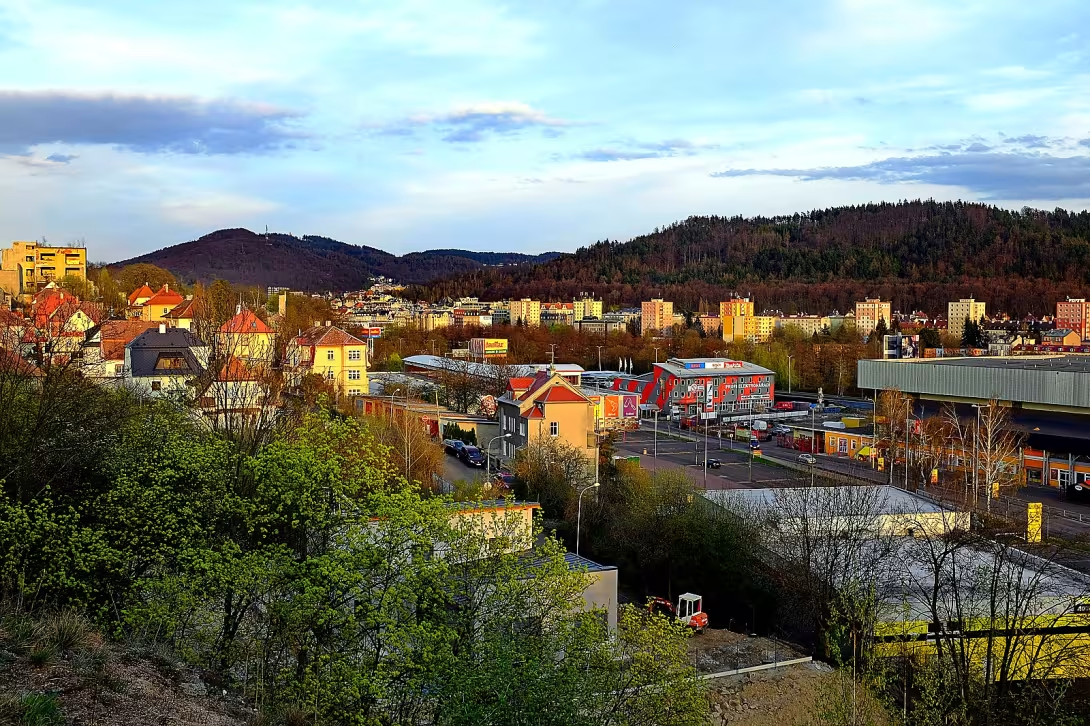
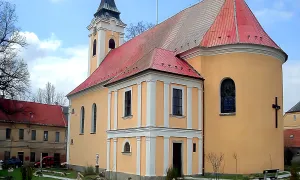
The Church of Saint Urban in Rybáře stands as the oldest preserved ecclesiastical building within Karlovy Vary. Notable for its late Gothic architecture and cultural significance, it was constructed after 1500 on a site that once housed an earlier church possibly dating back to the 10th century. This monument incorporates elements from its predecessor into its design. Its prominence was solidified in 1711 when Saint Urban was declared the patron saint of Karlovy Vary's springs.
Reflecting a period of architectural evolution during the late Gothic era in Bohemia, this epoch coincided with significant religious and cultural shifts across Europe, including the Protestant Reformation that began in 1517. Although specific details about its initial construction are sparse, it is known that the church was built on the site of an older structure, integrating some elements from this earlier building into the new design. This practice highlights a common medieval approach to utilizing existing materials and foundations.
Architecturally, the Church of Saint Urban underwent several transformations over the centuries. Initially constructed in the late Gothic style, it later saw modifications in the Empire style during the early 19th century. A significant renovation followed damage from a storm in 1820, with further comprehensive restoration occurring in 1879. The church features a polygonal chancel separated by a triumphal arch from the nave, which is almost square-shaped and flanked by two niches. An archaeological survey conducted in 1982 revealed that some Romanesque elements were incorporated into its structure, indicating an even older architectural influence.
Throughout its history, the Church of Saint Urban has experienced various phases of significance and transformation. In the early 20th century, plans for its demolition emerged after a new Church of the Exaltation of the Holy Cross was constructed in Rybáře. However, between 1938 and 1939, it was repurposed as a memorial to World War I victims. Following World War II, it served as a German National Liberation Memorial until 1948 when it became a Red Army Memorial. During its reconstruction starting in 2009, no remnants of these memorials were found.
The church's interior once housed notable artworks, including a Gothic wooden statue of Saint Urban from around 1500 and a Baroque wooden sculpture depicting the Rosary. These pieces contributed to the artistic heritage of the building before they disappeared during years of neglect following its conversion into various memorials.
Today, the Church of Saint Urban is undergoing restoration efforts led by the Association for the Rescue of the Church of St. Urban in Karlovy Vary, initiated in 2009. Although it has suffered from deterioration over time, these efforts aim to preserve and restore this historical monument. Visitors can appreciate its architectural evolution and cultural significance as a testament to the region's rich history.
The Church of Saint Urban offers a unique glimpse into the past, reflecting both religious devotion and historical transformations. Its restoration not only preserves an important piece of heritage but also invites visitors to explore the layers of history embedded within its walls. This monument is worth visiting for those interested in ecclesiastical architecture, cultural history, and the enduring legacy of Karlovy Vary's spiritual traditions.
Then and now
Drag the slider to compare how the landmark may have looked when it was built with the view today.
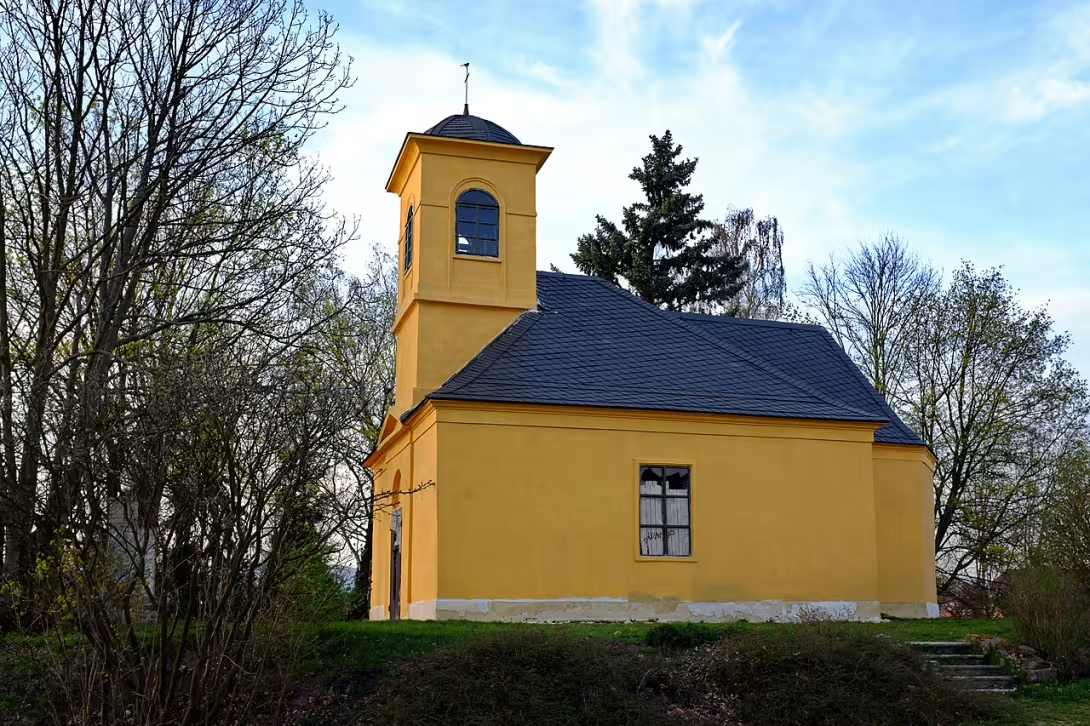
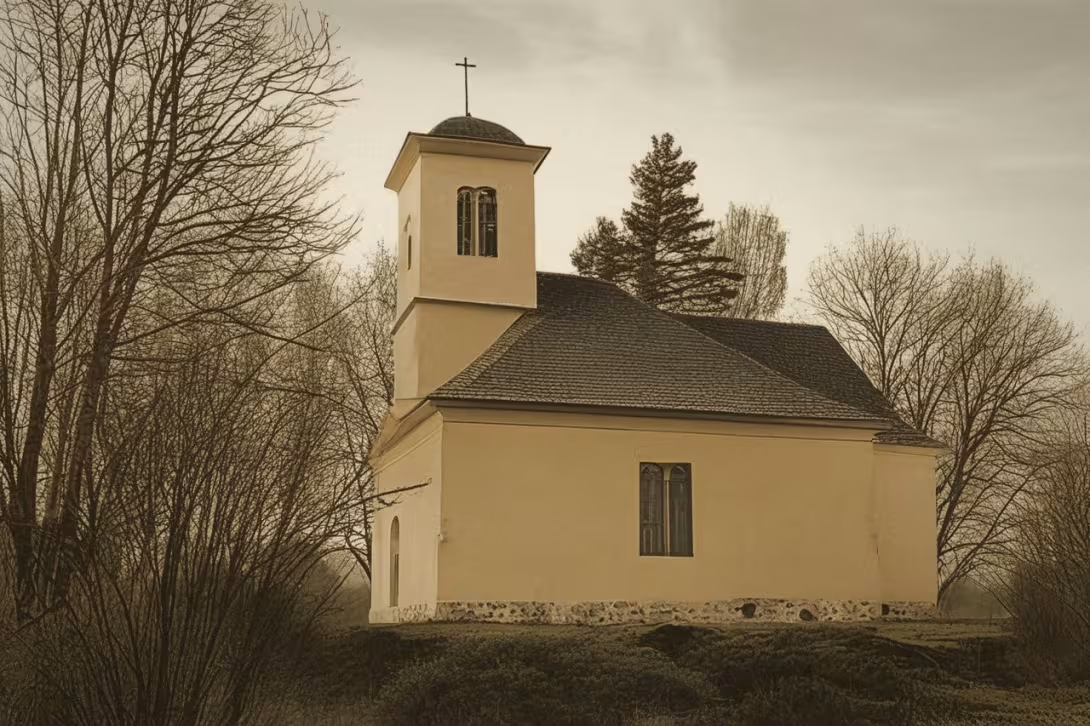
The historical appearance on the left is an AI-generated visualisation and serves as inspiration only.
Historical milestones
- kolem 1500
- Kostel svatého Urbana postaven na místě staršího kostela.
- 1517
- Protestantská reformace začíná v Evropě, ovlivňující náboženské a kulturní změny.
- 1711
- Svatý Urban deklarován patronem pramenů Karlovy Vary.
- 1820
- Kostel poškozen bouří, následovala oprava.
- 1879
- Komplexní rekonstrukce kostela provedena.
- 1982
- Archeologická vykopávka odhalila románské prvky v struktuře.
Architectural development
The church underwent several architectural changes over the centuries. In the early 19th century, it was modified in Empire style, and significant renovations occurred after damage from a storm in 1820. The polygonal chancel is separated from the nave by a triumphal arch, with two niches on either side. A historical survey in 1982 revealed that some Romanesque elements were incorporated into its structure.
Historical events
In the early 20th century, plans for demolition arose after a new Church of the Exaltation of the Holy Cross was built in Rybáře. However, between 1938 and 1939, it was transformed into a memorial for World War I victims.
After World War II, it served as a German National Liberation Memorial until 1948 when it became a Red Army Memorial.
Points of interest
- The Church of Saint Urban may have been built on a site that once hosted an earlier church dating back to the 10th century, suggesting its historical significance extends far beyond its current form.
- Despite being declared the patron saint of Karlovy Vary's springs in 1711, Saint Urban himself is not widely known outside this specific context, adding a layer of local intrigue to his veneration.
Guide
This guide is narrated by a synthetic voice generated by artificial intelligence.
Show guide text
This text was created by artificial intelligence and has not been editorially reviewed. It may contain inaccuracies.
Welcome to the Church of Saint Urban in Rybáře, a gem nestled within the Karlovarský kraj region. As you stand here, take a moment to absorb the serene presence of this historical edifice. The church's façade whispers tales from centuries past, inviting you into its storied embrace.
Constructed after 1500, the Church of Saint Urban is a testament to late Gothic architecture and stands as the oldest preserved ecclesiastical building on the territory of Karlovy Vary. Its origins are deeply rooted in history; it was built upon the site of an earlier church that possibly dates back to the 10th century. This continuity of sacred space lends the structure an aura of enduring sanctity.
As we delve into its creation, imagine the late Gothic period when this church rose from its foundations. The design incorporated elements from its predecessor, blending old and new in a harmonious architectural symphony. Although the architects remain unknown, their vision has withstood the test of time, allowing us to witness this remarkable fusion today.
Look around you—notice how the structure seamlessly melds historical influences into its form. While specific details might be elusive, the church's presence speaks volumes through its enduring walls and thoughtful design elements that have been preserved over centuries.
The Church of Saint Urban holds a special place in history beyond its architectural significance. In 1711, it was declared the patron saint of Karlovy Vary’s springs, intertwining its legacy with the region’s renowned spa culture. This connection highlights not only its religious importance but also its role in shaping local traditions and community life.
Throughout its existence, Saint Urban has witnessed pivotal moments that have shaped its narrative. In 1820, a storm damaged the church, prompting necessary repairs to preserve its integrity. Fast forward to 1879, when a comprehensive reconstruction ensured its continued prominence as a cultural monument. Each chapter of its history adds layers to its rich tapestry.
Now, let's touch upon an intriguing mystery that surrounds this site. The possibility that the Church of Saint Urban was built on grounds once occupied by a church from the 10th century invites curiosity and wonder. This historical depth enhances its allure, suggesting stories yet untold beneath its hallowed ground.
As you continue to explore, consider the layers of history encapsulated within these walls. Each stone holds echoes of prayers, celebrations, and moments that have unfolded over centuries. The church's resilience through time is a testament to its significance in both spiritual and cultural contexts.
Thank you for joining this journey through the Church of Saint Urban. We invite you to further explore its surroundings, where history and nature intertwine beautifully. May your visit here be filled with inspiration and reflection as you continue to uncover the stories that Rybáře has to offer. Safe travels on your path of discovery!
Businesses nearby
Do you run a restaurant, accommodation, shop, museum, rental, wellness or other visitor service near this monument? Show yourself directly to the people heading to it — this is how they will see you in the app and on the web:
Accommodation nearby
Trips and activities nearby
Guided tours, tickets and activities nearby from GetYourGuide
Affiliate link: if you buy from the partner, we may receive a commission. The price for you does not change.
Search tours and activities →Themed route
Tematická výletní trasa: Kostel svatého Urbana (Rybáře)
1. Kostel svatého Urbana (Rybáře) - Typ: Náboženská památka - Proč stojí za návštěvu: Tento barokní kostel, postavený v 18. století, je nejvýraznějším architektonickým dílem obce Rybáře. Jeho bohaté interiér a historie přitahují návštěvníky z celého regionu. Kromě kostela si můžete prohlédnout i okolní nádvoří, kde se nachází nádherný barokní oltář.
2. Památník válečných obětí - Typ: Památník - Proč stojí za návštěvu: Nacházející se blízko kostela, tento památník je věnován obětem válek. Je to místo pro zamyšlení a uctění těch, kteří padli ve službách své země. Jeho umístění blízko kostela podtrhuje historickou a kulturní hodnotu oblasti.
3. Mikulášský rybník - Typ: Rybník - Proč stojí za návštěvu: Tento malý rybník je ideálním místem pro relaxaci a krátkou procházku. Jeho klidné vody a okolní zelené prostředí nabízejí únik do přírody, což je perfektní doplněk k historickým atrakcím obce.
4. Stará školka - Typ: Historický objekt - Proč stojí za návštěvu: Tato budova, která kdysi sloužila jako škola, je připomínkou minulého života obce. Její historie a architektura odrážejí změny v společnosti a poskytují vhled do dnešních tradic Rybáře.
Tato trasa nabízí kombinaci kulturního, historického a přírodního zážitku, který je perfektně propojen s hlavním cílem – Kostelem svatého Urbana.
Seasonal recommendations
Spring: Visiting the Church of Saint Urban (Rybáře) during spring offers a unique experience as nature begins to awaken around this historic site. The surrounding landscape is adorned with blooming flowers and lush greenery, creating a picturesque backdrop for your visit. The mild weather allows for comfortable exploration, though it's wise to dress in layers due to the occasional cool breeze. Spring can be an ideal time to avoid large crowds, as many tourists prefer summer visits; however, do check opening hours as they may vary during this transitional season.
Summer: Summer at the Church of Saint Urban is characterized by its vibrant atmosphere and longer daylight hours, making it perfect for capturing stunning photographs with natural lighting. The area around Rybáře comes alive with lush greenery and blooming flora, offering a serene environment despite the increased number of visitors during this peak tourist season. To make the most of your visit, consider arriving early to avoid crowds and ensure you have ample time to explore the church's details without feeling rushed. Light, breathable clothing is recommended for comfort in the warmer temperatures.
Autumn: The autumn months bring a stunning transformation to the Church of Saint Urban as the surrounding landscape shifts into a palette of warm colors with leaves turning shades of red, orange, and gold. This season offers a quieter visit compared to summer, allowing you to appreciate the church's architecture against the backdrop of fall foliage. While the weather can be unpredictable, layering your clothing will help adapt to cooler temperatures and potential rain showers. The serene atmosphere makes it an excellent time for photography enthusiasts looking to capture the historic site in its autumnal splendor.
Winter: Winter at the Church of Saint Urban provides a unique charm with snow-covered grounds and a quiet, reflective ambiance that contrasts sharply with busier seasons. The shorter days mean visiting earlier is advisable to make the most of natural light before dusk. Visitors should dress warmly, as temperatures can be quite low, and check in advance for any changes in opening hours due to weather conditions. Despite its tranquil setting, the church's historic architecture stands out beautifully against the stark winter landscape, offering a peaceful retreat during the colder months.
Visualizations and artistic views


The visualisations are generated by artificial intelligence and serve as inspiration.
Photos from the area
Real photos taken near the monument


Zdroj a licence jsou uvedeny u každého snímku.
Atmosphere of the place
This atmospheric visualisation of the place and period was generated by artificial intelligence. It is not real footage of the location.
Tips from visitors
No tips yet. Be the first!
Log in and add your tip.
Sources and literature
Fotografie: Lubor Ferenc / CC BY-SA 4.0 — Wikimedia Commons. The author and licence also appear when you hover over the image.
Faktickým podkladem tohoto textu byl článek na Wikipedii, jehož autory jsou přispěvatelé Wikipedie. Článek je dostupný pod licencí CC BY-SA 4.0.
Location on the map
Příběhy a pověsti
Legendy, pověsti a příběhy spjaté s touto památkou
Příběh: Kostel svatého Urbana (Rybáře)
Bylo to v pondělí ráno, kdy Matyáš objevil zázrak — nebo jenom snad? Okna kostela svatého Urbana šlehl stín a chladní vzduch unesl tichý zvuk kročejů před je…
Číst příběh
Pověst: Kostel svatého Urbana (Rybáře)
Staří rybářští obyvatelé vyprávějí, že dlouho před tím, než někdo v Čechách vyslovil jméno Karlovy Vary, stávala na mírném svahu nad řekou Ohří jednoduchá dř…
Číst příběhFotografie návštěvníků
Zatím žádné fotografie. Buďte první, kdo přidá fotografii z návštěvy!
Přihlaste se a přidejte svou fotografii nebo hodnoťte.
Za ověřenou návštěvu v aplikaci získáte víc bodů — poznáme podle GPS, že jste na místě.
Reviews and comments