






Kostel svatého Václava (Dlažkovice) Church
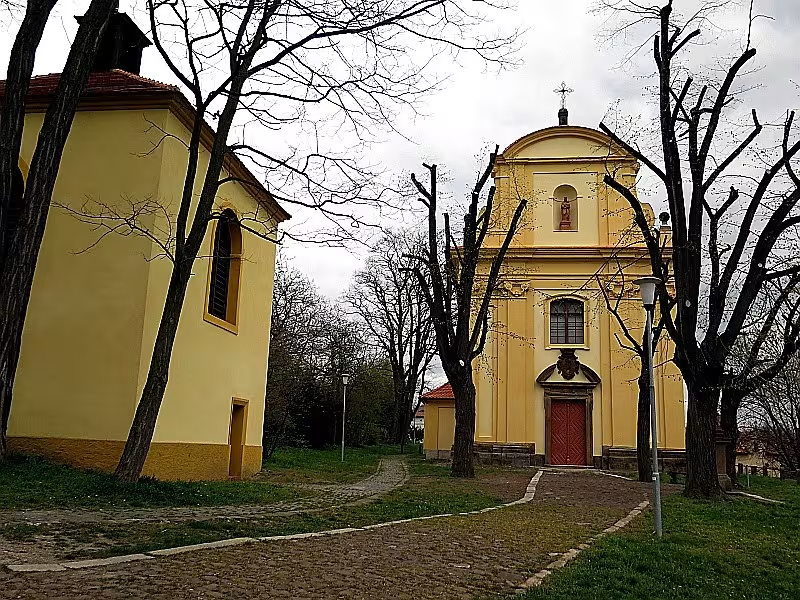
The Church of Saint Wenceslas in Dlažkovice is an early Baroque structure designed by architect Giulio Broggia between 1672 and 1675. Situated in the village of Dlažkovice, Ústecký kraj, it stands as a cultural monument of the Czech Republic. It replaced an earlier Gothic church on the same site, marking a significant architectural transition.
Construction was completed under Giulio Broggia's direction in the late 17th century, during Bohemia's time within the Habsburg Monarchy. Baroque cultural influences were prominent, with the Catholic Church commissioning grand structures like this one to reflect the era's artistic and architectural flourishing.
Architecturally, it is a single-nave rectangular building with a square presbytery. It features two side annexes: a sacristy and a chapel. The design includes pilasters and segmental windows, while the western facade is adorned with terracotta sculptures. Restoration efforts in 2013 addressed issues with the façade and roof. However, structural problems persisted into 2022, leading to further stabilization work by 2023.
The interior houses several notable artworks and architectural elements. The main altar dates back to the late 17th century and features an original painting depicting the Meeting of Saint Wenceslas with Radslav. Two side altars from the 19th century display overpainted works by J. Štětina from 1783, featuring themes such as the Adoration of the Three Kings and Immaculata. Rococo paintings of saints like Saint Barbara, Vincent Ferrer, and Norbert are also present. A significant early Baroque painting within the church is "The Most Holy Trinity with Donors" from 1679, which includes a chronogram.
An ancient reconciliation stone embedded in the parapet wall adds historical intrigue, though its date remains unknown. The church houses a late Gothic bell from 1498, notable for its Czech inscriptions and two reliefs depicting Saint John Evangelist with a chalice and another saint with a cross. This bell is among the oldest in the region.
Adjacent to the church stands a robust Baroque belfry featuring an oblong entrance and large semi-circular windows. In front of the church, terracotta statues of Saint John Nepomucene and Saint Barbara reflect the area's mining history. The nearby late Baroque parsonage from 1793 adds to the historical landscape with its single-story rectangular design.
Despite recent structural challenges, the Church of Saint Wenceslas remains a significant cultural site worth visiting. Its rich architectural features and historical artifacts offer insights into the Baroque period's artistic achievements. Visitors are invited to explore this monument, appreciating its historical value and enduring legacy within the Czech Republic.
Then and now
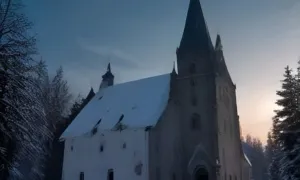
Drag the slider to compare how the landmark may have looked when it was built with the view today.
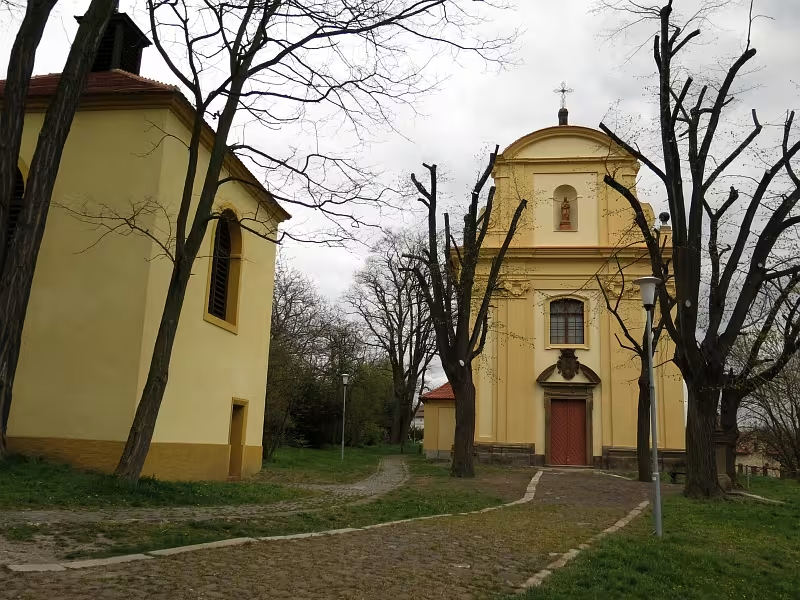
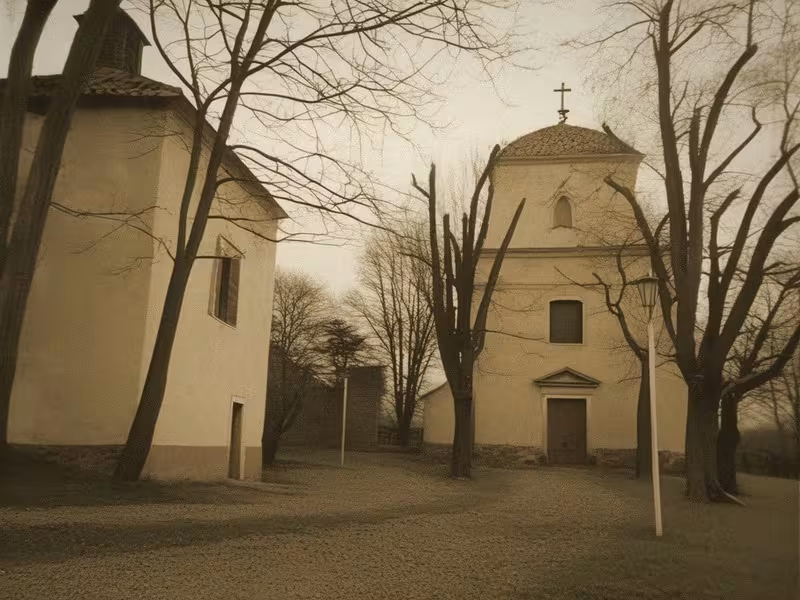
The historical appearance on the left is an AI-generated visualisation and serves as inspiration only.
Historical milestones
- 1498
- Vznik gotické zvony na kostele.
- 1672
- Začátek stavby barokního kostela pod vedením Giulia Broggie.
- 1675
- Dokončení stavby barokního kostela.
- 1679
- Vznik obrazu 'Nejsvětější Trojice s dárci'.
- 1793
- Postavení pozdně barokního fara.
- 2013
- Obnova fasády a střechy kostela.
Architectural development
The Church of Saint Wenceslas showcases early Baroque architecture characterized by its single-nave design and rectangular presbytery. The church underwent restoration in 2013, addressing façade and roofing issues. Despite these efforts, structural problems persisted into 2022, necessitating further stabilization work by 2023.
Historical events
Construction of the church was completed between 1672 and 1675 by architect Giulio Broggia.
In 2013, the church's façade and roof underwent restoration.
As of February 2022, the church was reported to be in a state of disrepair with structural issues.
By 2023, measures were taken to secure the building's structure.
Points of interest
- The Church of Saint Wenceslas features an ancient reconciliation stone embedded in the parapet wall, adding a layer of mystery as its date remains unknown. This element suggests historical significance and possibly unresolved past conflicts.
- An early Baroque painting titled "The Most Holy Trinity with Donors" from 1679 includes a chronogram—a coded inscription that reveals a specific date when deciphered—adding an intriguing puzzle for art historians to solve.
- The church houses a late Gothic bell dating back to 1498, notable not only for its age but also for its Czech inscriptions and reliefs depicting Saint John Evangelist with a chalice and another saint with a cross. This makes it one of the oldest bells in the region, offering insights into medieval craftsmanship.
- The terracotta statues of Saint John Nepomucene and Saint Barbara located in front of the church reflect Dlažkovice's mining history, suggesting that these saints were venerated for their protective roles over miners and those facing unjust persecution.
- Despite its Baroque origins, the Church of Saint Wenceslas underwent restoration efforts as recently as 2013 to address façade and roof issues, with further stabilization work continuing into 2023. This ongoing maintenance highlights both the challenges of preserving historical structures and the commitment to maintaining cultural heritage.
Guide
This guide is narrated by a synthetic voice generated by artificial intelligence.
Show guide text
This text was created by artificial intelligence and has not been editorially reviewed. It may contain inaccuracies.
Welcome to the Church of Saint Wenceslas in Dlažkovice, a remarkable testament to early Baroque architecture nestled in the heart of Ústecký kraj. As you stand before this historical gem, take a moment to absorb its grandeur and imagine the centuries it has witnessed.
The journey of this church begins with an earlier Gothic structure that once stood here, marked by the creation of a bell in 1498. However, the current façade was envisioned by Giulio Broggia, who embarked on constructing this Baroque masterpiece between 1672 and 1675. The decision to replace the old with something new was driven by both aesthetic aspirations and perhaps a desire for renewal during that era.
As you look around, notice the church's elegant single-nave rectangular layout leading into a square presbytery. Flanking it are two side annexes: a sacristy and a chapel. The architectural details are exquisite; observe how the pilasters add rhythm to the structure while segmental windows invite light to dance across the interior spaces. These elements collectively create an atmosphere of serene beauty.
The Church of Saint Wenceslas is not just about its architecture but also the stories it holds. In 1679, a significant addition was made with the creation of 'Nejsvětější Trojice s dárci', a painting that adds to the church's spiritual and artistic heritage. Later, in 1793, a late Baroque parsonage was constructed nearby, further enriching the historical landscape.
One intriguing mystery lies within an ancient reconciliation stone embedded in the parapet wall. Its origins are unknown, adding a layer of intrigue and suggesting unresolved past conflicts or reconciliations that took place here.
As you continue to explore this historic site, let your curiosity guide you through its many layers. Each corner holds a story waiting to be discovered, from architectural marvels to whispered histories. We invite you to delve deeper into the Church of Saint Wenceslas, where history and art converge in a symphony of stone and spirit.
Thank you for joining us on this journey through time. May your visit inspire further exploration and appreciation of Dlažkovice's rich heritage.
Tips for visitors
The best time to visit the Church of Saint Wenceslas in Dlažkovice is during late spring or early autumn when the weather is pleasant, allowing for a comfortable exploration of both the church and its surroundings. These seasons offer optimal lighting conditions for photography, with softer light enhancing the architectural details of this early Baroque structure. Additionally, visiting outside peak tourist season ensures a more tranquil experience, enabling visitors to appreciate the serene beauty of the site without large crowds.
Visitors planning their trip can look up current routes and schedules online or inquire at local tourist information centers upon arrival. This flexibility makes it convenient for visitors from various locations to explore this historical site.
When visiting the Church of Saint Wenceslas, it's advisable to bring comfortable walking shoes as you may wish to explore the surrounding area, including the Baroque belfry and nearby statues of Saints John Nepomucene and Barbara. A camera is also recommended to capture the architectural beauty and serene atmosphere of the church and its environs. Additionally, carrying a light jacket or sweater can be useful, especially if visiting during cooler months.
For photography enthusiasts, the best spots around the Church of Saint Wenceslas include the front where the Baroque belfry is located, offering a unique perspective against the backdrop of the church. The large, semi-circular windows and robust structure provide excellent opportunities for capturing light and shadow plays during different times of the day. Early morning or late afternoon hours are particularly recommended for softer lighting conditions.
Nearby attractions within a 30-minute drive include other historical sites that reflect the region's rich cultural heritage. While specific names aren't mentioned, visitors can explore local museums or nature trails to further enrich their experience in Ústecký kraj. These excursions offer additional insights into the area's history and natural beauty, making for a well-rounded visit.
Families with children will find the Church of Saint Wenceslas and its surroundings an educational and enjoyable outing. The robust Baroque belfry and terracotta statues provide visual interest that can engage younger visitors, while the historical significance of the site offers learning opportunities about local history and architecture. Exploring nearby nature trails or parks could also offer a fun and relaxing complement to the cultural visit.
Frequently asked questions
Can the monument be visited?
Religious buildings are usually open mainly during services; at other times a visit is normally arranged with the parish or the operator. We have not verified specific times. According to the heritage register the structure is in poor condition – do not enter it and take care nearby.
Where is the monument?
Location: Dlažkovice, Ústecký kraj. The map on this page shows the exact spot.
Why is the monument protected?
It is listed in the Central List of Cultural Monuments of the Czech Republic as a cultural monument (register no. 35324/5-1988).
Businesses nearby
Do you run a restaurant, accommodation, shop, museum, rental, wellness or other visitor service near this monument? Show yourself directly to the people heading to it — this is how they will see you in the app and on the web:
Events nearby

Zdroj akcí: otevřená data měst a obcí ČR (Národní katalog otevřených dat) a kalendář akcí Národního památkového ústavu.
Nearby
In front of the church stands a robust Baroque belfry featuring an oblong entrance and large, semi-circular windows. Nearby is a terracotta statue of Saint John Nepomucene, and another statue of Saint Barbara, reflecting the region's mining history.
Accommodation nearby
Trips and activities nearby
Guided tours, tickets and activities nearby from GetYourGuide
Affiliate link: if you buy from the partner, we may receive a commission. The price for you does not change.
Search tours and activities →Themed route
Thematic Walking Tour: Dlažkovice and Its Historical Treasures
1. Kostel svatého Václava (Dlažkovice) - Type: Church - Why Visit: Begin your journey at the heart of Dlažkovice with the historic Church of Saint Wenceslas, a prominent Baroque structure that showcases exquisite architectural details. Its robust belfry, featuring an oblong entrance and large semi-circular windows, offers panoramic views of the surrounding landscape.
2. Baroque Belfry - Type: Architectural Feature - Why Visit: Stand in front of the church to admire its Baroque belfry, a testament to the region's architectural heritage. The belfry’s design not only enhances the church’s grandeur but also serves as an excellent spot for photography and reflection on the area's historical significance.
3. Terracotta Statue of Saint John Nepomucene - Type: Sculpture - Why Visit: A short walk from the church, this terracotta statue captures the essence of religious artistry in Dlažkovice. Saint John Nepomucene is revered for his martyrdom and dedication to protecting confessional secrecy, making this statue a poignant reminder of faith and resilience.
4. Statue of Saint Barbara - Type: Sculpture - Why Visit: Nearby the statue of Saint John Nepomucene stands another significant sculpture dedicated to Saint Barbara. Known as the patron saint of miners, her presence reflects Dlažkovice’s rich mining history. This statue not only adds cultural depth but also connects visitors with the region's historical roots in mining.
This thematic tour offers a compact yet enriching experience, allowing you to explore the spiritual and historical narratives that define Dlažkovice through its architectural marvels and symbolic sculptures.
Seasonal recommendations
Spring: Visiting the Church of St. Wenceslas in Dlažkovice during spring offers a unique experience as nature comes back to life, enveloping the church in vibrant greens and delicate blossoms. The soft morning light enhances the beauty of this historic site, casting gentle shadows that highlight its architectural details. As vegetation begins to flourish, it's an ideal time for photography enthusiasts seeking natural backdrops. However, be prepared for unpredictable weather; spring showers can occur suddenly, so carrying a waterproof jacket is advisable. This season typically sees fewer visitors than summer, providing a more tranquil atmosphere.
Summer: The Church of St. Wenceslas shines under the bright summer sun, with long daylight hours offering ample time to explore its surroundings. The lush greenery and blooming flowers create an idyllic setting for leisurely strolls or picnics in nearby areas. Summer is also a peak tourist season, so expect larger crowds, particularly on weekends. Arriving early can help avoid the midday heat and ensure a more peaceful visit. Comfortable walking shoes and light clothing are recommended to stay cool during your exploration.
Autumn: Autumn transforms the Church of St. Wenceslas into a picturesque scene with its rich tapestry of reds, oranges, and yellows. The crisp air and golden sunlight create an enchanting atmosphere perfect for photography or simply enjoying the serene beauty of the season. As leaves fall, they add an extra layer of charm to the church's historic facade. This time is less crowded than summer, allowing for a more relaxed visit. Be sure to dress warmly in layers, as temperatures can drop significantly, and carry an umbrella for unexpected rain showers.
Winter: The Church of St. Wenceslas during winter presents a stark yet beautiful contrast against the snowy landscape. Snow-covered roofs and frost-laden branches create a magical setting that is particularly enchanting at sunrise or sunset when the light softly illuminates the scene. Winter can be challenging due to shorter days and potential closures, so checking opening times in advance is crucial. Visitors should dress warmly with layers, including a hat and gloves, to comfortably enjoy their visit. Despite fewer tourists during this season, it's important to note that some areas might not be accessible if snowfall is heavy.
Visualizations and artistic views


The visualisations are generated by artificial intelligence and serve as inspiration.
Photos from the area
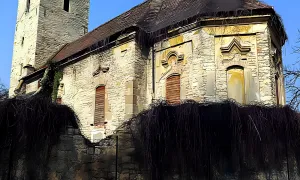
Real photos taken near the monument


Zdroj a licence jsou uvedeny u každého snímku.
Tips from visitors
No tips yet. Be the first!
Log in and add your tip.
Sources and literature
Photos: Sovicka169 / CC BY-SA 4.0 — Wikimedia Commons. The author and licence also appear when you hover over the image.
Faktickým podkladem tohoto textu byl článek na Wikipedii, jehož autory jsou přispěvatelé Wikipedie. Článek je dostupný pod licencí CC BY-SA 4.0.
Location on the map
More monuments – Dlažkovice
Show all in the municipality
Příběhy a pověsti
Legendy, pověsti a příběhy spjaté s touto památkou
Fotografie návštěvníků
Zatím žádné fotografie. Buďte první, kdo přidá fotografii z návštěvy!
Log in a přidejte svou fotografii nebo hodnoťte.
Za ověřenou návštěvu v aplikaci získáte víc bodů — poznáme podle GPS, že jste na místě.
Reviews and comments