






Kostel svatého Václava (Dobřeň) Church
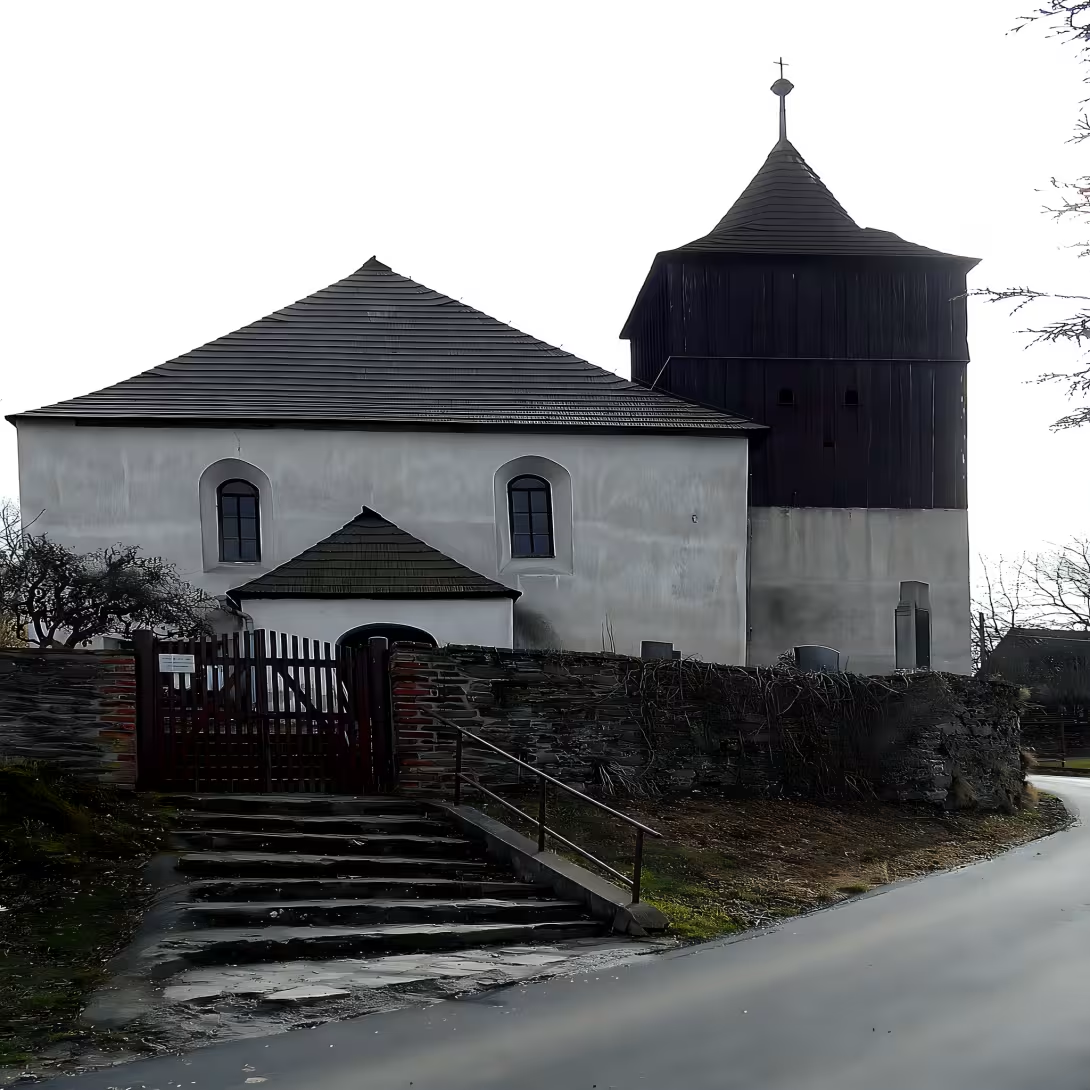
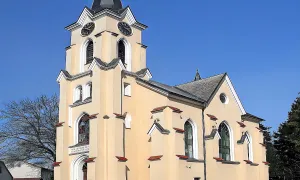
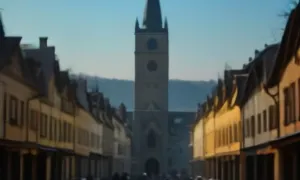
The Church of Saint Wenceslas in Dobřeň stands as a testament to historical architectural evolution. Recognized as a cultural heritage site within the Czech Republic, it is located in the village of Dobřeň, part of the Kutná Hora district in the Central Bohemian Region. Originally constructed in the mid-14th century, its significance lies not only in its age but also in its architectural journey from Gothic to Renaissance styles and beyond.
Built during a period when Bohemia was part of the Holy Roman Empire under the Luxembourg dynasty, this era saw significant developments in Gothic architecture across Europe. This influence is reflected in the church's original design as a parish church. Historical records first mention the church in relation to tithes paid to a local priest, indicating its early role within the community.
Architecturally, the church began as a Gothic structure but underwent notable transformations over the centuries. In the 16th century, it received Renaissance renovations that added new stylistic elements and complexity to its design. A distinctive feature is its prismatic wall, constructed in the 19th century, further enhancing its architectural uniqueness.
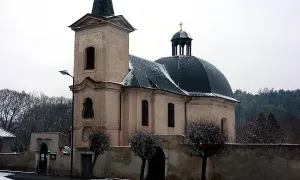
The interior of the Church of Saint Wenceslas is equally rich in detail. It features a division into two main sections: the nave and the presbytery, separated by walls. The church houses several artistic elements including a pulpit, columns, niches, and a panel painting depicting the Crucifixion from the late 16th century. Additionally, its surrounding area includes a bell tower and an enclosing wall connected to the church structure.
Over time, the church has seen various modifications reflecting different architectural influences. The official description notes Renaissance tombstones within the perimeter wall, highlighting the blend of styles that characterize this historical monument. These elements underscore the church's evolution through the 16th and 19th centuries, with each period leaving its mark on the structure.
Today, the Church of Saint Wenceslas remains an accessible site for visitors interested in exploring a piece of Czech history. Its recognition as a cultural heritage site underscores its importance not only to local communities but also to those who appreciate historical architecture. The church's blend of Gothic and Renaissance elements, along with its rich interior details, make it a worthwhile destination for anyone visiting the region.
In conclusion, the Church of Saint Wenceslas in Dobřeň is more than just an architectural relic; it is a living narrative of cultural and artistic evolution. Its historical significance and unique features invite visitors to step back in time and experience the layers of history embedded within its walls. Whether drawn by its architectural beauty or its place in Czech heritage, this church offers a compelling glimpse into the past and remains an enduring symbol of Dobřeň's rich cultural tapestry.
Then and now
Drag the slider to compare how the landmark may have looked when it was built with the view today.
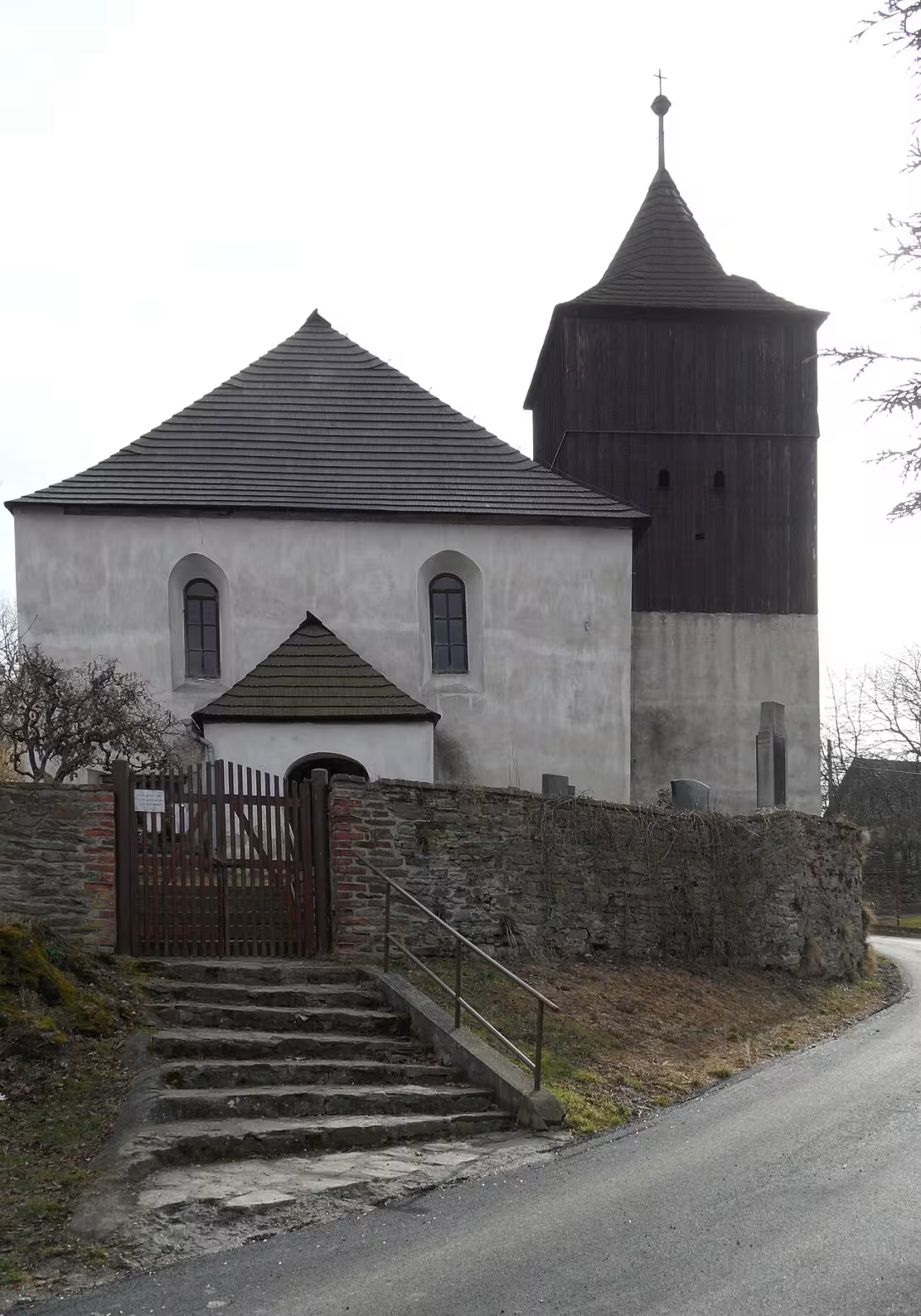

The historical appearance on the left is an AI-generated visualisation and serves as inspiration only.
Historical milestones
- 1400
- The church was built as a Gothic parish church.
- 1600
- Renaissance renovations were carried out on the church.
Architectural development
Constructed as a Gothic parish church in the mid-14th century, it later received Renaissance modifications in the 16th century. A prismatic wall was added in the 19th century, enhancing its architectural complexity.
Historical events
The church was first mentioned in historical records related to tithes paid to a local priest.
In the 16th century, the church underwent Renaissance renovations.
Guide
This guide is narrated by a synthetic voice generated by artificial intelligence.
Show guide text
This text was created by artificial intelligence and has not been editorially reviewed. It may contain inaccuracies.
The Church of Saint Václav in Dobřeni is protected as a cultural monument of the Czech Republic. It was created in the middle of the 14th century as a parish Gothic church.
The first mention of it in written sources is connected with the payment of a tithe to the local priest. In the 16th century, the church underwent a Renaissance renovation, and in the 19th century, a prismatic wall was added to it. This wall is today considered its most significant part.
The interior of the church is divided by a wall into two parts, the nave and the chancel. From the furnishings of the interior, it is worth noting the pulpit, columns and niches. The most valuable piece is a panel painting of the Crucifixion from the end of the 16th century.
Frequently asked questions
Can the monument be visited?
Religious buildings are usually open mainly during services; at other times a visit is normally arranged with the parish or the operator. We have not verified specific times.
Where is the monument?
Location: Dobřeň, Středočeský kraj. The map on this page shows the exact spot.
Why is the monument protected?
It is listed in the Central List of Cultural Monuments of the Czech Republic as a cultural monument (register no. 46500/2-1181).
Businesses nearby
Do you run a restaurant, accommodation, shop, museum, rental, wellness or other visitor service near this monument? Show yourself directly to the people heading to it — this is how they will see you in the app and on the web:
Nearby
Located in Dobřeň within the Kutná Hora district of Central Bohemian Region, the church is surrounded by a small village setting. The area features a bell tower and enclosing wall connected to the church.
Accommodation nearby
Trips and activities nearby
Guided tours, tickets and activities nearby from GetYourGuide
Affiliate link: if you buy from the partner, we may receive a commission. The price for you does not change.
Search tours and activities →Themed route
Tematická výletní trasa: Kostel svatého Václava (Dobřeň)
1. Kostel svatého Václava
- Typ: Náboženská památka
- Proč stojí za návštěvu: Kostel svatého Václava v Dobřeňi je klíčovou sakrální památkou, která přitahuje návštěvníky svým historickým architektonickým stylem a bohatou duchovní tradicí. Je to centrum místního života a kultury.
2. Věž kostela
- Typ: Architektonická struktura
- Proč stojí za návštěvu: Věž, která se nachází v přímé blízkosti kostela, nabízí jedinečný pohled na okolní krajinu. Je to ideální místo pro pochopení historických a architektonických detailů kostela z jiné perspektivy.
3. Ohradní zeď
- Typ: Historická stavba
- Proč stojí za návštěvu: Ohradní zeď, která obklopuje kostel, představuje důležitou součást historického areálu. Její struktura a stavba jsou svědectvím minulých dob a dodávají celkový kontext památce.
Tato trasa nabízí návštěvníkům možnost prozkoumat klíčové prvky kostela svatého Václava v Dobřeňi, od hlavní sakrální stavby přes výhled z věže až po historickou ohradní zeď.
Seasonal recommendations
Spring: Visiting the Church of Saint Wenceslas in Dobřen during spring offers a unique experience as nature awakens around this historic site. The surrounding landscape is adorned with blooming flowers and lush greenery, providing a picturesque backdrop for exploring the church's architecture. The gentle warmth of the season creates an inviting atmosphere, perfect for leisurely strolls through the village. Visitors should dress in layers to accommodate fluctuating temperatures and be prepared for occasional rain showers. Arriving early can help avoid crowds as locals and tourists alike enjoy the beauty of spring.
Summer: Summer is a vibrant time to visit the Church of Saint Wenceslas, with long daylight hours enhancing the church's architectural details under the bright sunlight. The warm weather invites visitors to linger in the village's open spaces, making it an ideal season for photography enthusiasts. However, this period also sees increased visitor numbers, so arriving early is recommended to secure a quieter experience. Comfortable walking shoes and light clothing are advisable due to the heat, while carrying water is essential to stay hydrated during your exploration.
Autumn: Autumn transforms Dobřen into a tapestry of warm colors as leaves change hues around the Church of Saint Wenceslas. The cooler temperatures create a cozy atmosphere, perfect for appreciating the church's historical charm without the summer crowds. This season offers softer lighting conditions ideal for photography, capturing the rustic beauty of the village. Visitors should dress in layers to adapt to the chilly mornings and evenings, and carrying an umbrella is wise due to the likelihood of rain showers.
Winter: Winter brings a serene and tranquil ambiance to Dobřen, with snow often blanketing the area around the Church of Saint Wenceslas. The church's features are highlighted by the soft glow of artificial lighting against the snowy landscape, creating a magical setting for visitors. However, shorter daylight hours mean planning your visit during the day is crucial to make the most of the experience. Warm clothing and sturdy boots are essential due to the cold temperatures and potential snow or ice on pathways. Visitors should also check ahead for any changes in opening times as winter conditions can affect accessibility.
Visualizations and artistic views


The visualisations are generated by artificial intelligence and serve as inspiration.
Photos from the area
Real photos taken near the monument


Zdroj a licence jsou uvedeny u každého snímku.
Tips from visitors
No tips yet. Be the first!
Log in and add your tip.
Sources and literature
Photos: Stribrohorak / CC BY-SA 3.0, rozlišení zvýšeno umělou inteligencí — Wikimedia Commons. The author and licence also appear when you hover over the image.
Faktickým podkladem tohoto textu byl článek na Wikipedii, jehož autory jsou přispěvatelé Wikipedie. Článek je dostupný pod licencí CC BY-SA 4.0.
Location on the map
Příběhy a pověsti
Legendy, pověsti a příběhy spjaté s touto památkou
Fotografie návštěvníků
Zatím žádné fotografie. Buďte první, kdo přidá fotografii z návštěvy!
Log in a přidejte svou fotografii nebo hodnoťte.
Za ověřenou návštěvu v aplikaci získáte víc bodů — poznáme podle GPS, že jste na místě.
Reviews and comments