






Kostel svatého Václava (Hora Svatého Václava) Church
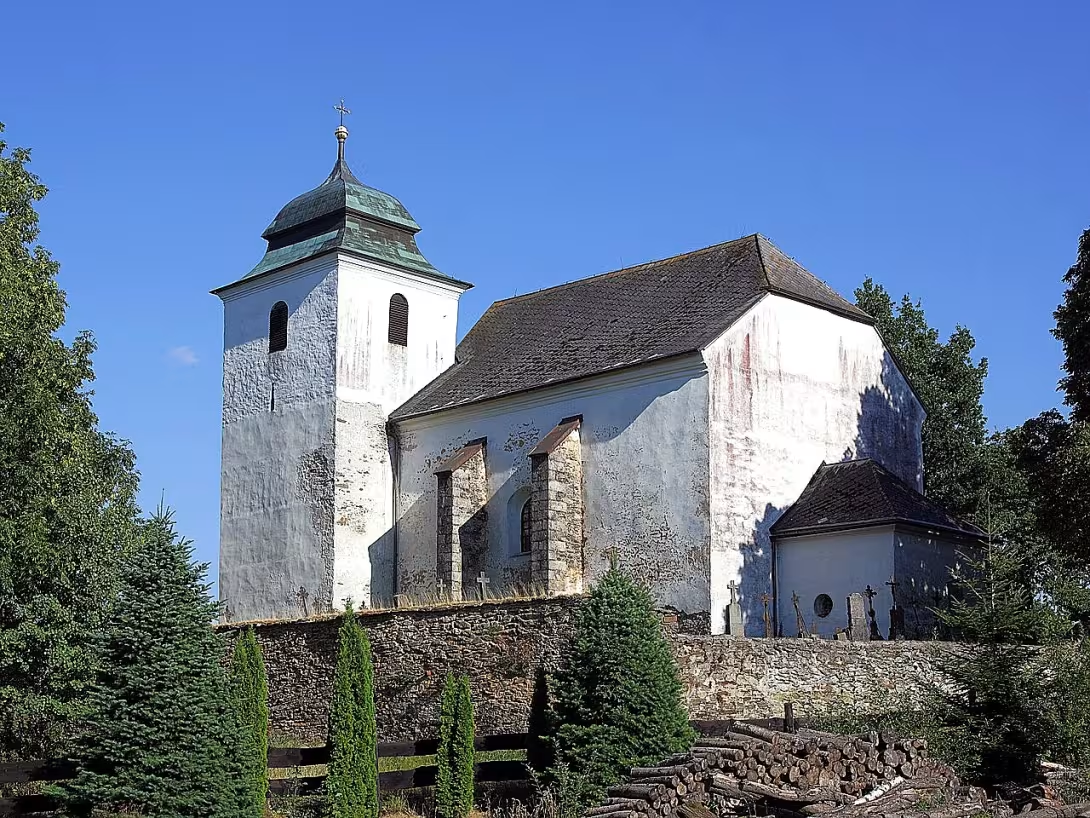
The Church of Saint Wenceslas in Hora Svatého Václava is a remarkable example of Gothic architecture with Baroque influences, dating back to the late 14th century. Situated on an elevated site that once served defensive purposes, it is recognized as a cultural monument of the Czech Republic. Its historical significance dates from its first mention in 1345 and has persisted through centuries of change, including destruction during the Hussite Wars and subsequent reconstruction.
Initially constructed as a Gothic single-nave structure with a polygonal presbytery and a square tower, this architectural choice reflects the religious and political transitions occurring in Bohemia during the late medieval period. The rise of the Hussite movement notably influenced these changes. The site's natural elevation suggests its original purpose as a defensive position, highlighting its strategic importance.
Architecturally, the church is notable for its robust tower from the late 14th century, one of its most preserved elements. The nave and presbytery were likely demolished during the Hussite Wars but reconstructed in the mid-15th century. Baroque renovations in the 18th century significantly altered the structure by raising the nave and adding a barrel vault. A distinctive feature is the use of coarse-grained sandstone for the presbytery's pillars, contrasting with finely grained sandstone used in window sills.
Throughout its history, the church has experienced various changes in administration and fortune. The local parish was dissolved in 2005 when it merged with the Poběžovice parish, yet services continue every Sunday. This continuity of worship underscores the site's enduring spiritual significance.
Key events include its initial mention as "kostel na hrubejch" in 1345 and destruction during the Hussite Wars. The reconstruction efforts that followed highlight the resilience and importance of this religious structure to the local community. Additionally, a crypt within the tower's basement may have served as a charnel house, adding an element of historical curiosity.
Today, the Church of Saint Wenceslas remains accessible to visitors, offering insights into its rich history and architectural evolution. Its status as a cultural monument ensures its preservation for future generations. The church is not only a place of worship but also a significant historical site reflecting broader socio-political changes in Bohemia over centuries.
Visiting this church provides an opportunity to explore a unique blend of Gothic and Baroque architecture while appreciating its historical context. It stands as a testament to the resilience and cultural heritage of Hora Svatého Václava, inviting visitors to delve into its storied past.
Then and now
Drag the slider to compare how the landmark may have looked when it was built with the view today.
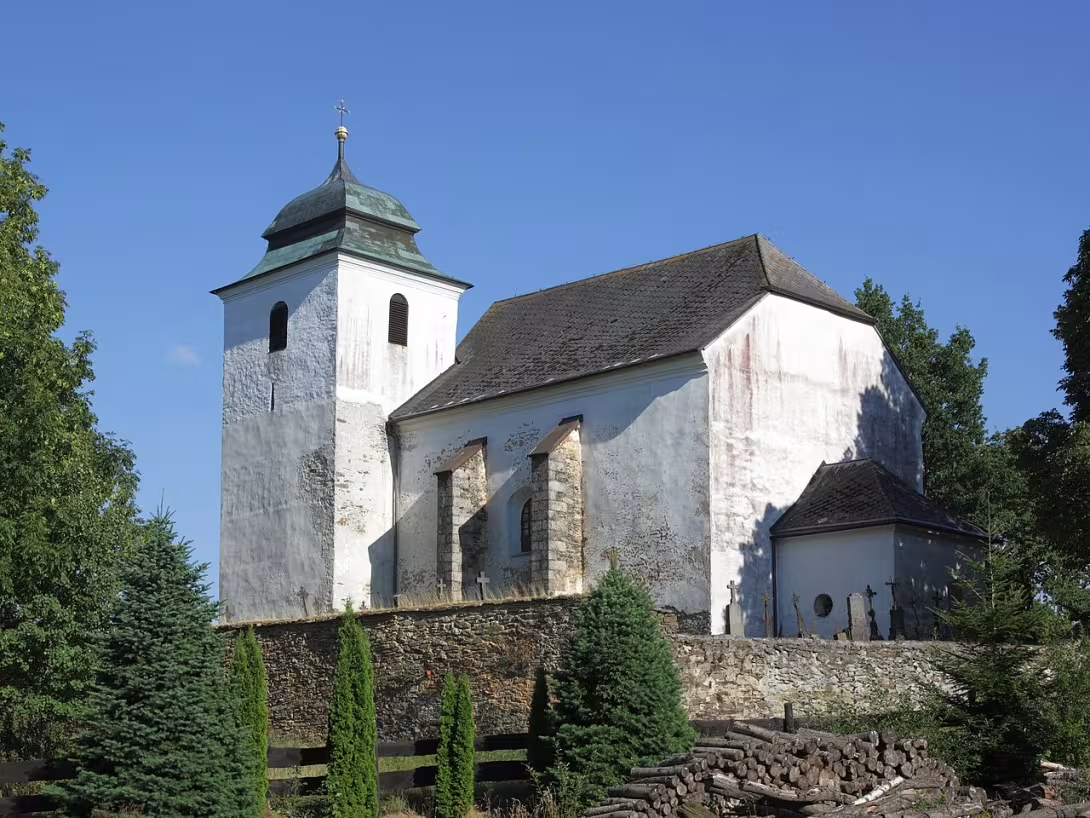
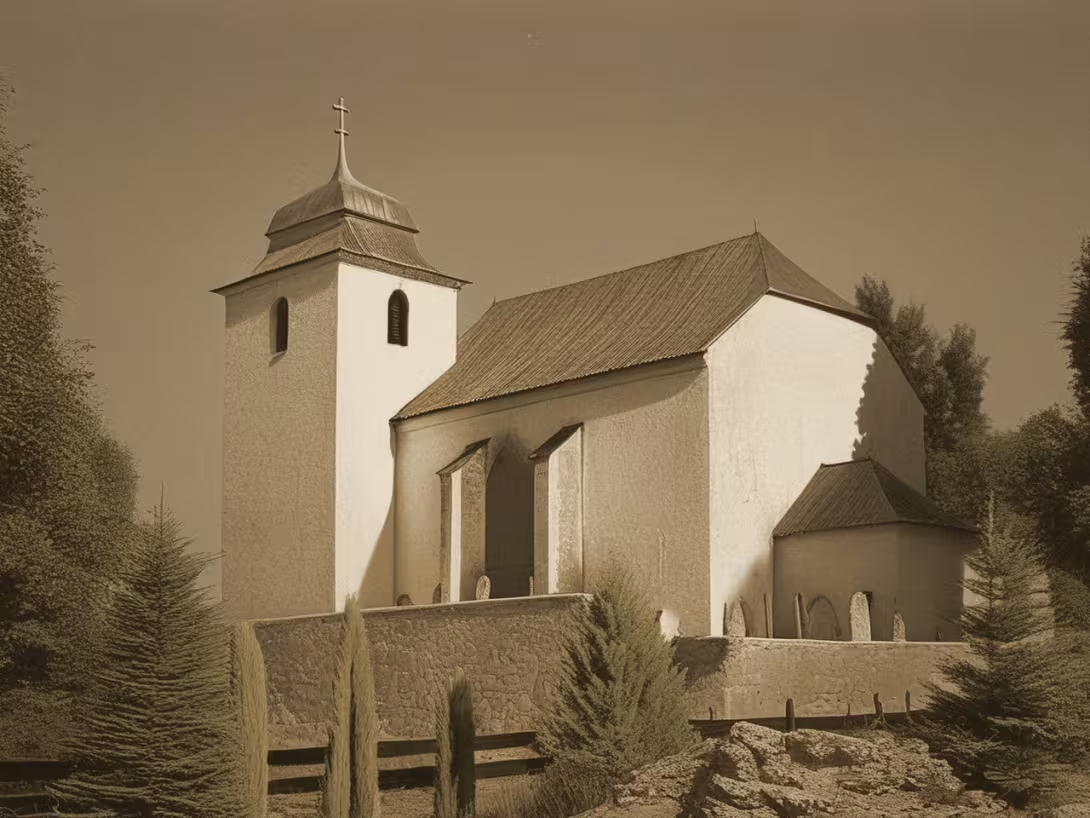
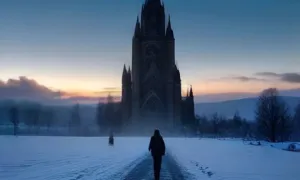
The historical appearance on the left is an AI-generated visualisation and serves as inspiration only.
Historical milestones
- 1345
- First mention of the Church of Saint Wenceslas.
- kolem 1400
- Construction of the original Gothic structure with a polygonal presbytery and square tower.
- 15. století
- Destruction during the Hussite Wars, followed by reconstruction in the mid-15th century.
- 18.0
- Baroque renovations including raising of the nave and addition of a barrel vault.
- 2005
- Dissolution of the local parish, merging with Poběžovice parish.
Architectural development
The church's most preserved part is a robust tower dating back to the late 14th century. The nave and presbytery were likely demolished during the Hussite Wars, with reconstruction occurring in the mid-15th century. Baroque modifications in the 18th century significantly altered the structure, raising the nave and adding a barrel vault. Notably, the use of coarse-grained sandstone for the presbytery's pillars contrasts with finely grained sandstone used in window sills.
Historical events
The church was first mentioned in 1345 as 'kostel na hrubejch', indicating its historical significance from an early period.
During the Hussite Wars, parts of the church were destroyed and later reconstructed around mid-15th century.
Points of interest
- The church was originally known as "kostel na hrubejch," which translates to "church on the roughs" or "church on the slopes," highlighting its strategic location on an elevated site.
- During the Hussite Wars, not only were parts of the structure demolished, but it's speculated that the crypt within the tower's basement served as a charnel house, adding a layer of historical intrigue to the church’s past.
- The use of two types of sandstone in its construction—coarse-grained for the presbytery's pillars and finely grained for window sills—reflects both practical considerations and aesthetic choices typical of late medieval architecture.
- Despite being dissolved as an independent parish in 2005, the Church of Saint Wenceslas continues to hold regular Sunday services, demonstrating its ongoing spiritual significance despite administrative changes.
- The Baroque renovations in the 18th century not only altered the church's structure but also symbolized a shift in artistic and cultural influences during that period, blending with the existing Gothic elements.
Guide
This guide is narrated by a synthetic voice generated by artificial intelligence.
Show guide text
This text was created by artificial intelligence and has not been editorially reviewed. It may contain inaccuracies.
Welcome to the Church of Saint Wenceslas in Hora Svatého Václava—a monument that has stood as a silent witness to centuries of history and change. As you stand here on this naturally elevated site, imagine yourself stepping back into time, surrounded by the whispers of the past.
This church, with its imposing structure, originated from the late 14th century. Its initial construction was marked by Gothic elements—a single-nave design featuring a polygonal presbytery and a square tower that reaches towards the sky. As you look around, take in the grandeur of this architectural style, which has weathered time's relentless march.
The history of this sacred site is as rich as it is turbulent. First mentioned in 1345, the Church of Saint Wenceslas was more than just a place of worship; its strategic location on an elevated site once served defensive purposes. This elevation earned it the name "kostel na hrubejch," or "church on the roughs/slopes." As you observe this landscape, imagine the historical significance that these slopes held.
The 15th century brought destruction during the Hussite Wars, a time when parts of the church were demolished. However, resilience is etched into its very stones; by mid-century, reconstruction efforts breathed new life into the structure. Fast forward to the Baroque period in the 17th century, where significant renovations transformed the nave and introduced a barrel vault—a testament to the evolving architectural tastes and techniques.
As you continue your exploration, notice how these layers of history are woven into every brick and archway. The church's journey through time is marked by both destruction and renewal, each era leaving its indelible mark.
While specific architects remain unknown, their vision continues to inspire awe in all who visit. Although no particular historical figures are directly tied to this site, the collective spirit of those who built, rebuilt, and maintained it over the centuries lingers here.
One intriguing aspect that captures the imagination is the church's speculated crypt, a hidden element from its past during the tumultuous Hussite Wars. While much remains shrouded in mystery, these enigmatic features invite you to ponder the untold stories they hold.
As your visit draws to a close, I encourage you to linger for a moment and absorb the atmosphere of this historic site. The Church of Saint Wenceslas is not just an architectural marvel but a living chronicle of resilience and transformation. Thank you for joining me on this journey through time. May your exploration continue beyond these grounds, filled with curiosity and wonder.
Tips for visitors
The best time to visit the Church of Saint Wenceslas is during late spring or early autumn when the weather is mild, allowing for a comfortable exploration of both the church's interior and its surrounding areas. These seasons offer pleasant temperatures and fewer crowds compared to summer months, enhancing your experience as you admire the Gothic architecture and serene atmosphere.
When visiting the Church of Saint Wenceslas, it's recommended to bring comfortable walking shoes as you may want to explore the surrounding area and nearby attractions. A light jacket might be useful due to varying weather conditions, especially during cooler months. Additionally, carrying a camera or smartphone for photography is advisable to capture the stunning views.
For photography enthusiasts, the best spots around the church are those that offer clear views of its Gothic features, particularly during golden hour when the sunlight enhances the architectural details. The exterior and interior both provide excellent opportunities for capturing the church's beauty, with soft lighting creating a dramatic effect on the stone structures.
Nearby attractions within a 30-minute drive include other historical sites and natural landscapes that complement your visit to Hora Svatého Václava. Exploring these areas can enrich your experience by providing context about the region’s history and culture, making it an ideal trip for those interested in both heritage and nature.
Frequently asked questions
Can the monument be visited?
Religious buildings are usually open mainly during services; at other times a visit is normally arranged with the parish or the operator. We have not verified specific times.
Where is the monument?
Location: Hora Svatého Václava, Plzeňský kraj. The map on this page shows the exact spot.
Why is the monument protected?
It is listed in the Central List of Cultural Monuments of the Czech Republic as a cultural monument (register no. 30625/4-2074).
Businesses nearby
Do you run a restaurant, accommodation, shop, museum, rental, wellness or other visitor service near this monument? Show yourself directly to the people heading to it — this is how they will see you in the app and on the web:
Accommodation nearby
Themed route
Thematic Walking Tour: Hora Svatého Václava
1. Kostel svatého Václava (Hora Svatého Václava) - Church Begin your journey at the heart of Hora Svatého Václava with a visit to the Church of Saint Wenceslas. This stunning Baroque church, perched atop a hill, offers breathtaking views and is renowned for its impressive architecture and historical significance as a pilgrimage site. The church's interior is adorned with beautiful frescoes and altars that reflect centuries of religious artistry.
2. Památník svatého Václava - Monument A short walk from the church, you'll find the Monument to Saint Wenceslas. This monument honors the patron saint of Bohemia and is a must-see for its symbolic representation of Czech history and culture. Standing near the church, it provides an excellent opportunity to reflect on the spiritual heritage that defines this region.
3. Nádvoří kostela svatého Václava - Church Courtyard Explore the serene Courtyard of Saint Wenceslas Church next. This area offers a peaceful retreat where visitors can enjoy the tranquil surroundings and take in the architectural beauty from different angles. The courtyard is perfect for a quiet moment to appreciate the church's grandeur up close.
4. Kaple svaté Anny - Chapel Continue your tour by visiting the nearby Chapel of Saint Anne. This charming chapel, located within walking distance from the main church, features exquisite Baroque design elements and offers an intimate space for reflection. Its historical significance adds depth to your understanding of the religious landscape in Hora Svatého Václava.
5. Poutní cesta - Pilgrimage Route Conclude your visit by following a section of the Pilgrimage Route that winds through the town and its surroundings. This path connects various spiritual sites, allowing you to experience the rich tapestry of faith woven into the fabric of Hora Svatého Václava. Walking this route provides insight into the pilgrimage traditions that have shaped the community over generations.
This thematic tour offers a comprehensive exploration of Hora Svatého Václava's spiritual and cultural heritage, ensuring a memorable experience for visitors.
Seasonal recommendations
Spring: Visiting the Church of Saint Wenceslas during spring is a delight, as the surrounding landscape bursts with vibrant colors from blooming flowers and fresh greenery. The gentle warmth of the season enhances the natural beauty of Hora Svatého Václava, creating an inviting atmosphere for exploration. This period often sees fewer tourists compared to summer, allowing for a more serene experience. It's advisable to wear layers, as mornings can still be cool while afternoons warm up. Early morning visits are recommended to enjoy the calm and soft light that accentuates the church’s architectural details.
Summer: Summer is an ideal time to explore the Church of Saint Wenceslas due to extended daylight hours and pleasant weather. The lush greenery around the site provides a picturesque backdrop, making it perfect for photography enthusiasts. However, this season also attracts more visitors, so arriving early in the day can help avoid crowds. Comfortable walking shoes and light clothing are recommended, as temperatures can rise significantly. Don’t forget sunscreen and water to stay hydrated during your visit.
Autumn: The autumn months offer a stunning transformation of Hora Svatého Václava with its rich tapestry of reds, oranges, and yellows. This seasonal palette creates a warm and inviting atmosphere around the church, making it an excellent time for photography or leisurely walks. While visitor numbers begin to decrease as summer ends, it's still wise to plan your visit during weekdays to enjoy a quieter experience. Layered clothing is essential due to cooler temperatures, and carrying a light jacket can be beneficial as evenings become brisk.
Winter: Winter brings a magical atmosphere to the Church of Saint Wenceslas with its snow-covered surroundings that create a serene and picturesque setting. The shorter days mean earlier closures, so planning your visit during daylight hours is crucial. While the site may appear more tranquil due to fewer visitors, it's essential to dress warmly in layers, including thermal wear, gloves, and a hat, as temperatures can be quite cold. Winter visits offer unique opportunities for capturing the church against a backdrop of snow, providing a different perspective from other seasons.
Visualizations and artistic views


The visualisations are generated by artificial intelligence and serve as inspiration.
Photos from the area
Real photos taken near the monument


Zdroj a licence jsou uvedeny u každého snímku.
Tips from visitors
No tips yet. Be the first!
Log in and add your tip.
Sources and literature
Photos: RomanM82 / CC BY-SA 4.0 — Wikimedia Commons. The author and licence also appear when you hover over the image.
Faktickým podkladem tohoto textu byl článek na Wikipedii, jehož autory jsou přispěvatelé Wikipedie. Článek je dostupný pod licencí CC BY-SA 4.0.
Location on the map
More monuments – Hora Svatého Václava
Show all in the municipality

Příběhy a pověsti
Legendy, pověsti a příběhy spjaté s touto památkou
Fotografie návštěvníků
Zatím žádné fotografie. Buďte první, kdo přidá fotografii z návštěvy!
Log in a přidejte svou fotografii nebo hodnoťte.
Za ověřenou návštěvu v aplikaci získáte víc bodů — poznáme podle GPS, že jste na místě.
Reviews and comments