






Kostel svatého Václava (Kocléřov) Church
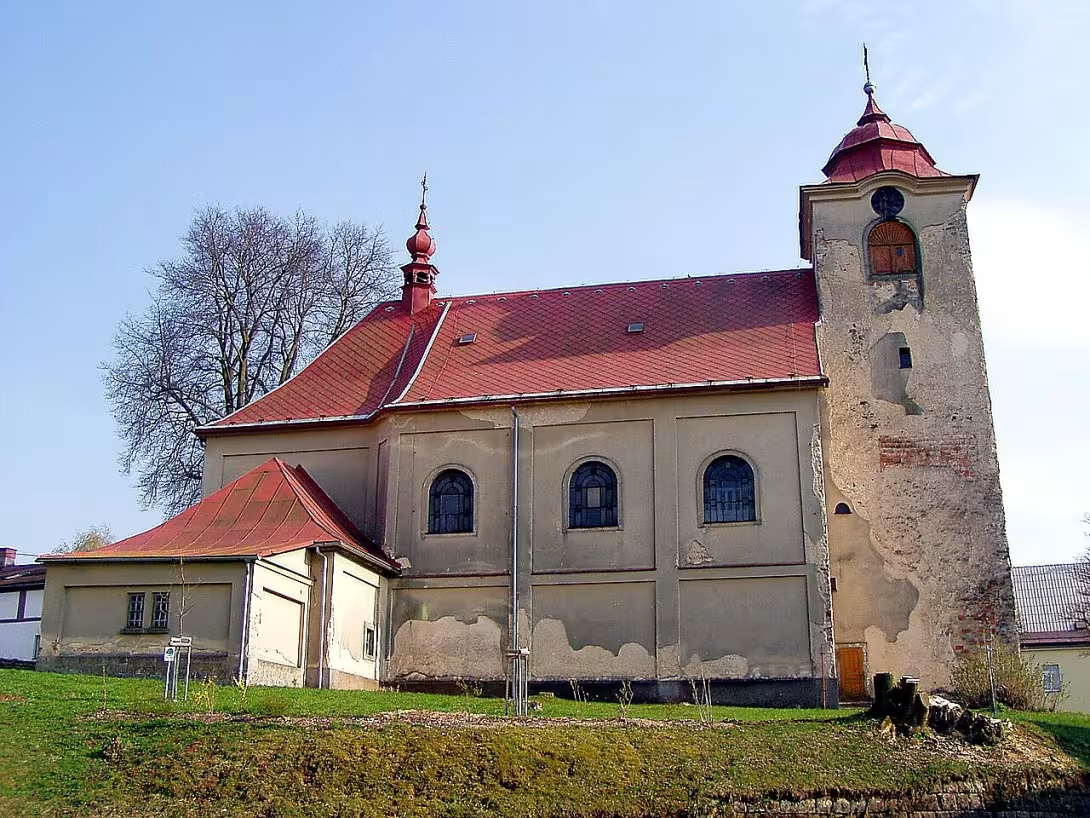
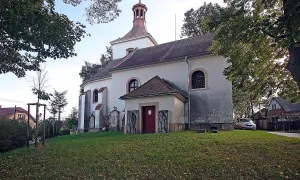
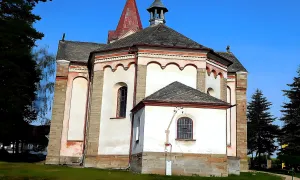
The Church of Saint Wenceslas in KocléřovA is a Roman Catholic Filial Church in the village of Kocléřov, part of the village Winová in Králové Hradec Region, Czech Republic. Originally built in 1359, it stands as evidence of historical resistance and architectural development, which has been marked by a cultural monument since 1964. This church is remarkable for its journey of destruction during the Thirty Years' War and subsequent reconstruction that reflect a significant period of changes in Czech history.
The origin of St. Wenceslas church dates back to 1359, when it was originally built in Gothic style. During this time Bohemia was part of the Holy Roman Empire under the rule of Charles IV, a period characterized by flourishing Gothic art and architecture throughout Europe. But the church faced destruction during the Thirty Years' War, a stormy period in which much of Central Europe was in conflict. In 1720, the Jesuits undertook reconstruction and diverted from their original architectural style. The current structure dating back to 1807 shows classic influences, illustrating architectural transitions that have been through centuries.
Society church architecturally reflects significant changes in history. Initially gothic, its destruction during the 30-year war led to a Jesuit- led reconstruction in 1720 which deviated from its original style. The presentation structure, built in 1807, embodies classical elements, showing how historical events and cultural shifts have influenced its architectural development.
During his history, the church saw various spiritual leaders overseeing his administration. From 1971 to 1995 he served as the parish priest R.D. Emil Tichý. From 1995 to 1996 he was followed by R.D. Mgr. František Hofman OMeli. hat. Mag., who was managing the Excurrendo of the Dukes of the Kings of the Elbe. This role was played by R.D. Józef Pleszcyński MSF until his departure in 2001, after which R.D. Jan Czekala MSF continued to manage.
The Church of Saint Wenceslas remains a cultural and spiritual monument today. He hosts services every Saturday afternoon from autumn to spring and maintains his role as a place of worship within the community. Its designation as a cultural monument since 1964 underlines its historical importance and architectural heritage.
Visiting St. Wenceslas Church offers a view of the rich tapestry of Czech history and architecture. Its path of destruction and reconstruction reflects wider historical stories, making it a convincing place for those interested in exploring the layers of time built into its walls. The church is proof of resilience and cultural continuity and invites visitors to appreciate its lasting legacy.
Then and now
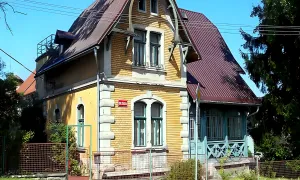
Drag the slider to compare how the landmark may have looked when it was built with the view today.
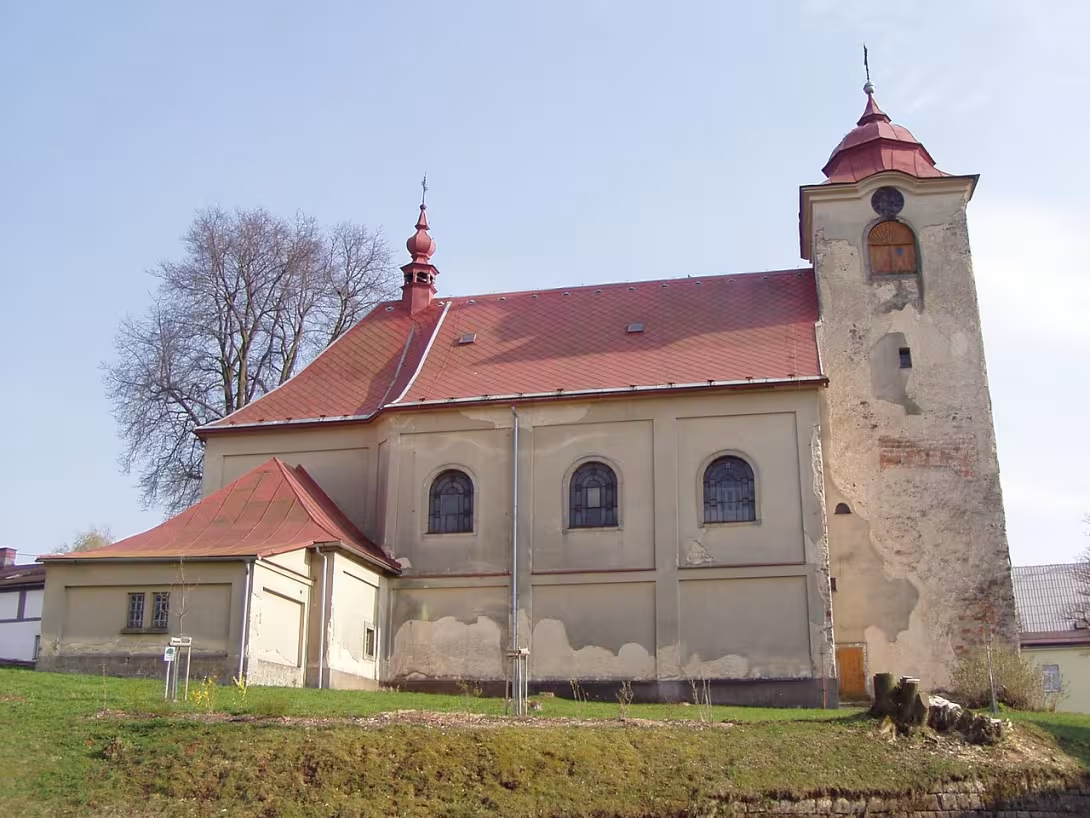

The historical appearance on the left is an AI-generated visualisation and serves as inspiration only.
Historical milestones
- 1964
- the church was marked as a cultural monument.
Architectural development
The Church of Saint Wenceslas has undergone significant architectural changes over the centuries. Originally built in Gothic style, it was destroyed during the 30-year war and later rebuilt Jesuits in a different style in 1720. The current structure of 1807 reflects classical influences.
Historical events
1359: Original Gothic church built.
Thirty-year war: Church destroyed.
1720: Renovated Jesuits.
1807: Contemporary construction built.
Points of interest
- The Church of Saint Wenceslas was originally built in Gothic style when the Czechs thrived under the rule of Charles IV, reflecting a wider European trend towards Gothic art and architecture.
- Despite its destruction during the Thirty Years' War, the church underwent several reconstructions, with significant changes made to the Jesuit in 1720, illustrating how religious orders influenced architectural styles in the post-war periods.
- The current church structure, completed in 1807, includes classic elements that deviate from their original Gothic design and show a shift towards neoclassical architecture in the late 18th and early 19th century.
- The church of St. Wenceslas was managed by various spiritual leaders throughout its history, including R.D. Jozef Pleszcyński MSF, until his death in 2001, which underlines the continuity of religious administration over the years.
- the designation of the church as a cultural monument since 1964 underlines its importance not only as a place of worship but also as a permanent symbol of historical and architectural resilience within the community.
Guide
This guide is narrated by a synthetic voice generated by artificial intelligence.
Show guide text
This text was created by artificial intelligence and has not been editorially reviewed. It may contain inaccuracies.
The Church of Saint Václav stands in Kocléřov, which is today part of the Vítězná municipality. It is Roman Catholic and belongs to the parish of Dvůr Králové nad Labem. Previously it was a parish church, today it is a filial church. Since 1964 it has been protected as a cultural monument.
The Christian tradition of this place dates back to the Middle Ages. The original Gothic church comes from the year 1359. During the Thirty Years' War it was destroyed. In 1720 it was rebuilt by the Jesuits. The church that stands here today comes from the year 1807.
Also notable are the spiritual administrators from more recent times. Between 1971 and 1995, Emil Tichý served here as a parish priest. After him, the church was managed by priests who commuted from Dvůr Králové nad Labem. Between 1995 and 1996 it was František Hofman, between 1996 and 2001 Józef Pleszcyński, and from 2001 onwards Jan Czekala.
Tips for visitors
The best time to visit St. Wenceslas church in Kocléřov is at the end of spring or early autumn when the weather is pleasant, allowing you to comfortably explore both the church and its surrounding natural landscape. These seasons offer a balance between mild temperature and pulsating leaves, which increases the beauty of the area. In addition, a visit outside the top tourist season ensures a calmer experience, giving you space to appreciate historical architecture without large crowds.
It is recommended to verify current routes and plans through the transport search tool to ensure seamless travel plans.
When visiting St. Wenceslas church, it is advisable to bring comfortable walking shoes as you can wish to explore the surrounding natural landscapes or other historical sites within a short distance. A camera is also recommended to capture architectural details of the church and picturesque beauty of the area. Since the church has limited internal space due to its history of destruction and reconstruction, outdoor photography can be particularly beneficial during the golden hours - early morning or late afternoon - when natural light illuminates the structure and its environment beautifully.
Near attractions within a 30-minute drive from Kocléřova includes other historical monuments that contribute to the region's rich cultural heritage. Exploration of these nearby places allows visitors to gain a wider understanding of the history of the area and to enjoy diverse landscapes. For families with children, consider planning visits on weekends where local events or activities could be organized around this site, providing interesting experience for all ages.
Frequently asked questions
Can the monument be visited?
Religious buildings are usually open mainly during services; at other times a visit is normally arranged with the parish or the operator. We have not verified specific times.
Where is the monument?
Location: Kocléřov, Královéhradecký kraj. The map on this page shows the exact spot.
Why is the monument protected?
It is listed in the Central List of Cultural Monuments of the Czech Republic as a cultural monument (register no. 41649/6-3714).
Businesses nearby
Do you run a restaurant, accommodation, shop, museum, rental, wellness or other visitor service near this monument? Show yourself directly to the people heading to it — this is how they will see you in the app and on the web:
Events nearby
Zdroj akcí: otevřená data měst a obcí ČR (Národní katalog otevřených dat) a kalendář akcí Národního památkového ústavu.
Nearby
Kocléřov is located in the Králové Hradec region of the Czech Republic. The surrounding area includes natural landscapes and other historical sites that contribute to its cultural heritage.
Accommodation nearby
Themed route
Thematic Travel Route: Kocléřov and its Surround
1.Kostel svatého Václava (Kocléřov) Type: Historical monument Proc stands behind the tower: This church is an important culture and historical monument of Kocléřov, which represents a rich architectural history of the region. It is simple design and importance for the main comunita from another inalienable stop on the way.
2. St Wenceslas's Tanks Type: Cultural area Stand-up procedure: A rental church urging liquid space for the use of instrumentation and reflective over historical interpretations. It is an ideal place to relax after the demands of the lone cube.
3. Local Pams in the Circumstances of Kocléřova Type: Historical and Cultural City The standing area for filling: The surrounding area of Kocléřova is rich in historical monuments that represent a smaller culture and inherit. These rates of insight into the lives of past residents and are key to the cultural development of the region.
4. Nature Landscaping Kings Region Type: Cultural and incremental space The process of standing for filling: Nature around Kocléřova acquires regional regions that are ideal for proms or picnics. This overgrown space complements historical experiences and provides the possibility and peace in the picturesque surroundings.
This route offers combined cultures and natural experiences that can affect the activities of a cocler.
Seasonal recommendations
Spring: A visit to Kocléřova Church of St. Wenceslas during spring offers a unique experience because the surrounding landscape bursts into life with living wild flowers and fresh vegetables, creating a picturesque environment for your exploration. Soft, warm light of longer days increases complex details of architecture church, throwing fine shadows that add depth to its historical features. This season is ideal for photo lovers who want to capture a harmonious blend of nature and heritage. Visitors should consider wearing layers because temperatures may vary throughout the day, and early morning or late afternoon visits are recommended to avoid larger crowds usually found during noon.
Summer: Summer at Kocléřova Church of St. Wenceslas is characterized by its lively atmosphere, with longer daily hours providing sufficient time to explore and evaluate the historical importance of the church. The warm weather invites visitors to enjoy outdoor activities in the area before or after the visit. However, it is important to note that this season can attract more tourists, so arriving early in the morning is advisable to avoid crowds and fully enjoy the calm beauty of the site. Due to warmer temperatures, we recommend comfortable walking shoes and light clothes.
Autumn: Autumn brings to Kocléřova a stunning transformation with its church of St. Wenceslas, as the surrounding landscape turns into a tapestry of warm golden shades. Crisp air increases sensory experience, making it the perfect time for those who appreciate the quiet settings and colder weather. This season offers a calmer visit compared to summer, with fewer tourists and a chance to enjoy a quiet environment church amidst changing leaves. Visitors should dress up in layers to adapt to fluctuating temperatures and consider that wearing a jacket as evenings can be quite cool.
Winter: Kocléřov Church of St. Wenceslas in winter presents a magical atmosphere under a snow blanket, whose historical architecture stands against the old, white landscape. Short days mean that visits should ideally take place during daylight to fully evaluate the functions of the church, which are lit by softer, scattered light. Winter is an excellent time for those who are looking for solitude and reflection in a quieter environment as tourist numbers decline significantly. Visitors should dress appropriately in layers and be prepared for potentially limited opening times due to shorter days.
Visualizations and artistic views


The visualisations are generated by artificial intelligence and serve as inspiration.
Tips from visitors
No tips yet. Be the first!
Log in and add your tip.
Sources and literature
Photos: Addvisor / CC BY-SA 4.0 — Wikimedia Commons. The author and licence also appear when you hover over the image.
Faktickým podkladem tohoto textu byl článek na Wikipedii, jehož autory jsou přispěvatelé Wikipedie. Článek je dostupný pod licencí CC BY-SA 4.0.
Location on the map

Příběhy a pověsti
Legendy, pověsti a příběhy spjaté s touto památkou
Fotografie návštěvníků
Zatím žádné fotografie. Buďte první, kdo přidá fotografii z návštěvy!
Log in a přidejte svou fotografii nebo hodnoťte.
Za ověřenou návštěvu v aplikaci získáte víc bodů — poznáme podle GPS, že jste na místě.
Reviews and comments