






Kostel svatého Václava (Nová Ves I) Church
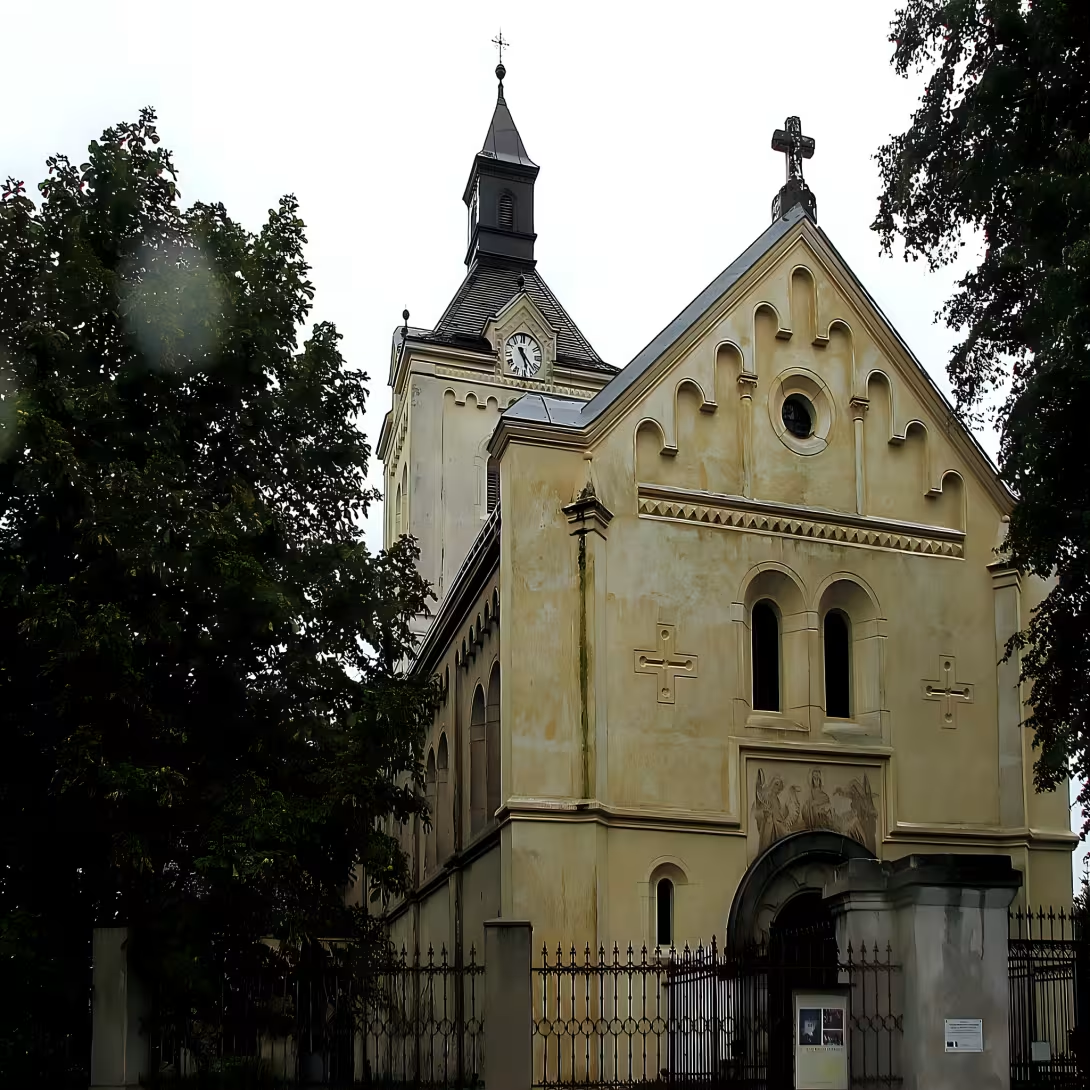
The Church of Saint Václav in Nová Ves I exemplifies Gothic architecture, with elements from the 14th century. Situated on a main road near Nová Ves I, it is notable for its historical significance and architectural evolution over centuries. Recognized as a cultural monument of the Czech Republic, it reflects the region's dynamic heritage.
The church was first mentioned in 1352, initially linked to Sedlec Monastery since 1290. By 1626, it became part of Kolín and transformed into a parish church. Over time, it underwent various administrative changes, ultimately coming under Kolín parish administration.
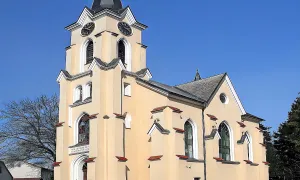
Architecturally, the Church is a single-nave structure with a rectangular chancel and a robust spire above. The original masonry in the chancel and tower includes a preserved Gothic window from the 14th century. In 1835, the nave was demolished and expanded. An extensive renovation in 1884 resulted in only the chancel being preserved. Recent efforts have focused on repairing the façade, with interior restoration beginning in 2008.
The church's organ, crafted by Anton Mölzer from Kutná Hora in 1909, was restored in 2012, enhancing its historical and cultural value. A former cemetery surrounds the church, now replaced by a statue of Saint Václav, further highlighting its local heritage significance.
Today, the Church of Saint Václav stands as a testament to the region's architectural and cultural history. Preservation efforts ensure visitors can appreciate both its historical context and artistic form. The church is accessible for those exploring Bohemian history and Gothic architecture. A visit offers an opportunity to connect with the past while enjoying this historic monument's serene beauty.
Then and now
Drag the slider to compare how the landmark may have looked when it was built with the view today.
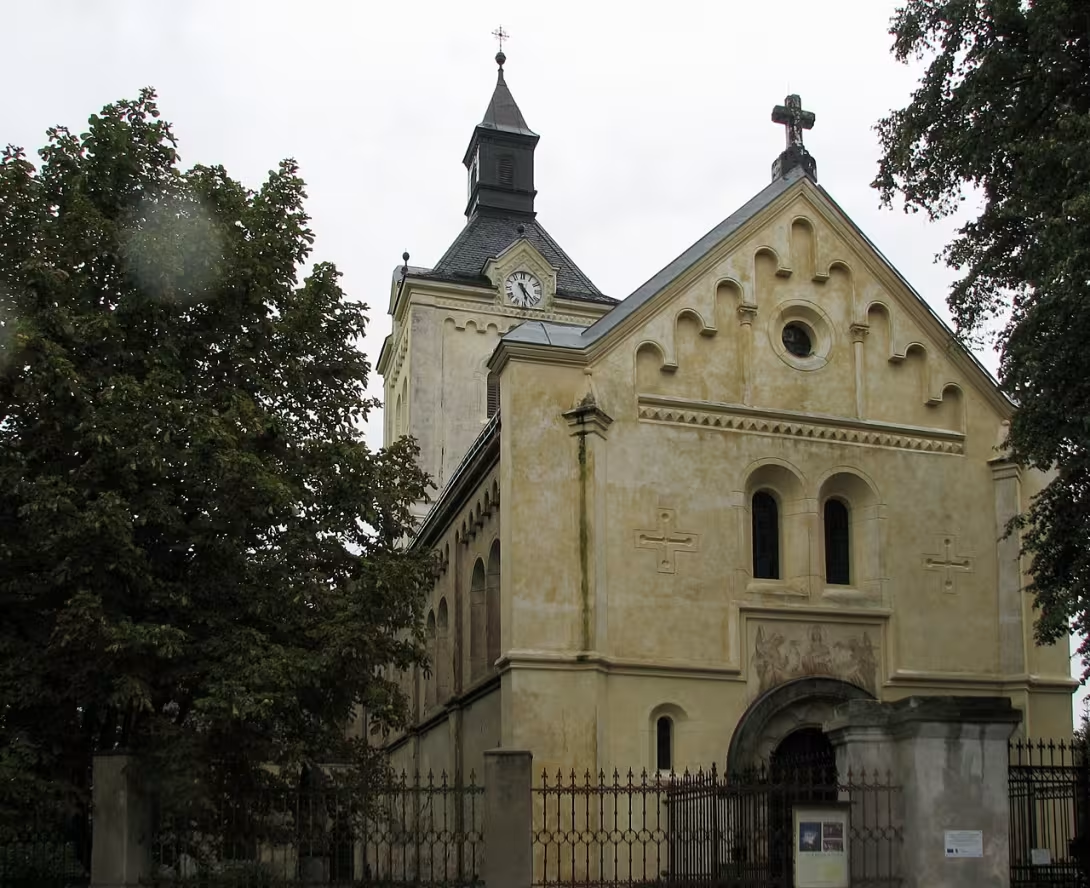

The historical appearance on the left is an AI-generated visualisation and serves as inspiration only.
Historical milestones
- 1352
- First mention of a parish associated with the church.
- 1626
- The church was annexed to Kolín.
Architectural development
The church underwent significant changes over the centuries. In 1835, its nave was demolished and expanded, followed by an extensive renovation in 1884 that preserved only the chancel. The façade was repaired recently, with interior restoration beginning in 2008.
Historical events
First mentioned as part of a parish in 1352, initially associated with Sedlec Monastery since 1290.
In 1626, it was annexed to Kolín and has undergone several transformations into a parish church.
Guide
This guide is narrated by a synthetic voice generated by artificial intelligence.
Show guide text
This text was created by artificial intelligence and has not been editorially reviewed. It may contain inaccuracies.
The Church of Saint Wenceslas stands on the village green in Nová Ves I in the Kolín region, not far from first-class road number thirty-eight. It is a subsidiary church and is protected as a cultural monument of the Czech Republic.
Its history reaches back to the Middle Ages. From the year twelve ninety it belonged to Sedlec Monastery, and the first mention of a local parish here dates from the year thirteen fifty-two. Later the church became utraquist. In the year sixteen twenty-six it was attached as a parish to Kolín. In the following years it became a parish church several more times, today it is administered by the Kolín parish.
The appearance of the building was significantly changed in the nineteenth century. In the year eighteen thirty-five the entire nave was torn down and rebuilt, larger. In the year eighteen eighty-four another expensive and richly decorated renovation followed, after which only the presbytery remained from the older building. Recently the facade was repaired and in the year two thousand eight the repair of the interior decoration began.
The church is single-naved and rectangular, with a right-angled presbytery. Above the presbytery rises a massive prismatic tower. To the third side of the nave, the northern one, a square sacristy is attached. The masonry of the presbytery and tower is original. In the eastern wall a bricked-up Gothic window from the fourteenth century has been preserved with remnants of tracery, that is, stone ornamental infills.
The presbytery has a heavy cross vault with ribs, which rests on corbels. On the keystone, that is, on the stone at the point where the ribs converge, there is a finely executed relief of the Lamb with a cross from around the year fourteen hundred. The presbytery is separated from the nave by a pointed, richly profiled triumphal arch. The nave itself has a flat ceiling.
The organ was built in the year nineteen nine by Anton Mölzer from Kutná Hora. It was restored in the year two thousand twelve.
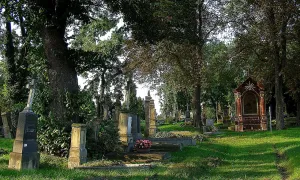
The church is surrounded by a cemetery, which had been abolished earlier.
Tips for visitors
The best time to visit the Church of Saint Václav in Nová Ves I is during late spring or early autumn when the weather is pleasant, allowing you to comfortably explore both the church and its surroundings. These seasons offer vibrant natural scenery that complements the Gothic architecture of the church. Additionally, visiting outside peak tourist seasons ensures a more tranquil experience, enabling visitors to appreciate the historical details without large crowds.
The church is situated on a main road near Nová Ves I, making it accessible by both car and public transport. For those using public transport, verify current routes and schedules through a transportation search tool to ensure smooth travel.
When visiting the Church of Saint Václav, consider bringing comfortable walking shoes as you may want to explore the surrounding former cemetery area. A camera is recommended to capture the architectural beauty of the church, especially during golden hour when natural light enhances the Gothic features. Additionally, carrying a water bottle and some snacks can make your visit more enjoyable, particularly if you plan to spend time exploring nearby.
Photography enthusiasts will find several spots around the Church of Saint Václav ideal for capturing its beauty. The best lighting is typically during early morning or late afternoon when the sun casts soft shadows that highlight the church's intricate details. Try taking photos from different angles, including shots of the statue of Saint Václav and the surrounding cemetery area, to capture a variety of perspectives.
For families with children visiting the Church of Saint Václav, consider planning a short trip to nearby attractions within 30 minutes away. Exploring the former cemetery can be an educational experience for kids interested in history or architecture. Additionally, you might plan a visit to local parks or nature trails in the Středočeský kraj region, offering opportunities for outdoor activities and relaxation after exploring the church.
Frequently asked questions
Can the monument be visited?
Religious buildings are usually open mainly during services; at other times a visit is normally arranged with the parish or the operator. We have not verified specific times.
Where is the monument?
Location: Václavské náměstí, Nová Ves I, Středočeský kraj. The map on this page shows the exact spot.
Why is the monument protected?
It is listed in the Central List of Cultural Monuments of the Czech Republic as a cultural monument (register no. 34876/2-826).
Businesses nearby
Do you run a restaurant, accommodation, shop, museum, rental, wellness or other visitor service near this monument? Show yourself directly to the people heading to it — this is how they will see you in the app and on the web:
Nearby
Located on a main road near Nová Ves I, the church is surrounded by a former cemetery and features a statue of Saint Václav.
Accommodation nearby
Trips and activities nearby
Guided tours, tickets and activities nearby from GetYourGuide
Affiliate link: if you buy from the partner, we may receive a commission. The price for you does not change.
Search tours and activities →Themed route
Tematická výletní trasa kolem Kostela svatého Václava (Nová Ves I)
1. Kostel svatého Václava, Nová Ves I: Začněte svou cestu u tohoto historického kostela, který se nachází na hlavní silnici poblíž obce Nová Ves I. Tento kostel je významným náboženským a kulturním centrem pro místní obyvatele. Jeho architektura odráží bohatou historii regionu, což činí jeho návštěvu nezbytnou pro každého cestovatele zájemce o duchovní a kulturní památky.
2. Bývalá hřbitovní plocha: Přibližně v poloměru několika desítek metrů od kostela se nachází bývalá hřbitovní plocha, která dodnes zachovává svou historickou atmosféru. Tento místo je klíčové pro pochopení minulých tradic a zvyklostí obce Nová Ves I. Prozkoumáním tohoto místa můžete cítit spojení s generacemi, které před vámi žily v této lokalitě.
3. Socha svatého Václava: Na bývalé hřbitovní ploše se nachází i socha svatého Václava, která je symbolem místní víry a tradic. Tato socha představuje nejen duchovní vedení pro místní obyvatele, ale také slouží jako vizuální znak historického významu této oblasti. Je to ideální místo pro klidné okamžiky a reflektivní chvilky během vašeho výletu.
Tato trasa nabízí pohled na kulturní a historické aspekty obce Nová Ves I, zaměřením se především na Kostel svatého Václava a jeho okolí. Při procházce těmito místy si užijete klidné a poutavé chvíle v atmosféře bohaté historie a tradice.
Seasonal recommendations
Spring: The arrival of spring brings a refreshing transformation to the Church of Saint Wenceslas, with blooming flowers and lush greenery surrounding the site, creating an enchanting atmosphere. Natural light enhances the church's architectural details as days grow longer, offering stunning views during guided tours. Visitors should consider wearing comfortable shoes for exploring nearby trails, and it’s advisable to visit in the morning or late afternoon when temperatures are mild and crowds are smaller.
Summer: Summer at the Church of Saint Wenceslas is characterized by long daylight hours that beautifully illuminate its historic façade, making it an ideal time for photography enthusiasts. The area buzzes with activity as tourists flock to enjoy the outdoors, so arriving early in the day can help avoid larger groups. Lightweight and breathable clothing are recommended due to warmer temperatures, along with sun protection such as hats and sunscreen.
Autumn: Autumn offers a picturesque setting at the Church of Saint Wenceslas, with vibrant foliage providing a stunning backdrop that enhances the church's historic charm. The cooler weather makes it comfortable for extended visits, while shorter days mean planning is essential to maximize daylight hours. Layered clothing is advisable to accommodate fluctuating temperatures, and visiting during weekdays can help avoid peak tourist times.
Winter: Winter transforms the Church of Saint Wenceslas into a serene, almost magical destination with its snow-covered surroundings and festive lights that add warmth to the historic site. The shorter days mean visits should be planned for daylight hours, and it's crucial to dress warmly in insulated layers, along with hats, gloves, and boots. While the church remains open, some services may have limited schedules, so checking ahead is recommended.
Visualizations and artistic views


The visualisations are generated by artificial intelligence and serve as inspiration.
Photos from the area
Real photos taken near the monument


Zdroj a licence jsou uvedeny u každého snímku.
Tips from visitors
No tips yet. Be the first!
Log in and add your tip.
Sources and literature
Photos: Kloin / CC BY-SA 3.0, rozlišení zvýšeno umělou inteligencí — Wikimedia Commons. The author and licence also appear when you hover over the image.
Faktickým podkladem tohoto textu byl článek na Wikipedii, jehož autory jsou přispěvatelé Wikipedie. Článek je dostupný pod licencí CC BY-SA 4.0.
Location on the map
Příběhy a pověsti
Legendy, pověsti a příběhy spjaté s touto památkou
Fotografie návštěvníků
Zatím žádné fotografie. Buďte první, kdo přidá fotografii z návštěvy!
Log in a přidejte svou fotografii nebo hodnoťte.
Za ověřenou návštěvu v aplikaci získáte víc bodů — poznáme podle GPS, že jste na místě.
Reviews and comments