



kostel svatého Václava (Račice) Church
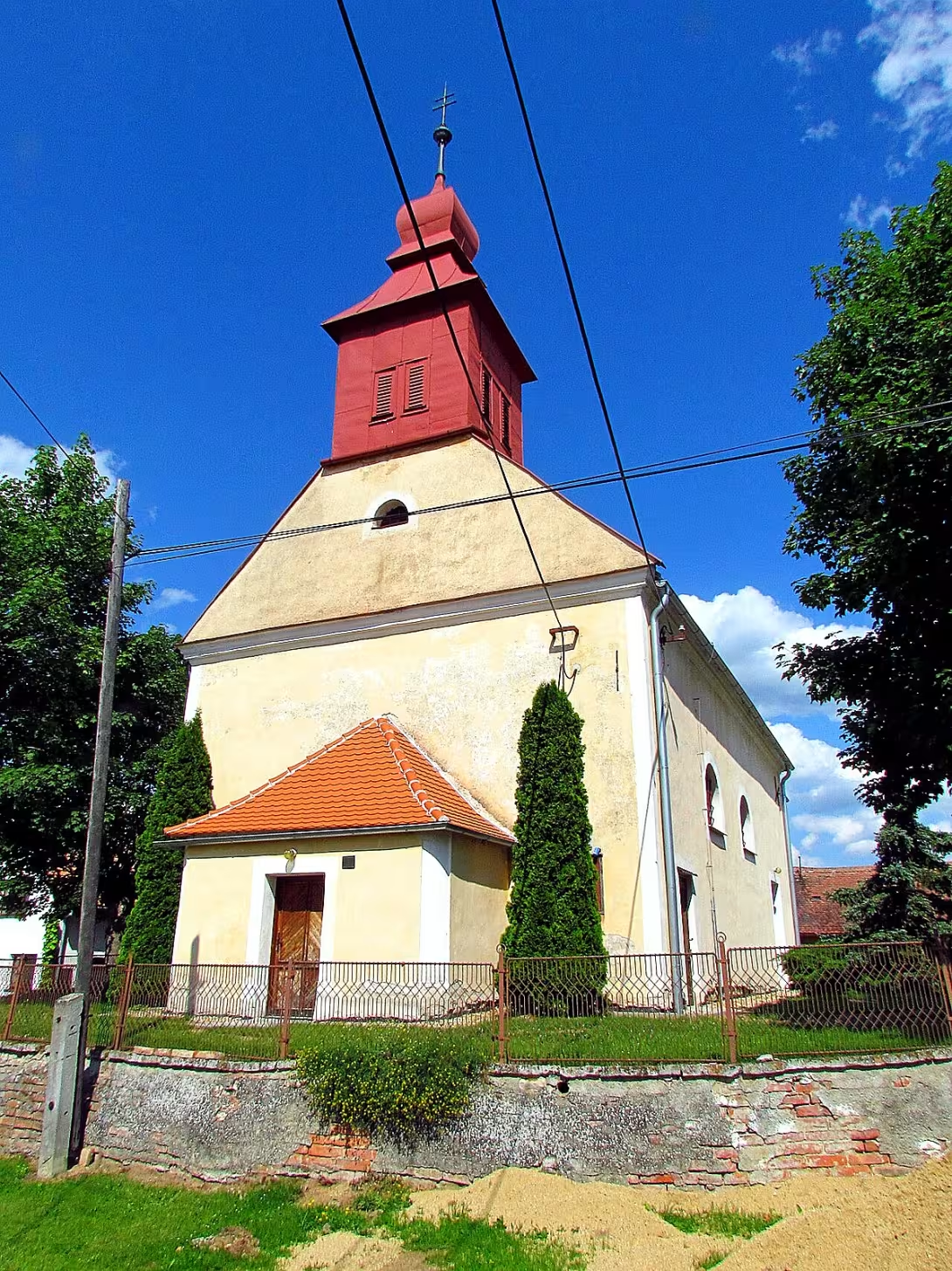
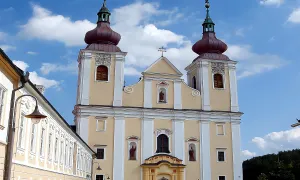
The Church of Saint Wenceslas in Račice is a notable medieval Gothic structure from the late 13th century, recognized as a cultural monument in the Czech Republic. Situated at the heart of Račice village, it functions as a branch church under the Roman Catholic parish of Krhov. This historical edifice stands out for its architectural evolution and rich history, reflecting broader trends in Bohemian art and architecture during the Gothic period.
The origins of the Church of Saint Wenceslas trace back to the late 13th century when it was constructed as a Gothic structure. Artleb z Myslibořic played a significant role in its establishment before embarking on an expedition to Hungary in 1271. Initially, the church fell under the patronage of the Myslibořice lords, who also controlled Račice at that time. This period was marked by Bohemia's integration into the Holy Roman Empire and the widespread influence of Gothic architecture across Europe.
Architecturally, the church features a single nave with a flat roof and a rectangular chancel, complemented by a four-sided bell tower on its western side. The original Gothic design underwent significant changes in 1853 when it was transformed into a classical style building. Notably, the roof trusses date back to the 15th century, adding historical depth to its structure.
Throughout its history, the church has experienced several dramatic events and transformations. In 1434, strong winds damaged both the roof and bell tower, while in 1491, it acquired its first bell. The year 1526 saw the parish plundered, leading to the expulsion of the priest. However, by 1657, the church resumed operations as a branch under Krhov parish. In 1829, a new cemetery with a stone cross was established near the former parsonage entrance, and in 1898, it received paintings of Saints Peter and Paul by Jindřich Polášek. The church also houses an artwork on its main altar painted by Mesmer and a crucifixion sculpture, adding to its artistic significance.
Today, the Church of Saint Wenceslas stands as a testament to its historical resilience and architectural evolution. Its roof was reconstructed in 2011 with support from the ČEZ Foundation, ensuring its preservation for future generations. Visitors can explore this cultural monument, appreciating its blend of Gothic origins and classical modifications. The church's rich history and artistic elements make it a worthwhile destination for those interested in Bohemian heritage and architectural evolution.
Then and now
Drag the slider to compare how the landmark may have looked when it was built with the view today.
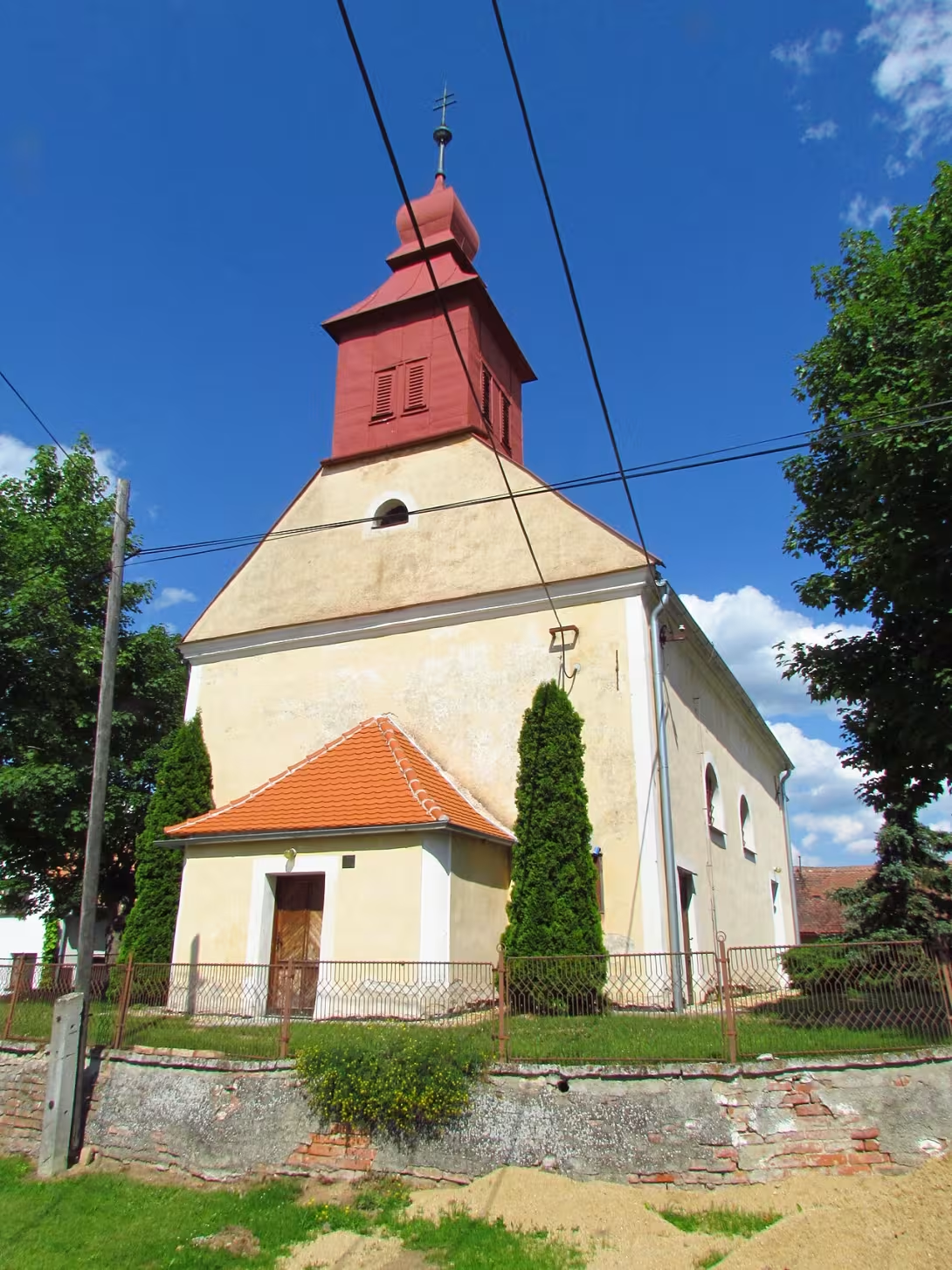
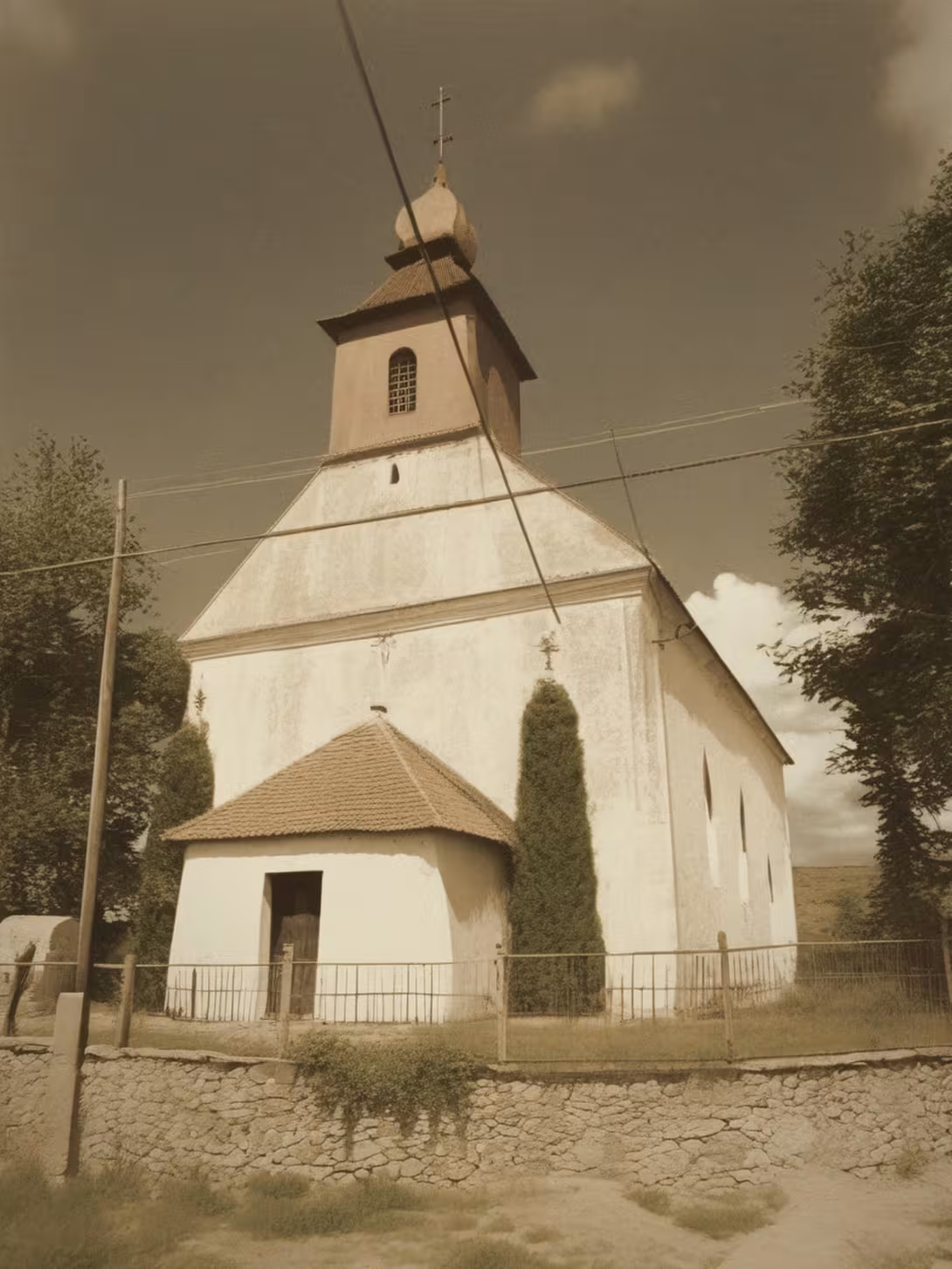
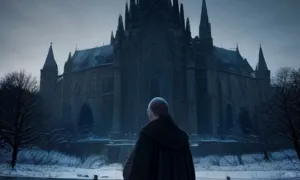
The historical appearance on the left is an AI-generated visualisation and serves as inspiration only.
Historical milestones
- 1271
- Artleb z Myslibořic contributed to the construction of the church.
- 1434
- The church's roof and bell tower were damaged by strong winds.
- 1491
- The church acquired its first bell.
- 1526
- The parish was plundered and the priest expelled.
- 1657
- The church resumed operations as a branch under Krhov parish.
- 1829
- A new cemetery with a stone cross was established near the former parsonage entrance.
- 1853
- The church underwent reconstruction into classical style.
- 1898
- The church received paintings of Saints Peter and Paul by Jindřich Polášek.
- 2011
- The church's roof was reconstructed with support from the ČEZ Foundation.
Architectural development
Originally built as a Gothic structure in the late 13th century, the Church of Saint Wenceslas underwent significant changes. In 1853, it was transformed into a classical style building. The church's roof trusses date back to the 15th century, and its bell tower was added later.
Historical events
In 1271, Artleb z Myslibořic contributed to the church's construction before his expedition to Hungary.
The church suffered damage from strong winds in 1434 and acquired a bell in 1491.
After being plundered in 1526, it was restored as a branch church under Krhov parish in 1657.
Points of interest
- Despite its Gothic origins from the late 13th century, the Church of Saint Wenceslas in Račice underwent a significant transformation to classical style architecture in 1853, showcasing an unusual blend of architectural periods.
- The church's bell tower, originally part of its Gothic design, was damaged by strong winds in 1434, highlighting the challenges medieval structures faced from natural elements over centuries.
- In an interesting turn of events, after being plundered in 1526 and leading to the expulsion of the priest, the Church of Saint Wenceslas resumed operations as a branch under Krhov parish by 1657, demonstrating its resilience and importance to the local community through turbulent times.
- The church received new artistic additions in 1898 with paintings of Saints Peter and Paul by Jindřich Polášek, enriching its interior with works from artists who contributed significantly to Bohemian art history.
- Supported by the ČEZ Foundation, the church's roof was reconstructed in 2011, showcasing modern efforts to preserve historical structures while maintaining their cultural significance for future generations.
Guide
This guide is narrated by a synthetic voice generated by artificial intelligence.
Show guide text
This text was created by artificial intelligence and has not been editorially reviewed. It may contain inaccuracies.
Welcome to the historic Church of Saint Wenceslas in Račice, a captivating blend of medieval and classical architecture nestled at the heart of this charming village in Kraj Vysočina. As you stand before its venerable walls, take a moment to absorb the serene atmosphere that envelops this sacred site.
The story of this church begins in the late 13th century when it was constructed in the Gothic style, an era known for its pointed arches and intricate designs. A significant contributor to its early construction was Artleb z Myslibořic, whose efforts are etched into the annals of history from as far back as 1271.
Over the centuries, this church has witnessed both turmoil and transformation. In 1434, a fierce windstorm damaged its roof and bell tower, marking one of many challenges it would face. The resilience of the structure is evident in how it continued to serve the community, acquiring its first bell in 1491—a symbol of hope and continuity.
The Reformation brought upheaval as the church was plundered in 1526, leading to the expulsion of its priest. However, by 1657, the Church of Saint Wenceslas had resumed operations under the Roman Catholic parish of Krhov, reaffirming its role as a spiritual haven for locals.
One of the most intriguing aspects of this church is its architectural evolution. In 1853, it underwent significant modifications to embrace classical style architecture—a rare and fascinating fusion with its original Gothic foundations. As you look at the structure today, notice how these two styles coexist, reflecting a rich tapestry of history and artistry.
Direct your gaze towards the four-sided bell tower on the western side. Despite originating from the church's Gothic design, it stands as a testament to both the past and the enduring spirit of this community.
As you explore further, take note of the single nave with its flat roof and rectangular chancel—a simple yet profound layout that has witnessed countless generations gather in prayer and reflection.
Nearby, you'll find a new cemetery established in 1829. It features a stone cross near the former parsonage entrance, adding another layer to the church's storied past.
We invite you to continue exploring this remarkable site, where history comes alive with every step. As you delve deeper into its stories and details, may your visit be both enlightening and inspiring. Thank you for joining us on this journey through time at the Church of Saint Wenceslas in Račice.
Tips for visitors
The best time to visit the Church of Saint Wenceslas in Račice is during late spring or early autumn when the weather is pleasant, allowing for comfortable exploration of both the church and its surrounding area. These seasons offer ideal lighting conditions for photography, with soft morning light accentuating the Gothic architecture's intricate details. Additionally, visiting outside of peak tourist season ensures a quieter experience, enabling visitors to appreciate the serene atmosphere of this historic site.
This ensures a smooth journey to this charming location nestled within the Vysočina region.
Visitors are advised to bring comfortable walking shoes as exploring the church's interior and its surroundings may involve some walking on uneven surfaces. A camera is recommended for capturing the stunning architecture of the Church of Saint Wenceslas, particularly during golden hour when sunlight filters through the stained glass windows, creating a mesmerizing display of colors inside.
For families with children, Račice offers a peaceful environment to explore history and nature. The church itself provides an educational glimpse into medieval Gothic architecture and 19th-century classical modifications. Nearby, within a 30-minute drive or walk, are natural landscapes perfect for family picnics or leisurely walks, allowing the whole family to enjoy the beauty of the Vysočina region together.
Photography enthusiasts will find several spots around the church that offer captivating views, especially during sunrise and sunset when the light enhances the building's architectural features. The best photography opportunities are often found at the front entrance or from a slight distance where the church can be framed against the landscape. Remember to respect any signage regarding photography restrictions within the church premises.
Frequently asked questions
Can the monument be visited?
Religious buildings are usually open mainly during services; at other times a visit is normally arranged with the parish or the operator. We have not verified specific times.
Where is the monument?
Location: Račice, Kraj Vysočina. The map on this page shows the exact spot.
Why is the monument protected?
It is listed in the Central List of Cultural Monuments of the Czech Republic as a cultural monument (register no. 20950/7-2998).
Businesses nearby
Do you run a restaurant, accommodation, shop, museum, rental, wellness or other visitor service near this monument? Show yourself directly to the people heading to it — this is how they will see you in the app and on the web:
Accommodation nearby
Themed route
Tematická výletní trasa: Kostel svatého Václava (Račice) a okolí
1. Kostel svatého Václava, Račice
- Typ: Náboženská památka
- Proč stojí za návštěvu: Tento barokní kostel je centrem kulturní a duchovní historie obce Račice. Jeho architektura a interiér nabízejí pohled na bohatou minulost, zatímco výhledy z okolního nádvoří poskytují klidnou atmosféru pro relaxaci.
2. Náves Račice
- Typ: Městské centrum
- Proč stojí za návštěvu: Náves je srdcem obce, kde se nachází místní obchody a restaurace. Je to ideální místo pro poznámky o každodenním životě v Račicích a nabízí příležitosti ke středověkým pohádkám, které se zde mohou odehrávat.
3. Račický rybník
- Typ: Vodní památka
- Proč stojí za návštěvu: Tento rybník je nejen přírodním krásným místem, ale také důležitou součástí historie obce. Je ideální pro relaxaci a pozorování divoké zvěře či ptáků, což nabízí klidné odpojení od každodenního života.
4. Račická vinice
- Typ: Agrární památka
- Proč stojí za návštěvu: Vinice představuje důležitou součást kulturní a hospodářské historie obce. Je to místo, kde můžete užít si pohledu na vinohradní pole a možná i prozkoumat místní víno, pokud je výroba otevřená veřejnosti.
5. Račické hřbitovy
- Typ: Historická památka
- Proč stojí za návštěvu: Hřbitov je klíčovým místem pro pochopení rodinných a historických vazeb obyvatel Račic. Jeho starobylé hroby a památníky přinášejí hluboké pocity spojení s minulostí.
Tato trasa nabízí návštěvníkům komplexní pohled na kulturní, historický i přírodní bohatství obce Račice.
Seasonal recommendations
Spring: As spring breathes new life into the landscape surrounding the Church of Saint Wenceslas in Račice, visitors are greeted by a vibrant display of blooming wildflowers and lush greenery that beautifully frame the historical architecture. The soft light filtering through budding trees creates an ethereal atmosphere, perfect for photography enthusiasts. During this time, the church grounds may still be recovering from winter weather, so it's advisable to wear comfortable walking shoes. While the spring season tends to attract fewer visitors compared to summer, arriving early can ensure a more tranquil experience.
Summer: The Church of Saint Wenceslas in Račice shines under the bright summer sun, with its surroundings alive with lush foliage and vibrant wildflowers at their peak. This is an ideal time for those who appreciate nature's full splendor complementing historical sites. Summer brings increased foot traffic due to favorable weather conditions; thus, it’s wise to plan your visit early in the morning or later in the afternoon to avoid crowds. Wearing light clothing and bringing a hat or sunscreen are practical tips to enhance comfort during your exploration.
Autumn: Autumn transforms Račice into a picturesque scene with its warm hues of reds, oranges, and yellows enveloping the Church of Saint Wenceslas. The crisp air and golden sunlight create a magical atmosphere that is particularly inviting for photography. This season sees moderate visitor numbers, allowing for a more relaxed experience compared to summer. It's recommended to wear layers as temperatures can vary throughout the day, and carrying an umbrella or raincoat might be prudent due to unpredictable weather patterns.
Winter: In winter, the Church of Saint Wenceslas stands in serene solitude amidst a landscape often blanketed with snow, offering a unique and tranquil atmosphere that contrasts sharply with its busier seasons. The soft glow from streetlights reflecting off the snow can create a picturesque setting, ideal for those seeking peace and quiet. Visitors should dress warmly in layers and wear sturdy boots to navigate potentially icy paths. Due to shorter daylight hours, it’s advisable to plan your visit during the day when the church is open, ensuring you make the most of the limited winter light.
Visualizations and artistic views


The visualisations are generated by artificial intelligence and serve as inspiration.
Photos from the area
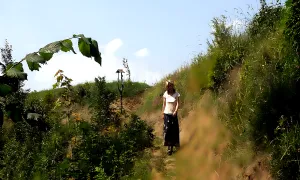
Real photos taken near the monument


Zdroj a licence jsou uvedeny u každého snímku.
Tips from visitors
No tips yet. Be the first!
Log in and add your tip.
Sources and literature
Photos: Jiří Sedláček / CC BY-SA 3.0 — Wikimedia Commons. The author and licence also appear when you hover over the image.
Faktickým podkladem tohoto textu byl článek na Wikipedii, jehož autory jsou přispěvatelé Wikipedie. Článek je dostupný pod licencí CC BY-SA 4.0.
Location on the map


Příběhy a pověsti
Legendy, pověsti a příběhy spjaté s touto památkou
Fotografie návštěvníků
Zatím žádné fotografie. Buďte první, kdo přidá fotografii z návštěvy!
Log in a přidejte svou fotografii nebo hodnoťte.
Za ověřenou návštěvu v aplikaci získáte víc bodů — poznáme podle GPS, že jste na místě.
Reviews and comments