






Kostel svatého Václava (Stará Voda) Church
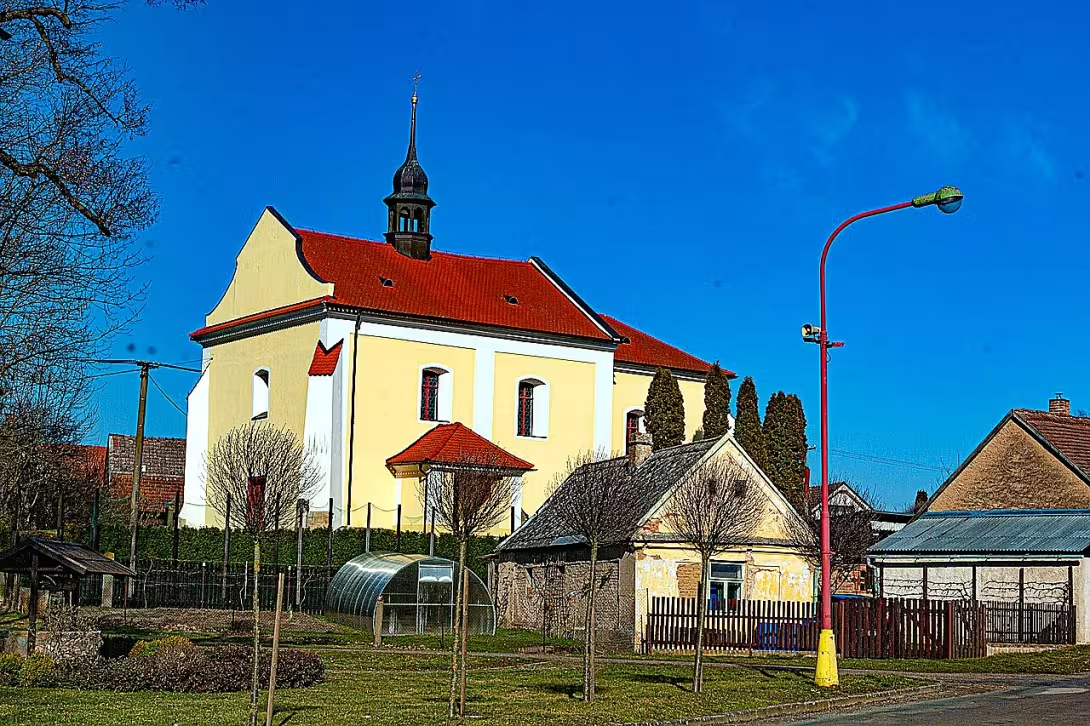
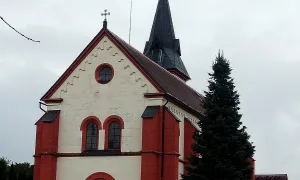
The Church of Saint Wenceslas in Stará Voda is a prominent Gothic structure from the mid-14th century, recognized as a cultural monument within the Czech Republic. Situated in the village of Stará Voda, it holds historical significance and has evolved architecturally over centuries. First mentioned in 1380, it underwent Baroque modifications in the 17th century and was comprehensively restored by 2008, with a new façade added in 2013. The church remains an important site under the Roman Catholic parish of Chlumec nad Cidlinou, hosting regular Sunday masses.
Constructed when Bohemia was part of the Holy Roman Empire, the Church reflects significant political and cultural developments. Its Gothic architectural style mirrors broader European trends in ecclesiastical design from that era. First mentioned in 1380, its origins date back to a period when Gothic architecture flourished across Europe.
Architecturally, it features a single-nave design with a rectangular floor plan and a right-angled presbytery. A sacristy adjoins the northern side of the presbytery, while an entrance porch is attached to the southern side of the nave. The nave has a flat ceiling, whereas the presbytery boasts a cross-vaulted ribbed ceiling. These elements highlight its evolution from Gothic origins to include 17th-century Baroque modifications.
Throughout history, the church experienced significant changes and restorations. In the 17th century, it underwent Baroque modifications that added new stylistic elements. A comprehensive restoration was completed by 2008, culminating in reconsecration. Further enhancing its appearance, a new façade was installed in 2013. These efforts have ensured its preservation for future generations.
The interior is adorned with notable features. The main altar, dating from 1677-1679, likely originates from the workshop of carpenter P. Vaňek from Česká Třebová and features an image of Saint Wenceslas. An early Baroque pulpit from the third quarter of the 17th century is also present. The organ, crafted by Ignác Welzel, a renowned builder from Králík, was installed in 1843. These elements contribute to its rich artistic heritage.
Nearby, a substantial hexagonal wooden bell tower from the 16th century complements the church complex. In 2013, this bell tower underwent comprehensive repairs alongside the restoration of the church façade. The new roof of the bell tower was solemnly consecrated on November 16, 2013, marking another chapter in preservation efforts for this historical site.
Today, the Church of Saint Wenceslas remains an accessible and significant cultural landmark. It continues to serve as a place of worship under the Roman Catholic parish of Chlumec nad Cidlinou, with regular Sunday masses at 8:00 AM. Visitors are drawn by its religious significance and historical and architectural value. The church's well-preserved Gothic structure, enhanced by Baroque elements, offers insight into the region's rich cultural heritage.
The Church of Saint Wenceslas in Stará Voda is more than an architectural marvel; it is a testament to the enduring legacy of religious and cultural history in the Czech Republic. Its preservation ensures future generations can appreciate its beauty and significance. Visitors are invited to explore this remarkable site, where history and spirituality converge in a harmonious blend of Gothic and Baroque artistry.
Then and now
Drag the slider to compare how the landmark may have looked when it was built with the view today.
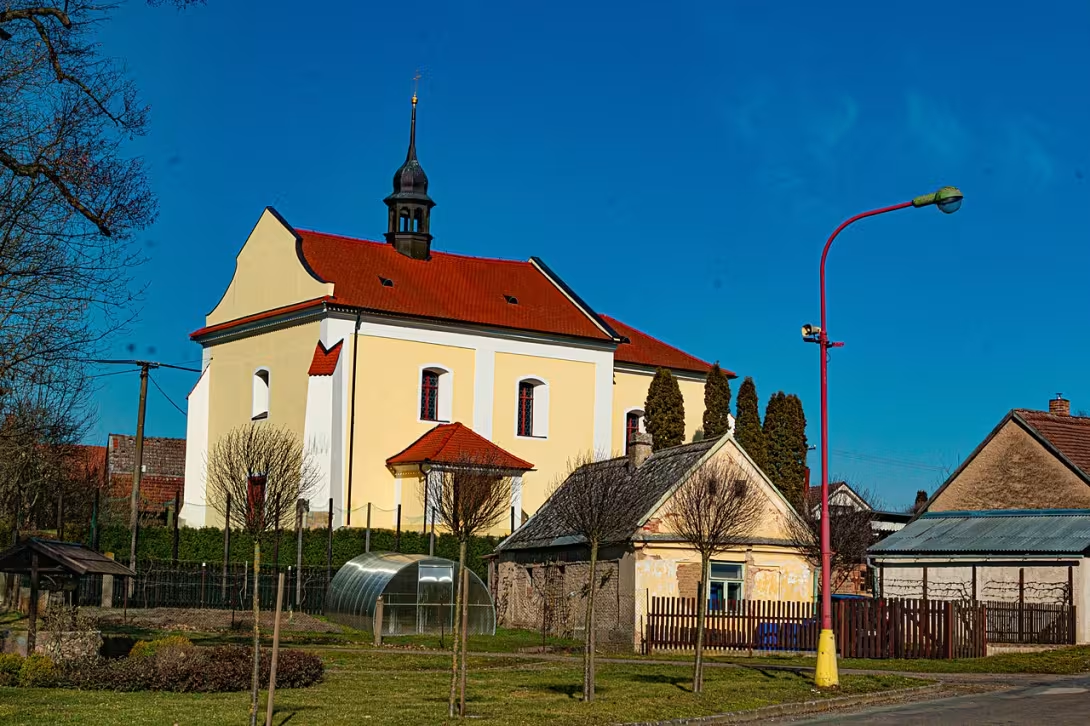

The historical appearance on the left is an AI-generated visualisation and serves as inspiration only.
Historical milestones
- 1380
- First historical mention of the Church.
- 17th century
- Baroque modifications were made to the church.
- 2008
- The church was completely restored and reconsecrated.
- 2013
- A new façade was added to the church.
Architectural development
The Church of Saint Wenceslas was originally constructed in the Gothic style during the mid-14th century. It experienced significant architectural changes in the 17th century when it was modified to include Baroque elements. The church underwent a comprehensive restoration process, culminating in its reconsecration in 2008 and receiving a new façade in 2013.
Historical events
First mentioned in historical records in 1380.
Underwent Baroque modifications in the 17th century.
Completely restored and reconsecrated in 2008.
Guide
This guide is narrated by a synthetic voice generated by artificial intelligence.
Show guide text
This text was created by artificial intelligence and has not been editorially reviewed. It may contain inaccuracies.
Welcome to the historic Church of Saint Wenceslas in Stará Voda, a remarkable testament to architectural evolution and cultural heritage right here in Královéhradecký kraj. As you stand before this majestic structure, take a moment to soak in its grandeur and consider the centuries of history it represents.
The origins of this church trace back to the mid-14th century, with its first historical mention recorded around 1380. This period was marked by significant cultural and architectural developments in Bohemia, laying the groundwork for what would become an iconic Gothic structure. Over time, as tastes and styles evolved, so too did the Church of Saint Wenceslas. In the 17th century, it embraced Baroque modifications, reflecting a broader trend across Europe where older structures were reimagined to suit contemporary aesthetics.
Architecturally, this church is a fascinating blend of Gothic solidity and Baroque elegance. Its single-nave design with a rectangular floor plan speaks to its original medieval purpose, while the right-angled presbytery adds a layer of complexity to its form. As you look around, notice how these elements coexist harmoniously, each telling its own story of adaptation and survival through centuries.
Despite numerous restorations aimed at preserving its integrity and beauty, an intriguing aspect of this church is the preservation of its original Gothic elements amidst Baroque influences. This unique combination not only highlights the cultural transitions in Bohemia from the 14th to the 17th centuries but also showcases the skill and vision of those who have cared for it through time.
While specific historical figures directly associated with the church remain unknown, the structure itself stands as a silent witness to countless untold stories. Its walls may not hold names, but they resonate with the echoes of prayers, celebrations, and community life that have unfolded within them over the centuries.
One particularly captivating mystery is how the church has managed to maintain its Gothic essence despite the extensive Baroque modifications. This balance between preservation and adaptation invites us to ponder the values and priorities of those who restored it in 2008, culminating in a comprehensive restoration and reconsecration that breathed new life into this historic monument.
In 2013, a new façade was added, further enriching its architectural narrative. As you stand here today, take a moment to appreciate not just the visual splendor of what's before your eyes but also the layers of history embedded in every stone and spire.
We invite you to continue exploring this remarkable site, perhaps wandering around its perimeter or imagining the lives that have intersected with this sacred space. The Church of Saint Wenceslas is more than just a building; it's a portal to the past, offering insights into the cultural and architectural evolution of Bohemia.
Thank you for joining us on this journey through time. May your visit inspire a deeper appreciation for the stories and craftsmanship that have shaped our world. Farewell, until next time.
Frequently asked questions
Can the monument be visited?
Religious buildings are usually open mainly during services; at other times a visit is normally arranged with the parish or the operator. We have not verified specific times.
Where is the monument?
Location: Stará Voda, Královéhradecký kraj. The map on this page shows the exact spot.
Why is the monument protected?
It is listed in the Central List of Cultural Monuments of the Czech Republic as a cultural monument (register no. 27261/6-704).
Businesses nearby
Do you run a restaurant, accommodation, shop, museum, rental, wellness or other visitor service near this monument? Show yourself directly to the people heading to it — this is how they will see you in the app and on the web:
Accommodation nearby
Trips and activities nearby
Guided tours, tickets and activities nearby from GetYourGuide
Affiliate link: if you buy from the partner, we may receive a commission. The price for you does not change.
Search tours and activities →Themed route
Thematic Walking Tour: Stará Voda
1. Kostel svatého Václava (Stará Voda) - Church Begin your journey at the heart of Stará Voda with the Church of Saint Wenceslas. This historical church is a central piece of the town's heritage, offering visitors a glimpse into its architectural beauty and spiritual significance. The church stands as a testament to the region’s rich history and cultural traditions.
2. Stará Voda Village Square - Town Square A short walk from the church will lead you to the charming village square in Stará Voda. This area is perfect for soaking up the local atmosphere, with its quaint architecture and inviting ambiance. The square serves as a social hub where locals gather, making it an ideal spot to experience community life.
3. Local Artisan Shops - Shopping Nearby, explore the artisan shops that line the streets around the village square. These small businesses offer unique handmade goods, from traditional crafts to local delicacies. Visiting these shops provides insight into the region’s craftsmanship and allows you to take home a piece of Stará Voda's culture.
4. Historical Walking Paths - Nature Walk Conclude your tour by strolling along the historical walking paths that meander through Stará Voda. These trails offer scenic views and an opportunity to reflect on the town’s history while enjoying its natural beauty. The paths are perfect for a leisurely walk, allowing you to appreciate both the landscape and the architectural landmarks in the distance.
This tour provides a comprehensive experience of Stará Voda's cultural and historical essence, ensuring visitors leave with lasting memories of this charming locale.
Seasonal recommendations
Spring: The arrival of spring at the Church of St. Wenceslas in Stará Voda brings a rejuvenating atmosphere as nature awakens around this historic site. The surrounding landscape is adorned with blooming flowers and fresh greenery, creating a picturesque setting that enhances the church's architectural beauty. With longer daylight hours, visitors can enjoy extended visits to explore both the interior and exterior of the church in ample natural light. This season attracts moderate crowds, making it an ideal time for those seeking a balance between tranquility and accessibility. Practical advice includes wearing comfortable walking shoes suitable for potentially muddy paths and carrying layers as temperatures can vary throughout the day.
Summer: Summer at the Church of St. Wenceslas is marked by vibrant greenery and warm sunshine that accentuates the church's historic charm. The longer days provide ample time to explore, but it's advisable to arrive early in the morning or later in the afternoon to avoid peak tourist hours, as this period attracts many visitors drawn to the region's cultural heritage. During summer, the church grounds are particularly lively, with nature at its most lush and inviting. Visitors should dress comfortably for warm weather, opting for light clothing and sun protection such as hats and sunscreen.
Autumn: Autumn transforms the Church of St. Wenceslas in Stará Voda into a serene haven with its rich palette of reds, oranges, and yellows. The cooler temperatures create a calm atmosphere ideal for appreciating the church's historic details without the bustle of summer crowds. As days shorten, it is wise to plan visits during daylight hours to fully experience both the interior and the enchanting autumnal landscape surrounding the site. Layered clothing is recommended to accommodate fluctuating temperatures, and carrying a light jacket or sweater can enhance comfort as evenings cool down.
Winter: Winter at the Church of St. Wenceslas offers a quiet, contemplative experience with its snow-covered surroundings that lend an ethereal quality to the historic structure. The shorter days mean visiting hours are more limited, so planning ahead is essential to make the most of your time. While winter can bring fewer visitors, it's important to dress warmly in layers and wear sturdy footwear suitable for potentially icy conditions. Despite the colder weather, the church remains a peaceful destination for those seeking solace amidst its historic beauty and wintry landscape.
Visualizations and artistic views


The visualisations are generated by artificial intelligence and serve as inspiration.
Photos from the area
Real photos taken near the monument


Zdroj a licence jsou uvedeny u každého snímku.
Tips from visitors
No tips yet. Be the first!
Log in and add your tip.
Sources and literature
Photos: Petr1888 / CC BY-SA 4.0 — Wikimedia Commons. The author and licence also appear when you hover over the image.
Faktickým podkladem tohoto textu byl článek na Wikipedii, jehož autory jsou přispěvatelé Wikipedie. Článek je dostupný pod licencí CC BY-SA 4.0.
Location on the map

Příběhy a pověsti
Legendy, pověsti a příběhy spjaté s touto památkou
Fotografie návštěvníků
Zatím žádné fotografie. Buďte první, kdo přidá fotografii z návštěvy!
Log in a přidejte svou fotografii nebo hodnoťte.
Za ověřenou návštěvu v aplikaci získáte víc bodů — poznáme podle GPS, že jste na místě.
Reviews and comments