






kostel svatého Václava (Stonařov) Church
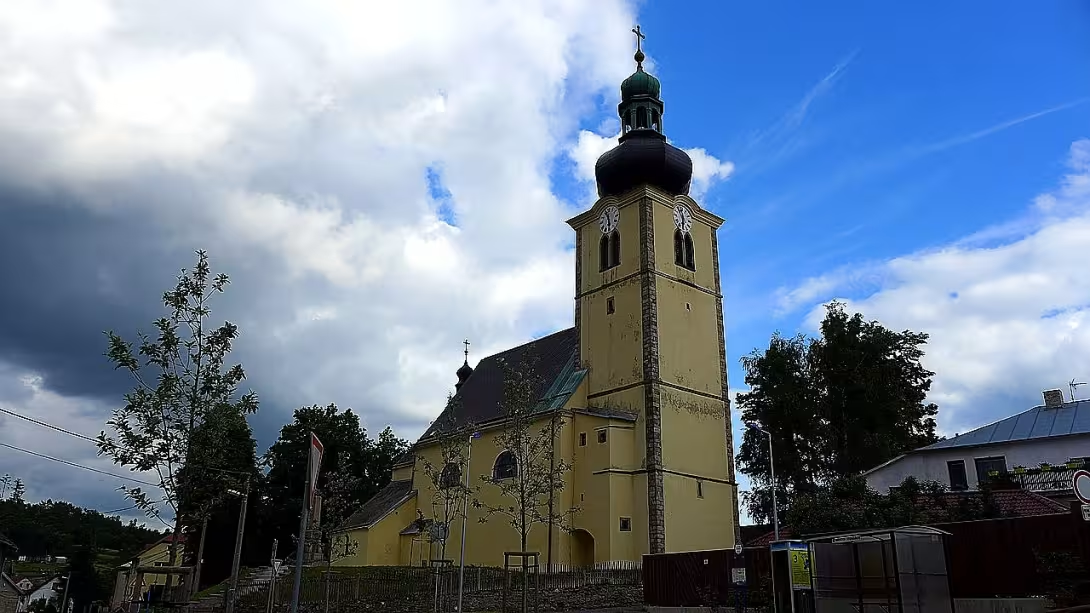
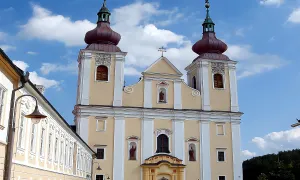
The Church of Saint Wenceslas in Stonařov is a remarkable Baroque church with a Gothic core, located at the heart of this picturesque village. Situated in the central part of Stonařov within the Jihlava District of the Vysočina Region, it stands on the site of a former cemetery and serves as the parish church for the Roman Catholic community. This architectural gem is notable not only for its historical significance but also because it forms part of a cultural heritage site that includes a chapel and an exceptional late Romanesque ossuary. The ensemble is protected as a cultural monument of the Czech Republic, highlighting its importance in both religious and cultural contexts.
The origins of the Church of Saint Wenceslas date back to the 13th century when its initial core was constructed. During this period, Bohemia was part of the Holy Roman Empire and experienced significant Gothic architectural development due to its central location in Europe. The church underwent substantial renovations in the 14th century, adopting a Gothic style that would influence its structure for centuries. By the late 16th century, further modifications were made; specifically, it was altered in 1591, and by 1598, a tower had been added to enhance its architectural presence.
The church's architecture is a fascinating blend of styles, primarily Baroque with an underlying Gothic core. This combination reflects the various phases of reconstruction and renovation that have shaped its current form. The most significant transformation occurred in 1804 when the church was extensively reconstructed and expanded. During this period, both the presbytery and nave were newly enclosed, marking a shift towards its present Baroque appearance. Additional reconstructions took place in 1893 and again in 1913, ensuring that the structure remained functional and aesthetically relevant.
Throughout its history, the Church of Saint Wenceslas has seen several key events and curiosities that add to its allure. Notably, it was built on the site of a former cemetery, which was abolished in 1878. This historical detail is preserved through three gravestones from the original cemetery embedded near the entrance, added during minor renovations in 1949. These elements provide a tangible connection to the church's past and its evolving role within the community.
Today, the Church of Saint Wenceslas stands as an integral part of Stonařov’s cultural landscape. It is accessible to visitors who wish to explore its rich history and architectural beauty. The site includes not only the church but also a chapel built around 1700 and a unique late Romanesque ossuary, collectively forming a significant sacral complex. This ensemble offers insights into the religious and cultural heritage of the region, making it an essential visit for those interested in architecture, history, or spirituality.
The Church of Saint Wenceslas is more than just a place of worship; it is a testament to the historical and architectural evolution that has occurred over centuries. Its blend of Baroque and Gothic elements, coupled with its storied past, makes it a fascinating destination for visitors. Whether you are drawn by its religious significance or intrigued by its architectural splendor, this church invites exploration and appreciation, offering a unique glimpse into the cultural tapestry of Stonařov.
Then and now
Drag the slider to compare how the landmark may have looked when it was built with the view today.
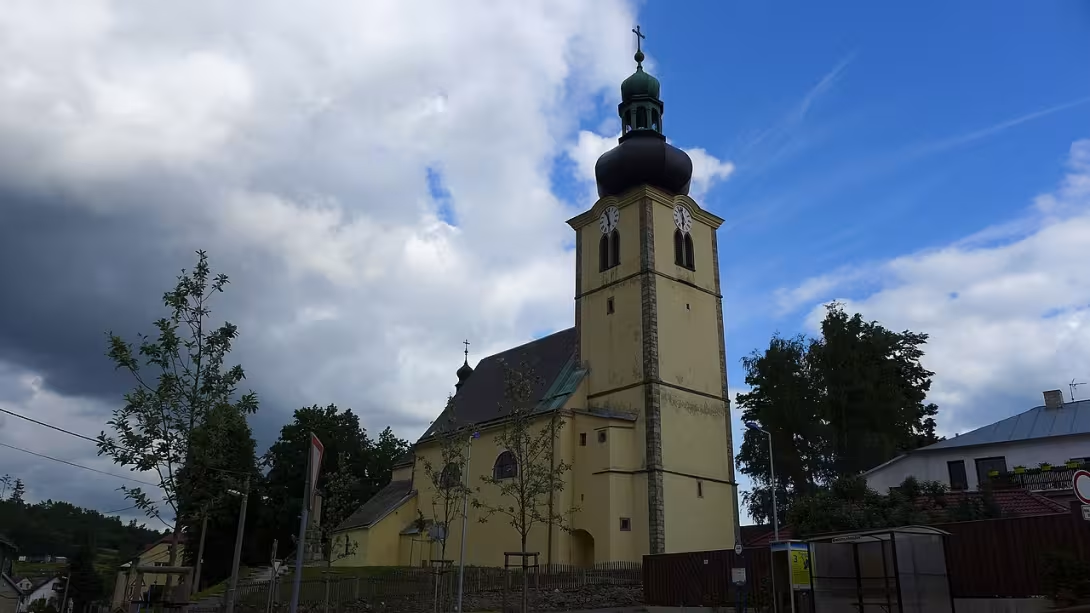
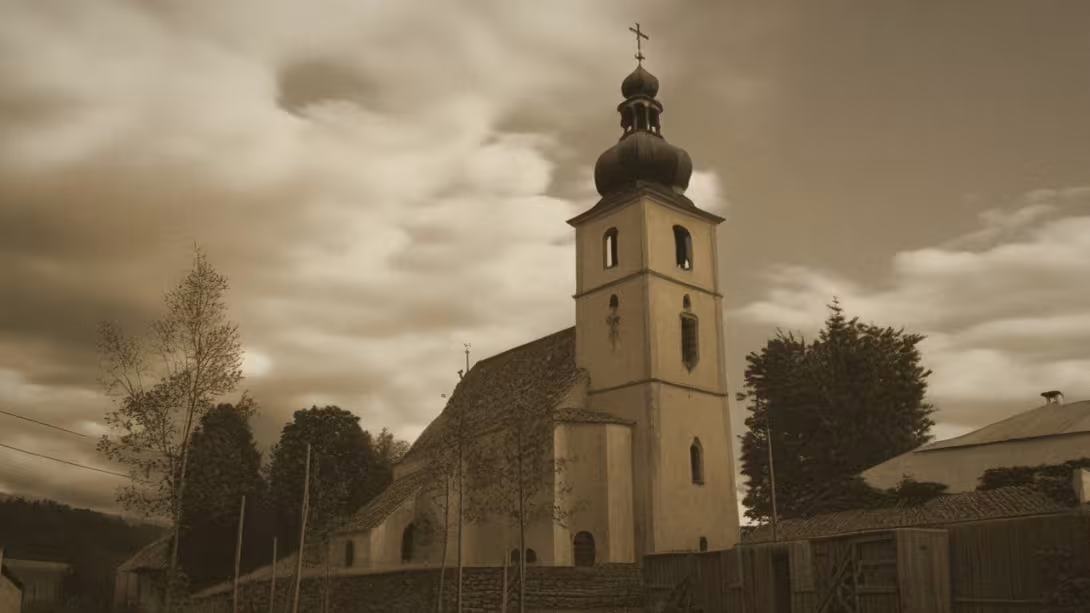
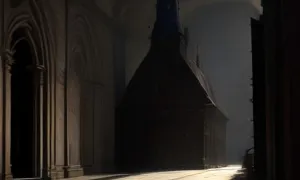
The historical appearance on the left is an AI-generated visualisation and serves as inspiration only.
Historical milestones
- 1591
- The church was modified.
- 1598
- A tower was added to the church.
- 1804
- Significant reconstruction and expansion of the church occurred.
- 1878
- The surrounding cemetery was abolished.
- 1893
- The church underwent another round of reconstruction.
- 1913
- Further reconstruction took place.
- 1949
- Three gravestones from the original cemetery were embedded near the entrance during minor renovations.
Architectural development
The Church of Saint Wenceslas began as a structure from the 13th century with Gothic renovations in the 14th century. It was significantly restructured into its current baroque form in 1804, which included expanding the church and adding new closures to both the presbytery and nave. Additional reconstructions took place in 1893 and 1913.
Historical events
The original core was built in the 13th century, with significant Gothic renovations occurring in the 14th century.
In 1804, the church underwent major reconstruction and expansion, including a new closure of the presbytery and nave.
Guide
This guide is narrated by a synthetic voice generated by artificial intelligence.
Show guide text
This text was created by artificial intelligence and has not been editorially reviewed. It may contain inaccuracies.
Welcome in front of the Church of Saint Wenceslas in the small town of Stonařov. You are standing before a unique Baroque building with a Gothic core, located on the site of a former cemetery. The church is notable for its polygonal closed section and towerlet, making it a dominant feature of the village center.
Let's delve a bit into history. The Church of Saint Wenceslas was originally built in the 16th century but has been seen in various forms over time. In 1591, the church underwent significant reconstruction, and by 1598, a towerlet had been added. In the 19th century, it experienced two more major reconstructions, in 1804 and 1893. The surrounding cemetery was abolished in 1878, but three original gravestones were preserved and relocated to the entrance in 1949.
Notice the church's polygonal closed section that creates a unique atmosphere. Take a look at the façade and observe the details resulting from various construction modifications. The Church of Saint Wenceslas is not only an architectural landmark but also a place where you can immerse yourself in history and the ambiance of the past.
Now, pay attention to the three original gravestones located by the entrance. They are the last remnants of the cemetery abolished in 1878. These gravestones remind us that the Church of Saint Wenceslas has a rich history and its construction is the result of many modifications.
Today, the Church of Saint Wenceslas is an active church site where services and other social events are held. It's a beautiful place to feel connected with history and culture. Allow yourself to stroll around the church and admire its beauty. And before you leave, stop by the original gravestones and note how these historical sites remain vibrant today.
Tips for visitors
The best time to visit the Church of Saint Wenceslas in Stonařov is during late spring or early autumn, when the weather is pleasant for exploring both the church's interior and its surrounding areas. During these months, you can enjoy the lush greenery that frames this historic site without the crowds typically found in peak summer months. Additionally, visiting outside of major holidays may provide a more serene experience, allowing for better appreciation of the baroque architecture blended with gothic elements.
Always verify current routes and schedules through a reliable travel app or website before your visit.
When planning your visit, bring comfortable walking shoes as you'll likely explore both inside the church and its surrounding areas. A camera is recommended for capturing the unique architectural details of the church's polygonal closure and spire tower. Additionally, consider bringing a light jacket, as temperatures can vary throughout the day, especially in spring or autumn.
For photography enthusiasts, early morning or late afternoon offers the best natural lighting to capture the intricate details of the Church of Saint Wenceslas. The soft light during these times enhances the textures and colors of the baroque and gothic elements. Try taking photos from different angles around the church's perimeter for varied perspectives.
While specific locations are not detailed here, regional guides often highlight local castles and nature trails that offer scenic views and cultural insights into this part of Czechia.
Frequently asked questions
Can the monument be visited?
Religious buildings are usually open mainly during services; at other times a visit is normally arranged with the parish or the operator. We have not verified specific times.
Where is the monument?
Location: Stonařov, Kraj Vysočina. The map on this page shows the exact spot.
Why is the monument protected?
It is listed in the Central List of Cultural Monuments of the Czech Republic as a cultural monument (register no. 33138/7-5223).
Businesses nearby
Do you run a restaurant, accommodation, shop, museum, rental, wellness or other visitor service near this monument? Show yourself directly to the people heading to it — this is how they will see you in the app and on the web:
Accommodation nearby
Trips and activities nearby
Guided tours, tickets and activities nearby from GetYourGuide
Affiliate link: if you buy from the partner, we may receive a commission. The price for you does not change.
Search tours and activities →Themed route
Stonařovská trasa
1. Kostel svatého Václava (hlavní cíl): Historický kostel svatého Václava v centru obce Stonařov je dominantou vesnice a stojí za návštěvu pro svou jedinečnou architekturu a bohatou historii. Kostel je zapsán na seznam kulturních památek České republiky.
2. Hradisko a kostel svatého Bartoloměje (přibližně 2 km od Stonařova): Hradisko s kostelem svatého Bartoloměje leží na kopci nad obcí. Stojí za návštěvu pro své historické významy a panoramatický výhled na okolí.
3. Zámek Telč (přibližně 10 km od Stonařova): Zámek v Telči je významnou kulturní památkou a stojí za návštěvu pro svou jedinečnou architekturu a bohatou historii. Zámek je součástí městského centra Telče a nabízí výborný výhled na město.
4. Telč (přibližně 10 km od Stonařova): Město Telč je známé svými historickými budovami a je zapsáno na seznam světového dědictví UNESCO. Stojí za návštěvu pro svou jedinečnou atmosféru a bohatou historii.
5. Kostel svatého Bartoloměje v Telči (přibližně 10 km od Stonařova): Kostel svatého Bartoloměje v Telči je významnou kulturní památkou a stojí za návštěvu pro svou jedinečnou architekturu a bohatou historii. Kostel je součástí historického jádra města Telče.
Seasonal recommendations
Jaro: In the spring season, St. Wenceslas Church is surrounded by blooming trees and flowers that create a pleasant atmosphere. The specific feature of this time is the soft and warm lighting. It's advisable to bring warm clothing, as it can be chilly outdoors during spring days.
Léto: During the main summer season, St. Wenceslas Church is one of the most visited sites in the region. We recommend visiting the church early in the morning or late in the afternoon to avoid large tourist crowds. The specific feature of this time is the pleasant and warm lighting that creates a cozy environment. It's also good to bring an umbrella or sunglasses for sun protection.
Podzim: In the autumn season, St. Wenceslas Church is surrounded by beautiful nature with leafy trees and colorful foliage. The specific feature of this time is the soft and warm lighting. It's advisable to bring warm clothing, as it can be chilly outdoors during autumn days.
Zima: In the winter season, St. Wenceslas Church is closed and only open for a limited time. We recommend visiting the church in the winter when it's open only from 10 to 14 hours to avoid large tourist crowds. It's good to bring warm clothing and boots to protect against cold and wet ground.
Visualizations and artistic views


The visualisations are generated by artificial intelligence and serve as inspiration.
Photos from the area
Real photos taken near the monument


Zdroj a licence jsou uvedeny u každého snímku.
Tips from visitors
No tips yet. Be the first!
Log in and add your tip.
Sources and literature
Photos: Koutne1 / CC BY-SA 4.0 — Wikimedia Commons. The author and licence also appear when you hover over the image.
Faktickým podkladem tohoto textu byl článek na Wikipedii, jehož autory jsou přispěvatelé Wikipedie. Článek je dostupný pod licencí CC BY-SA 4.0.
Location on the map

Příběhy a pověsti
Legendy, pověsti a příběhy spjaté s touto památkou
Fotografie návštěvníků
Zatím žádné fotografie. Buďte první, kdo přidá fotografii z návštěvy!
Log in a přidejte svou fotografii nebo hodnoťte.
Za ověřenou návštěvu v aplikaci získáte víc bodů — poznáme podle GPS, že jste na místě.
Reviews and comments