






Kostel svatého Václava v Deštné u Dubé Church
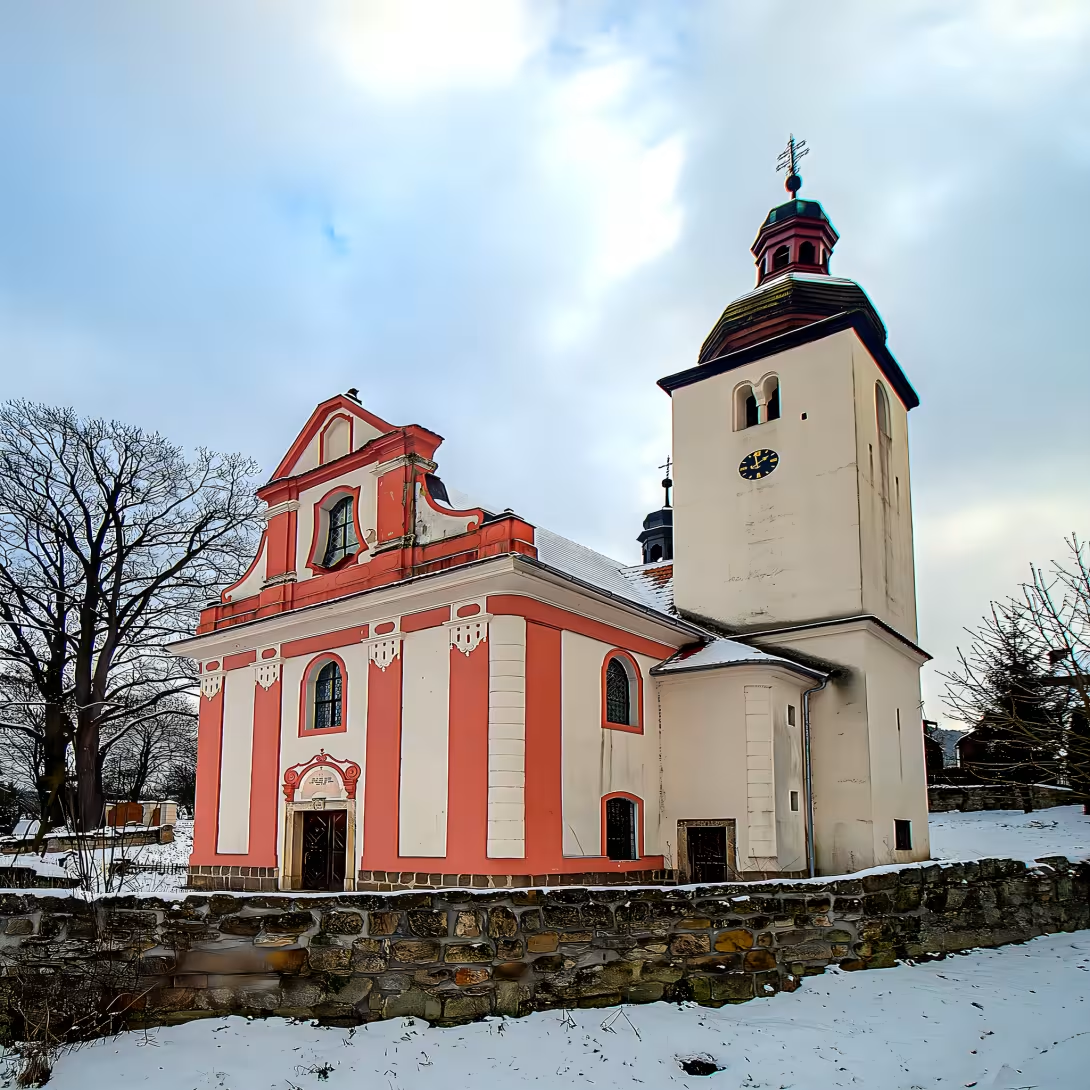
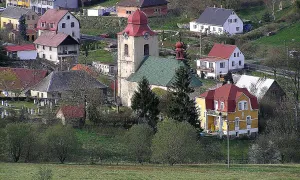
The Church of Saint Wenceslas in Deštná is a Romanesque church in the village of Deštná, part of the town of Dubá in the Czech Republic. This cultural monument is one of the oldest buildings in the region, with a rich history dating back to before 1230. It is notable for its unique blend of Romanesque and Baroque architectural styles, making it a significant historical and cultural landmark.
The church was originally a Romanesque building with a presbytery and a tower. Its exact construction date is unknown, but it is believed to have been built before 1230. The first written record of the church dates back to 1352, when it was mentioned as part of the Mělnické děkanství. The original Romanesque elements, including the eastern apse and the western tower, were preserved during the Baroque renovation that took place between 1763 and 1766.
The church's architecture is a mix of Romanesque and Baroque styles. The original Romanesque building had a presbytery and a tower, which were preserved during the Baroque renovation. The church features a single nave with a half-round presbytery and a sacristy, surrounded by a cemetery and a wooden and raftered courtyard. The main façade is decorated with pilasters and a voluted gable with a casement window. The eastern apse is divided into three bays by lichened arches, while the western tower has two paired windows with a date of 1882.
Inside, the church boasts Baroque-style decoration, including a rosette vault with two fields of Czech planks and a sacristy with a lunette vault. The church's furnishings are also Baroque, including a main altar with a painting of Saint Wenceslas from 1765, and two side altars from before 1769. The church's equipment and paintings date back to the 18th and 19th centuries.
The church has undergone several renovations and restorations over the centuries. In 1763-1766, it was rebuilt in the Baroque style, and in 1817, a sacristy was added. The church was renovated again in 1882, and in 1891, the village of Deštná became a separate parish. The last recorded Easter procession took place in 1938, and the church underwent restoration work between 2009 and 2010. It was reconsecrated on October 4, 2010.
Today, the church is a significant cultural and historical landmark in the region. It is worth visiting for its unique blend of Romanesque and Baroque architectural styles, as well as its rich history and cultural significance. The church is surrounded by a cemetery and a wooden and raftered courtyard, and is a must-see for anyone interested in history and architecture.
Then and now
Drag the slider to compare how the landmark may have looked when it was built with the view today.
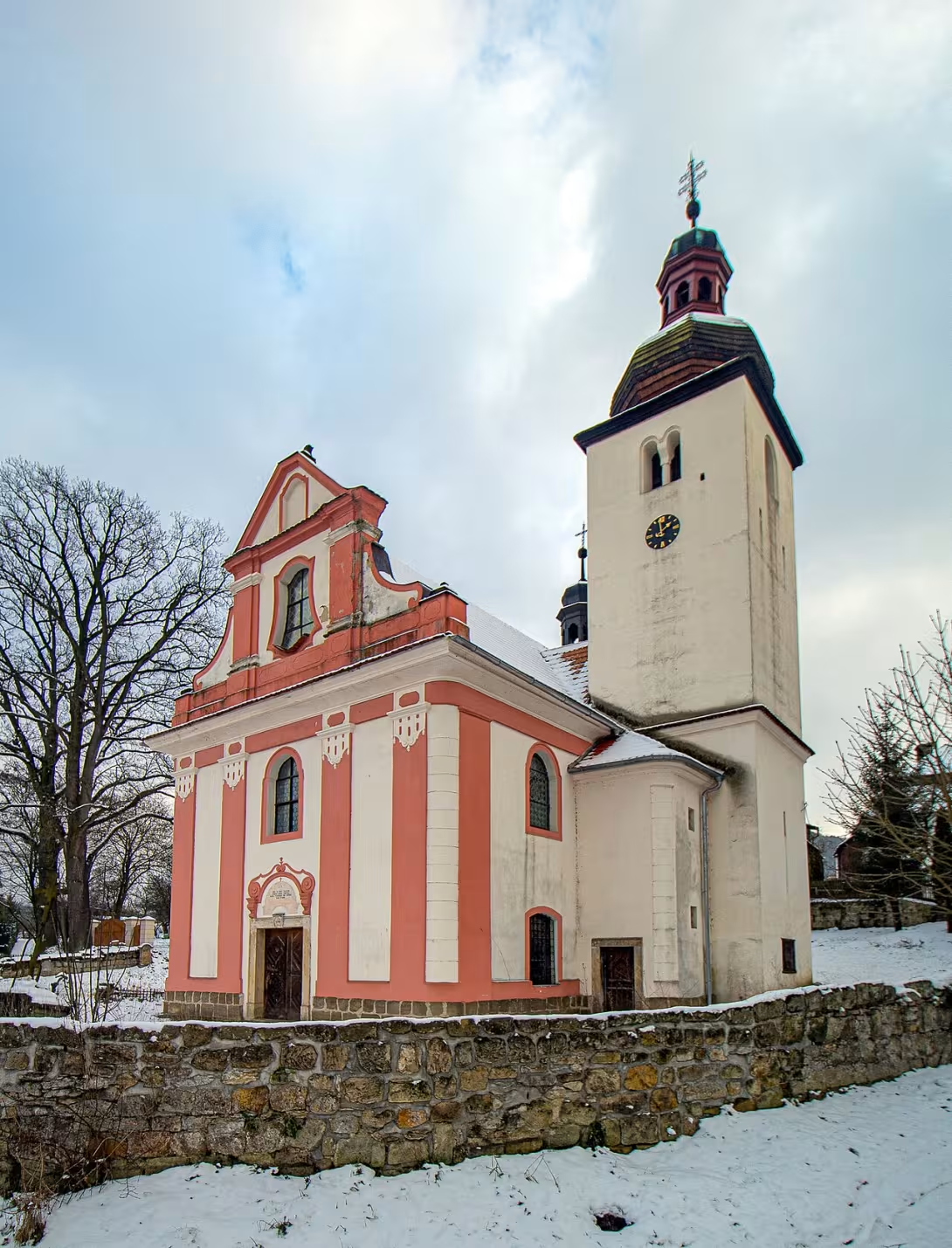
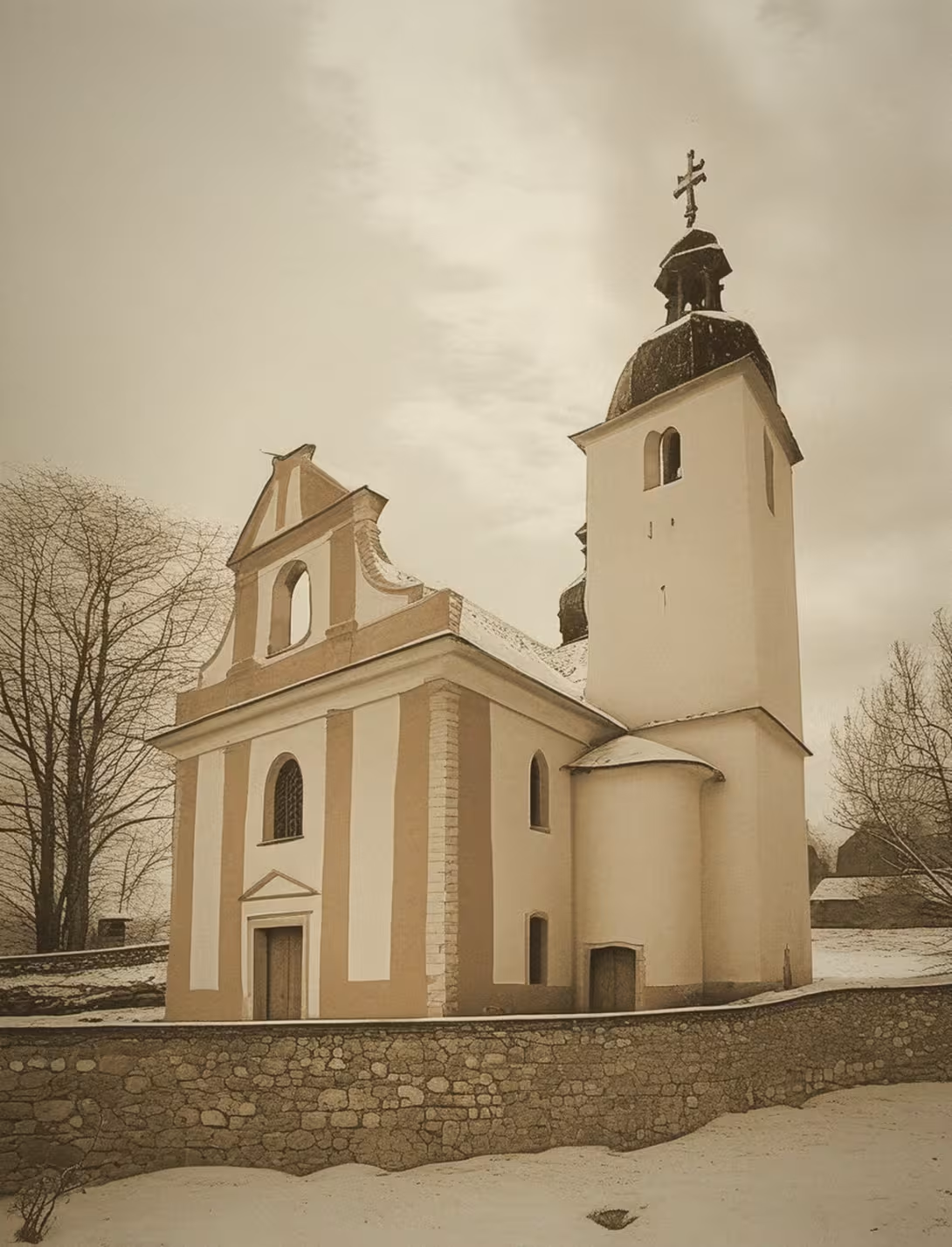
The historical appearance on the left is an AI-generated visualisation and serves as inspiration only.
Historical milestones
- 1230
- The church was built before 1230.
- 1352
- The church was mentioned in a written document for the first time in 1352.
- 1763
- The church was rebuilt in the Baroque style between 1763 and 1766.
- 1766
- The church was completed in the Baroque style in 1766.
- 1817
- A sacristy was added to the church in 1817.
- 1882
- The church was renovated in 1882.
- 1891
- The village of Deštná became a separate parish in 1891.
- 1938
- The last recorded Easter procession took place in 1938.
- 2009
- The church underwent restoration work between 2009 and 2010.
- 2010
- The church was reconsecrated on October 4, 2010.
Architectural development
The church was originally a Romanesque building with a presbytery and a tower. The Baroque-style church was built between 1763 and 1766, and the original Romanesque elements were preserved, including the eastern apse and the western tower. The church has undergone several renovations and restorations over the centuries, including a major renovation in 1882.
Historical events
- 1352
- The church was mentioned in a written document for the first time in 1352.
- 1763
- The church was rebuilt in the Baroque style between 1763 and 1766.
- 1817
- A sacristy was added to the church in 1817.
- 1882
- The church was renovated in 1882.
- 1891
- The village of Deštná became a separate parish in 1891.
- 1938
- The last recorded Easter procession took place in 1938.
- 2009
- Th
Points of interest
– The church has a unique blend of Romanesque and Baroque architectural styles, making it a significant historical and cultural landmark.
– The main façade is decorated with pilasters and a voluted gable with a casement window, which is a rare feature in Czech architecture.
– The church's furnishings are also Baroque, including a main altar with a painting of Saint Wenceslas from 1765, and two side altars from before 1769.
– The church has undergone several renovations and restorations over the centuries, including a major renovation in 1763-1766 and a restoration between 2009 and 2010.
– The church is surrounded by a cemetery and a wooden and raftered courtyard, which adds to its unique charm and historical significance.
Guide
This guide is narrated by a synthetic voice generated by artificial intelligence.
Show guide text
This text was created by artificial intelligence and has not been editorially reviewed. It may contain inaccuracies.
The Church of Saint Václav in Deštná is the oldest architectural monument in the vicinity of Dubé. It stands on an elevated spot on a hillside and is surrounded by a cemetery. At first glance it looks like a Baroque building, but its core is much older.
The original church was Romanesque and was built before the year 1230. It was oriented towards the east. The first written mention comes from the year 1352, when the church belonged to the Mělník deanery.
A fundamental transformation came in the sixties of the eighteenth century. The Romanesque nave was then replaced by a new Baroque nave, which was built according to the design of a builder from Kosmonos by the master masons Hoppe and Oppelt. The church was rotated in the process and has been oriented towards the south ever since. From the Romanesque building only the tower on the western side and the apse on the east remained. The apse was originally the presbytery, that is, the space around the main altar. After the rebuilding it became a kind of side chapel. Its lower part is still decorated with three original blind arcades. The tower with an onion dome has on its sides two paired small windows, probably also Romanesque, with a restoration date of 1882. The sacristy was added in 1817.
Inside, Rococo furnishings from around the year 1766 predominate. On the main altar is a painting of Saint Václav from 1765, and beside it stand statues of Saint Vitus and Saint Ludmila. Two side altars were created by a sculptor from Sloup. The oldest part of the furnishings is the pulpit with late Renaissance reliefs of cherub heads from the end of the sixteenth century. The stone baptismal font dates from the seventeenth or eighteenth century.
An independent parish was established in Deštná in the year 1891. Even in the year 1938 an Easter Ride took place here on Easter Sunday, apparently for the last time. Riders on horses rode around the fields and small sacred monuments in honour of the Crusades to the Holy Land. After 1945 a priest no longer resided here permanently and clergy from Jestřebí or from Dubé travelled here for services. After repairs in 2009 and 2010, the church was blessed again by the Litoměřice bishop Jan Baxant.
A late Baroque gate leads to the cemetery. Not far from the church is a Baroque rectory with a mansard roof. By the road to Dubé is a relief of Calvary carved into the rock, which was probably originally above a spring.
Tips for visitors
The best time to visit the Church of Saint Wenceslas in Deštná is during the spring and summer months when the weather is mild and sunny, making it ideal for outdoor photography.
It's a good idea to bring a camera and a pair of binoculars to get the best views of the church's architecture and surroundings.
The best spots for photography are around the church's exterior, particularly during the golden hour when the light is soft and warm.
In the nearby village of Dubá, visit the baroque-style parish house and the wooden cross on the hill for a unique perspective on the local architecture.
Frequently asked questions
Can the monument be visited?
Religious buildings are usually open mainly during services; at other times a visit is normally arranged with the parish or the operator. We have not verified specific times.
Where is the monument?
Location: Deštná, Liberecký kraj. The map on this page shows the exact spot.
Why is the monument protected?
It is listed in the Central List of Cultural Monuments of the Czech Republic as a cultural monument (register no. 46572/5-3427).
Businesses nearby
Do you run a restaurant, accommodation, shop, museum, rental, wellness or other visitor service near this monument? Show yourself directly to the people heading to it — this is how they will see you in the app and on the web:
Nearby
The church is surrounded by a cemetery and a wooden and raftered courtyard. The nearby village of Dubá has a baroque-style parish house and a wooden cross on the hill.
Accommodation nearby
Themed route
The Wooden Church of St. Wenceslas in Deštná
1. Kostel svatého Václava v Deštné u Dubé (Kostel svatého Václava v Deštné u Dubé) - This wooden church is a rare example of a preserved wooden church in the region and is a must-see for its unique architecture and historical significance. 2. Hřbitov u kostela (Cemetery) - The church is surrounded by a peaceful cemetery where you can pay your respects to the local residents and take in the serene atmosphere. 3. Dřevěný dvůr u kostela (Wooden and Raftered Courtyard) - The courtyard is a charming spot to relax and take in the rustic charm of the wooden church and its surroundings. 4. Barokní fara v Dubé (Baroque Parish House in Dubá) - This beautiful baroque-style parish house is a short walk from the church and offers a glimpse into the region's rich history and architecture. 5. Kříž na kopci v Dubé (Wooden Cross on the Hill in Dubá) - The wooden cross on the hill offers a panoramic view of the surrounding countryside and is a great spot to reflect on the region's history and culture.
Seasonal recommendations
Jaro: In the spring season, St. Wenceslas Church in Deštná u Dubé is surrounded by greenery and flowers, creating a pleasant atmosphere. Practical tips: The best time to visit the church is in the morning or late afternoon to avoid crowds of tourists. Don't forget to bring rain gear for any unexpected showers.
Léto: During the main summer season, St. Wenceslas Church in Deštná u Dubé is very popular with tourists. We recommend arriving early to avoid large crowds. Clothing should be suitable for outdoor walks and photography.
Podzim: In autumn, St. Wenceslas Church in Deštná u Dubé is surrounded by autumn greenery and colorful tree leaves, creating a pleasant atmosphere. Practical tips: The best time to visit the church is in the morning or late afternoon to avoid crowds of tourists. Don't forget to bring rain gear for any unexpected showers.
Zima: In winter, St. Wenceslas Church in Deštná u Dubé is dressed in festive winter attire. We recommend visiting the church in warm clothing and on time to avoid later closures.
Visualizations and artistic views


The visualisations are generated by artificial intelligence and serve as inspiration.
Photos from the area
Real photos taken near the monument


Zdroj a licence jsou uvedeny u každého snímku.
Tips from visitors
No tips yet. Be the first!
Log in and add your tip.
Sources and literature
Photos: VitVit / CC BY-SA 4.0, rozlišení zvýšeno umělou inteligencí — Wikimedia Commons. The author and licence also appear when you hover over the image.
Faktickým podkladem tohoto textu byl článek na Wikipedii, jehož autory jsou přispěvatelé Wikipedie. Článek je dostupný pod licencí CC BY-SA 4.0.
Location on the map
Příběhy a pověsti
Legendy, pověsti a příběhy spjaté s touto památkou
Fotografie návštěvníků
Zatím žádné fotografie. Buďte první, kdo přidá fotografii z návštěvy!
Log in a přidejte svou fotografii nebo hodnoťte.
Za ověřenou návštěvu v aplikaci získáte víc bodů — poznáme podle GPS, že jste na místě.
Reviews and comments