






Kostel svatého Václava (Velký Ořechov) Church
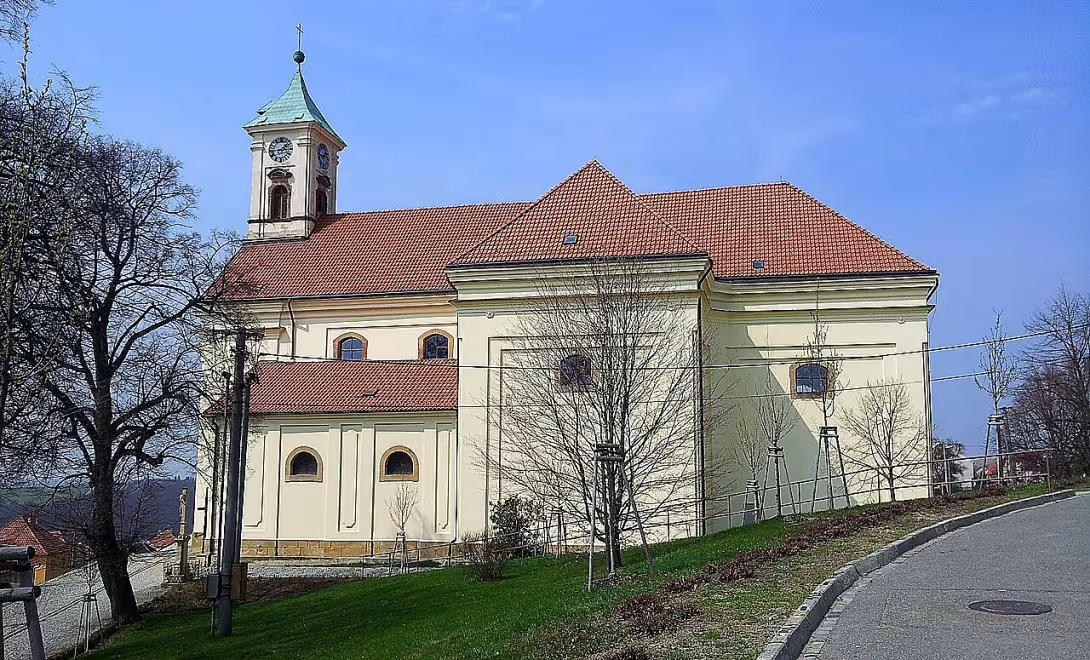
The Church of Saint Wenceslas in Velký Ořechov exemplifies Baroque architecture and cultural heritage in the Czech Republic. Situated in Velký Ořechov, it serves as both a place of worship and a historical monument recognized for its architectural significance. Its origins date back to at least the 14th century, with major reconstruction following destruction by Kuruc forces in the late 17th century. The influence of Domenico Martinelli, an architect known for his work in Vienna during this period, is evident in the church's design, contributing to its status as a cultural monument.
Historically, the Church of Saint Wenceslas has been part of Velký Ořechov since it was first mentioned in archival records in the 14th century. The structure underwent significant changes after destruction during Kuruc incursions into Moravia, leading to reconstruction in the latter half of the 17th century. This period marked political and religious upheaval across Europe, with Baroque architecture flourishing as an expression of dramatic grandeur. The church's current form reflects these influences, showcasing Martinelli’s architectural style through its layout and façade.
Architecturally, the Church of Saint Wenceslas is distinguished by its Baroque elements, including a distinctive façade and interior design influenced by Domenico Martinelli. It features two side altars and paintings by Rudolf Křeček, adding to its artistic heritage. A notable historical artifact within the church is a bell dating back to 1690, surviving from earlier constructions and serving as a tangible link to its past.
Throughout its history, the church has remained an integral part of the local community, functioning as the parish church for Velký Ořechov. In recognition of its cultural significance, it was designated as a protected monument in the Czech Republic. A memorial plaque installed on the exterior wall in 2016 honors P. Antonín Šuránek, who served as a chaplain there from 1950 to 1951, further cementing its role within the community.
Today, the Church of Saint Wenceslas stands not only as a place of worship but also as a site of historical and architectural interest. Visitors can explore its Baroque architecture, admire the artwork by Rudolf Křeček, and reflect on its storied past. The church remains accessible to those wishing to delve into its rich history and appreciate its cultural significance.
The Church of Saint Wenceslas in Velký Ořechov offers a unique glimpse into the architectural and historical tapestry of the Czech Republic. Its preservation as a cultural monument ensures that future generations can continue to explore and appreciate this remarkable site. Visitors are invited to experience firsthand the beauty and history encapsulated within its walls, making it a worthwhile destination for those interested in Baroque architecture and European heritage.
Then and now
Drag the slider to compare how the landmark may have looked when it was built with the view today.
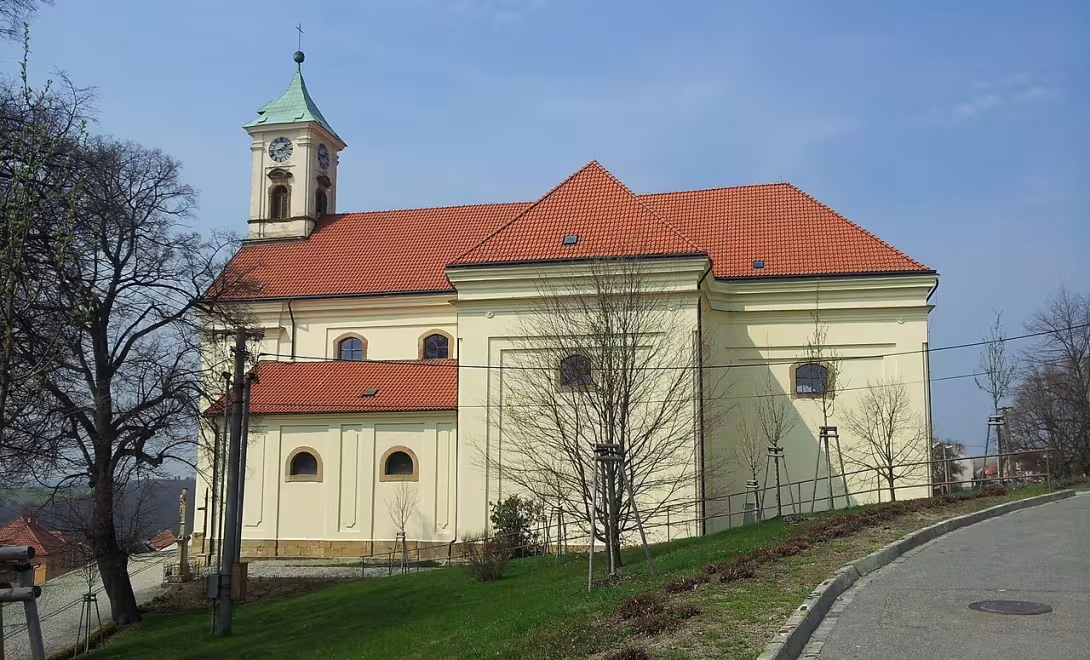

The historical appearance on the left is an AI-generated visualisation and serves as inspiration only.
Historical milestones
- 14th century
- First mention of the Church of Saint Wenceslas in archival records.
- late 17th century
- Destruction by Kuruc forces and subsequent reconstruction.
- 1690
- Bell dating back to this year, surviving from earlier constructions.
- latter half of the 17th century
- Reconstruction influenced by Baroque architecture and Domenico Martinelli.
- 2016
- Installation of a memorial plaque honoring P. Antonín Šuránek.
Architectural development
Originally documented in the 14th century, the church underwent significant reconstruction after its destruction by the Kuruc forces. The current baroque structure reflects architectural influences from Domenico Martinelli's circle, evident in its layout and façade design. Two side altars and paintings by Rudolf Křeček add to its artistic heritage.
Historical events
The church was first mentioned in archival records as early as the 14th century.
After being destroyed during Kuruc incursions into Moravia, it was rebuilt in the latter half of the 17th century.
Guide
This guide is narrated by a synthetic voice generated by artificial intelligence.
Show guide text
This text was created by artificial intelligence and has not been editorially reviewed. It may contain inaccuracies.
Welcome to the Church of Saint Wenceslas in Velký Ořechov, a remarkable testament to baroque architecture and local history. As you stand before this cultural monument, take a moment to absorb its grandeur against the backdrop of Zlínský kraj's serene landscape.
The origins of this church trace back to the 14th century, with its first mention in archival records marking it as an enduring spiritual haven for generations. However, history tells us that by the late 17th century, the original structure fell victim to destruction at the hands of Kuruc forces. This tumultuous period set the stage for a rebirth, leading to the church's reconstruction influenced by the baroque style and the designs of Domenico Martinelli, an architect renowned in Vienna during this era.
As you gaze upon its facade, notice how the church embodies the elegance and drama characteristic of the baroque period. The design elements reflect Martinelli’s influence, offering a harmonious blend of artistic flair and architectural precision. Although specific details are not visible from here, the overall structure invites admiration for its historical resilience and aesthetic appeal.
Throughout its history, this site has witnessed many stories unfold, including those linked to P. Antonín Šuránek, honored by a memorial plaque installed in 2016. While many individuals who contributed to its legacy remain unnamed, their impact is deeply felt within these walls.
One particularly intriguing aspect of the Church of Saint Wenceslas is the legend surrounding hidden tunnels beneath it. These mysterious passageways are rumored to have been used during the Kuruc invasions for clandestine meetings and safe passage, connecting with nearby historical sites. Although unverified, such tales add a layer of mystique, inviting curiosity about what secrets may lie beneath.
We invite you to explore further, allowing your imagination to wander through its storied past and architectural beauty. As you continue your journey, remember the layers of history that have shaped this remarkable site. Thank you for visiting, and we hope this experience has enriched your understanding and appreciation of Velký Ořechov's cultural heritage.
Frequently asked questions
Can the monument be visited?
Religious buildings are usually open mainly during services; at other times a visit is normally arranged with the parish or the operator. We have not verified specific times.
Where is the monument?
Location: Velký Ořechov, Zlínský kraj. The map on this page shows the exact spot.
Why is the monument protected?
It is listed in the Central List of Cultural Monuments of the Czech Republic as a cultural monument (register no. 38137/7-2115).
Businesses nearby
Do you run a restaurant, accommodation, shop, museum, rental, wellness or other visitor service near this monument? Show yourself directly to the people heading to it — this is how they will see you in the app and on the web:
Accommodation nearby
Trips and activities nearby
Guided tours, tickets and activities nearby from GetYourGuide
Affiliate link: if you buy from the partner, we may receive a commission. The price for you does not change.
Search tours and activities →Themed route
Tematická výletní trať: Kostel svatého Václava (Velký Ořechov)
1. Kostel svatého Václava, Velký Ořechov
- Typ: Historická památka
- Proč stojí za návštěvu: Tento barokní kostel je nejvýraznějším historickým a architektonickým dílem v obci Velký Ořechov. Jeho bohaté interiér a krásné fresky přitahují návštěvníky, kteří se zajímají o duchovní i uměleckou historii regionu.
2. Obecní úřad Velký Ořechov
- Typ: Historické budovy
- Proč stojí za návštěvu: Původně postaven jako šlechtický sídlo, dnes sloužící jako obecní úřad, nabízí zajímavý pohled na historii místní správy a architekturu. Je to ideální místo pro pochopení sociálně-ekonomického vývoje obce.
3. Náves Velký Ořechov
- Typ: Místní centrum
- Proč stojí za návštěvu: Náves je srdcem místní komunity, kde se nachází tradiční obchody a restaurace. Je to skvělý prostor pro zastavení si a poznání každodenního života v malé české vesnici.
4. Místní park
- Typ: Zelená plocha
- Proč stojí za návštěvu: Park nabízí klidné chvíle pro relaxaci a přírodu v blízkosti města. Je to ideální místo pro piknik nebo procházku, kde si můžete užít krásy zahradního designu a možná i náhled na okolní krajinu.
Tato trasa nabízí kombinaci historických, kulturních a přírodních atrakcí v obci Velký Ořechov, což umožňuje zábavnou i informativní prohlídku.
Seasonal recommendations
Spring: Visiting the Church of Saint Wenceslas in Velký Ořechov during spring offers a rejuvenating experience as nature awakens around this historic site. The lush greenery and blooming flowers create a picturesque setting, enhancing the church's serene atmosphere. Spring light provides soft illumination that highlights architectural details beautifully. Visitors should anticipate moderate crowds, especially on weekends when locals enjoy the pleasant weather for outdoor activities. It’s advisable to wear comfortable layers as temperatures can vary, and an early visit is recommended to avoid larger groups.
Summer: The summer months bring vibrant life to the Church of Saint Wenceslas, with lush landscapes surrounding the site offering a perfect backdrop for exploration. During this season, daylight extends into the evening, allowing visitors ample time to appreciate both the church's interior and exterior. It’s important to note that this is the peak tourist season; therefore, arriving early in the morning or later in the afternoon can help avoid crowds. Staying hydrated and wearing light clothing are practical tips for comfort during your visit.
Autumn: Autumn transforms Velký Ořechov into a tapestry of warm colors with its stunning foliage providing an enchanting backdrop to the Church of Saint Wenceslas. The crisp air and softer sunlight create a cozy atmosphere, ideal for leisurely strolls around the historic site. As temperatures begin to drop, it's wise to dress in layers and bring a light jacket. While this season sees fewer visitors compared to summer, planning your visit during weekdays can ensure a more tranquil experience.
Winter: Winter offers a unique charm at the Church of Saint Wenceslas, with snow-covered landscapes adding a magical touch to the historic site. Visitors should dress warmly and wear sturdy footwear for navigating potentially icy paths. While fewer tourists venture out in winter, those who do are rewarded with a peaceful and intimate experience of the church's historical beauty.
Visualizations and artistic views


The visualisations are generated by artificial intelligence and serve as inspiration.
Photos from the area
Real photos taken near the monument


Zdroj a licence jsou uvedeny u každého snímku.
Tips from visitors
No tips yet. Be the first!
Log in and add your tip.
Sources and literature
Photos: Adam Zivner / CC BY-SA 3.0 — Wikimedia Commons. The author and licence also appear when you hover over the image.
Faktickým podkladem tohoto textu byl článek na Wikipedii, jehož autory jsou přispěvatelé Wikipedie. Článek je dostupný pod licencí CC BY-SA 4.0.
Location on the map


Příběhy a pověsti
Legendy, pověsti a příběhy spjaté s touto památkou

Fotografie návštěvníků
Zatím žádné fotografie. Buďte první, kdo přidá fotografii z návštěvy!
Log in a přidejte svou fotografii nebo hodnoťte.
Za ověřenou návštěvu v aplikaci získáte víc bodů — poznáme podle GPS, že jste na místě.
Reviews and comments