






Kostel svatého Václava (Vysočany) Church
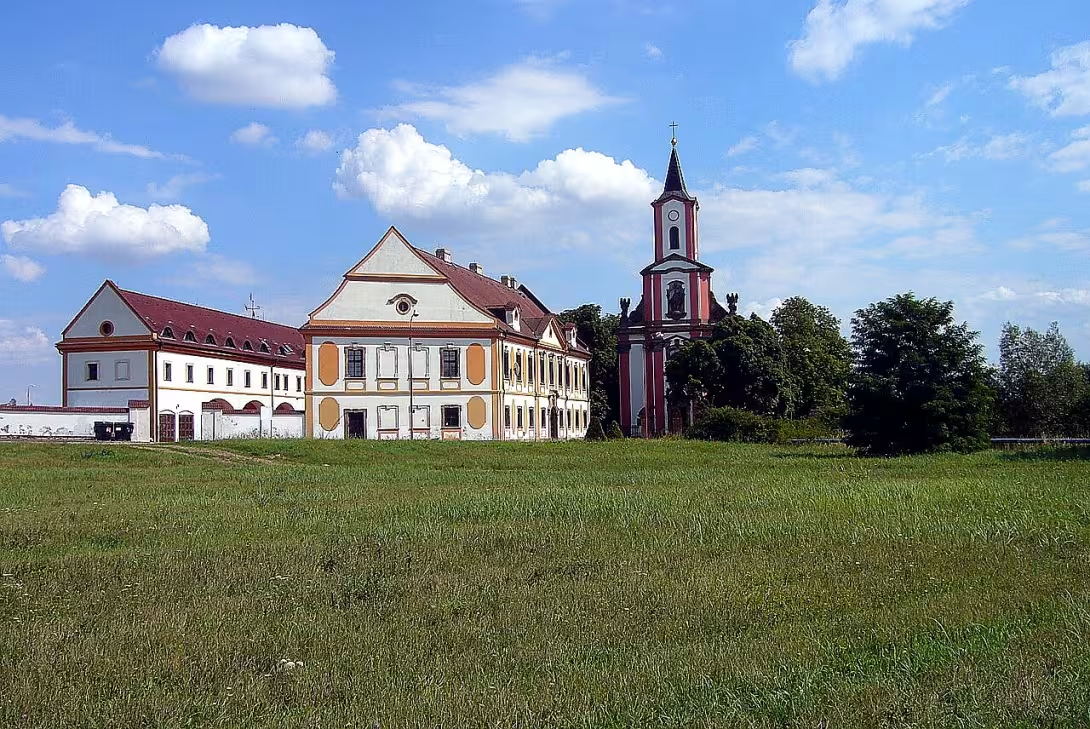
The Church of Saint Wenceslas in Vysočany is a Roman Catholic church dedicated to Saint Wenceslas. It is located within the Chomutov District's village of Vysočany. This Baroque-style edifice stands as a cultural monument and forms part of a cemetery area that once belonged to a vanished village. Constructed between 1727 and 1738 by architect Octavius Broggio for the Cistercian monks, it reflects the architectural trends of its era with its ornate design and grandeur.
The origins of this church date back to the late 17th and early 18th centuries when Bohemia was part of the Habsburg Monarchy. This period saw significant Baroque cultural development influenced by Catholicism. The Church of Saint Wenceslas exemplifies these influences, constructed during a time when religious architecture flourished under Cistercian administration in Vysočany.
Architecturally, the church is an oblong single-nave structure with a presbytery oriented southeast. Both sections are covered with barrel vaults, and it features a sacristy attached to its northern side, which includes an oratory above it. The main nave has a central area with a barrel vault, while other parts of the nave are similarly vaulted. The entrance is distinguished by a three-arched façade divided by pilasters and topped with a gable featuring volutes. A rizalit projects from the center of this façade into a later-built cylindrical tower.
Throughout its history, the church has experienced several significant events. In 1966, it served as temporary storage for small sculptures from villages submerged by the Nechranice dam and later destroyed by brown coal mining. Unfortunately, around ten years later, some artworks were damaged or stolen by unknown vandals, leading to their relocation to other sites such as Strupčice, Údlice, and a Franciscan monastery in Kadaň.
The church underwent restoration starting in 1992, funded by the Cistercian monastery of Osek and Tušimice power plants. This was part of the Architectural Heritage Rescue Program, which saw financial contributions totaling 1.1 million Czech koruna over several years to preserve this historical monument.
Today, the Church of Saint Wenceslas remains a testament to Baroque architecture and Cistercian influence in Vysočany. Its interior is adorned with baroque furnishings from the late 18th century, including altars, organs, baptismal fonts, and benches, as well as paintings by Ignác Raab. Nearby stands a parsonage built simultaneously with the church, featuring a distinctive façade and varied vaulting styles. Approximately 100 meters to the north-northwest is a statue of Saint John of Nepomuk.
Visitors today can appreciate this monument not only for its architectural beauty but also for its historical significance as part of the region's cultural heritage. The Church of Saint Wenceslas offers a glimpse into the past, making it a worthwhile destination for those interested in history and architecture.
Then and now
Drag the slider to compare how the landmark may have looked when it was built with the view today.
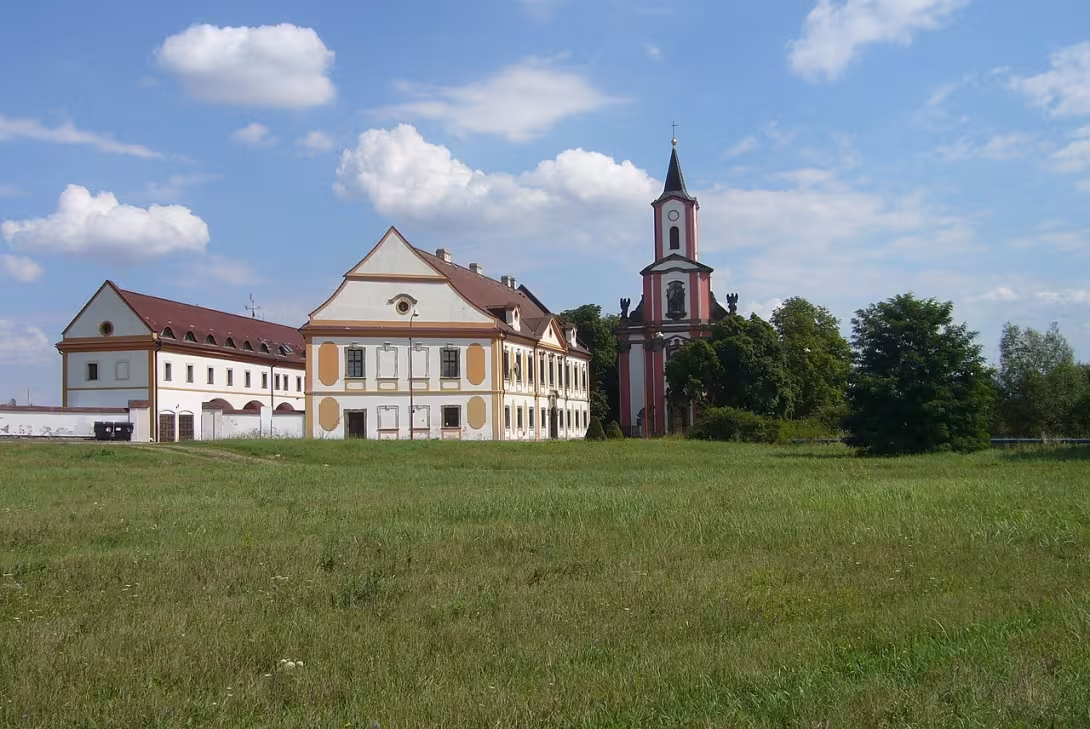
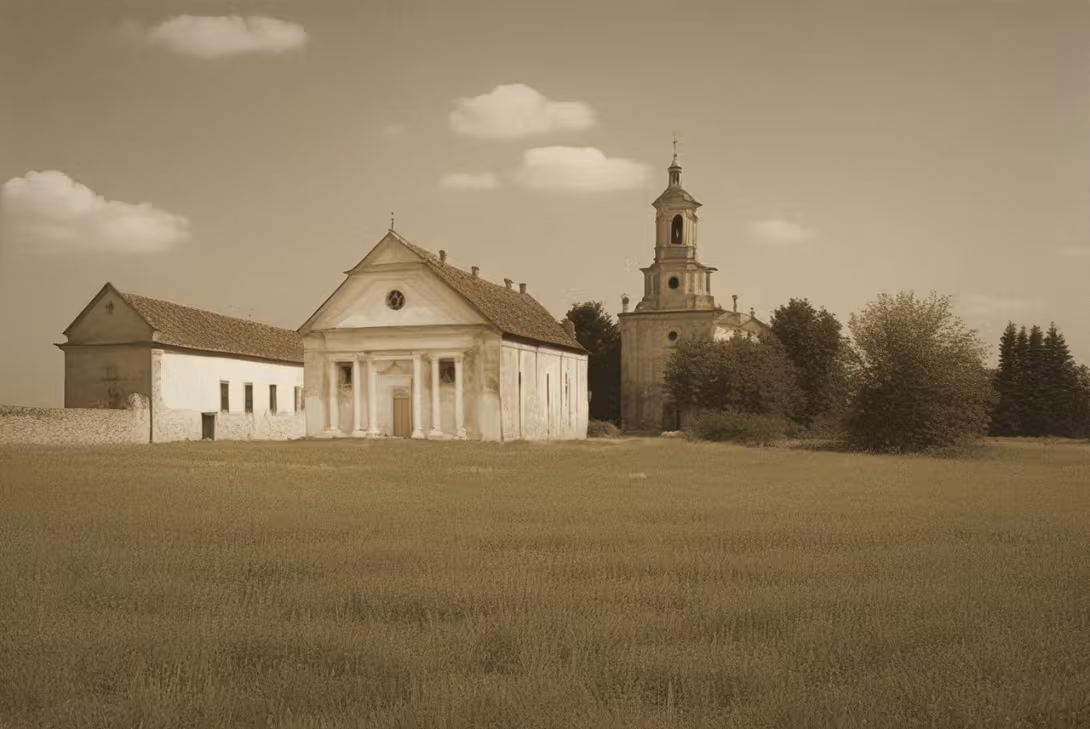
The historical appearance on the left is an AI-generated visualisation and serves as inspiration only.
Historical milestones
- 1727–1738
- Construction of the Church of Saint Wenceslas by Octavius Broggio.
- 1966
- Church used for storage of sculptures from submerged villages.
- circa 1976
- Some artworks damaged or stolen, relocated to other sites.
- 1992
- Restoration began under the Architectural Heritage Rescue Program.
Architectural development
The Church of Saint Wenceslas was built in the Baroque style between 1727 and 1738. It features an oblong single-nave structure with a presbytery oriented southeast, and both are covered with barrel vaults. The church underwent restoration starting in 1992, funded by the Cistercian monastery and Tušimice power plants, as part of the Architectural Heritage Rescue Program.
Historical events
The church was constructed between 1727 and 1738 for the Cistercian monks.
In 1966, it served as a temporary storage for small sculptures from villages submerged by Nechranice dam and later destroyed by brown coal mining.
Points of interest
- The Church of Saint Wenceslas was constructed during a period when Bohemia was under the Habsburg Monarchy, reflecting the Baroque cultural development influenced by Catholicism at that time.
- In 1966, the church temporarily stored small sculptures from villages submerged by the Nechranice dam. These artworks were later damaged or stolen, highlighting the challenges of preserving art in times of industrial change.
- The restoration of the church beginning in 1992 was part of a larger Architectural Heritage Rescue Program, funded significantly by the Cistercian monastery of Osek and Tušimice power plants, emphasizing collaborative efforts to preserve historical sites.
- The church's interior features baroque furnishings from the late 18th century, including altars, organs, baptismal fonts, benches, and paintings by Ignác Raab, showcasing the artistic richness typical of Baroque ecclesiastical interiors.
- Approximately 100 meters north-northwest of the church stands a statue of Saint John of Nepomuk, adding to the spiritual landscape surrounding this historic site.
Guide
This guide is narrated by a synthetic voice generated by artificial intelligence.
Show guide text
This text was created by artificial intelligence and has not been editorially reviewed. It may contain inaccuracies.
Welcome to the Church of Saint Wenceslas in Vysočany, a remarkable testament to history and architecture nestled within this serene village in the Chomutov District. As you stand here, take a moment to absorb the scene before you—a church that not only serves as a spiritual sanctuary but also as a cultural monument with stories etched into its very walls.
The Church of Saint Wenceslas was constructed between 1727 and 1738 by the renowned architect Octavius Broggio. This period marked an era when Bohemia flourished under the Habsburg Monarchy, embracing the Baroque style influenced heavily by Catholicism. The church was commissioned for the Cistercian monks of Osek, who sought a place of worship and community in this tranquil setting.
As you approach the building, notice its elegant design that reflects the architectural trends of its time. Although specific details are not visible from your current vantage point, imagine the harmonious blend of form and function characteristic of Baroque architecture, with every element crafted to inspire awe and reverence.
The history of this church is intertwined with fascinating narratives and notable figures. The Cistercian monks who once administered here played a crucial role in its spiritual life, weaving their monastic traditions into the fabric of Vysočany's community. Their dedication to faith and service left an indelible mark on this sacred site.
An intriguing chapter in the church’s history occurred in 1966 when it temporarily housed small sculptures salvaged from villages submerged by the Nechranice dam. This act of preservation highlights the church’s role beyond its religious functions, serving as a guardian of cultural heritage during times of change and loss.
Fast forward to around 1976, some of these artworks faced damage or theft, prompting their relocation to other sites for safekeeping. Despite these challenges, the church continued to stand resiliently, embodying both spiritual and historical significance.
In 1992, restoration efforts began under the Architectural Heritage Rescue Program, ensuring that this architectural gem would continue to inspire future generations. The dedication to preserving its legacy speaks volumes about our commitment to honoring the past while embracing the present.
As you take in the atmosphere here, let your imagination wander through time, envisioning the lives and stories of those who have walked these grounds before you. Each stone carries whispers of history, inviting you to explore deeper into this captivating narrative.
We invite you to continue exploring Vysočany and its surrounding areas, where more tales await discovery. Thank you for joining us on this journey through time at the Church of Saint Wenceslas. May your visit leave you with a sense of wonder and connection to the rich tapestry of history that surrounds us all. Safe travels as you venture forth into new adventures!
Tips for visitors
The best time to visit the Church of Saint Wenceslas in Vysočany is during late spring or early autumn when the weather is pleasant, allowing for comfortable exploration both inside and outside the church grounds. These seasons offer beautiful natural lighting that enhances the architectural details of the church and its surroundings. Additionally, visiting during these times often means fewer crowds, providing a more serene experience to appreciate this cultural monument.
Parking and transportation options are convenient for visitors planning to explore Vysočany. There is parking available nearby, though it's advisable to check current availability as it may vary. The church is accessible by public transport; however, specific bus or tram numbers should be verified through a local transit search tool prior to your visit. This ensures you can plan your journey efficiently and enjoy the trip without transportation concerns.
When visiting the Church of Saint Wenceslas, consider bringing comfortable walking shoes as there may be some walking involved, especially if exploring nearby attractions like the statue of Saint John of Nepomuk or the parsonage. A camera is recommended to capture the stunning architecture and serene landscapes. Since specific photography spots are not designated, feel free to explore different angles around the church for unique shots, particularly during the golden hours of early morning or late afternoon when the light is most flattering.
For families with children visiting the Church of Saint Wenceslas, there's much to see within a short distance. The nearby statue of Saint John of Nepomuk and the parsonage offer additional historical insights and photo opportunities. These locations are approximately 100 meters away from the church, making them easily accessible for a family-friendly exploration. Engaging children with stories about the saints or the history of these sites can make the visit more interactive and enjoyable.
In terms of nearby attractions within a 30-minute radius, visitors have the opportunity to explore other historical sites in the Chomutov District. While specific places are not mentioned here, the region is rich in cultural heritage, offering various churches, castles, and museums that provide deeper insights into Czech history and architecture. Planning your visit around these attractions can enrich your experience in Vysočany.
Businesses nearby
Do you run a restaurant, accommodation, shop, museum, rental, wellness or other visitor service near this monument? Show yourself directly to the people heading to it — this is how they will see you in the app and on the web:
Nearby
Near the church, to the northwest, stands a parsonage built simultaneously with the church by Octavius Broggio. Approximately 100 meters to the north-northwest is a statue of Saint John of Nepomuk.
Accommodation nearby
Themed route
Thematic Walking Tour: Vysočany's Historical and Cultural Gems
1. Kostel svatého Václava (Church of Saint Wenceslas) - Type: Historic Church - Why Visit: Begin your journey at this stunning example of Baroque architecture, a centerpiece of Vysočany's cultural heritage. The church is renowned for its intricate design and historical significance, offering visitors a glimpse into the region’s religious past.
2. Parsonage - Type: Historical Building - Why Visit: Located to the northwest of the church, this parsonage was constructed simultaneously with the Church of Saint Wenceslas by architect Octavius Broggio. Its proximity and architectural connection to the church make it a fascinating site for those interested in exploring the historical context of Vysočany's ecclesiastical architecture.
3. Statue of Saint John of Nepomuk - Type: Sculpture - Why Visit: Approximately 100 meters north-northwest from the church, this statue honors Saint John of Nepomuk, a revered figure in Czech history known for his martyrdom and association with protecting secrets. The sculpture offers insight into local religious traditions and provides a serene spot for reflection.
This tour encapsulates the rich historical tapestry of Vysočany, focusing on its architectural landmarks and cultural heritage.
Seasonal recommendations
Spring: Visiting the Church of St. Wenceslas during spring offers a unique experience as nature awakens around Vysočany, creating a vibrant backdrop for this historic site. The blooming flowers and budding trees provide a picturesque setting that enhances the church's architectural beauty. As daylight hours increase, the natural light beautifully illuminates the interior, highlighting intricate details of its design. Spring is typically less crowded than summer, making it an ideal time to explore without long waits. Visitors should consider wearing comfortable layers as temperatures can vary, and carrying an umbrella might be wise due to occasional spring showers.
Summer: The Church of St. Wenceslas in Vysočany is particularly enchanting during the summer when longer days offer extended visiting hours under bright sunlight that accentuates the church's stonework and stained glass windows. This season attracts more visitors, so arriving early can help avoid crowds. With warm weather, light clothing is recommended, but comfortable walking shoes are essential for exploring the surrounding area. The lively atmosphere of summer makes it a perfect time to enjoy outdoor activities nearby, while appreciating the serene ambiance within the church.
Autumn: Autumn brings a distinct charm to the Church of St. Wenceslas with its warm hues and crisp air creating a cozy atmosphere. The foliage around Vysočany turns into a palette of reds, oranges, and yellows, providing a stunning contrast against the historic architecture. This season is less crowded than summer, allowing for a more relaxed visit. Visitors should dress in layers to accommodate fluctuating temperatures and consider bringing a jacket as evenings can get chilly. The soft autumn light offers a unique illumination inside the church, enhancing its spiritual ambiance.
Winter: Winter transforms the Church of St. Wenceslas into a serene haven amidst the snowy landscape of Vysočany. The quietude of this season is perfect for reflection and appreciation of the church's historical significance. However, shorter daylight hours mean visiting early in the day to make the most of natural lighting inside. Visitors should dress warmly with coats, hats, gloves, and boots suitable for snow or ice. It’s wise to check opening times as they may be reduced during this season. Despite potential cold weather, the winter atmosphere adds a magical touch to the experience.
Visualizations and artistic views


The visualisations are generated by artificial intelligence and serve as inspiration.
Photos from the area
Real photos taken near the monument

Zdroj a licence jsou uvedeny u každého snímku.
Tips from visitors
No tips yet. Be the first!
Log in and add your tip.
Sources and literature
Fotografie: Petr Kinšt / CC BY-SA 3.0 — Wikimedia Commons. The author and licence also appear when you hover over the image.
Faktickým podkladem tohoto textu byl článek na Wikipedii, jehož autory jsou přispěvatelé Wikipedie. Článek je dostupný pod licencí CC BY-SA 4.0.
Location on the map

Příběhy a pověsti
Legendy, pověsti a příběhy spjaté s touto památkou
Fotografie návštěvníků
Zatím žádné fotografie. Buďte první, kdo přidá fotografii z návštěvy!
Přihlaste se a přidejte svou fotografii nebo hodnoťte.
Za ověřenou návštěvu v aplikaci získáte víc bodů — poznáme podle GPS, že jste na místě.
Reviews and comments