



Kostel svatého Václava (Žďár) Church
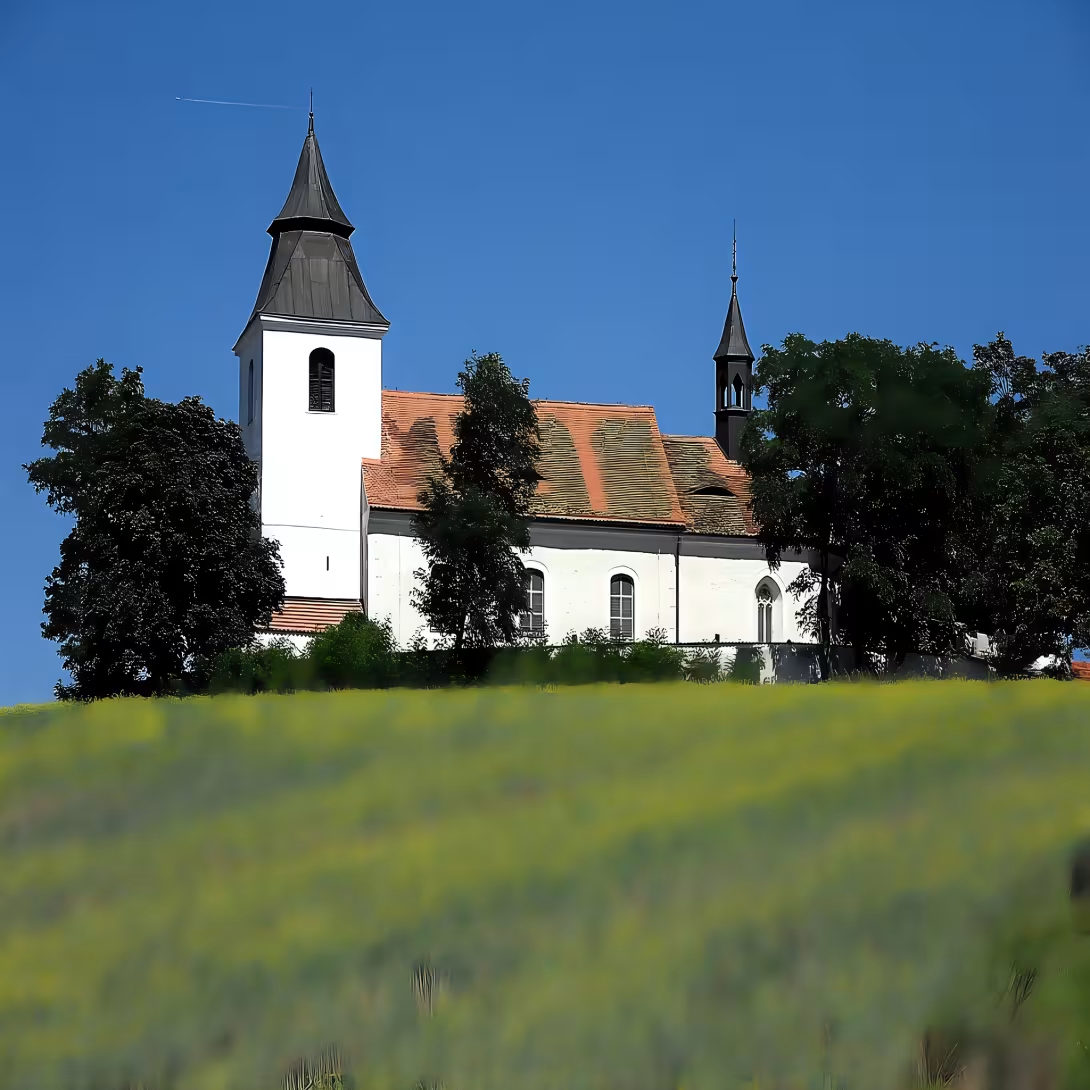
The Church of Saint Wenceslas in Žďár is an outstanding example of 14th-century Gothic architecture, situated on a hill near Ždírec in Plzeňský kraj. This single-nave church features an attached three-sided presbytery and a western tower. It is renowned for its unique frescoes that vividly depict the life of Saint Wenceslas. These frescoes are considered the oldest visual interpretations of Saint Wenceslas legends on Czech territory. The church, which includes a cemetery enclosed by a wall with a gate, is protected as a cultural monument.
Constructed before mid-14th century, the Church of Saint Wenceslas was originally built in the Gothic style. Over time, it underwent several modifications: the nave was remodeled in the classical style during the 18th century, and the tower was heightened in 1815. A Renaissance sacristy was also added to the northern side. These architectural changes reflect evolving styles and needs of the period.
The frescoes within the church are particularly significant. Discovered in 1932 beneath layers of plaster and Renaissance paintings, they offer a unique artistic interpretation of Saint Wenceslas's life. Unlike other depictions, these frescoes omit certain key moments from his childhood and posthumous events while focusing on others. Notably, Blahoslavený Podiven, a companion of Saint Wenceslas, is given unusually prominent attention. The frescoes are arranged around the presbytery, with some scenes depicted on window walls. Despite damage to certain parts making their content indeterminate, these artworks remain an invaluable part of the church's heritage.
During the 14th century, when the church was built, Bohemia was a significant cultural and religious center within the Holy Roman Empire. The Gothic style, which flourished across Europe during this period, greatly influenced both architecture and art in the region. This historical context underscores the importance of the Church of Saint Wenceslas as a testament to the artistic and spiritual life of medieval Bohemia.
Today, the church remains accessible to visitors, particularly during services held on the first Sunday of each month from March to November. Its frescoes and architectural features make it a compelling site for those interested in Gothic art and history. The Church of Saint Wenceslas offers a unique glimpse into the past, inviting visitors to explore its rich heritage and appreciate its cultural significance.
This monument stands as a testament to the enduring legacy of medieval Bohemia's artistic and spiritual endeavors. Its preservation allows contemporary audiences to connect with the historical narratives that shaped the region. Visitors are encouraged to experience this remarkable site firsthand, where history and art converge in a serene setting.
Then and now
Drag the slider to compare how the landmark may have looked when it was built with the view today.
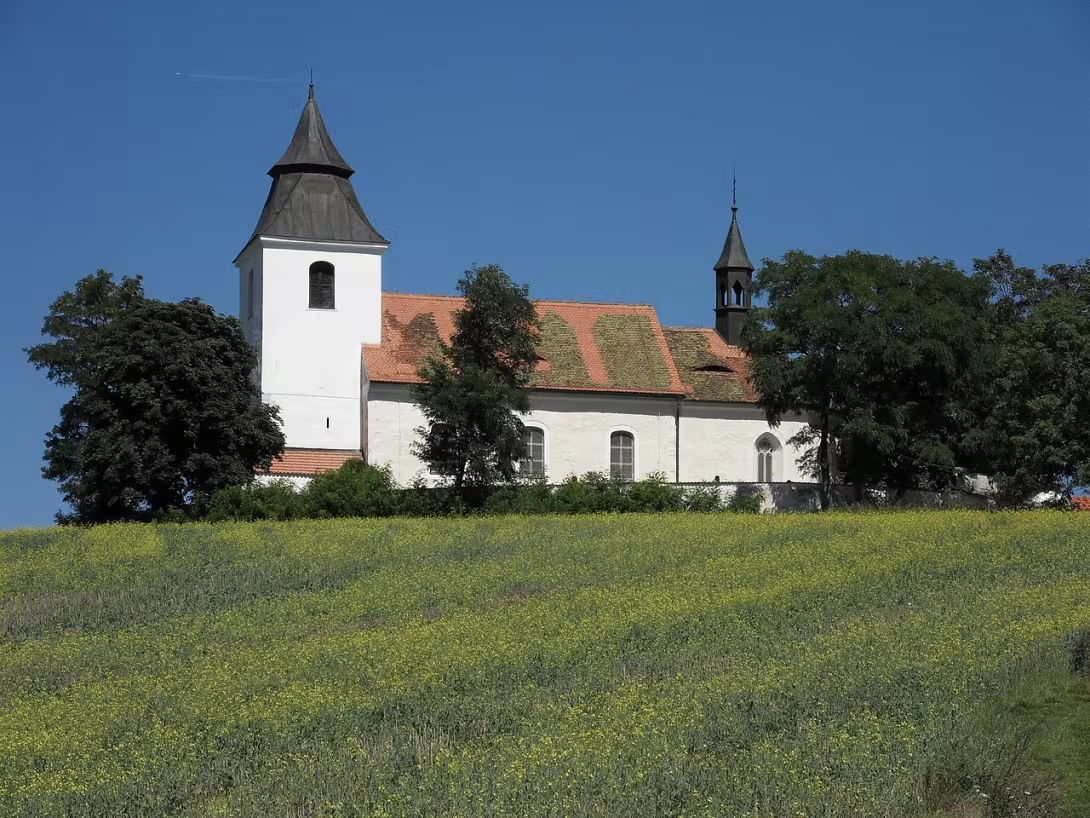

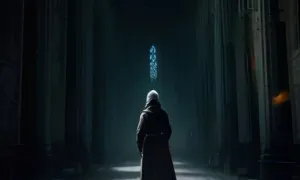
The historical appearance on the left is an AI-generated visualisation and serves as inspiration only.
Historical milestones
- 1932
- Discovery of frescoes beneath layers of plaster and Renaissance paintings.
Architectural development
Originally constructed before mid-14th century as a single-nave church with an attached three-sided presbytery and western tower. In the 18th century, the nave was remodeled in classical style, and the tower was heightened in 1815. A Renaissance addition includes a sacristy on the northern side.
Historical events
The frescoes were discovered in 1932 beneath several layers of plaster and Renaissance paintings, revealing the oldest visual interpretations of Saint Wenceslas legends on Czech territory.
Points of interest
- The frescoes of Saint Wenceslas in the Church are unique for omitting certain key moments from his life while focusing on others, such as giving prominent attention to Blahoslavený Podiven, a lesser-known companion.
- Discovered in 1932 beneath layers of plaster and Renaissance paintings, these frescoes offer an unusual artistic interpretation that predates other visual depictions of Saint Wenceslas's legends within Czech territory.
- The church underwent significant architectural changes over the centuries: its nave was remodeled in the classical style during the 18th century, and a Renaissance sacristy was added to the northern side, reflecting evolving styles and needs.
- Despite damage that makes some fresco scenes indeterminate, they remain an invaluable part of the church's heritage, providing insight into medieval Bohemian art and spirituality.
- The Church of Saint Wenceslas stands as a testament to the cultural and religious significance of 14th-century Bohemia within the Holy Roman Empire, showcasing Gothic architectural influences that shaped the region.
Guide
This guide is narrated by a synthetic voice generated by artificial intelligence.
Show guide text
This text was created by artificial intelligence and has not been editorially reviewed. It may contain inaccuracies.
On a hillside in the village of Žďár, on the right bank of the Úslava River, stands the originally Gothic Church of Saint Václav. Žďár belongs to the municipality of Ždírec in the Plzeň-jih district, and the church is located in its immediate vicinity. It is a subsidiary church, to which a cemetery and a surrounding wall with a gate belong. The entire complex is protected as a historical monument.
The church was built before the middle of the 14th century. It is a single-nave church with an original three-sided presbytery and a tower on the west side. The nave was rebuilt in the 18th century in the Classical style, and the tower was heightened in 1815. The sacristy on the north side is a younger, Renaissance addition.
The greatest treasure of the church is the Gothic wall paintings in the presbytery. They represent the oldest artistic rendering of Saint Václav legends on Czech territory. They were discovered in 1932 beneath several layers of plaster and beneath Renaissance paintings, which also depicted Saint Václav. The Gothic paintings date from the middle of the 14th century and cover the entire perimeter of the presbytery, including the space behind the altar and the window walls.
The Saint Václav cycle consists of 27 images separated by horizontal and vertical dividers. It begins on the north wall. Saint Václav first fells a tree with an axe, then carries a stretcher with wood, and finally comes to the ramparts where those in need are waiting for the wood. Other scenes follow. Václav harvests grain, gives gifts to the poor, serves three poor people at a table, and in the robes of a hermit ransoms pagan children from slavery. Elsewhere he is depicted as a knight with a lance, banner, sword, and shield. The cycle ends with his murder. Václav lies before the church with his hands joined in prayer, his brother Boleslav raises his hand to strike, and another attacker drives a lance into his side. In the arched lunettes on the north side are angels, and beneath the windows are painted portraits.
The Žďár paintings differ in many respects from other depictions of the Saint Václav legend. They lack well-known moments from Václav's childhood and events after his death. Conversely, the artist dwells on some stories in greater detail than is customary. Unusually great attention is also given to Václav's companion, the blessed Podiven, whom the painter endowed with a large circular halo. Experts agree that the artist either had an unusually free hand in his work, or drew from a legendary text that has not survived or is not yet known.
Tips for visitors
The best time to visit the Church of Saint Wenceslas in Žďár is during late spring or early autumn when the weather is mild, and the natural light enhances the vivid colors of the unique frescoes inside the church. These seasons also offer pleasant temperatures for exploring the surrounding area on foot. Additionally, visiting outside peak tourist season can provide a more serene experience, allowing you to appreciate the Gothic architecture and historical significance without large crowds.
For those preferring public transport, there are options that connect to Žďár; however, specific routes should be checked in advance using a transportation search tool.
When visiting the Church of Saint Wenceslas, it is advisable to bring comfortable walking shoes as you may wish to explore both inside the church and its surrounding area. A camera or smartphone for photography is recommended to capture the stunning frescoes and architecture. Additionally, considering the varying weather conditions in Žďár, a light jacket might be useful.
For photography enthusiasts, the best spots within the Church of Saint Wenceslas are those that offer unobstructed views of the interior frescoes and architectural details. Early morning or late afternoon visits can provide optimal natural lighting for photographs. Outside the church, the hilltop location offers panoramic views of Žďár, making it an excellent spot for landscape photography.
Nearby attractions within a 30-minute drive include other historical sites that offer insights into the region's rich history and culture. These places complement your visit to the Church of Saint Wenceslas by providing additional context and exploration opportunities. Families with children will find these nearby attractions engaging, offering both educational value and entertainment.
For families visiting with children, the Church of Saint Wenceslas offers an enriching experience that combines history, art, and architecture. The church's frescoes can captivate younger audiences with their vibrant storytelling. Additionally, exploring the surrounding area provides opportunities for outdoor activities suitable for all ages. To enhance the visit, consider planning a picnic in one of the nearby scenic spots after your tour.
Frequently asked questions
Can the monument be visited?
Religious buildings are usually open mainly during services; at other times a visit is normally arranged with the parish or the operator. We have not verified specific times.
Where is the monument?
Location: Žďár, Plzeňský kraj. The map on this page shows the exact spot.
Why is the monument protected?
It is listed in the Central List of Cultural Monuments of the Czech Republic as a cultural monument (register no. 25277/4-543).
Businesses nearby
Do you run a restaurant, accommodation, shop, museum, rental, wellness or other visitor service near this monument? Show yourself directly to the people heading to it — this is how they will see you in the app and on the web:
Events nearby

Zdroj akcí: otevřená data měst a obcí ČR (Národní katalog otevřených dat) a kalendář akcí Národního památkového ústavu.
Accommodation nearby
Trips and activities nearby
Guided tours, tickets and activities nearby from GetYourGuide
Affiliate link: if you buy from the partner, we may receive a commission. The price for you does not change.
Search tours and activities →Themed route
Tematická výletní trasa: Kostel svatého Václava (Žďár)
1. Kostel svatého Václava, Žďár
- Typ: Náboženská památka
- Proč stojí za návštěvu: Tento barokní kostel je centrem duchovního života v obci Žďár. Jeho architektura a historický význam přitahují návštěvníky, kteří si chtějí prohlédnout bohatou interiérovou výzdobu a zvukové krásy kostelního varhanního souboru.
2. Nádvoří Kostela svatého Václava
- Typ: Historické nádvoří
- Proč stojí za návštěvu: Nádvoří kostela nabízí klidný prostor pro odpočinek a refleksi. Je to ideální místo k pozorování místních architektonických detailů a k zamyšlení nad historií obce.
3. Věž Kostela svatého Václava
- Typ: Historická věž
- Proč stojí za návštěvu: Výhled z věže nabízí jedinečnou perspektivu na obec Žďár a okolní krajinu. Je to nejen historicky zajímavé místo, ale také ideální pro fotografii a užívání si klidného okamžiku.
4. Park kolem Kostela svatého Václava
- Typ: Místní park
- Proč stojí za návštěvu: Park poskytuje příležitosti k relaxaci a procházce v přírodním prostředí. Jeho zelené plochy jsou ideální pro krátký piknik nebo jen pro chvilku odpočinku během návštěvy kostela.
5. Expozice v Kostele svatého Václava
- Typ: Historická expozice
- Proč stojí za návštěvu: Expozice představuje historii a kulturu obce Žďár. Nabízí zajímavý pohled na místní tradice, umělecké díla a historické artefakty, které pomáhají lépe pochopit význam kostela pro komunitu.
Tato trasa nabízí návštěvníkům možnost se ponořit do bohaté kultury a historie obce Žďár, přičemž si užijí klidného prostředí okolo Kostela svatého Václava.
Seasonal recommendations
Spring: Visiting the Church of St. Wenceslas during spring offers a unique experience as nature awakens around Žďár, with blooming flowers and lush greenery enhancing the serene atmosphere. The soft morning light beautifully illuminates the church's architecture, creating an ideal setting for photography enthusiasts. This season is less crowded than summer, allowing for a more intimate exploration of the site. Visitors are advised to wear comfortable walking shoes as paths may be muddy from spring rains and bring a light jacket in case temperatures drop unexpectedly.
Summer: Summer brings vibrant energy to the Church of St. Wenceslas with longer daylight hours providing ample time to explore its historical details. The lush surroundings, filled with greenery and flowers at their peak, create a picturesque backdrop. This is the busiest season for tourism, so it's recommended to arrive early in the morning to avoid large crowds and ensure a more peaceful visit. Light clothing is advisable due to warm temperatures, along with sun protection such as hats or sunglasses.
Autumn: Autumn transforms the Church of St. Wenceslas into a stunning canvas with fiery reds, oranges, and yellows surrounding Žďár, offering breathtaking views and an enchanting atmosphere. The cooler weather makes for comfortable strolls around the church grounds, perfect for photography enthusiasts capturing the fall colors. As visitor numbers decrease compared to summer, it's an excellent time for those who prefer a quieter experience. Layered clothing is recommended to accommodate fluctuating temperatures throughout the day.
Winter: Winter at the Church of St. Wenceslas presents a magical scene with snow-covered landscapes and festive decorations creating a cozy atmosphere. The shorter days mean earlier closures, so planning your visit during daylight hours is crucial. While fewer people visit during this season, those who do often find it to be a serene experience. Warm clothing, including coats, hats, gloves, and sturdy boots, is essential for comfort in the cold weather.
Visualizations and artistic views


The visualisations are generated by artificial intelligence and serve as inspiration.
Photos from the area
Real photos taken near the monument


Zdroj a licence jsou uvedeny u každého snímku.
Tips from visitors
No tips yet. Be the first!
Log in and add your tip.
Sources and literature
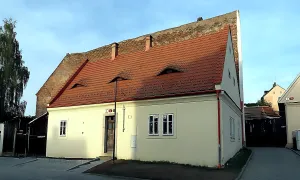
Photos: Jik jik / CC BY-SA 3.0, rozlišení zvýšeno umělou inteligencí — Wikimedia Commons. The author and licence also appear when you hover over the image.
Faktickým podkladem tohoto textu byl článek na Wikipedii, jehož autory jsou přispěvatelé Wikipedie. Článek je dostupný pod licencí CC BY-SA 4.0.
Location on the map
More monuments – Žďár
Show all in the municipality


Příběhy a pověsti
Legendy, pověsti a příběhy spjaté s touto památkou
Fotografie návštěvníků
Zatím žádné fotografie. Buďte první, kdo přidá fotografii z návštěvy!
Log in a přidejte svou fotografii nebo hodnoťte.
Za ověřenou návštěvu v aplikaci získáte víc bodů — poznáme podle GPS, že jste na místě.
Reviews and comments