






Kostel svatého Vavřince (Březina) Church
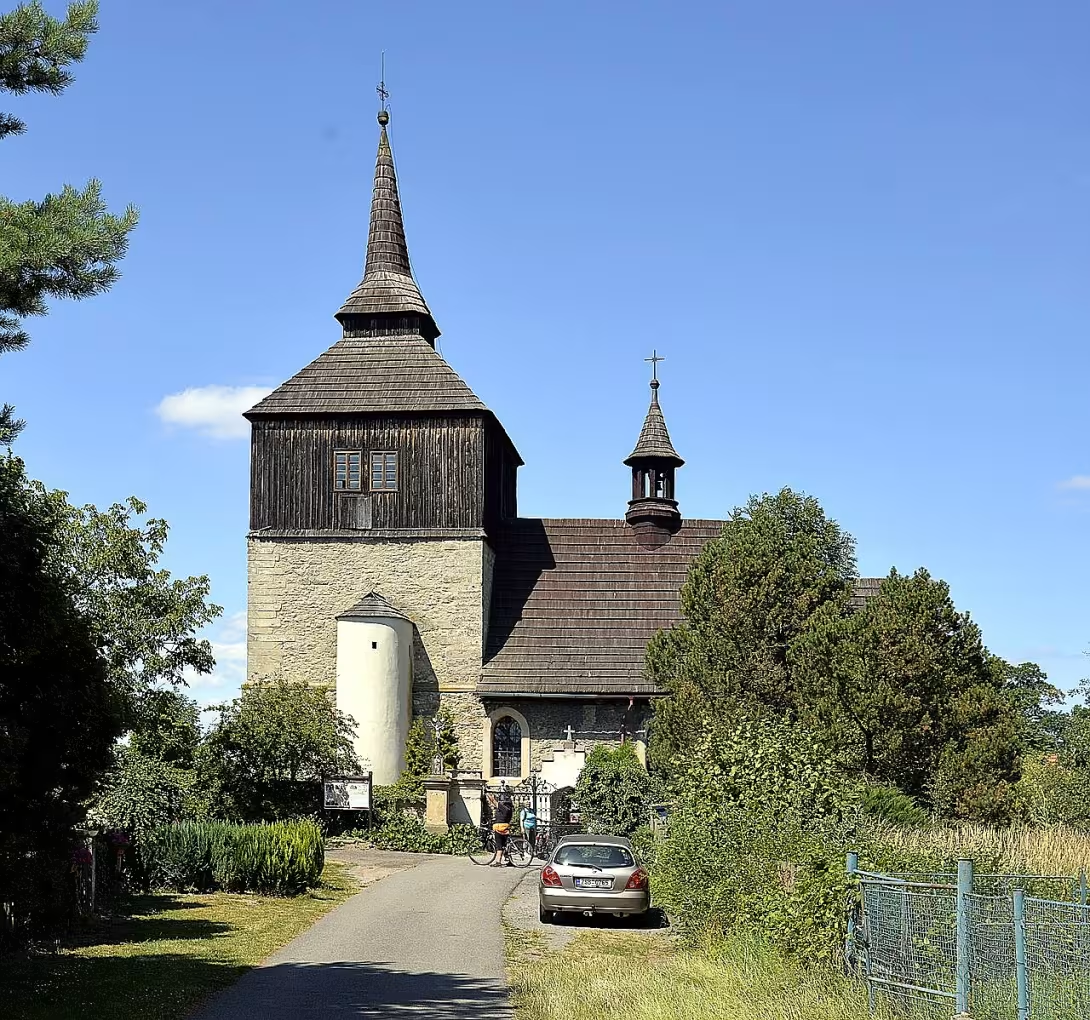
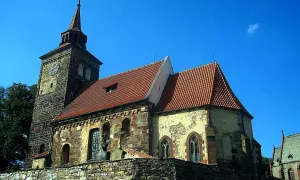
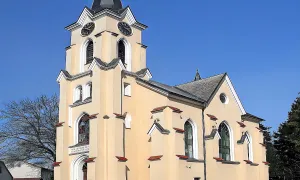
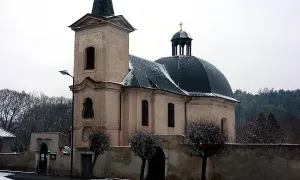
The Church of Saint Lawrence in Březina is a significant Gothic monument located at the edge of the village cemetery. Originally constructed at the turn of the 13th and 14th centuries, it underwent Renaissance renovations in the 16th century. This church stands as an important cultural heritage site protected by the Czech Republic due to its architectural significance and historical value.
Built during a period when Bohemia experienced significant Gothic architectural development, the Church of Saint Lawrence reflects the broader European trend of constructing religious structures that emphasized faith and community. Later, in the 16th century, it underwent Renaissance renovations, introducing new stylistic elements to its design.
Architecturally, the church began as a Gothic structure before being modified with Renaissance influences. It features a single-nave rectangular layout constructed from quarry stone. The building includes a presbytery at one end and is complemented by an oblong sacristy and oratory on the northern side. A notable feature of its exterior is the western façade, which houses a tower adorned with remnants of sgraffito rustication—a decorative technique that adds texture to the stone surface. The tower itself is nearly as wide as the nave and includes a barrel-vaulted ground floor with a spiral staircase leading upwards. It is topped by a steeple roof covered in shingles.
Inside, the church's interior maintains a simple yet elegant design. The nave features a flat ceiling, while the presbytery boasts a Renaissance cross vault without ribs. Access to the sacristy and oratory from the presbytery is through pointed arches, both of which are barrel-vaulted. Above an open arch in the tower's first floor, there is a loft with a wooden balcony that appears to be supported by brackets. This loft also features a vaulted anteroom.
The church houses several notable pieces of religious art and furnishings. The main altar is Rococo-style, framed, and dates back to around 1750. It includes a new painting of Saint Lawrence by F. Maischeider, which replaced an earlier image of John the Baptist. Accompanying this are sculptures of Saints Nicholas and Wenceslas crafted by Jelínek. Additionally, there is a Baroque altar dedicated to Saint Anne from around 1700, characterized by its framed design with spiral volutes intertwined with acanthus leaves. The church also preserves parts of a late Renaissance epitaph belonging to the Jeník family from Gensdorff, featuring an image of Calvary and family coats of arms.
Among the historical artifacts within the church is a bell documented as being cast in 1511. This bell, housed in the belfry, has a diameter of 35.5 cm with a rim thickness of 24 mm. It features an inscription band at its upper edge, where words are separated by lilies and inscribed between lines.
Today, the Church of Saint Lawrence remains a well-preserved example of Gothic architecture with Renaissance modifications, offering visitors insight into the region's rich cultural heritage. Its historical significance and architectural beauty make it a worthwhile destination for those interested in exploring Czech history and religious art. Visitors are invited to experience this remarkable monument firsthand, appreciating its enduring legacy as a testament to the artistic and spiritual endeavors of past centuries.
Then and now
Drag the slider to compare how the landmark may have looked when it was built with the view today.
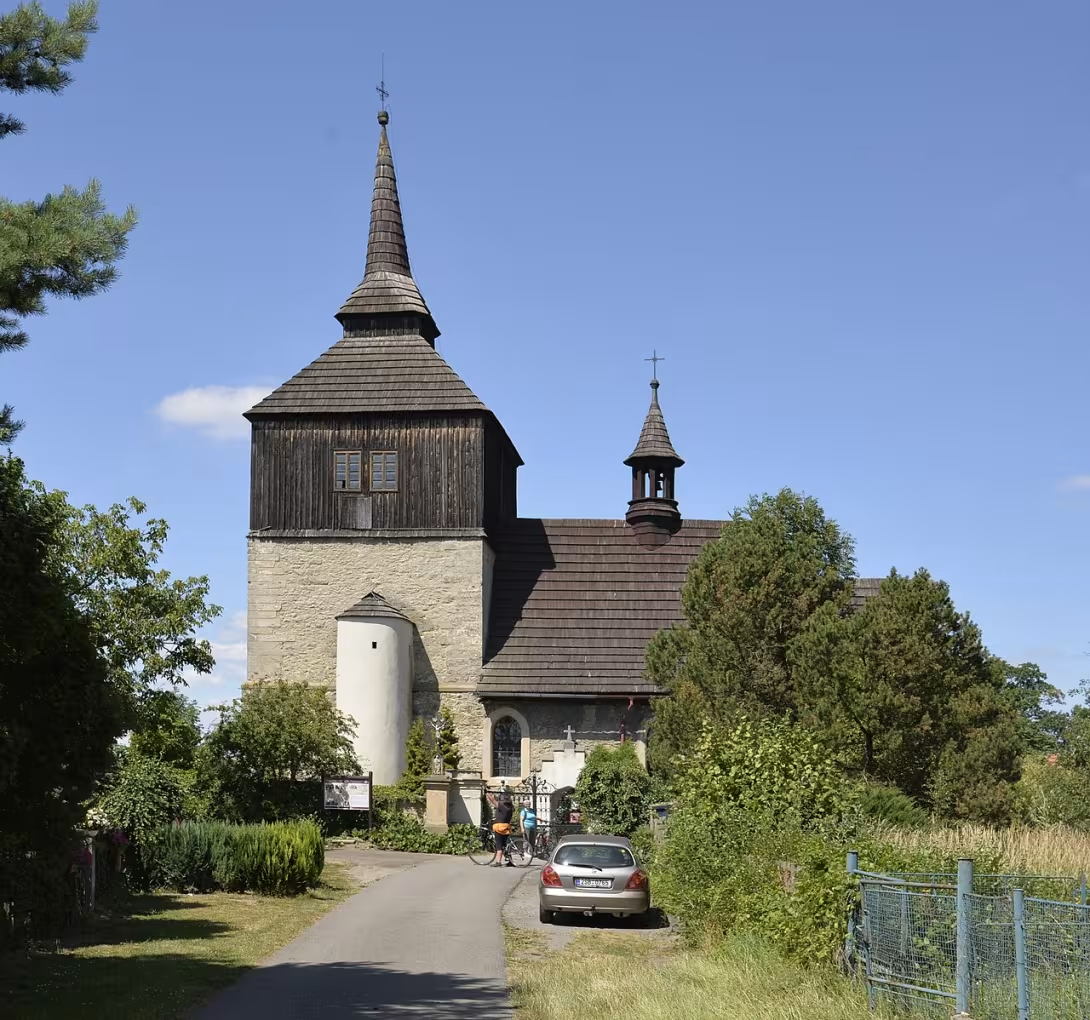
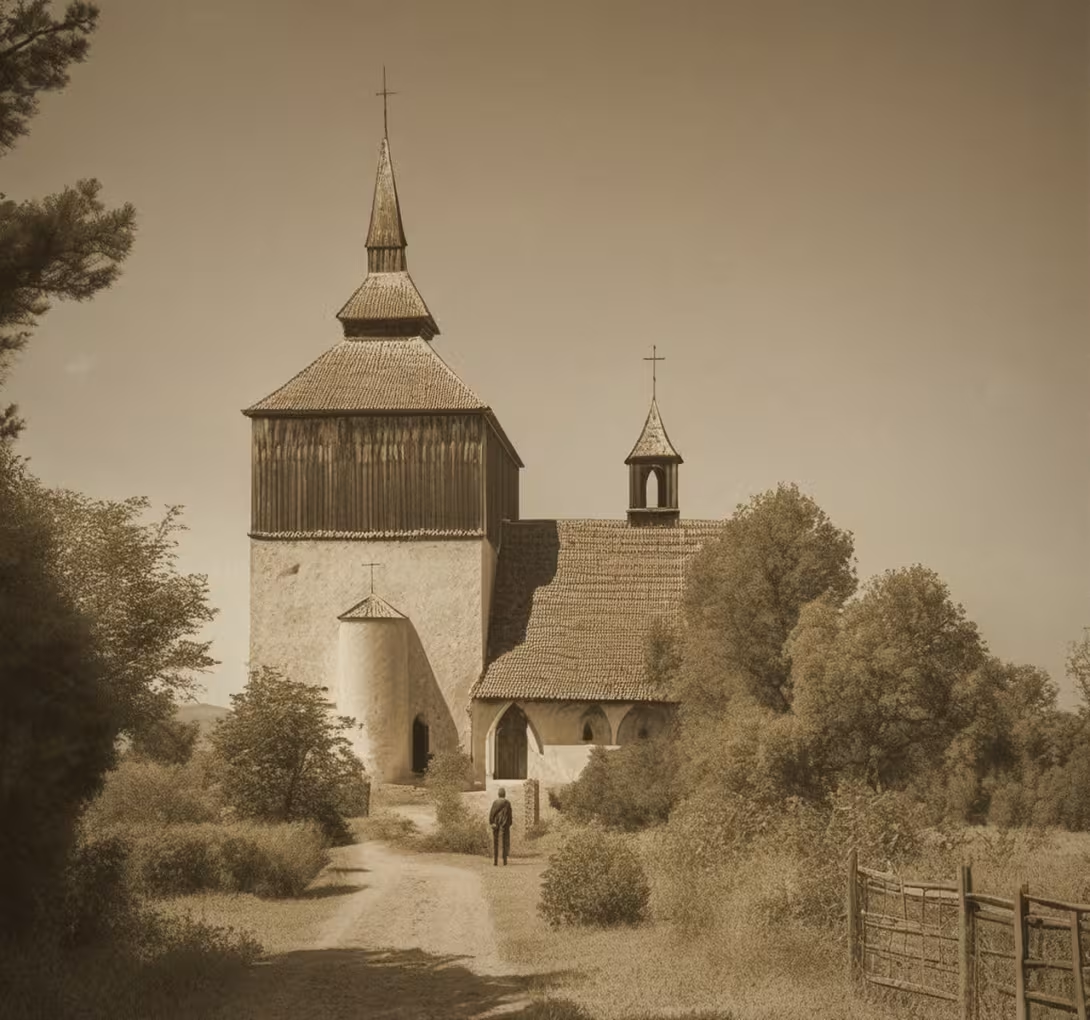
The historical appearance on the left is an AI-generated visualisation and serves as inspiration only.
Historical milestones
- 1511
- A bell dated to 1511 is documented in the church's belfry.
Architectural development
The Church of Saint Lawrence began as a Gothic structure, later modified with Renaissance elements in the 16th century. It features a rectangular nave made from quarry stone and includes a presbytery, sacristy, and oratory. The western façade houses a tower with remnants of sgraffito rustication.
Historical events
Originally built at the turn of the 13th and 14th centuries.
Underwent Renaissance renovations in the 16th century.
Points of interest
- The Church of Saint Lawrence features remnants of sgraffito rustication on its western façade, a decorative technique that adds texture to the stone surface and reflects the artistic experimentation during the Gothic period.
- Inside the church, there is an open arch in the tower's first floor leading to a loft with a wooden balcony supported by brackets. This unique feature suggests adaptations for community gatherings or special ceremonies within the church structure.
- The main altar of the church, crafted in Rococo style around 1750, includes a painting of Saint Lawrence by F. Maischeider, replacing an earlier depiction of John the Baptist, illustrating changes in religious focus and artistic patronage over time.
- A Baroque altar dedicated to Saint Anne from approximately 1700 is characterized by its intricate design with spiral volutes intertwined with acanthus leaves, showcasing the elaborate artistry typical of the period's ecclesiastical furnishings.
- Among the church’s historical artifacts is a bell cast in 1511, notable for its inscription band at the upper edge where words are separated by lilies. This detail highlights the craftsmanship and symbolic importance of bells in medieval religious communities.
Guide
This guide is narrated by a synthetic voice generated by artificial intelligence.
Show guide text
This text was created by artificial intelligence and has not been editorially reviewed. It may contain inaccuracies.
Welcome to the Church of Saint Lawrence in Březina, a remarkable testament to Gothic architecture nestled on the edge of the village cemetery. As you stand here, take a moment to absorb the serene atmosphere surrounding this historic monument. The church's stone façade, weathered by time yet standing proud, invites you into its storied past.
The Church of Saint Lawrence was originally constructed at the turn of the 13th and 14th centuries, marking it as an important piece of medieval heritage in Středočeský kraj. Over the years, it has witnessed significant transformations, including Renaissance renovations in the 16th century that added layers to its architectural narrative.
As you approach the church, notice its single-nave rectangular structure crafted from quarry stone, which speaks volumes about the craftsmanship of an era long past. The rectangular presbytery at its rear further accentuates its simple yet profound design. One of the most captivating features is the remnants of sgraffito rustication on its western façade. This decorative technique, involving incised patterns in plaster or stucco, adds a textured dimension to the stone surface and reflects the artistic experimentation during the Gothic period.
Now, let's delve into some intriguing details. Up high in the belfry stands a bell dated 1511, a silent witness to centuries of history echoing through these walls. Though the architects who designed this church remain unknown, their vision has left an indelible mark on Březina and its cultural landscape.
While inside the church, you'll notice an open arch in the tower's first floor level, offering a glimpse into the structural ingenuity that supports this historic edifice. This architectural element not only serves a functional purpose but also enhances the aesthetic appeal of the interior space.
The Church of Saint Lawrence has been a silent observer to countless stories and lives over the centuries. While specific historical figures associated with its past remain unidentified, one can imagine the myriad of events and gatherings that have taken place within these sacred walls.
As you continue your exploration, let your imagination wander through time, pondering the many narratives this church could tell if only it had a voice. Each stone, each archway holds secrets waiting to be discovered by those who seek them.
Thank you for joining us on this journey through history and architecture. We invite you to linger a little longer, perhaps wandering around the cemetery or exploring other hidden gems in Březina. As we bid you farewell, carry with you the stories and impressions of this remarkable monument, a bridge connecting past and present.
Businesses nearby
Do you run a restaurant, accommodation, shop, museum, rental, wellness or other visitor service near this monument? Show yourself directly to the people heading to it — this is how they will see you in the app and on the web:
Events nearby


Zdroj akcí: otevřená data měst a obcí ČR (Národní katalog otevřených dat) a kalendář akcí Národního památkového ústavu.
Accommodation nearby
Trips and activities nearby
Guided tours, tickets and activities nearby from GetYourGuide
Affiliate link: if you buy from the partner, we may receive a commission. The price for you does not change.
Search tours and activities →Themed route
Tematická výletní trasa: Kostel svatého Vavřince (Březina)
1. Kostel svatého Vavřince, Březina - *Typ:* Náboženská památka - *Proč stojí za návštěvu:* Tento barokní kostel je nejvýraznějším architektonickým dílem v obci Březina. Jeho historie sahá do 17. století a poskytuje pohled na bohatou náboženskou tradici regionu. Vnitřek kostela je domovem uměleckých děl, které přitahují milovníky historie a kultury.
2. Místní fara - *Typ:* Náboženský ústav - *Proč stojí za návštěvu:* Nachází se v blízkosti kostela svatého Vavřince a sloužila jako duchovní centrum pro obyvatele Březiny po staletí. Fara nabízí vhled do života místní komunity a její historický význam je ztělesněn ve starobylých dokumentech a artefaktech, které si lze prohlédnout.
3. Nádvoří kostela svatého Vavřince - *Typ:* Historický areál - *Proč stojí za návštěvu:* Nádvoří je klidným místem, kde si můžete užít přehledu nad architektonickou krásou kostela a okolními zelenými prostory. Je to ideální místo pro relaxaci a reflektování po prozkoumání historických částí, s výhledem na místní přírodu.
4. Park u kostela svatého Vavřince - *Typ:* Zelená zóna - *Proč stojí za návštěvu:* Park nabízí mírnou procházku v klidné a přírodní atmosféře, která doplňuje historické prostředí kostela. Je to ideální místo pro rodiny s dětmi nebo jednotlivce hledající únik z každodenního života do klidné a přátelské zeleně.
Tato trasa vás provede skrze historický a kulturní jádro obce Březina, nabízející hluboký pohled na její náboženskou tradici a komunitní život.
Seasonal recommendations
Spring: Spring at Church of St. Lawrence in Březina offers a rejuvenating atmosphere as nature awakens around the historic site. The blooming flowers and fresh greenery provide a picturesque backdrop, enhancing the church's architectural beauty with natural light that softens its ancient stones. This is an ideal time to visit when the weather begins to warm up but before the summer crowds arrive. Visitors should wear comfortable layers, as temperatures can still be cool in the mornings and evenings. Arriving early allows for a peaceful experience, taking advantage of the church's quieter hours while enjoying the serene sounds of nature.
Summer: Summer brings vibrant life to Church of St. Lawrence with longer daylight hours illuminating its historic details. The lush greenery surrounding the church creates an inviting atmosphere perfect for exploring the area at a leisurely pace. This is peak tourist season, so it’s wise to visit early in the morning or later in the afternoon to avoid crowds. Lightweight and breathable clothing is recommended due to warmer temperatures, along with sun protection like hats and sunscreen. The extended daylight also offers more time to appreciate the church's architecture and any outdoor activities available in the vicinity.
Autumn: Autumn at Church of St. Lawrence is characterized by a warm, golden glow as the leaves change color, providing a stunning contrast against the historic structure. This season offers a unique opportunity to experience the site in a tranquil setting with fewer visitors compared to summer. The cooler temperatures make it comfortable for walking and exploring without the need for heavy layers. Visitors should dress in layers to accommodate fluctuating weather conditions and consider bringing an umbrella or raincoat, as autumn can bring unpredictable showers that enhance the area's natural beauty.
Winter: Winter at Church of St. Lawrence transforms the site into a serene winter wonderland, with snow often blanketing the landscape and creating a magical atmosphere around the historic church. The shorter days mean limited daylight hours for visiting, so planning your trip early in the day is essential to make the most of the available light. Visitors should dress warmly in layers, including hats, gloves, and insulated footwear, to stay comfortable during colder temperatures. Despite potential snowfall, the quietness of winter offers a peaceful opportunity to appreciate the church's architecture without the summer crowds.
Visualizations and artistic views


The visualisations are generated by artificial intelligence and serve as inspiration.
Photos from the area
Real photos taken near the monument

Zdroj a licence jsou uvedeny u každého snímku.
Tips from visitors
No tips yet. Be the first!
Log in and add your tip.
Sources and literature
Fotografie: Jirka Dl / CC BY-SA 4.0 — Wikimedia Commons. The author and licence also appear when you hover over the image.
Faktickým podkladem tohoto textu byl článek na Wikipedii, jehož autory jsou přispěvatelé Wikipedie. Článek je dostupný pod licencí CC BY-SA 4.0.
Location on the map
Příběhy a pověsti
Legendy, pověsti a příběhy spjaté s touto památkou
Fotografie návštěvníků
Zatím žádné fotografie. Buďte první, kdo přidá fotografii z návštěvy!
Přihlaste se a přidejte svou fotografii nebo hodnoťte.
Za ověřenou návštěvu v aplikaci získáte víc bodů — poznáme podle GPS, že jste na místě.
Reviews and comments