






Kostel svatého Vavřince (Chlumec) Church
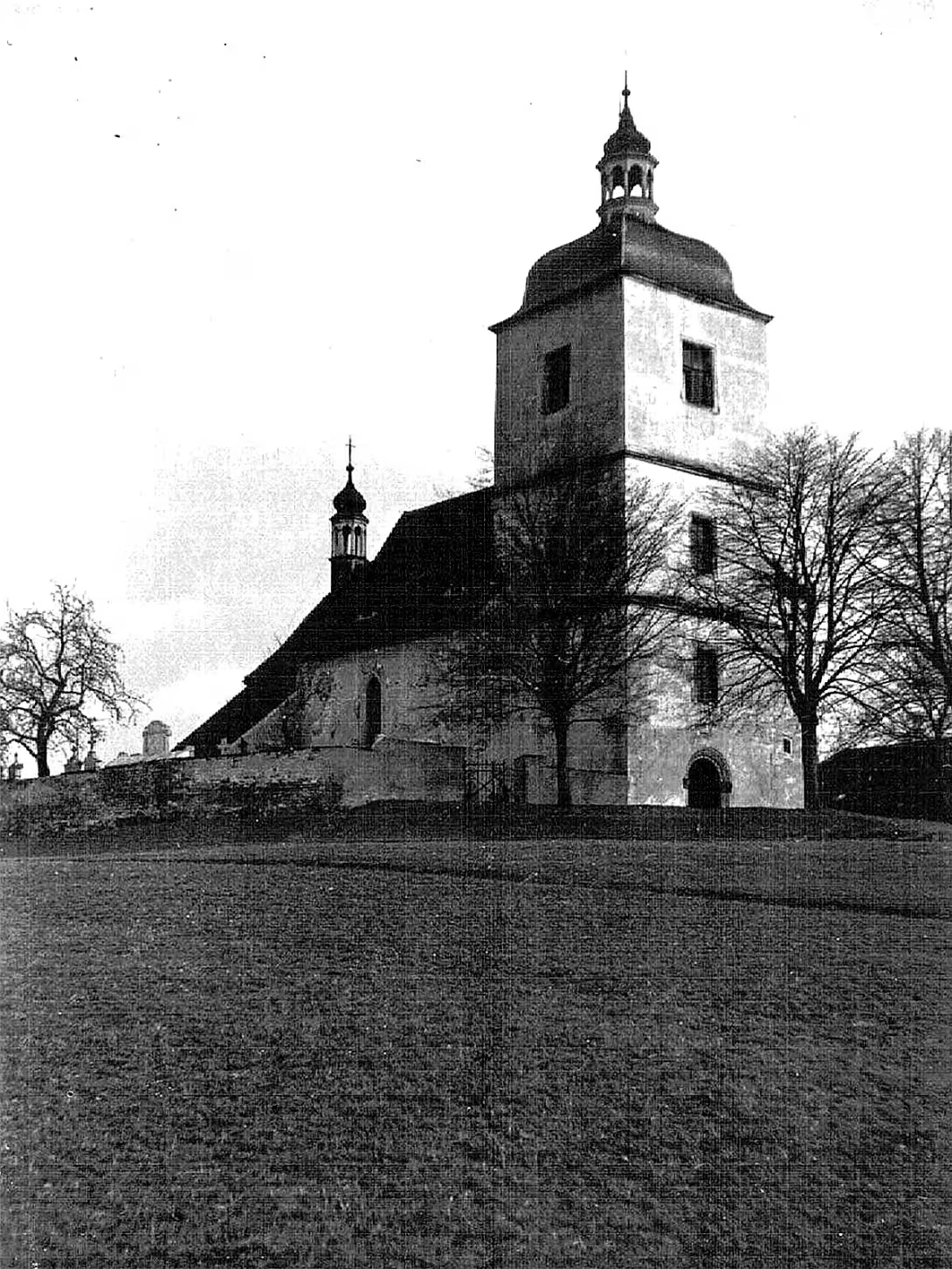
The Church of Saint Lawrence in Chlumeč was an important church monument in the Czech Republic, specifically within the municipality of Chlumec, Ústecký kraj. Founded around 1170, it served as an important parish church for several villages and underwent a major renovation in the early 17th century under Petr Kölbl z Geisingu, acceptance of the Saxon Renaissance style. The company church was at the heart of religious processions until its demolition in 1967 due to planned coal mining.
The origin of the Church of St. Lawrence dates back to around 1170, when Czechs were part of the Holy Roman Empire and experienced significant ecclesiastical development. At first it served as a filial church under the Chabarovice parish, later it became a parish church for the municipalities of the Czech Institute, Hrbovice, Pélice and Sížovice. The original structure was a late Gothic presbytery, which shows its early medieval roots. Over time, the surrounding village of Kolej, associated with Knights Hospital, fell until only the church remained.
At the beginning of the 17th century, when Petr Kölbl z Geisingu initiated renovation between 1616 and 1618, significant transformations took place. These changes introduced elements of Saxon Renaissance style and marked a departure from earlier Gothic features. The reconstruction included preserved presbytery with stellar arched ceiling and flat ceiling. By the end of the 19th century, further modifications were made, including the addition of a new bell tower in 1893. Despite these improvements, the church continued to deteriorate over time.
Owning and managing the church has moved on during its history. Originally part of the property of Knights Hospital later falls within the competence of Petr Kölbl z Geisingu, who was responsible for its significant renovation. The church remained an active location until its possible demolition in 1967 when it was razed along with the neighbouring house and cemetery to make room for planned coal mining.
Key events in the history of the church include its role as a pilgrimage place before the expansion of Lutheranism, especially on August 10, reminiscent of fallen warriors from a close battle during the Hussite wars. The church also housed a Baroque altar with a picture of St. Lawrence and the family coat of arms Kolovrat, which was installed in 1864 after extensive renovations financed from 3000 gold coins. The important bell from 1533, marked "Ujedd," survived the war request and was later moved to the church of St. Wenceslas in Valtířov.
Today, the church of St. Lawrence is no longer accessible as a religious monument, thanks to its demolition in 1967. However, the remains of his history persist through artifacts such as the bell now placed in another church and tombstones of the noble Kölbel family moved to the church of Saint Wenceslas in Valtířov. While the physical structure is lost, its historical significance persists, offering a view of the architectural and cultural transformations that shaped this region.
The reference of the Church of Saint Lawrence as a site of religious importance and architectural evolution underlines its value in Czech history. While it is no longer worth it, his story calls for consideration of the dynamic interplay between faith, art and industry in shaping our heritage. Visitors who are interested in exploring these topics can find echoes of their past through related sites and artifacts that continue to tell its story.
Then and now
Drag the slider to compare how the landmark may have looked when it was built with the view today.
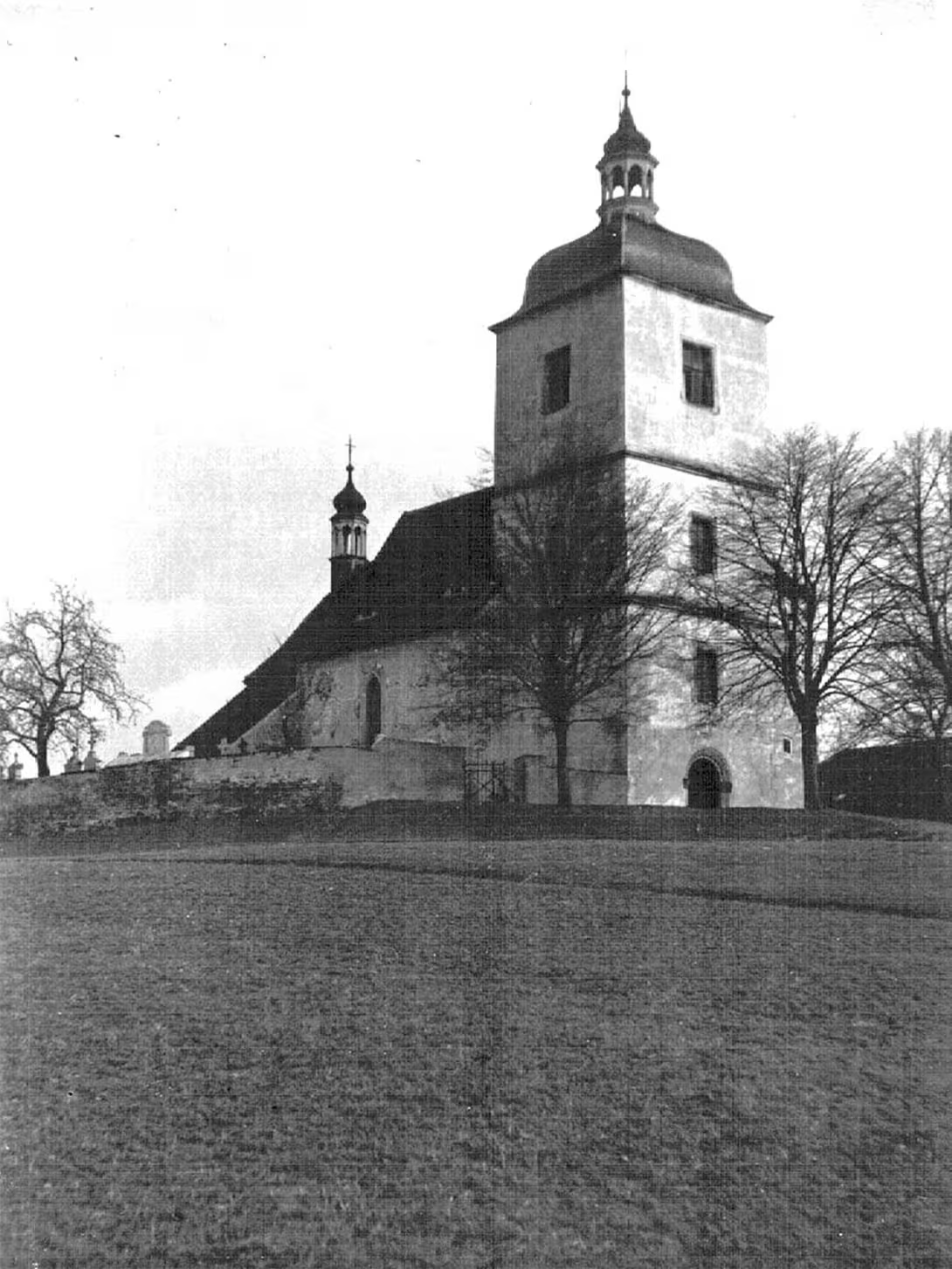
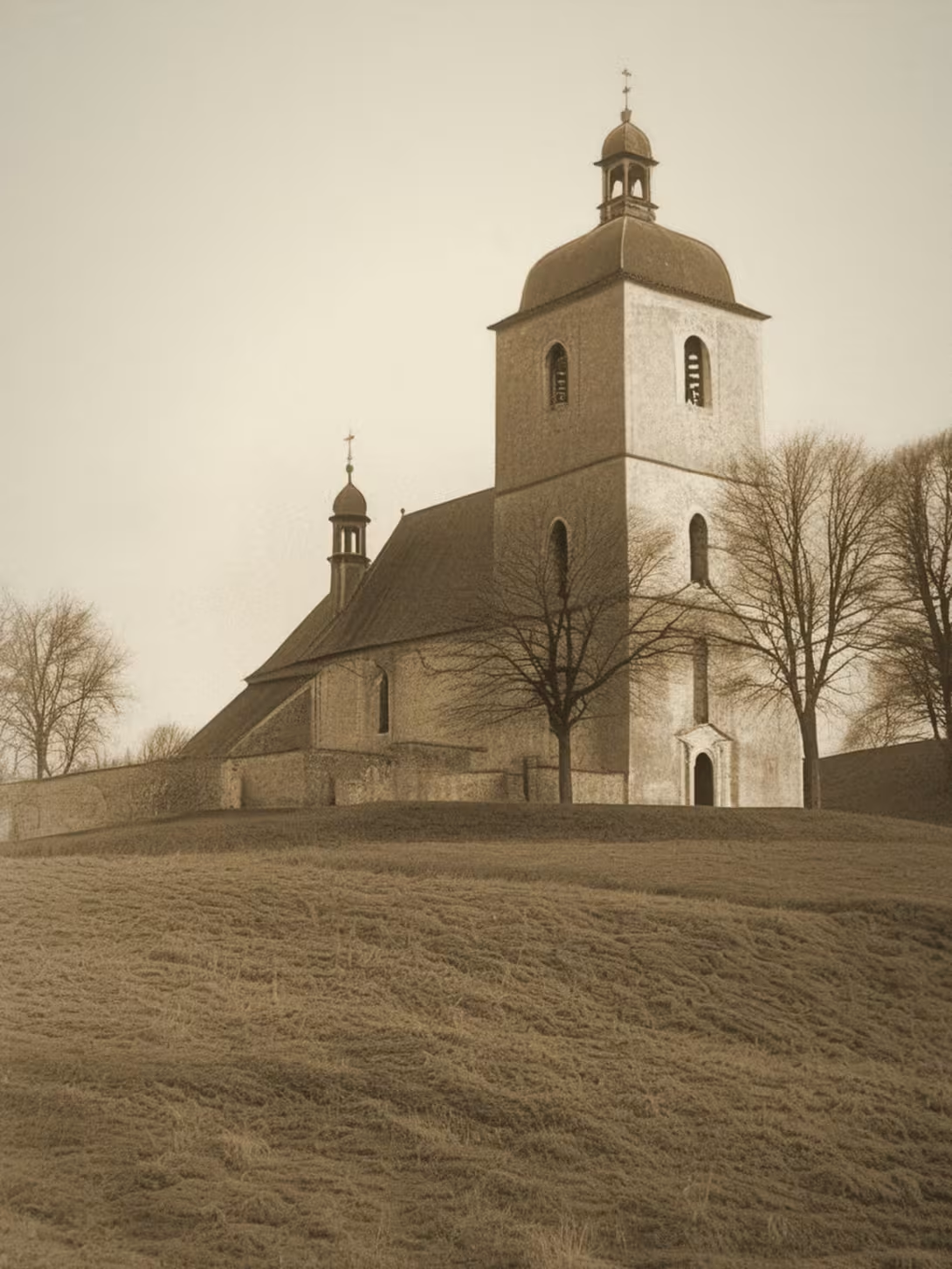
The historical appearance on the left is an AI-generated visualisation and serves as inspiration only.
Historical milestones
- 1616
- The renovation began, the adoption of the Saxon Renaissance style.
- 1967
- the church was demolished because of planned coal mining.
Architectural development
The original building from cca1170 was a late Gothic presbytery. In the early 17th century she underwent a major reconstruction in Saxon Renaissance style under the direction of Petr Kölbl z Geisingu. Other modifications occurred at the end of the 19th century and the last repairs were made in 1932.
Historical events
1616-1618: Renovation of Church Petr Kölbl z Geisingu, acceptance of Saxon Renaissance style.
1967: the church was demolished along with the neighbouring house and cemetery due to planned coal mining.
Points of interest
- The Church of Saint Lawrence was originally a filial church under the Chabarovice parish before it became a parish church for several villages, illustrating its evolving role in the community for centuries. - Despite its demolition in 1967, the legacy of the church through artifacts will last as a remarkable bell from 1533 marked "Ujedd," which was later moved to St. Wenceslas's church in Valtířov. - The site served as a pilgrimage destination before the expansion of Lutheran, especially on August 10, reminiscent of fallen fighters from a nearby battle during Hussite wars, highlighting its historical and spiritual importance. - The Baroque altar with the painting of St. Lawrence and the family coat of arms Kolovrat was installed in 1864 after renovations financed from 3,000 gold coins, reflecting religious devotion and local noble patronage. - After coal mining, remains like tombstones from the noble Kölbel family were moved to the church of Saint Wenceslas in Val and preserved part of his historical story.
Guide
This guide is narrated by a synthetic voice generated by artificial intelligence.
Show guide text
This text was created by artificial intelligence and has not been editorially reviewed. It may contain inaccuracies.
Welcome to the site of the former church of St. Lawrence in Chlumeci, where history and memory gather in the quiet landscape of the Ústí Region. As you stand here, imagine the nobility that once decorated this place - proof of faith and fellowship intertwined for centuries.
The origin of this church dates back to 1170, when it was founded as a filial church under the Chabarovice parish. Over time, his role has evolved significantly; serving several villages has become a necessary parish church that reflects its growing importance in the spiritual life of the region.
In 1616 the Church of St. Lawrence passed a transformation reconstruction led by the renowned architect Petr Kölbl z Geisingu. This period meant a shift to the Saxon Renaissance style, which created a structure of elegance and a magnificent characteristic of this time. Although specific architectural details are lost in time, you can still feel the influence through the remains and stories preserved.
As you explore this site, imagine complex designs and thought-out craftsmanship that once decorated his walls. The architecture of the church was a harmonious blend of functionality and art embodying the spirit of its time. While the physical structure is no longer standing, its legacy remains in the artifacts and memories that are preserved by those who remember it.
The key character of this site is Petr Kölbl z Geisingu, whose vision and work during the beginning of the 17th century left an indelible mark on the cultural heritage of Chlumec. His contributions not only strengthened the church aesthetic, but also strengthened its role as a community center for worship and assembly.
One interesting aspect of this historic place is its resistance over time. Despite its demolition in 1967 due to planned coal mining, the Church of St. Lawrence will continue to capture those who immerse themselves in their past. His story is a pitiful reminder of the delicate balance between progress and preservation - a narrative that deeply resonates when we think about what once was.
When you've finished your visit here, take a moment to appreciate the layers of history embedded in this landscape. The Church of Saint Lawrence may no longer stand, but its spirit persists and invites us to explore and honor the stories carved into our collective memory. Thank you for joining me on this journey of time - let it inspire curiosity and reflection on how you will continue your survey of Chlumec and beyond.
Businesses nearby
Do you run a restaurant, accommodation, shop, museum, rental, wellness or other visitor service near this monument? Show yourself directly to the people heading to it — this is how they will see you in the app and on the web:
Events nearby
Zdroj akcí: otevřená data měst a obcí ČR (Národní katalog otevřených dat) a kalendář akcí Národního památkového ústavu.
Nearby
ITEX Show interactive overview of the surroundings - restaurants, accommodation, rentals and other places within a 15 km radius.
Data: OpenStreetMap contributors, 15 km radius.
‡ Historical monuments
- Monument to victims of fascism (3.5 km)
- Memorial to victims of communism (3.5 km)
- Memorial to Holocaustu (3.8 km)
- Museum of the city Ústí nad Labem (4.3 km)
- Prussian memorial 1813 (4.8 km)
- Monument in honor of the tourists Karl Eichlera (4.8 km)
- Memorial 313 to death victims (8.0 km)
- Search bridge Old Martin (9.5 km)
Restaurant and catering
- McDonald's (2.3 km)
- Na Ruden (4.3 km - Belgrade 41)
- Bistro Belahradec (4.5 km - Belgrade 1309 / 19)
- Woods (4.6 km - Silver 3035 / 12)
- musicclub eMco (4.8 km - Peace Square 101 / 25)
- U Green Tree, Telnice (6.5 km)
- Pizzeria bar Týna (7.3 km)
- Pension U Johnso (8.4 km)
Accommodation
- Accommodation Stará (3.8 km - Stará 1295 / 64)
- Hotel Vladimir (4.2 km)
- Clarion Congress Hotel Ústí nad Labem (4.2 km)
- Interhotel Bohemia- (4.8 km)
- Hotel Větruše (4.9 km)
- Mini Hotel (5.5 km)
- Hotel Horal (7.5 km)
- Cyclokemp Lodanice (9.0 km - Under line 50)
› Rental and sports
- Flat track - moto club Chabarovice (2.8 km)
- Sport Vision (7.7 km)
- FITNESS shop (7.8 km)
- D-Sport (7.8 km)
- Killtec (7.8 km)
- Sportisimo (7.8 km)
- FOOT - BALL SPORT (9.2 km)
- PI SKI SERVIS (9.6 km)
© Tourism and nature
- K Vanov Rock (Turn) (8.0 km)
- Fox Top (8.3 km)
- Doubrava Hora (8.8 km)
- Komaria (9.3 km)
- Sandy top (9.9 km)
- HájeZ (12.2 km)
- Traugotthöhe (12.8 km)
- Milesovka, peak (13.1 km)
Accommodation nearby
Trips and activities nearby
Guided tours, tickets and activities nearby from GetYourGuide
Affiliate link: if you buy from the partner, we may receive a commission. The price for you does not change.
Search tours and activities →Themed route
Thematic cruise route: Kostel svatého Vavřince (Chlumec)
1. Church of St. Vavřice, Chlumec - Type: Religious monument - Why is it worth fulfilling: This Baroque church is the main city of your route. It is the historical importance and architectural details of recalculating the elements to be about leadership and cultural area.
2. Church tank - Type: Historical area - Stand by for fulfillment: The nation is an ideal place for a rest period and has fallen on the surrounding landscape. Here you can enjoy a quiet moment while looking at the church from a different angle.
3. Church Tower - Type: Architectural element - Stand for filling: Sent until it is possible to achieve a clear application to the surrounding Chlumec and its increments. It is a true source of how to explore the historical and present elements of the city.
4. Church Park - Type: Green area - Why is it worth fulfilling: The park offers a place to relax and relax in a pleasant process. It's an ideal place for short spots or photography, with a bone like a background.
This route guides you through the hasty atrocities surrounding the Church of St. Vavřice and offers a view of the historical and natural context.
Seasonal recommendations
Spring: During the spring period, Chlumec is promoting in the context of new life and greenery, which relates to the control church of St. Vavřice. Flowers and trees count the quantities to be provided for their own use of this historical material. The atmosphere is calm with mild temperatures, which makes spring an ideal time to walk and relax. Inventory subjects could be in short relay and shoe suitable for the choir for testing, because the days are full of sun, except small ones. It can be adapted to present this memory in an early spring permit because it may not be applicable in the year.
Summer: Summer recalculating heavy sunny days and warm new highs, which the Boy attracts for his own resources. Nature is fully decomposed, with thick green leaves of trees and fields that supply the richness of the area around St. Vavřice. The atmosphere is lively and full of energy, but it can also be hot, especially at noon. They should survive early in the morning or late in the afternoon to avoid peak temperatures and davom. Warm rounded and sun protection are positive, beehat, covered with glasses and additional amount of drinking water.
Autumn: In the autumn possible acquisition of Chlumec promising bright colour leaves, which are provided with beautiful positions for the church of St. Vavřice. The atmosphere is quiet and mild cold, with an intimate experience. The sunny days are still the same, but they are not counted purely to deceive, so the lucky ones should be handed over to promotional events. Short dresses and sweaters are great for the days, while the warmth is besieged by the end of the day. Invite a memory in the early autumn for small amounts of materials and smaller masses.
Winter: Winter demanding Chlumce offers a one-man atmosphere where the area is covered with snow or frozen leaves, which has a positive calm and quiet imagination about the skin of St. Vavrice. The sunny days may be beautiful with a bright model of heaven, but the nights are cool, and they are locked with shorter opening times for the dame. The vamos should be handed over in the same siege, in all fur and protective tissues, and would be put up with numerous shoes suitable for the choir after dreaming. The remaining amount is expressed as a percentage, which means that it is a promise and a sign of a demanding place.
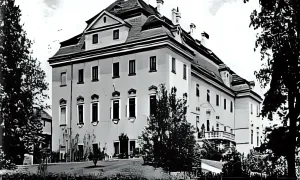
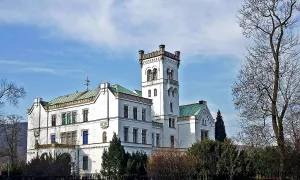
Visualizations and artistic views


The visualisations are generated by artificial intelligence and serve as inspiration.
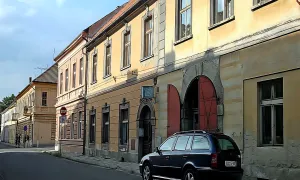
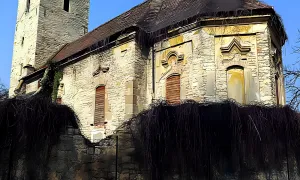
Photos from the area
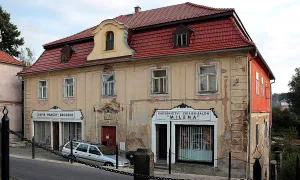
Real photos taken near the monument

Zdroj a licence jsou uvedeny u každého snímku.
Atmosphere of the place
This atmospheric visualisation of the place and period was generated by artificial intelligence. It is not real footage of the location.
Tips from visitors
No tips yet. Be the first!
Log in and add your tip.
Sources and literature
Fotografie: autor neuveden / Public domain — Wikimedia Commons. The author and licence also appear when you hover over the image.
Faktickým podkladem tohoto textu byl článek na Wikipedii, jehož autory jsou přispěvatelé Wikipedie. Článek je dostupný pod licencí CC BY-SA 4.0.
Location on the map

Příběhy a pověsti
Legendy, pověsti a příběhy spjaté s touto památkou
Příběh: Kostel svatého Vavřince (Chlumec)
Bylo to v pondělí ráno, kdy Martin zjistil, že jeho život se rozpadá jako rušné staveniště během bouře. Výčitky mu hrabaly duši, jakoby trestající ducha hůlk…
Číst příběh
Pověst: Kostel svatého Vavřince (Chlumec)
Podle místní pověsti se každý rok v noci z devátého na desátý srpen, právě v hodinu, kdy hvězdy dosáhnou svého nejvyššího místa na obloze, ozýval ze starého …
Číst příběhFotografie návštěvníků
Zatím žádné fotografie. Buďte první, kdo přidá fotografii z návštěvy!
Přihlaste se a přidejte svou fotografii nebo hodnoťte.
Za ověřenou návštěvu v aplikaci získáte víc bodů — poznáme podle GPS, že jste na místě.
Reviews and comments