






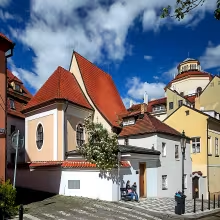
Kostel svatého Vavřince pod Petřínem is a historical monument located in Prague's Malá Strana district. Originally constructed as a Romanesque church around the mid-12th century, it has undergone significant architectural transformations over time, including Gothic renovations and Baroque modifications. These changes reflect its evolving role within the community.
The origins of Kostel svatého Vavřince pod Petřínem trace back to the mid-12th century when it was built on an older burial ground. Initially constructed in the Romanesque style, this church became part of Nebovidy's historical fabric before merging with Malá Strana by the late 14th century. Around 1378, during a period of Gothic renovations, a nave and modifications to its presbytery were added. The Thirty Years' War brought further changes; the church's orientation was reversed, and Baroque elements were introduced in the early 18th century.
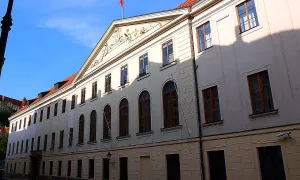
Architecturally, Kostel svatého Vavřince pod Petřínem showcases a blend of styles due to its extensive history. Its original Romanesque structure was enhanced with Gothic features such as an added nave and a vaulted presbytery. Baroque influences are evident in the alterations made after the Thirty Years' War, including changes to the church's orientation and additions to the presbytery. In the late 20th century, efforts were made to restore the church closer to its presumed original state by removing some classical additions.
Ownership and administration of the church have seen dramatic shifts over time. Initially serving as a parish church, it became part of a residential building complex after being deconsecrated in 1784. In the early 20th century, the Czechoslovak Hussite Church acquired the property but did not complete planned renovations. Eventually, from 1985 to 1991, the church was restored and repurposed as a concert hall for cultural events.
Key historical events include its Gothic transformation around 1378 and Baroque modifications in the early 18th century. The church's deconsecration in 1784 marked a significant change, leading to its use as part of a rental property complex until it was restored for cultural purposes in the late 20th century. Despite plans by the Czechoslovak Hussite Church, no major renovations were completed before its conversion into a concert hall.
Today, Kostel svatého Vavřince pod Petřínem stands as a testament to Prague's rich architectural and cultural history. It functions as a venue for the Pražské jaro festival, attracting visitors with its unique blend of historical styles and modern use. The church's location in Malá Strana offers scenic views of the Vltava River and proximity to other historic landmarks, making it a worthwhile destination for those interested in exploring Prague's heritage.
Kostel svatého Vavřince pod Petřínem is not only an architectural marvel but also a vibrant cultural hub. Its transformation from a medieval church to a modern concert hall reflects the dynamic history of Prague itself. Visitors are invited to experience this unique blend of history and culture, making it a must-see destination in the heart of Prague.
Historical milestones
- c.
Architectural development
The church began as a Romanesque structure with subsequent Gothic renovations around 1378, including an added nave. Baroque alterations occurred in the early 18th century, notably changing its orientation and adding new elements to the presbytery. In the late 20th century, it was restored to resemble its presumed original state, removing some classical additions.
Historical events
The church was originally built around the mid-12th century as a Romanesque structure.
In the late 14th century, it underwent Gothic renovations and expansions.
After the Thirty Years' War, its orientation was reversed, and Baroque modifications were made in the early 18th century.
It was deconsecrated in 1784 and later restored for cultural use in the late 20th century.
Owners
Originally a parish church, it became a rental property from 1804 to 1816 and was owned by the Czechoslovak Hussite Church in the early 20th century before being restored for cultural use.
Points of interest
- Kostel svatého Vavřince pod Petřínem was originally built on an older burial ground in the mid-12th century, linking it to ancient local traditions and practices.
- The church's orientation was reversed during renovations following the Thirty Years' War, a unique architectural decision reflecting the turbulent history of that period.
- Despite being deconsecrated in 1784 and integrated into a residential building complex, Kostel svatého Vavřince pod Petřínem maintained its historical significance through adaptive reuse over centuries.
Guide
Show guide text
Welcome to the historical site of Kostel svatého Vavřince pod Petřínem, nestled in the charming district of Malá Strana in Prague’s heart. As you stand here, take a moment to absorb the aura of this unique church that has witnessed centuries unfold.
The origins of this sacred place trace back to around 1150 when it was first erected as a Romanesque structure. Over time, it evolved through various architectural transformations, reflecting the dynamic history and cultural shifts in Prague. By the late 14th century, Gothic elements were integrated into its design, enhancing its spiritual and aesthetic appeal. The church underwent further modifications in the early 18th century when Baroque influences were added, particularly after the Thirty Years' War, which led to a unique architectural decision—reversing the orientation of the building.
As you look around, notice how these historical layers have blended into the fabric of the structure. Observe the intricate details that speak of its Gothic past and the subtle touches of Baroque elegance. Although specific architects remain unknown, their vision is immortalized in this enduring edifice.
Throughout its history, Kostel svatého Vavřince pod Petřínem has played various roles within the community. Initially built on an older burial ground, it was linked to ancient local traditions and practices, serving as a spiritual anchor for generations. Its integration with Malá Strana in the late 14th century marked a significant chapter, connecting it more closely with the vibrant life of Prague.
One intriguing aspect of this church is its transformation during the Baroque period. The reversal of its orientation post-Triple War was not just an architectural choice but also a symbolic gesture reflecting resilience and adaptation. This unique feature adds to the mystique of the site, inviting visitors to ponder the stories etched into its walls.
In 1784, the church underwent deconsecration and became part of a residential complex, showcasing its versatility and enduring relevance. Later, between 1985 and 1991, it was restored and repurposed as a concert hall, breathing new life into this historic site and allowing it to continue serving the community in a modern capacity.
As you explore further, allow yourself to be captivated by the layers of history that Kostel svatého Vavřince pod Petřínem embodies. Each corner holds stories waiting to be discovered, inviting you to delve deeper into its rich past. Thank you for joining us on this journey through time. May your exploration inspire a deeper appreciation for the cultural tapestry of Prague. Enjoy your visit!
Tips for visitors
The best time to visit Kostel svatého Vavřince pod Petřínem is during the late spring or early fall when the weather is pleasant, and the crowds are smaller compared to peak tourist season. This timing allows you to enjoy the church's architecture and its scenic surroundings without the hustle of summer tourists. The soft light during these months also enhances the beauty of the historic structures in Malá Strana.
Getting to Kostel svatého Vavřince pod Petřínem is convenient by both public transportation and car. Public transport options, such as trams or buses, are available and can be checked for current routes online. If driving, there are parking facilities nearby; however, it's advisable to check availability in advance due to the popularity of Malá Strana with tourists.
When visiting Kostel svatého Vavřince pod Petřínem, consider bringing comfortable walking shoes as you'll likely explore more than just the church. A camera is also recommended for capturing the stunning views and intricate details of the architecture. Since weather can be unpredictable, a light jacket or umbrella could be useful.
For photography enthusiasts, the best spots around Kostel svatého Vavřince pod Petřínem are those that capture its Romanesque features against the backdrop of Prague Castle and the Vltava River. Early morning or late afternoon provides the most flattering light for photographs, casting a warm glow on the historic facades.
Nearby attractions within 30 minutes include Prague Castle, offering breathtaking views from Hradčany Hill, and the iconic Charles Bridge, perfect for a leisurely stroll with stunning river vistas. For families with children, consider visiting Letná Park, where they can enjoy playgrounds and open spaces.
Businesses nearby
Nearby
Located on Malá Strana, the area is known for its historic architecture and proximity to Prague Castle. The church's surroundings include other cultural landmarks and scenic views of the Vltava River.
Accommodation nearby
Trips and activities nearby
Guided tours, tickets and activities nearby from GetYourGuide
Search tours and activities →Themed route
Tematická výletní trasa: Kostel svatého Vavřince pod Petřínem a okolí
1. Kostel svatého Vavřince pod Petřínem (Church) - Proč stojí za návštěvu: Tento barokní kostel, postavený v 18. století, je známý pro svůj architektonický styl a bohatou historii. Je domovem ikonické sochy svatého Vavřince od Josefa Mauderera a nabízí jedinečné interiéry s vynikajícím freskováním.
2. Malá Strana (Neighborhood) - Proč stojí za návštěvu: Tato historická čtvrť je slavná svou zachovanou architekturou a pitoreskním pohledem na Vltavu. Je to ideální místo pro procházky, kde si můžete užít klidné uličky s barokními domy a krásnými záhledy na Prahu.
3. Kostel svatého Mikuláše (Church) - Proč stojí za návštěvu: Tento kostel je dalším přitažlivým barokním dílem, které dodává charakter této čtvrti. Jeho významná socha svatého Mikuláše na zvonici je oblíbenou fotografickou pozicí a symbolizuje ochrannou přítomnost svatého.
4. Pražský hrad (Castle) - Proč stojí za návštěvu: I když není součástí okolních míst, Pražský hrad je nejbližší velkou historickou památkou, která nabízí vynikající pohledy na celé centrum Prahy. Jeho umístění na Petříně z něj činí ideální cíl pro uzavření vašeho výletu.
Tato trasa vás provede skrze historickou Malou Stranu, nabízející kombinaci architektonických krás a kulturních zážitků.
Seasonal recommendations
Spring: Visiting the Church of Saint Lawrence under Petřín during spring offers a delightful experience as nature awakens around this historic site. The blooming gardens and vibrant greenery create an enchanting atmosphere, making it a perfect time to appreciate both architecture and nature. Visitors should expect moderate crowds as people enjoy the pleasant weather, so arriving early in the day can help avoid larger groups. Light layers are advisable due to fluctuating temperatures, allowing you to adjust comfortably throughout your visit.
Summer: The summer months bring long days and warm evenings, ideal for exploring the Church of Saint Lawrence under Petřín when the city is bustling with energy. The natural light enhances the intricate details of the church's architecture, while the surrounding gardens are lush and inviting. This is a popular time to visit, so arriving early or later in the afternoon can help avoid peak tourist hours. Wearing comfortable shoes for walking and carrying water is recommended due to the heat.
Autumn: Autumn transforms the Church of Saint Lawrence under Petřín into a picturesque setting with its warm hues and crisp air. The changing leaves create a stunning backdrop, adding an extra layer of beauty to this historic site. While crowds are generally smaller than in summer, visitors should still plan for potential groups as people enjoy the pleasant weather before winter sets in. Layered clothing is advisable to accommodate cooler temperatures, especially later in the day.
Winter: Winter offers a unique charm at the Church of Saint Lawrence under Petřín, with snow-covered surroundings and festive lights creating a magical atmosphere. The shorter days mean that visiting earlier in the morning or late afternoon can provide better lighting for photography and exploration. Expect fewer visitors during this time, making it an ideal opportunity to enjoy the site more intimately. Wearing warm clothing is essential, as temperatures can be quite cold, especially after sunset.
Visualizations and artistic views

Vizualizace jsou generovány umělou inteligencí a slouží jako inspirace.

Tips from visitors
No tips yet. Be the first!
Log in and add your tip.
Location on the map
More monuments – Malá Strana
Show all in the municipality

Příběhy a pověsti
Legendy, pověsti a příběhy spjaté s touto památkou
Reviews and comments