






Palác Fénix Palace
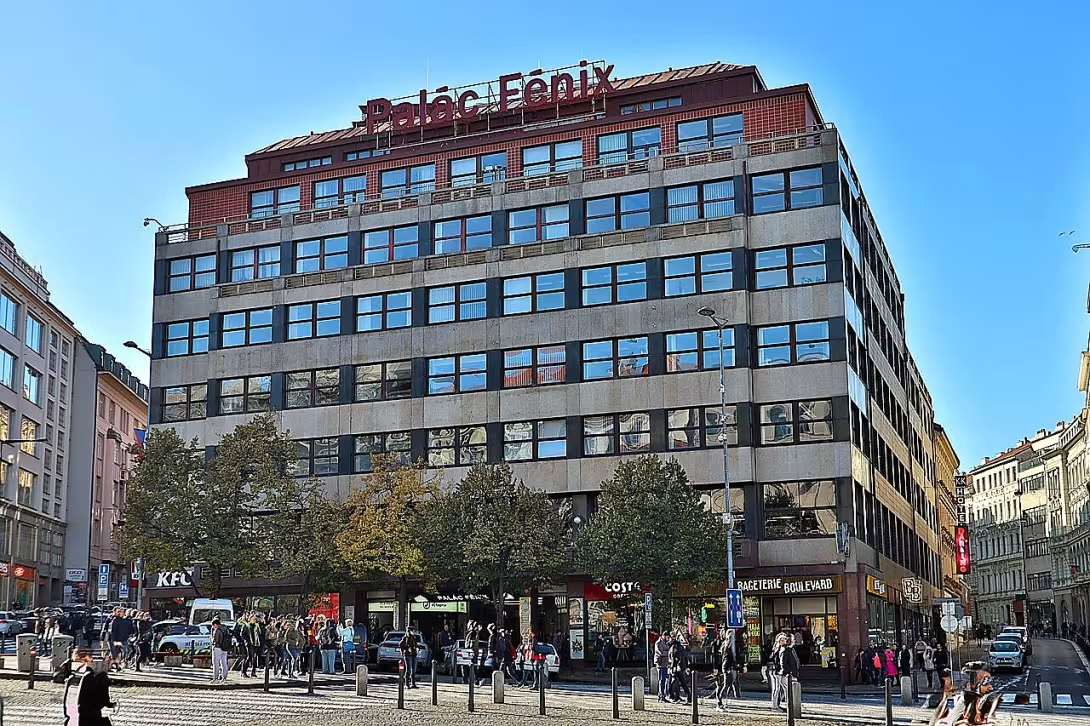
Palác Fénix stands as a testament to Czech functionalism in Prague's vibrant Nové Město district. Located at Václavské náměstí 802/56, this architectural marvel was completed between 1928 and 1930 by architects Josef Gočár and Bedřich Ehrmann. Known for its innovative design elements such as the use of Vierendeel trusses in its cinema hall, Palác Fénix is celebrated not only for its aesthetic appeal but also for its cultural significance within Prague's urban landscape.
The site where Palác Fénix now stands has a rich history dating back to the 14th century when three buildings occupied the area. By the mid-16th century, this number had reduced to two, and by the early 19th century, it was home to two neoclassical structures with classical facades. In 1927, these were purchased by the Viennese company "Životní pojišťovací společnost Fénix," setting the stage for a transformative architectural project that would redefine the space.
Architecturally, Palác Fénix exemplifies Czech functionalism with its purist and functionalist style. The building's façade harmoniously combines glass with natural stone, reflecting Josef Gočár's influence in design. This innovative use of materials was complemented by modern construction techniques of the time, including a unique structural system devised by Vídeňský profesor Nowak. Notably, the cinema hall within the palace can accommodate 760 people without any support columns, thanks to the application of Vierendeel trusses—a testament to the building's technical ingenuity.
Ownership and administration of Palác Fénix have seen significant developments since its inception. The Viennese "Životní pojišťovací společnost Fénix" played a crucial role in acquiring the site, which facilitated the construction of this architectural masterpiece. Over the years, the building has housed various commercial establishments and cultural venues, including Studio dva theater, contributing to its dynamic presence in Prague.
Palác Fénix is not only an architectural landmark but also a hub of activity with numerous shops, restaurants, and entertainment options within its passageways. The interior features mosaics created by renowned Czech artist Rudolf Kremlička, adding artistic value to the building's functional design. These elements make Palác Fénix a fascinating destination for those interested in both architecture and cultural history.
Today, Palác Fénix remains an integral part of Prague's urban fabric, recognized as a cultural monument of the Czech Republic. Its innovative design and historical significance continue to attract visitors from around the world. As you explore its corridors and admire its architectural details, you are not only witnessing a piece of Czech functionalism but also experiencing a living testament to early 20th-century innovation.
Palác Fénix invites you to delve into its rich history and appreciate its unique blend of functionality and artistry. Whether you're an architecture enthusiast or simply curious about Prague's cultural landmarks, this palace offers a captivating glimpse into the city's architectural evolution. Come and discover why Palác Fénix remains a cherished part of Prague's heritage.
Then and now
Drag the slider to compare how the landmark may have looked when it was built with the view today.
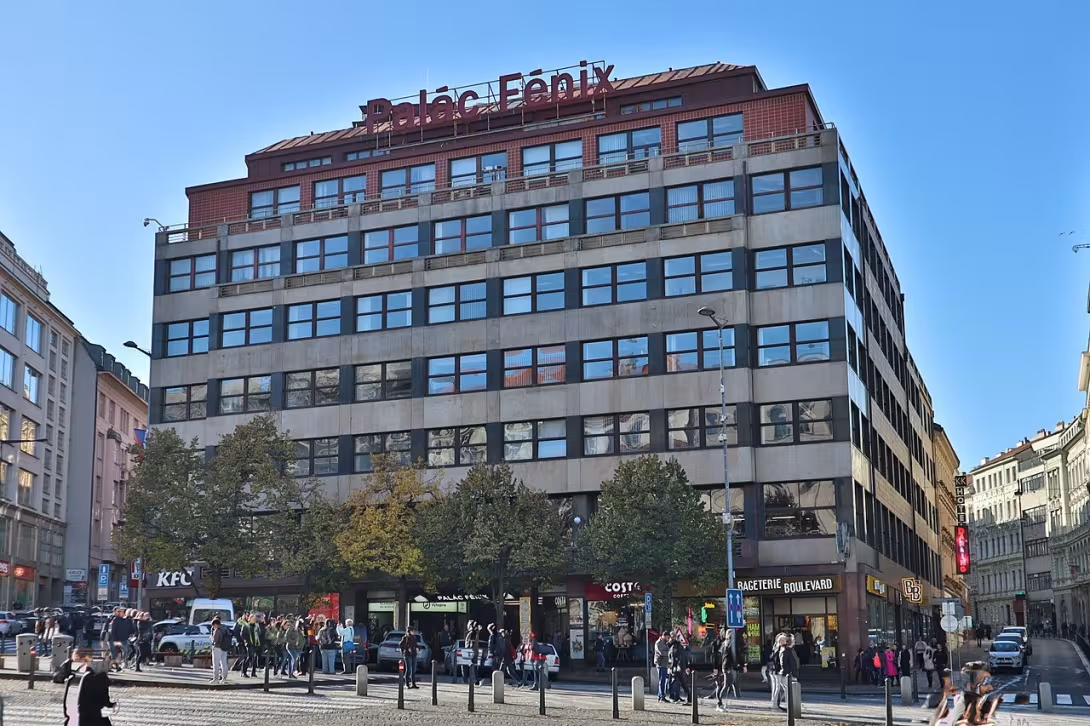
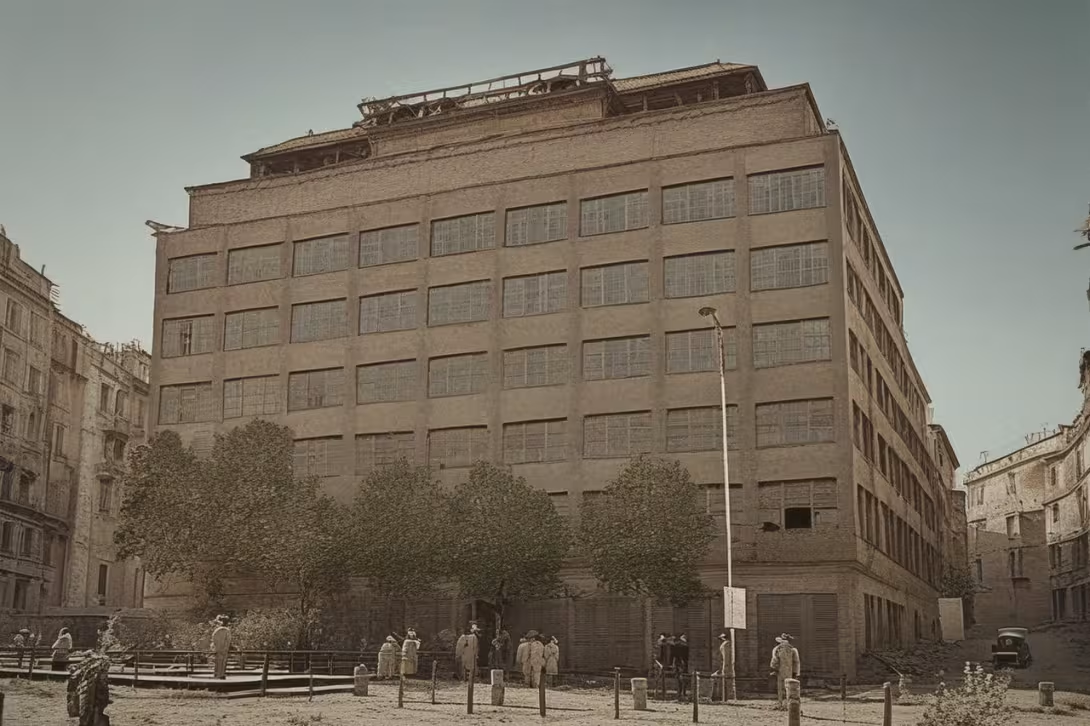
The historical appearance on the left is an AI-generated visualisation and serves as inspiration only.
Historical milestones
- 1927
- Koupil 'Životní pojišťovací společnost Fénix' místo pro budoucí vývoj.
- 1928-1930
- Dokončení Paláce Fénix architekty Josefem Gočárem a Bedřichem Ehrmannem.
Architectural development
Palác Fénix was constructed between 1928 and 1930, replacing two neoclassical buildings. The design incorporated modern techniques of the time, including a unique structural system devised by Vídeňský profesor Nowak. The building's interior features mozaiky created by Czech artist Rudolf Kremlička.
Historical events
Construction completed in 1930
Design by Josef Gočár and Bedřich Ehrmann
Owners
Videňská 'Životní pojišťovací společnost Fénix' (1927)
Points of interest
- The site of Palác Fénix was originally occupied by three buildings in the 14th century, which were reduced to two by the mid-16th century and then transformed into neoclassical structures with classical facades by the early 19th century before its current incarnation.
- The cinema hall within Palác Fénix is notable for its use of Vierendeel trusses, allowing it to accommodate up to 760 people without any support columns—a remarkable feat in architectural engineering during that era.
- Rudolf Kremlička, a renowned Czech artist, contributed mosaics to the interior of Palác Fénix, adding an artistic dimension to its functionalist design and enhancing its cultural value within Prague's urban landscape.
- The Viennese company "Životní pojišťovací společnost Fénix" played a pivotal role in acquiring the site for Palác Fénix, facilitating a transformative architectural project that redefined the space with innovative design elements and modern construction techniques.
- Over the years, Palác Fénix has housed various cultural venues, including Studio dva theater, contributing to its dynamic presence in Prague as both an architectural landmark and a hub of commercial and entertainment activities.
Guide
This guide is narrated by a synthetic voice generated by artificial intelligence.
Show guide text
This text was created by artificial intelligence and has not been editorially reviewed. It may contain inaccuracies.
Welcome to the historic site of Palác Fénix, a shining gem nestled in the heart of Prague's Nové Město district at Václavské náměstí. As you stand here, take a moment to absorb the grandeur and architectural finesse that surrounds you. This iconic structure is a testament to Czech functionalism, capturing the spirit of innovation from an era long past.
The journey of Palác Fénix began in 1927 when 'Životní pojišťovací společnost Fénix' acquired this site for future development. The vision was brought to life by architects Josef Gočár and Bedřich Ehrmann, with the building completed between 1928 and 1930. As you gaze upon its façade, you're witnessing a masterpiece that seamlessly blends form and function.
Now, let's delve into some of the architectural nuances that make Palác Fénix truly remarkable. One standout feature is the innovative use of Vierendeel trusses in the cinema hall. This design choice allows for an expansive, unobstructed space free from support columns, a marvel of engineering and creativity. As you explore further, notice how these elements contribute to the building's unique aesthetic and functional prowess.
While specific historical figures tied directly to Palác Fénix might not be widely documented, the architects themselves are noteworthy contributors to its legacy. Prof. Ing. arch. Josef Gočár and Ing. arch. Bedřich Ehrmann were instrumental in shaping this architectural icon, leaving an indelible mark on Prague's skyline.
Now, let me share with you a fascinating tidbit about this site. Originally, the location of Palác Fénix was home to three buildings dating back to the 14th century. By the mid-16th century, these were reduced to two and later transformed into neoclassical structures with classical facades in the early 19th century. This rich history adds layers of intrigue as you stand where centuries of transformation have unfolded.
As we conclude our brief exploration, I invite you to continue discovering what Palác Fénix has to offer. Whether it's appreciating its architectural details or imagining the stories that echo through its halls, there's always more to uncover. Thank you for joining me on this journey through history and design. Until next time, may your curiosity lead you to even more fascinating discoveries in Prague!
Tips for visitors
The best time to visit Palác Fénix is during the late spring or early autumn months, when the weather is pleasant for walking around Václavské náměstí and exploring nearby attractions without the crowds of peak tourist season. The natural light during these times also enhances the architectural beauty of the building, making it ideal for photography enthusiasts.
For transportation, Palác Fénix is easily accessible by both public transport and car. It’s advisable to check the current public transport routes in advance as they may vary.
When visiting Palác Fénix, it's recommended to bring comfortable walking shoes for exploring the area and a camera to capture its architectural details. Given that Palác Fénix exemplifies Czech functionalism, understanding this context can enrich your visit, so consider bringing along some reading material on Czech architecture if you're interested.
Photography enthusiasts will find the front façade of Palác Fénix particularly striking in the soft light of early morning or late afternoon. The square itself offers a variety of angles for capturing both the building and its lively surroundings. Be mindful of any restrictions on photography within the premises.
Nearby, Studio dva theater is a cultural venue worth visiting if you have an interest in performing arts. It’s located within walking distance from Palác Fénix and often hosts a range of performances that can be enjoyed by visitors looking to experience more of Prague's vibrant cultural scene.
Frequently asked questions
Can the monument be visited?
Some buildings of this kind are open for guided tours, others serve another purpose or are privately owned. We have not verified whether and when this monument is open – please ask the operator.
What are the opening hours and admission?
We have not verified the opening hours or admission. Current information is published by the operator.
Where is the monument?
Location: Krakovská 802/27, Nové Město, Praha, Hlavní město Praha. The map on this page shows the exact spot.
Why is the monument protected?
It is listed in the Central List of Cultural Monuments of the Czech Republic as a cultural monument (register no. 39971/1-1140).
Businesses nearby
Do you run a restaurant, accommodation, shop, museum, rental, wellness or other visitor service near this monument? Show yourself directly to the people heading to it — this is how they will see you in the app and on the web:
Events nearby
Zdroj akcí: otevřená data měst a obcí ČR (Národní katalog otevřených dat) a kalendář akcí Národního památkového ústavu.
Nearby
Palác Fénix is situated on Václavské náměstí, a central square in Prague's Nové Město district. The area features various commercial establishments and cultural venues, including Studio dva theater.
Accommodation nearby
Trips and activities nearby
Guided tours, tickets and activities nearby from GetYourGuide
Affiliate link: if you buy from the partner, we may receive a commission. The price for you does not change.
Search tours and activities →Themed route
Thematic Walking Tour: Václavské náměstí and Its Cultural Highlights
1. Palác Fénix
Type: Historical Building
Why Visit: Begin your journey at the iconic Palác Fénix, a stunning example of Art Nouveau architecture located on the vibrant Václavské náměstí. This building is renowned for its intricate facade and historical significance as one of Prague's most beautiful commercial buildings from the early 20th century.
2. Studio dva Theater
Type: Cultural Venue
Why Visit: Just a short walk from Palác Fénix, Studio dva theater offers an engaging cultural experience with its diverse range of performances and events. Known for innovative productions, it provides insight into contemporary Czech culture and arts.
3. Václavské náměstí
Type: Central Square
Why Visit: Explore the heart of Nové Město at Václavské náměstí itself, a bustling square that serves as a cultural and commercial hub in Prague. The area is filled with historical significance, lively cafes, and shops, offering a perfect spot to relax and soak up the local atmosphere after visiting nearby attractions.
This tour provides an enriching exploration of Nové Město's cultural landscape, centered around Palác Fénix and its immediate surroundings.
Seasonal recommendations
Jaro: During the spring season, Palác Fénix in Nové Město, Prague, takes on a unique radiant glow as sunlight reflects off its clean walls and ornamentation. This contributes to an atmosphere of renewal and beauty complemented by the blooming greenery of surrounding parks and gardens. Visitors are advised to dress in light clothing suitable for warm afternoons and cooler evenings. Spring is also a time when crowds tend to decrease, allowing visitors to explore the palace in a more relaxed setting and plan their visit later in the morning to enjoy the spring's warm light.
Léto: In summer, Palác Fénix becomes a place of special dazzling illumination where the sun highlights its architectural beauty and colors. The atmosphere is full of life and energy, further enhanced by the blooming gardens nearby. Visitors are encouraged to arrive early in the morning or later in the evening to avoid peak crowd times during sunny afternoons. Warm clothing and sun protection are essential for a comfortable visit, while water or light umbrellas can be useful for afternoon visits.
Podzim: In autumn, Palác Fénix takes on a melancholic yet colorful atmosphere as tree leaves change to gold, yellow, and red. This transformation offers a new perspective of the palace and its surroundings, creating ideal conditions for photography and relaxation in an air filled with maturity and calmness. Visitors are advised to wear warmer clothing due to cold mornings and evenings, while midday can be comfortable for tours. Visitors should take advantage of the moderate crowd levels during this period and plan their visit when the sun is at its highest to enjoy autumnal lighting effects.
Zima: During winter months, Palác Fénix becomes a mystical and mysterious place with the magic of glowing lights that highlight its architectural details. The atmosphere is enhanced by cold days and the possibility of watching snowy landscapes around the palace, creating a calm and cozy ambiance. Visitors should take advantage of quieter conditions and visit during light effects often part of winter celebrations in the capital.
Visualizations and artistic views


The visualisations are generated by artificial intelligence and serve as inspiration.
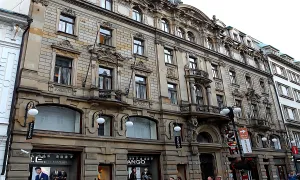
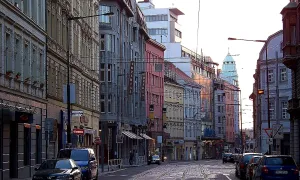
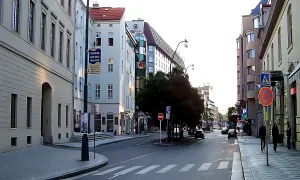
Photos from the area
Real photos taken near the monument


Zdroj a licence jsou uvedeny u každého snímku.
Tips from visitors
No tips yet. Be the first!
Log in and add your tip.
Sources and literature
Photos: Jklamo / CC BY-SA 4.0 — Wikimedia Commons. The author and licence also appear when you hover over the image.
Faktickým podkladem tohoto textu byl článek na Wikipedii, jehož autory jsou přispěvatelé Wikipedie. Článek je dostupný pod licencí CC BY-SA 4.0.
Location on the map
More monuments – Nové Město
Show all in the municipality


Příběhy a pověsti
Legendy, pověsti a příběhy spjaté s touto památkou
Fotografie návštěvníků
Zatím žádné fotografie. Buďte první, kdo přidá fotografii z návštěvy!
Log in a přidejte svou fotografii nebo hodnoťte.
Za ověřenou návštěvu v aplikaci získáte víc bodů — poznáme podle GPS, že jste na místě.
Reviews and comments