






Dolní Nové Město Other
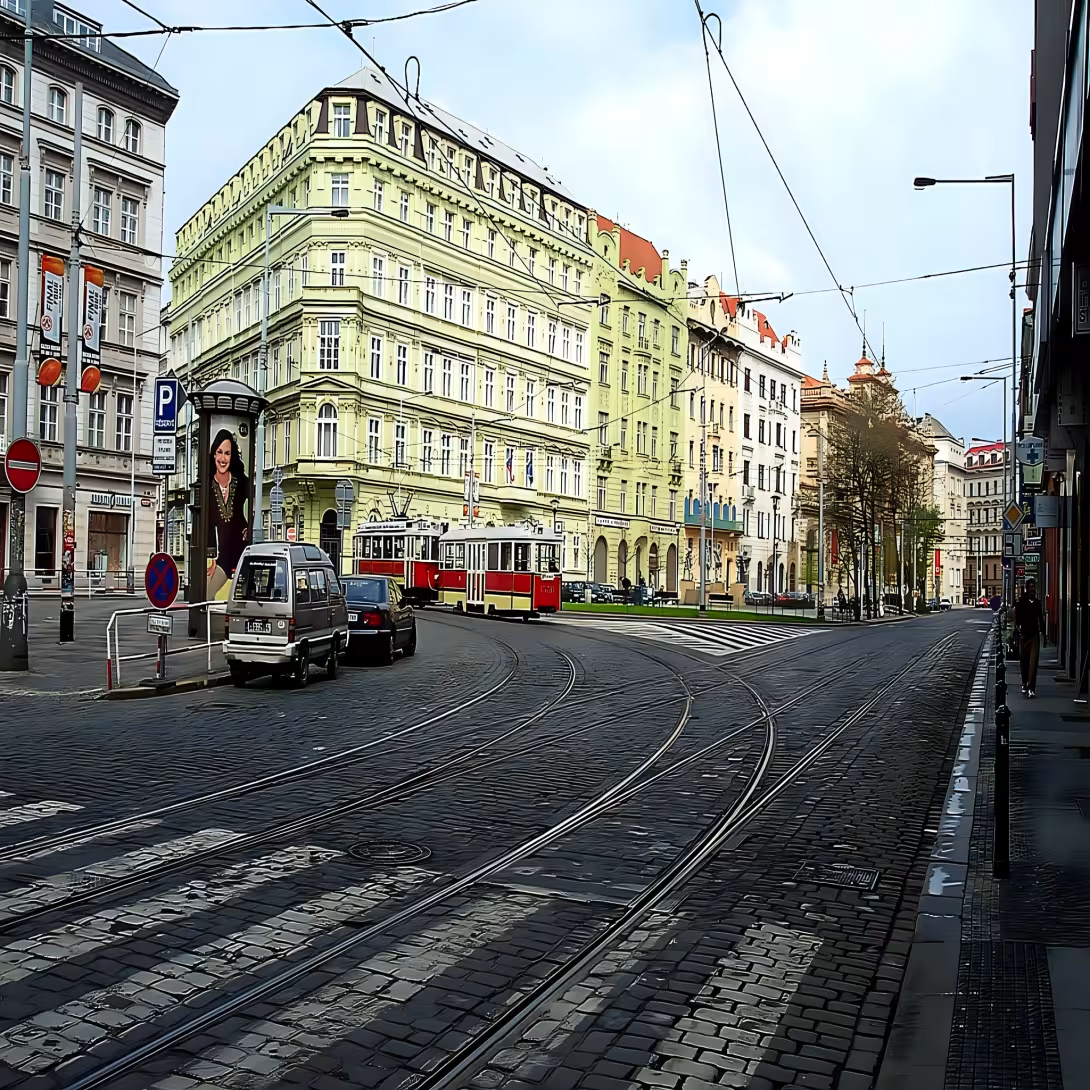
Dolní Nové Město is a historically significant area in Prague, known for its rich heritage dating back to the Middle Ages. Situated as the northern part of Prague's New Town, it borders Václavské náměstí, Staré Město, Karlín, Žižkov, and Vinohrady. The district’s architecture and urban structure reflect key phases of development from its founding by Charles IV in 1348 through modern transportation innovations. Originally centered around Senovážné náměstí, now known as Náměstí Republiky, Dolní Nové Město has undergone significant changes over the centuries.
The origin of Dolní Nové Město can be traced back to 1348 when it was founded by Charles IV as part of New Town Prague. This period marked a time of growth and urban planning across Europe, reflecting broader medieval trends. Under Charles IV's rule, Bohemia experienced significant development, with Prague emerging as a central hub of cultural and political activity.
The architecture and layout of Dolní Nové Město originated from its founding by Charles IV. The basic structure of the urban grid dates back to 1348, showcasing medieval planning principles that have endured through the centuries. The district's development was notably influenced by railway expansion in the 19th century, leading to the establishment of major stations like Masarykovo nádraží and Hlavní nádraží. This period saw a transformation in the area’s infrastructure, with railways playing a pivotal role in shaping its modern identity.
Throughout its history, Dolní Nové Město has witnessed several key events that have contributed to its evolution. In 1845, the first urban railway station within the city was opened, now known as Masarykovo nádraží. This development marked a significant shift in transportation and accessibility for the district. Later, in the 1970s, the construction of Severojižní magistrála further altered the layout of Dolní Nové Město, reflecting modern urban planning trends.
Dolní Nové Město is home to several historically significant sites, particularly near the Vltava River in the Poříčí area. Notable landmarks include the Church of St. Clement and the Church of St. Peter, which are integral parts of the district's historical fabric. The original center of Dolní Nové Město was Senovážné náměstí, now Náměstí Republiky, highlighting its longstanding importance as a central hub.
Today, Dolní Nové Město remains an accessible and vibrant part of Prague, offering visitors a glimpse into the city's rich historical tapestry. The area is characterized by well-preserved medieval architecture alongside modern infrastructure, making it a unique blend of past and present. Visitors can explore significant landmarks such as Náměstí Republiky and enjoy the scenic riverside with plavební komory on the island Štvanice.
Dolní Nové Město is not only a testament to Prague's historical evolution but also a living part of its contemporary urban landscape. Its blend of medieval origins, 19th-century railway developments, and modern architectural elements makes it a fascinating destination for history enthusiasts and casual visitors alike. The district invites exploration and appreciation, offering insights into the layers of history that have shaped this iconic area of Prague.
Then and now
Drag the slider to compare how the landmark may have looked when it was built with the view today.
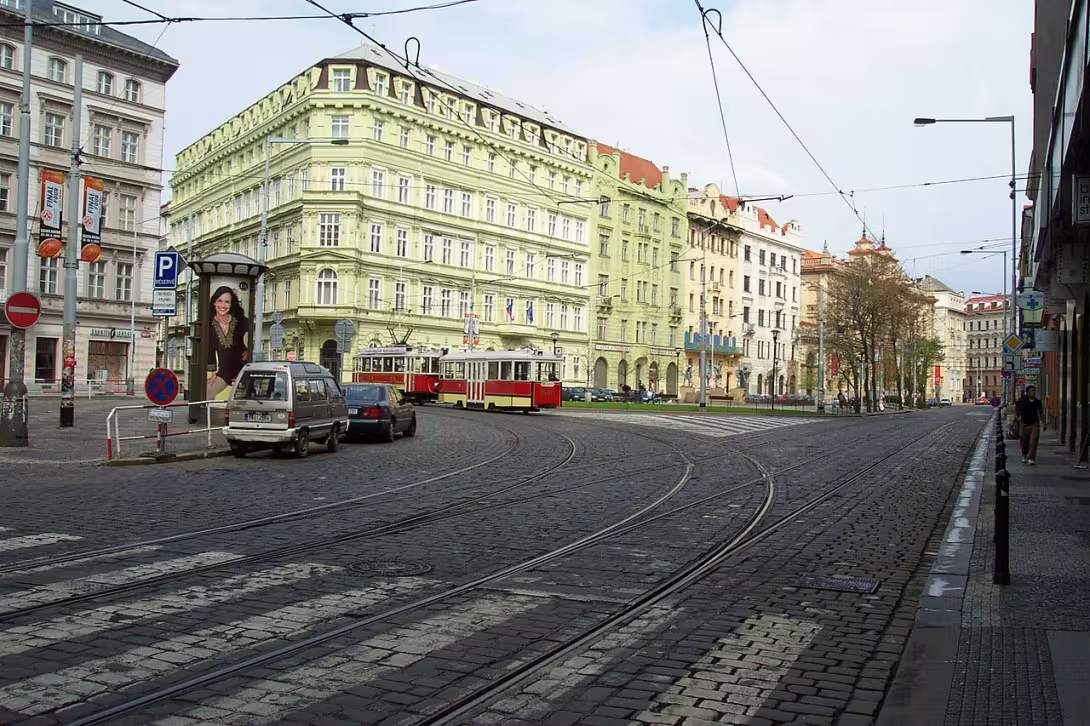
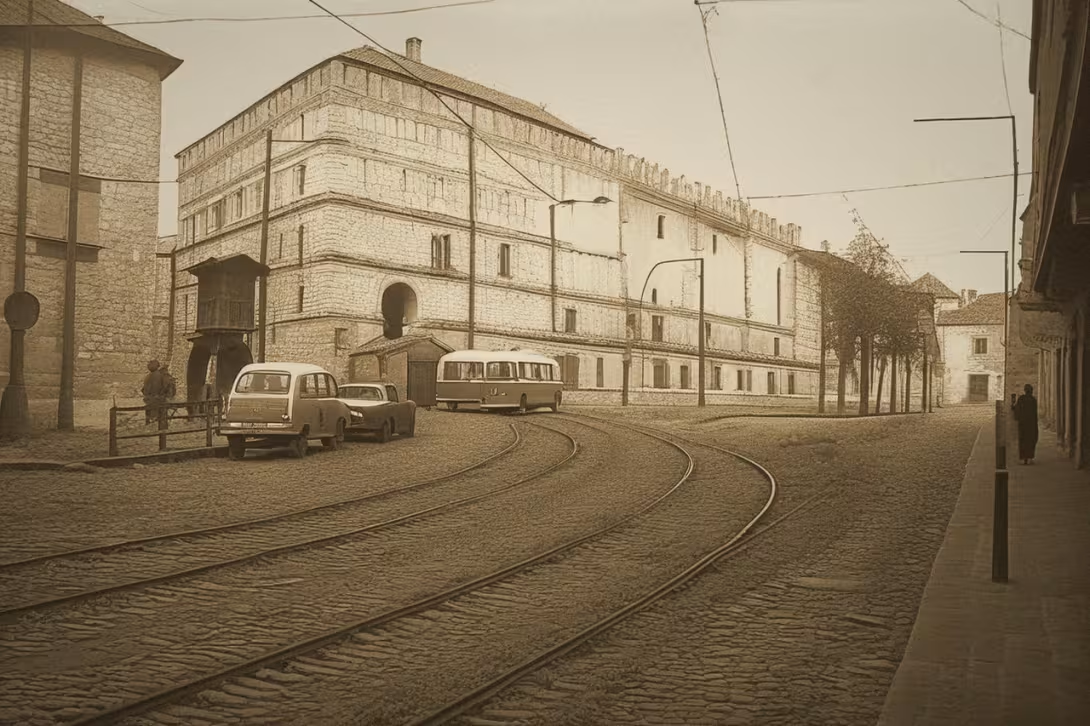
The historical appearance on the left is an AI-generated visualisation and serves as inspiration only.
Historical milestones
- 1348
- Founding of Dolní Nové Město by Charles IV.
- 1845
- Opening of the first urban railway station, now Masarykovo nádraží.
- 1970s
- Construction of Severojižní magistrála.
Architectural development
Dolní Nové Město's urban grid originated from its founding by Charles IV. The development was notably influenced by railway expansion, leading to the establishment of major stations like Masarykovo and Hlavní nádraží. The area saw further transformation with the construction of Severojižní magistrála in the 1970s.
Historical events
Founded by Charles IV in 1348 as part of New Town Prague.
In 1845, the first urban railway station, now Masarykovo nádraží, was opened within the city.
The construction of Severojižní magistrála in the 1970s significantly altered the district's layout.
Guide
This guide is narrated by a synthetic voice generated by artificial intelligence.
Show guide text
This text was created by artificial intelligence and has not been editorially reviewed. It may contain inaccuracies.
Welcome to Dolní Nové Město in the heart of Prague's vibrant Nové Město district. As you stand here, surrounded by a tapestry of history and modernity, take a moment to absorb the atmosphere that has evolved over centuries. The area before you is rich with stories from its medieval origins through to contemporary developments.
Dolní Nové Město was founded in 1348 by Emperor Charles IV, marking a significant expansion of Prague's urban landscape. Originally centered around Senovážné náměstí, which is now known as Náměstí Republiky, this district has been a focal point for cultural and economic activity throughout its history.
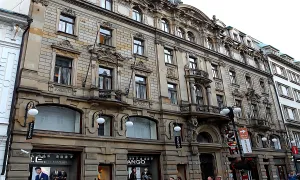
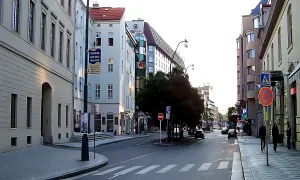
As you look around, notice the architectural blend that reflects various phases of development. The streets are lined with buildings showcasing styles from different periods, each telling a story of the area's growth and transformation. Pay particular attention to how modern infrastructure weaves through historical structures, creating a unique urban fabric.
One of the most transformative events in Dolní Nové Město's history was the introduction of railways in the 19th century. In 1845, Masarykovo nádraží opened as one of Prague's first urban railway stations. This development revolutionized transport and marked a significant shift in how people moved through the city.
While many architects who contributed to this district remain unknown, their work collectively shaped its character. The impact of these changes is evident today, with modern transportation routes like the Severojižní magistrála constructed in the 1970s further altering the landscape.
A fascinating aspect of Dolní Nové Město is how it seamlessly integrates its medieval roots with 19th and 20th-century innovations. This blend of old and new offers a unique perspective on urban development, inviting you to explore deeper into its streets and squares.
As we conclude this audio guide, I encourage you to continue exploring the area. Wander through the streets, observe the architecture, and let yourself be immersed in the history and vibrancy that Dolní Nové Město has to offer. Thank you for joining us on this journey, and enjoy your time discovering more of Prague's treasures.
Tips for visitors
The best time to visit Dolní Nové Město is during the late spring or early autumn months when the weather is pleasant, allowing you to comfortably explore its historic streets and enjoy outdoor activities along the Vltava River. These seasons offer a balance of mild temperatures and fewer tourists compared to peak summer months, making it ideal for appreciating the district's architecture and vibrant atmosphere without the crowds.
Transportation options in Dolní Nové Město are convenient with both public transport and parking available. The area is well-connected by tram lines and buses that can be easily accessed from other parts of Prague. For those driving, there are several parking facilities nearby; however, it's advisable to check for availability as spaces can fill up quickly during busy times. Public transportation is generally recommended due to the district’s compact nature and limited street parking.
When visiting Dolní Nové Město, consider bringing comfortable walking shoes, a camera or smartphone for capturing photos, and perhaps an umbrella or light raincoat in case of unexpected showers. The area's cobblestone streets can be uneven, so appropriate footwear is essential for navigating comfortably. Additionally, carrying water and snacks might enhance your visit, especially if you plan to spend the entire day exploring.
For photography enthusiasts, Dolní Nové Město offers numerous picturesque spots, particularly along the riverside where the Vltava River meets the historic architecture. Early morning or late afternoon light provides a soft glow that enhances the charm of buildings and bridges in the area. The Štvanice island can also offer unique perspectives with its blend of natural and urban elements.
Nearby attractions within 30 minutes include Staré Město (Old Town), which is home to Prague Castle, Charles Bridge, and the Old Town Square. Additionally, Václavské náměstí offers a lively atmosphere with cultural events and shopping opportunities. For families with children, consider visiting Letná Park for its playgrounds and panoramic views of the city, or explore the interactive exhibits at the National Technical Museum.
Businesses nearby
Do you run a restaurant, accommodation, shop, museum, rental, wellness or other visitor service near this monument? Show yourself directly to the people heading to it — this is how they will see you in the app and on the web:
Events nearby

Zdroj akcí: otevřená data měst a obcí ČR (Národní katalog otevřených dat) a kalendář akcí Národního památkového ústavu.
Nearby
Dolní Nové Město is bordered by Václavské náměstí, Staré Město, Karlín, Žižkov, and Vinohrady. The area includes the island Štvanice and features a developed riverside with plavební komory.
Accommodation nearby
Trips and activities nearby
Guided tours, tickets and activities nearby from GetYourGuide
Affiliate link: if you buy from the partner, we may receive a commission. The price for you does not change.
Search tours and activities →Themed route
Thematic Walking Tour: Exploring Dolní Nové Město and Its Surroundings
1. **Václavské náměstí (Square) Start your journey at Václavské náměstí, a historic square known for its vibrant atmosphere and cultural significance. This area serves as the gateway to Dolní Nové Město and offers stunning views of the surrounding districts. The square is home to notable landmarks such as the National Museum and the statue of Saint Wenceslas, making it an ideal starting point to immerse yourself in the local history and architecture.
2. **Štvanice Island (Island) From Václavské náměstí, head towards Štvanice Island, a charming green oasis nestled within the Vltava River. This island is perfect for those who enjoy nature and tranquility amidst an urban setting. Explore its lush parks, cycling paths, and picturesque views of Prague's skyline. The island also features historical remnants like the old Štvanice Bridge, offering insights into its past as a fortress site.
3. **Plavební komory (Boathouse) Continue your exploration by visiting the Plavební komory along the riverside of Dolní Nové Město. These historic boathouses are an architectural marvel, showcasing unique brickwork and design from the late 19th century. They reflect the area's rich maritime history and provide a glimpse into Prague’s past as a bustling river port. The serene riverside setting makes it a perfect spot for relaxation and reflection.
4. **Dolní Nádraží (Train Station) Conclude your tour at Dolní Nádraží, an iconic train station known for its Art Nouveau architecture. Designed by renowned architect Josef Fanta, the station is a testament to Prague’s architectural heritage and offers stunning views of the Vltava River. It's not only a functional transport hub but also a cultural landmark that connects various parts of the city, making it a fitting end to your thematic journey through Dolní Nové Město.
This walking tour provides a comprehensive exploration of Dolní Nové Město and its immediate surroundings, highlighting historical sites, architectural wonders, and natural beauty.
Seasonal recommendations
Spring: Spring in Dolní Nové Město offers a refreshing atmosphere as the city awakens from its winter slumber. The blooming flowers and budding trees create picturesque scenes, perfect for leisurely strolls through the historic streets. With longer daylight hours, visitors can enjoy extended sightseeing opportunities. During this season, it's advisable to wear layers, as temperatures can vary between cool mornings and warmer afternoons. While crowds are generally moderate, arriving early in the day can help avoid any potential increase in foot traffic due to pleasant weather.
Summer: Summer brings vibrant energy to Dolní Nové Město, with its historic charm illuminated under the bright sun. The lush greenery and warm temperatures make it an ideal time for outdoor activities and exploring Prague's cultural offerings. However, this is also the peak tourist season, so expect larger crowds, especially in popular areas like Old Town Square. To enhance your experience, consider visiting early in the morning or later in the afternoon to avoid the midday rush. Comfortable walking shoes and light clothing are recommended for navigating the cobbled streets comfortably.
Autumn: Autumn transforms Dolní Nové Město into a warm tapestry of reds, oranges, and yellows as the leaves change color. The cooler temperatures provide a more comfortable climate for exploring Prague's historic sites without the summer heat. This season is often less crowded than summer, offering a quieter experience while still enjoying vibrant fall festivals and events. Layered clothing is essential to accommodate fluctuating temperatures throughout the day, and an umbrella might be handy as rain showers are not uncommon.
Winter: Winter in Dolní Nové Město offers a magical atmosphere with its historic architecture beautifully adorned with festive lights and decorations. The cooler climate can make for crisp, clear days perfect for sightseeing, though evenings tend to be quite chilly. Visitors should plan their trips during daylight hours as many attractions may close earlier. It's crucial to dress warmly in layers and wear comfortable shoes suitable for walking on potentially slippery surfaces. Despite the cold, the festive atmosphere makes it a unique time to experience Prague's charm.
Visualizations and artistic views


The visualisations are generated by artificial intelligence and serve as inspiration.
Photos from the area
Real photos taken near the monument


Zdroj a licence jsou uvedeny u každého snímku.
Atmosphere of the place
This atmospheric visualisation of the place and period was generated by artificial intelligence. It is not real footage of the location.
Tips from visitors
No tips yet. Be the first!
Log in and add your tip.
Sources and literature
Photos: User:Aktron / CC BY-SA 3.0, rozlišení zvýšeno umělou inteligencí — Wikimedia Commons. The author and licence also appear when you hover over the image.
Location on the map
More monuments – Nové Město
Show all in the municipality



Příběhy a pověsti
Legendy, pověsti a příběhy spjaté s touto památkou

Fotografie návštěvníků
Zatím žádné fotografie. Buďte první, kdo přidá fotografii z návštěvy!
Log in a přidejte svou fotografii nebo hodnoťte.
Za ověřenou návštěvu v aplikaci získáte víc bodů — poznáme podle GPS, že jste na místě.
Reviews and comments