






Strahovská brána Gate
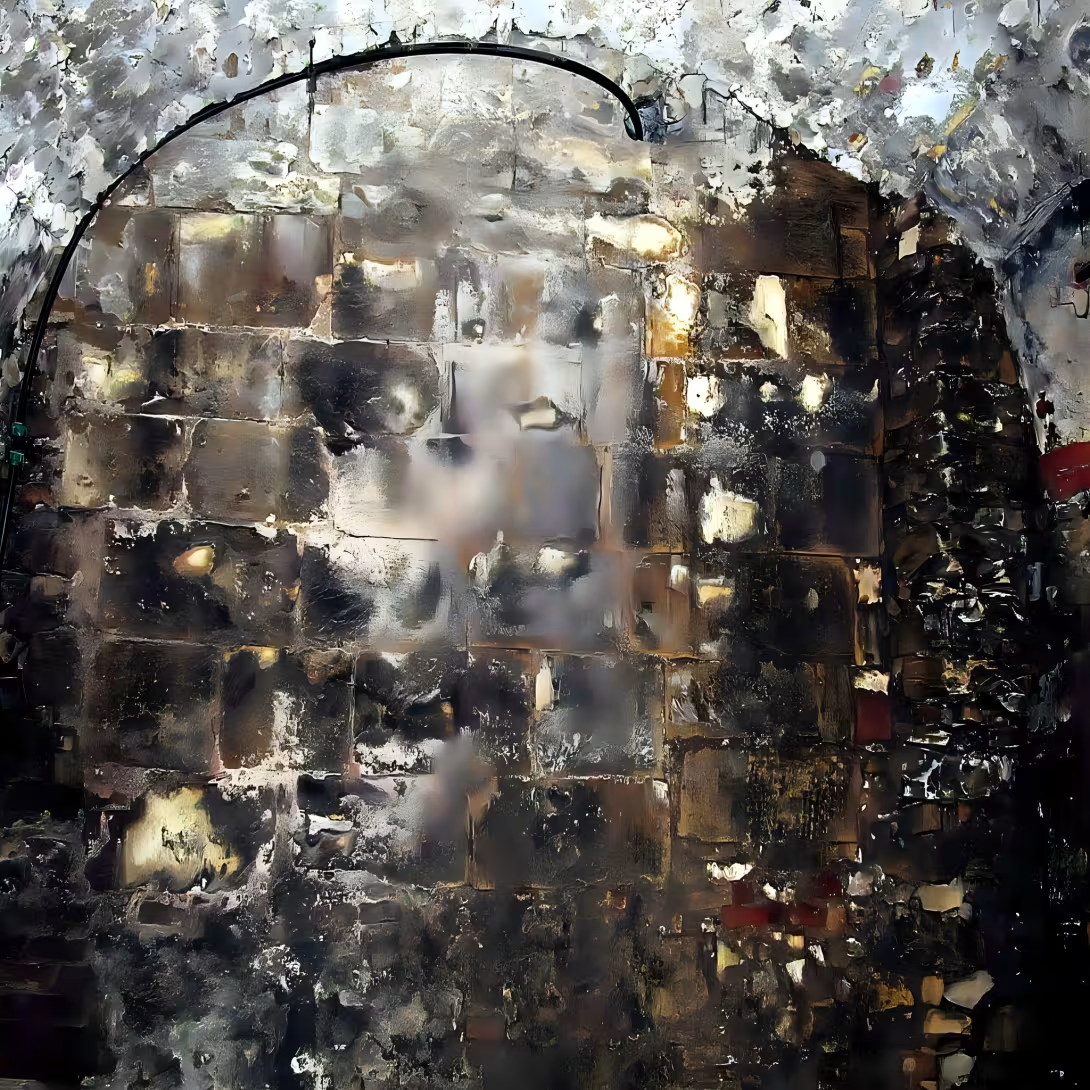
Objekt se nedochoval — na místě dnes nestojí. Následující text popisuje jeho historii, ne současnou návštěvu.
Strahovská brána, also known as Černá or Hansturkovská, was a medieval gate in Prague crucial to the city's defenses during Přemysl Otakar II's reign in the 13th century. Situated on what is now Nerudova Street, it separated Malá Strana from Hradčany and Strahov until its demolition in 1711. The gate was significant for events like the Pasovian mercenaries' invasion in 1611 and Swedish forces breaching it in 1648.
The origin of Strahovská brána dates back to the 13th century, when Bohemia was a major power under Přemysl Otakar II. This era saw royal authority consolidation and fortification expansion across the region. The gate was part of these defensive structures designed to protect Prague from threats.
Architecturally, Strahovská brána integrated into the medieval fortifications built during Přemysl Otakar II's reign. While specific architectural details are undocumented, it stood until 1711 when it was demolished for the Theatine Church of Our Lady, Mother of Perpetual Help construction. Materials from the gate were repurposed in this new project.
Throughout its history, Strahovská brána witnessed key events highlighting its strategic importance. In 1611, Pasovian mercenaries used it to invade and plunder Malá Strana. Later, in 1620, troops loyal to Ferdinand II entered Prague through the gate after their victory at the Battle of White Mountain. Its significance continued into 1648 when Swedish forces breached it during their campaign to capture Hradčany and Malá Strana.
Today, the site where Strahovská brána once stood is part of Prague's vibrant Malá Strana district. While the gate no longer exists, its historical importance remains a point of interest for those exploring the area. The district is known for historic architecture and proximity to landmarks like the Charles Bridge and Prague Castle.
Visiting the former location of Strahovská brána offers insight into Prague's rich history and the strategic significance of its medieval fortifications. Although the gate itself has been lost to time, its legacy endures in stories of invasions and battles that shaped the city's past. This site is worth visiting for those interested in understanding historical dynamics influencing Prague's development.
Then and now
Drag the slider to compare how the landmark may have looked when it was built with the view today.
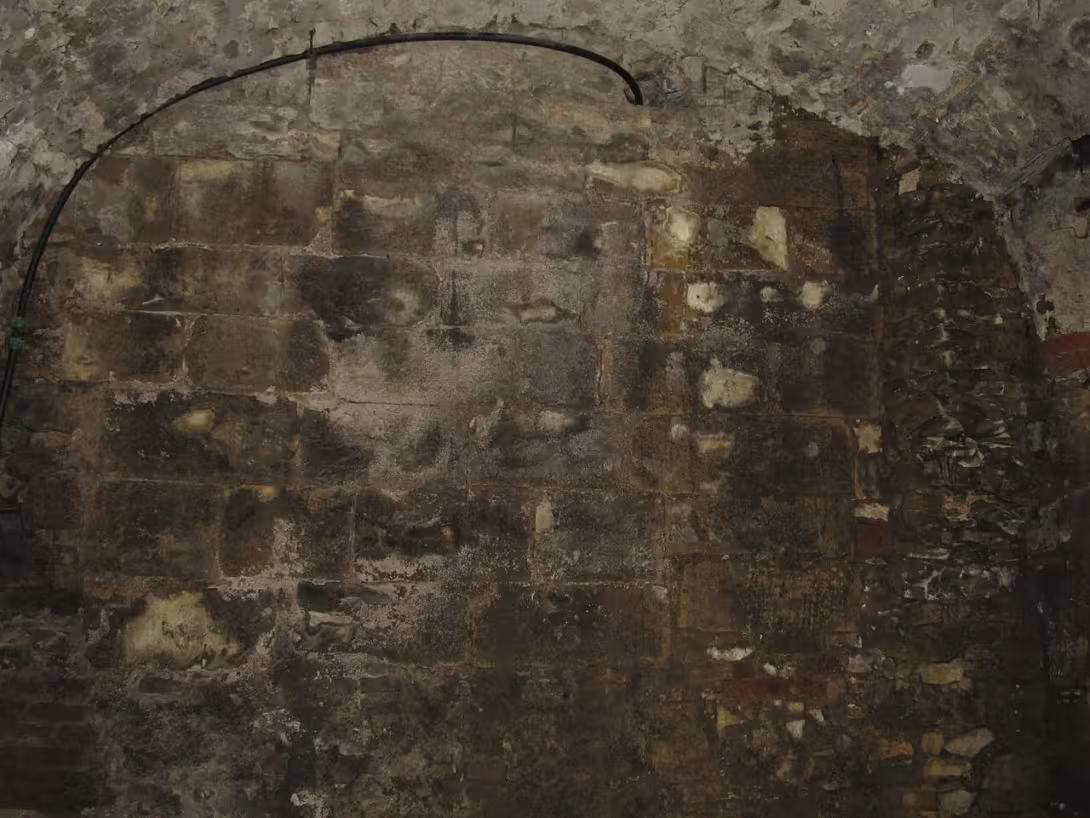
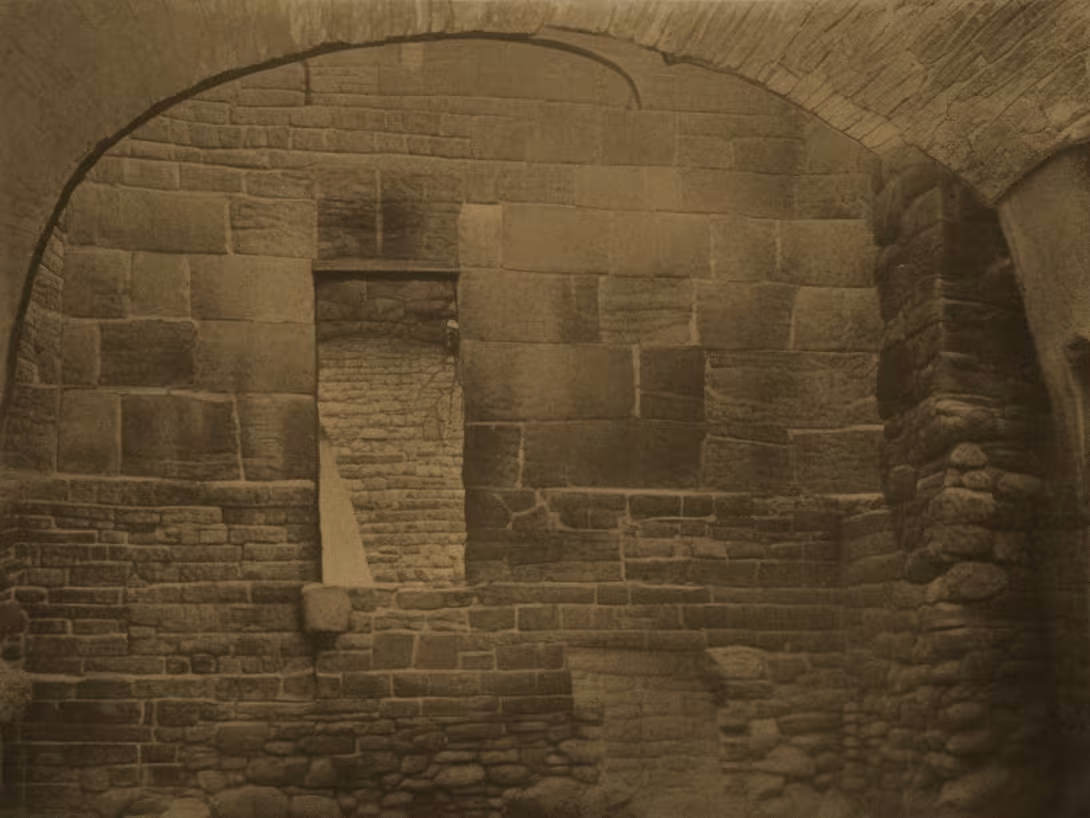
The historical appearance on the left is an AI-generated visualisation and serves as inspiration only.
Historical milestones
- 1611
- Pasovian mercenaries invaded and plundered Malá Strana through this gate.
- 1620
- Troops loyal to Ferdinand II entered Prague after their victory at the Battle of White Mountain.
- 1648
- Swedish forces used the gate to enter and capture Hradčany and Malá Strana.
Architectural development
Strahovská brána was part of a medieval fortification system built in the 13th century. It stood until its demolition in 1711 when materials from the gate were repurposed for the construction of the Theatine Church of Our Lady, Mother of Perpetual Help.
Historical events
In 1611, Pasovian mercenaries used the gate to invade and plunder Malá Strana.
In 1620, after their victory at the Battle of White Mountain, troops loyal to Ferdinand II entered Prague through this gate.
In 1648, Swedish forces breached the city via this gate during their campaign.
Points of interest
- Although Strahovská brána was demolished in 1711 for the construction of the Theatine Church of Our Lady, Mother of Perpetual Help, some materials from the gate were repurposed in this new project. This recycling of historical elements into a religious structure highlights an interesting blend of preservation and transformation.
- Despite its strategic importance, specific architectural details about Strahovská brána remain undocumented, which adds to its mystique. The lack of detailed records makes it challenging for historians to fully reconstruct its appearance or understand the nuances of its design within Prague's medieval fortifications.
- In 1620, after their victory at the Battle of White Mountain, troops loyal to Ferdinand II used Strahovská brána as an entry point into Prague. This event marked a pivotal moment in Bohemian history, symbolizing a shift in power and control that had lasting impacts on the region's political landscape.
- The gate was known by multiple names—Černá or Hansturkovská—which reflects its multifaceted role in local history and perhaps varying perceptions of it over time. These alternate names might have been associated with different historical events or figures linked to the area, adding layers to its story.
- While Strahovská brána no longer exists, its legacy lives on through stories of invasions and battles that shaped Prague's past. Its strategic role in these significant historical moments underscores the gate's importance beyond just being a physical structure, serving as a symbol of resilience and change throughout centuries.
Guide
This guide is narrated by a synthetic voice generated by artificial intelligence.
Show guide text
This text was created by artificial intelligence and has not been editorially reviewed. It may contain inaccuracies.
Welcome to the site of the Strahovská brána, a historical gateway that once stood proudly as part of Prague's medieval fortifications. Though it no longer stands in its original form, the location on what is now Nerudova Street still whispers tales from centuries past.
The Strahovská brána, also known as Černá or Hansturkovská, was constructed during the reign of Přemysl Otakar II. This gate served a crucial role in defending Malá Strana by separating it from Hradčany and Strahov until its demolition in 1711. The strategic importance of this gateway is underscored by its involvement in several pivotal historical events.
As you stand here, imagine the robust structure that once formed part of Prague's formidable defenses. While specific architectural details are lost to time, envision a gate built from sturdy materials designed to withstand invasions and sieges. Its presence was not merely functional but symbolized the strength and resilience of the city it protected.
The Strahovská brána witnessed significant historical moments that shaped Prague’s past. In 1611, Pasovian mercenaries used this very gateway to invade and plunder Malá Strana, leaving a mark on its history. Then in 1620, after their victory at the Battle of White Mountain, troops loyal to Ferdinand II marched through the gate into Prague. The Swedish forces also utilized this passage in 1648 to capture Hradčany and Malá Strana, further highlighting the strategic importance of the Strahovská brána.
While many architects remain unknown, their work here contributed to a structure that stood as a testament to medieval engineering and military strategy. Although specific individuals are not documented, the collective efforts of those who built and maintained this gate have left an indelible mark on Prague's architectural heritage.
One intriguing aspect of Strahovská brána’s history is its eventual demolition in 1711 for the construction of the Theatine Church of Our Lady, Mother of Perpetual Help. In a fascinating blend of past and present, materials from the gate were repurposed into this new religious structure. This recycling effort not only preserved elements of Prague's historical architecture but also symbolized continuity amidst change.
As you conclude your visit to this historic site, take a moment to reflect on the layers of history that have unfolded here. The stories embedded in the ground beneath your feet speak volumes about resilience and transformation over centuries. We invite you to continue exploring Malá Strana, where every corner offers new insights into Prague's rich past.
Thank you for joining us on this journey through time. May your exploration be filled with discovery and wonder as you delve deeper into the heart of Prague.
Businesses nearby
Do you run a restaurant, accommodation, shop, museum, rental, wellness or other visitor service near this monument? Show yourself directly to the people heading to it — this is how they will see you in the app and on the web:
Events nearby

Zdroj akcí: otevřená data měst a obcí ČR (Národní katalog otevřených dat) a kalendář akcí Národního památkového ústavu.
Nearby
The area around the former location of Strahovská brána is now part of Prague's vibrant Malá Strana district, known for its historic architecture and proximity to landmarks such as the Charles Bridge and Prague Castle.
Visualizations and artistic views


The visualisations are generated by artificial intelligence and serve as inspiration.
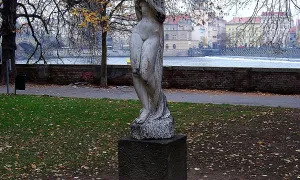
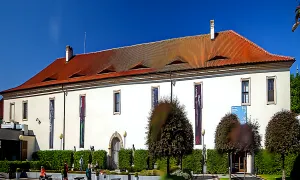
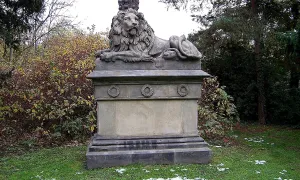
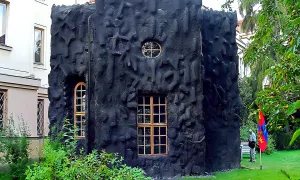
Photos from the area
Real photos taken near the monument


Zdroj a licence jsou uvedeny u každého snímku.
Tips from visitors
No tips yet. Be the first!
Log in and add your tip.
Sources and literature
Photos: Octopus moldavicus / CC BY-SA 3.0, rozlišení zvýšeno umělou inteligencí — Wikimedia Commons. The author and licence also appear when you hover over the image.
Faktickým podkladem tohoto textu byl článek na Wikipedii, jehož autory jsou přispěvatelé Wikipedie. Článek je dostupný pod licencí CC BY-SA 4.0.
Location on the map

Příběhy a pověsti
Legendy, pověsti a příběhy spjaté s touto památkou

Fotografie návštěvníků
Zatím žádné fotografie. Buďte první, kdo přidá fotografii z návštěvy!
Log in a přidejte svou fotografii nebo hodnoťte.
Za ověřenou návštěvu v aplikaci získáte víc bodů — poznáme podle GPS, že jste na místě.
Reviews and comments