






Kostel svatého Vavřince (Tatobity) Church
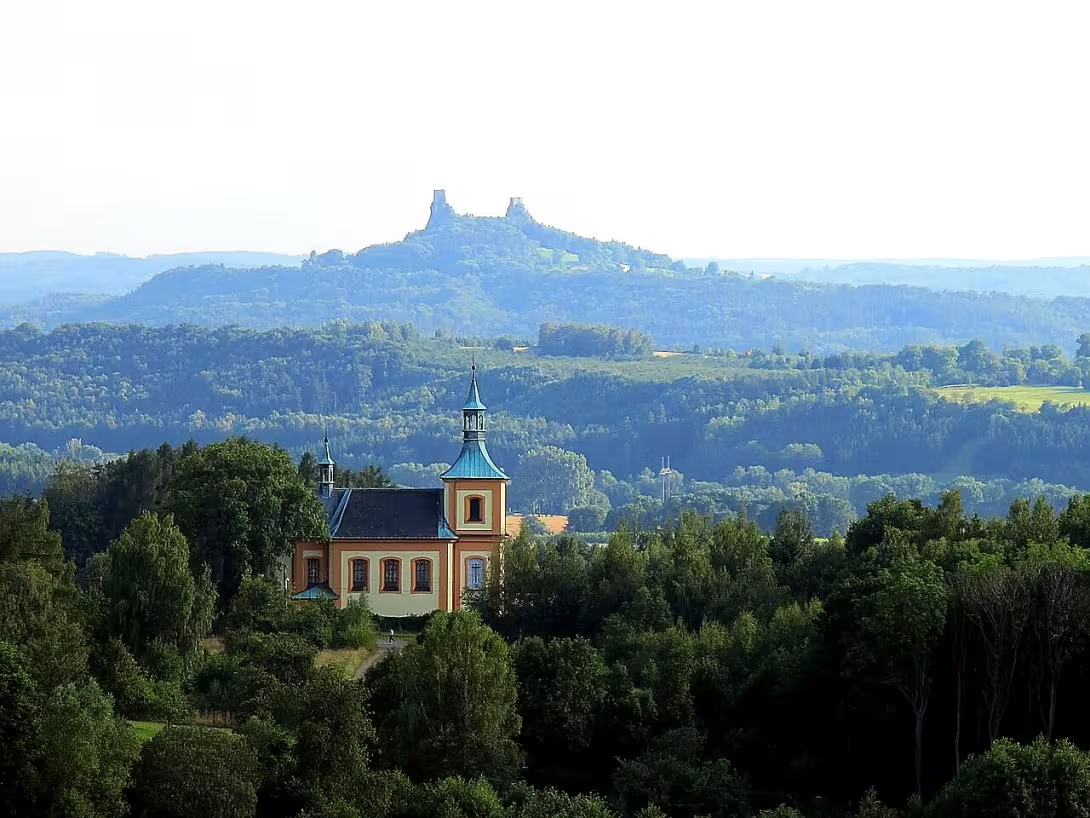
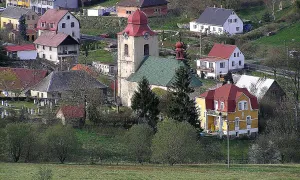
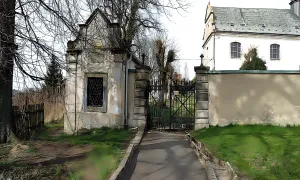
The Church of Saint Lawrence in Tatobity is a notable Baroque church located within the village cemetery along a road. Constructed between 1714 and 1750, it replaced an earlier structure that may have been wooden. This single-nave building features a three-sided presbytery and a sacristy to the north, reflecting its architectural style.
The church is distinguished by its simple exterior without significant detailing, a barrel-vaulted presbytery with lunettes, and a flat ceiling in the nave supported by a cornice.
Constructed during a period when Bohemia was part of the Habsburg Monarchy, this era was marked by cultural and religious influences that shaped the region. Following the Thirty Years' War, which significantly impacted Europe's architectural landscape, the Church of Saint Lawrence stands as a testament to these historical shifts, embodying the Baroque style prevalent in the early to mid-18th century.
Architecturally, the church is characterized by its single-nave design and simple exterior. Internally, it boasts a barrel-vaulted presbytery with lunettes, while the nave features a flat ceiling supported by a cornice. The west-facing façade includes a pyramidal tower, adding to the building's distinctive silhouette. These elements reflect the Baroque style's emphasis on grandeur and spatial dynamics.
In 2001, the church underwent restoration funded by the B. J. Horáček Foundation, ensuring its preservation for future generations. This intervention highlights the community's commitment to maintaining its historical heritage.
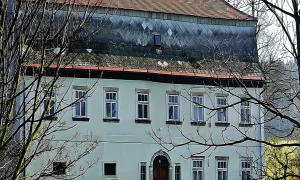
The surroundings of the Church of Saint Lawrence add further interest to the site. East of the church stands a former parsonage from the 19th century, now serving as private property. Nearby is a statue of the Virgin Mary created by J. Zeman in 1820 and a stone cross dating back to 1776 located on the village square. The cemetery itself features another stone cross made by J. Zeman in 1860, contributing to the historical ambiance of the area.
Today, the Church of Saint Lawrence remains an accessible site for visitors interested in exploring its architectural beauty and historical significance. Its well-preserved Baroque elements and surrounding monuments make it a worthwhile destination for those keen on understanding the cultural heritage of Tatobity. The church's restoration ensures that it continues to be a cherished landmark within the community, inviting visitors to appreciate its enduring legacy.
Then and now
Drag the slider to compare how the landmark may have looked when it was built with the view today.
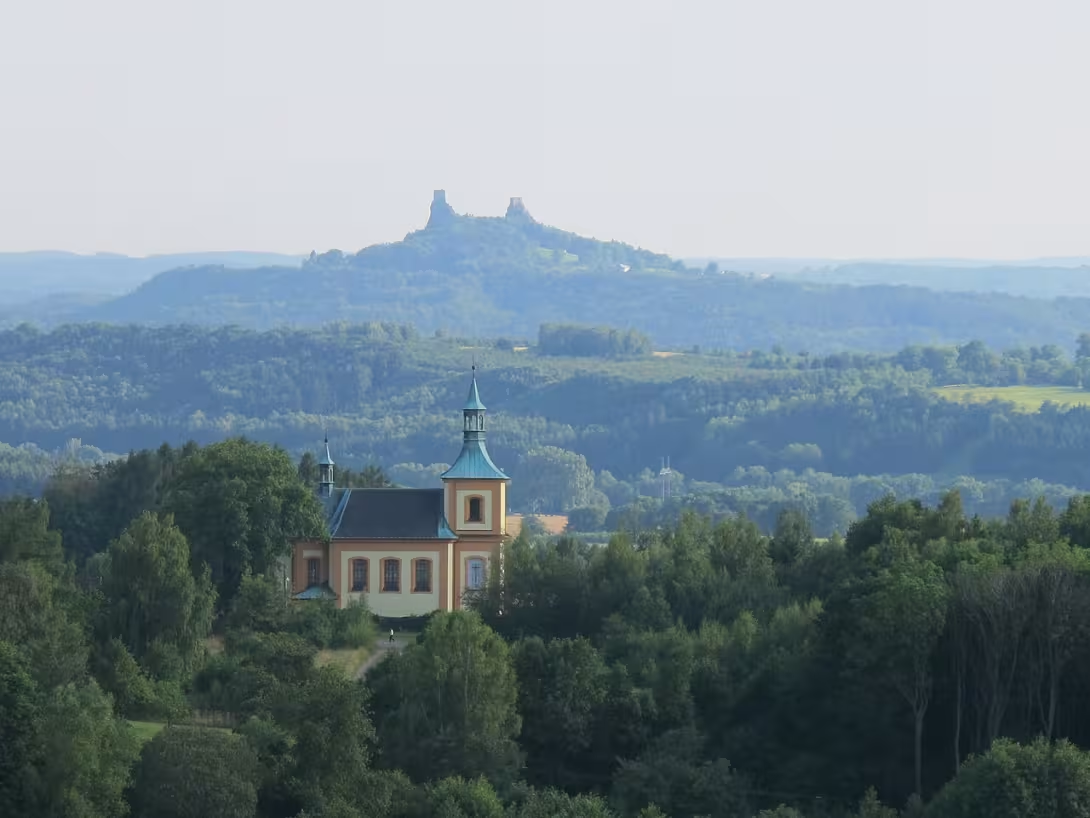

The historical appearance on the left is an AI-generated visualisation and serves as inspiration only.
Historical milestones
- 1714
- Začátek stavby kostela svatého Vavřince.
- 1750
- Dokončení stavby kostela svatého Vavřince.
- kolem 1650
- Konec Třicetileté války, ovlivňující architekturu v Evropě.
- 1820
- Vytvoření sochy Panny Marie J. Zemanem.
- 1776
- Nastavení kamenného kříže na náměstí vesnice.
- 1860
- Vytvoření dalšího kamenného kříže J. Zemanem v hřbitově.
Architectural development
Originally built between 1714 and 1750, this baroque church replaced a potentially wooden predecessor. It features a single-nave structure with a three-sided presbytery and sacristy on the north side. The exterior is simple without significant detailing, while the interior boasts a barrel vaulted presbytery with lunettes and a flat ceiling in the nave.
Historical events
The church underwent restoration funded by the B. J. Horáček Foundation in 2001.
Points of interest
- The Church of Saint Lawrence was built to replace a potentially wooden predecessor, reflecting the shift from medieval timber structures to more durable Baroque architecture during its construction period between 1714 and 1750.
- Despite its simple exterior, the church's interior features a barrel-vaulted presbytery with lunettes, showcasing the intricate design elements typical of the Baroque style that were popular in Bohemia under Habsburg rule.
- The statue of the Virgin Mary, crafted by J. Zeman in 1820, adds to the site’s historical narrative, connecting it to broader artistic movements and local craftsmanship traditions during the early 19th century.
- A stone cross from 1776 stands on the village square, serving as a silent witness to the community's history and religious practices over centuries, while another similar cross created by J. Zeman in 1860 is located within the cemetery.
- The restoration of the church in 2001, funded by the B. J. Horáček Foundation, underscores the ongoing efforts to preserve cultural heritage sites in Tatobity, ensuring that future generations can continue to explore and appreciate its historical significance.
Guide
This guide is narrated by a synthetic voice generated by artificial intelligence.
Show guide text
This text was created by artificial intelligence and has not been editorially reviewed. It may contain inaccuracies.
Welcome to the serene village of Tatobity in the Liberecký region, where you stand before a testament to time and faith—the Church of Saint Lawrence. As you adjust your headphones, let this audio guide escort you through the history and beauty of this baroque masterpiece.
Imagine yourself on a quiet road leading into the village cemetery, where the church's simple yet dignified presence greets you. Its single-nave structure rises gracefully from the surrounding landscape, its three-sided presbytery and northern sacristy whispering stories of centuries past. Though the exterior may appear modest without intricate detailing, it holds within a rich tapestry of history and devotion.
The Church of Saint Lawrence was constructed between 1714 and 1750, replacing an earlier structure that might have been wooden—a reflection of the era's architectural evolution from medieval timber to more enduring baroque forms. This period marked a significant shift in European architecture, influenced by the end of the Thirty Years' War around 1650, which brought both devastation and renewal.
As you stand here, consider the unknown architects whose vision gave life to this sacred space. Their work was part of a broader movement that sought to express faith through grandeur and resilience, even as specific names have faded into history.
Look closely at the church's design—a simple yet profound statement in baroque architecture. The barrel vaulted interior invites you to explore its quiet majesty, where light filters softly through windows, casting gentle patterns on stone floors. This simplicity is a deliberate choice, emphasizing the sacred over the ornate, inviting reflection and contemplation.
The church holds stories of local devotion and craftsmanship. In 1820, J. Zeman created a sculpture of Our Lady, adding to the spiritual ambiance that envelops this place. And in 1776, a stone cross was erected on the village square, symbolizing faith's enduring presence in the community. Later, in 1860, another stone cross by J. Zeman found its home here in the cemetery, further enriching the site's historical narrative.
A fascinating aspect of this church is its journey from a potentially wooden predecessor to the baroque structure you see today. This transformation mirrors broader architectural trends and local resilience, showcasing how communities adapt and preserve their heritage through changing times.
As your visit draws to a close, take a moment to absorb the atmosphere around you. Feel the weight of history in the air and the silent stories etched into every stone. The Church of Saint Lawrence is more than just a building; it's a chapter in the ongoing story of Tatobity and its people.
Thank you for joining me on this journey through time and faith. I invite you to continue exploring the village, where each corner holds another piece of history waiting to be discovered. Until next time, farewell from Tatobity.
Frequently asked questions
Can the monument be visited?
Religious buildings are usually open mainly during services; at other times a visit is normally arranged with the parish or the operator. We have not verified specific times.
Where is the monument?
Location: Tatobity, Liberecký kraj. The map on this page shows the exact spot.
Businesses nearby
Do you run a restaurant, accommodation, shop, museum, rental, wellness or other visitor service near this monument? Show yourself directly to the people heading to it — this is how they will see you in the app and on the web:
Nearby
East of the church stands a former parsonage from the 19th century, now a private property. Nearby is a statue of the Virgin Mary created by J. Zeman in 1820 and a stone cross from 1776 located on the village square. The cemetery features another stone cross made by J. Zeman in 1860.
Accommodation nearby
Trips and activities nearby
Guided tours, tickets and activities nearby from GetYourGuide
Affiliate link: if you buy from the partner, we may receive a commission. The price for you does not change.
Search tours and activities →Themed route
Tatobity Thematic Tour
1. Kostel svatého Vavřince (Church of Saint Lawrence) - Type: Church - Why Visit: Begin your journey at this historic church, a centerpiece of Tatobity's spiritual and architectural heritage. Its serene atmosphere invites reflection and appreciation for the region's religious history.
2. Statue of the Virgin Mary - Type: Statue - Why Visit: A short walk from the church, this statue crafted by J. Zeman in 1820 captures the artistic spirit of the early 19th century. It offers a glimpse into local devotion and craftsmanship.
3. Stone Cross on Village Square - Type: Monument - Why Visit: Located near the church, this stone cross from 1776 stands as a testament to Tatobity's historical landscape. Its presence in the village square connects past traditions with present-day community life.
4. Cemetery Stone Cross by J. Zeman - Type: Monument - Why Visit: Conclude your tour at the cemetery, where another stone cross created by J. Zeman in 1860 offers a poignant reminder of local history and artistry. The peaceful setting provides a reflective end to your exploration.
This thematic route allows you to immerse yourself in Tatobity's rich cultural tapestry through its historic landmarks and artistic expressions.
Seasonal recommendations
Spring: The spring season at Church of Saint Lawrence in Tatobity is marked by a rejuvenating atmosphere as nature awakens around the historic site. The surrounding landscapes burst into life with colorful wildflowers and fresh greenery, creating an idyllic backdrop for visitors. During this time, the church benefits from softer natural light, which enhances its architectural details without harsh shadows. While the weather can be unpredictable, it's advisable to wear layers that can accommodate both cool mornings and warmer afternoons. Spring is a pleasant time to visit when crowds are minimal, offering a peaceful experience.
Summer: Summer in Tatobity brings vibrant energy and longer daylight hours, ideal for exploring Church of Saint Lawrence at leisure. The lush greenery around the church provides a picturesque setting, while warm temperatures encourage outdoor activities before or after visiting the site. This is one of the peak tourist seasons, so it's recommended to arrive early to avoid larger crowds. Comfortable walking shoes and light clothing are advisable due to the heat, along with sun protection such as hats and sunglasses.
Autumn: The autumn season transforms Church of Saint Lawrence in Tatobity into a serene haven with its rich tapestry of fall colors. As leaves change from green to shades of red, orange, and gold, they create a stunning visual contrast against the church's historic architecture. This is an excellent time for photography enthusiasts seeking dramatic natural lighting as the days grow shorter. The cooler temperatures make it comfortable for walking tours, so layering clothing is recommended. Although less crowded than summer, some visitors come to enjoy the seasonal beauty, making early visits still advisable.
Winter: Winter envelops Church of Saint Lawrence in Tatobity with a quiet, almost mystical atmosphere as snow blankets the landscape. The church's architecture takes on a new character under a soft white cover, offering unique photographic opportunities in the crisp winter light. However, visiting during this season requires preparation for cold weather; warm clothing, including coats, hats, and gloves, is essential. Despite fewer visitors, the tranquil setting provides a peaceful experience for those who venture out in the colder months.
Visualizations and artistic views


The visualisations are generated by artificial intelligence and serve as inspiration.
Photos from the area
Real photos taken near the monument

Zdroj a licence jsou uvedeny u každého snímku.
Atmosphere of the place
This atmospheric visualisation of the place and period was generated by artificial intelligence. It is not real footage of the location.
Tips from visitors
No tips yet. Be the first!
Log in and add your tip.
Sources and literature
Photos: Hadonos / CC BY-SA 4.0 — Wikimedia Commons. The author and licence also appear when you hover over the image.
Faktickým podkladem tohoto textu byl článek na Wikipedii, jehož autory jsou přispěvatelé Wikipedie. Článek je dostupný pod licencí CC BY-SA 4.0.
Location on the map
Příběhy a pověsti
Legendy, pověsti a příběhy spjaté s touto památkou
Příběh: Kostel svatého Vavřince (Tatobity)
Bylo to v pondělí ráno, kdy Kryštof zjistil, že žádné jeho volání neprojdou hlubokým tichem kostela svatého Vavřince. Jeho nohy se sotva pohnuly pod ním, jak…
Číst příběh
Pověst: Kostel svatého Vavřince (Tatobity)
Staří obyvatelé Tatobyt vyprávějí, že dlouho před tím, než se na kopci nad obcí tyčila mohutná barokní věž, stál na témže místě kostelík dřevěný. Byl prý tak…
Číst příběhFotografie návštěvníků
Zatím žádné fotografie. Buďte první, kdo přidá fotografii z návštěvy!
Log in a přidejte svou fotografii nebo hodnoťte.
Za ověřenou návštěvu v aplikaci získáte víc bodů — poznáme podle GPS, že jste na místě.
Reviews and comments