






Kostel svatého Vavřince (Vrchlabí) Church
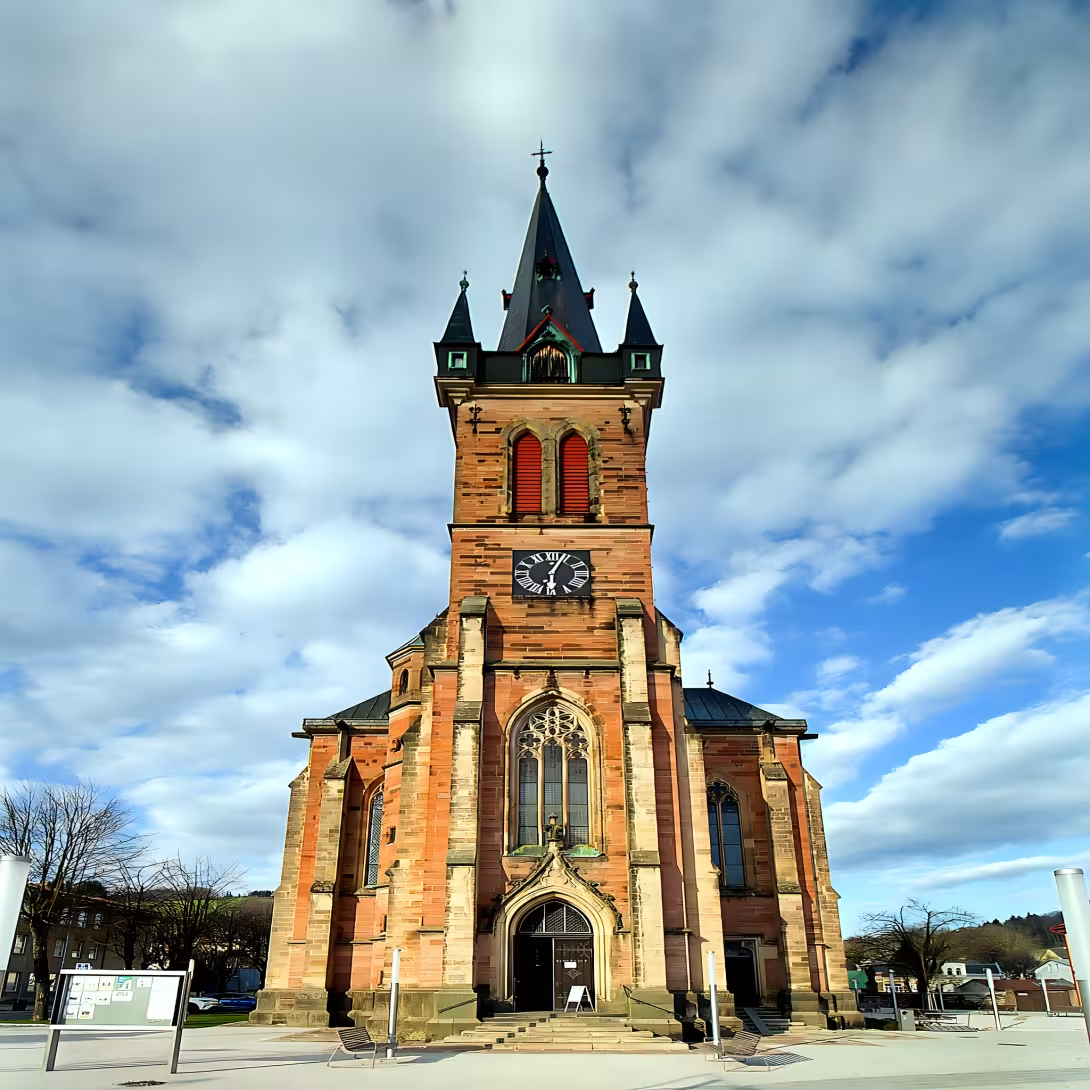
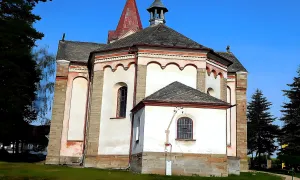
The Church of Saint Lawrence in Vrchlabí is a Roman Catholic deanery church located at Náměstí Míru. Built between 1886 and 1889 by architect Stephan Tragl, it stands as a prominent Neo-Gothic structure on the site of an earlier Gothic church from the 14th century. This cultural monument is notable for its architectural style, which draws inspiration from Gothic cathedrals adapted to fit the confined space of the square.
The current Neo-Gothic church replaced a deteriorating Gothic structure that had been in place since the mid-14th century. The original church was consecrated to Saint Lawrence and underwent several transformations over the centuries, including Renaissance renovations and Baroque additions. By the late 19th century, local citizens found it inadequate for their growing community both in terms of size and style. Consequently, a decision was made to demolish the old structure in 1886.
During its construction, efforts were made to preserve parts of the original building, particularly the tower. A design competition was held, with proposals from three architects including Stephan Tragl, whose Neo-Gothic vision ultimately prevailed. His design incorporated the existing tower into a new layout featuring distinct Gothic elements such as pointed arches and ribbed vaults.
The cornerstone for the new church was laid on August 15th, 1886, during the Feast of the Assumption of Mary, with patroness Aloisie Czernin-Morzinová in attendance. The construction progressed steadily, with the main nave and façade completed by June 1889. On June 29th, 1889, coinciding with the feast day of Saints Peter and Paul, the church was consecrated by Královéhradecký biskup Dr. Josef Jan Hais.
Throughout its history, the Church of Saint Lawrence has faced challenges, particularly during the first half of the 20th century when shifts in population affected maintenance efforts. The socialist era saw further neglect, and minor thefts occurred in the late 20th century. However, restoration efforts began in the late 1990s, addressing issues such as a damaged wooden ceiling and replacing an unsightly lighting system with more aesthetically pleasing options.
Today, the Church of Saint Lawrence stands as a testament to Vrchlabí's rich architectural heritage. Its Neo-Gothic style continues to dominate the town square, offering visitors a glimpse into the historical and cultural evolution of the region. The church remains accessible to the public, inviting those interested in history and architecture to explore its storied past and appreciate its enduring beauty.
Then and now
Drag the slider to compare how the landmark may have looked when it was built with the view today.
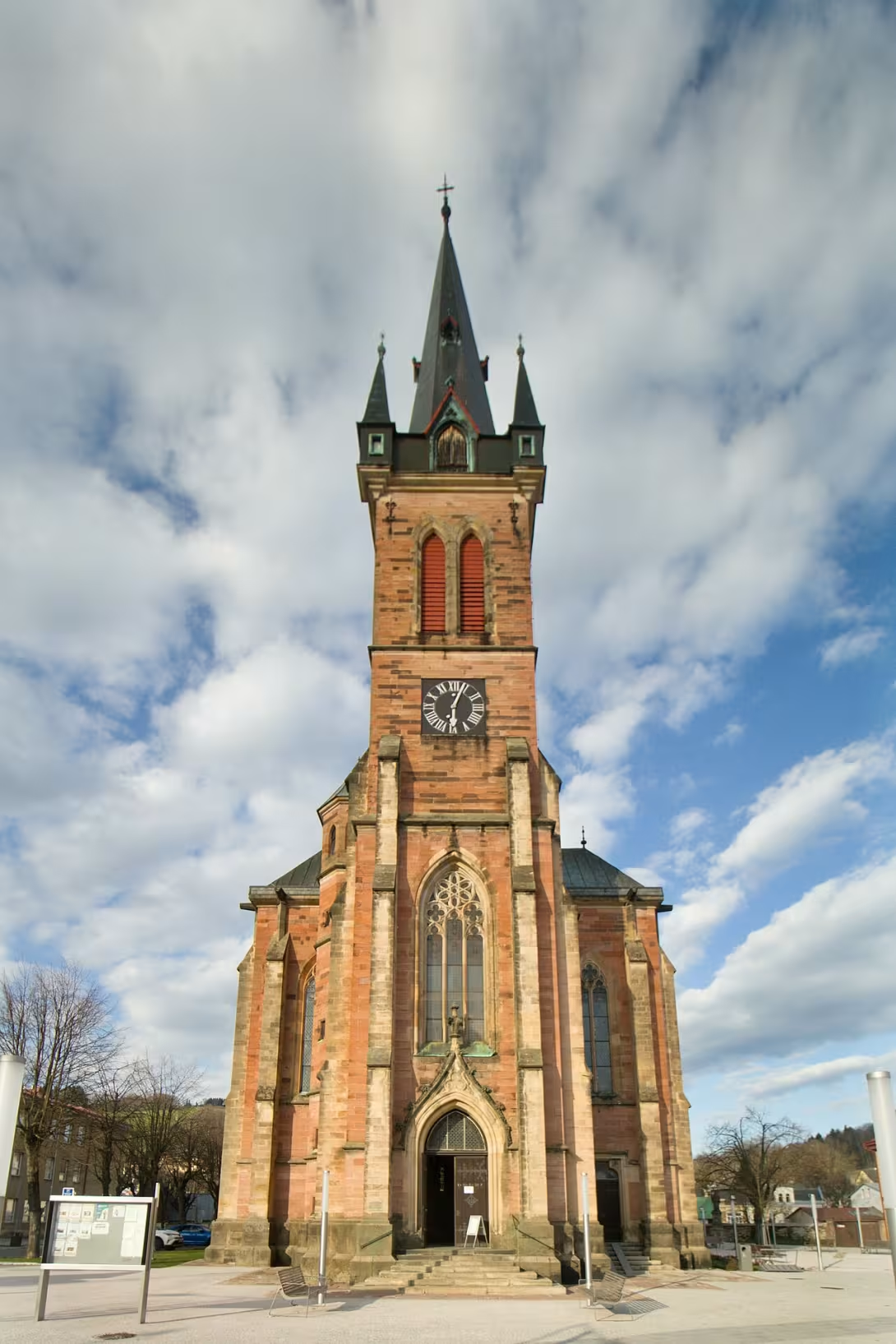
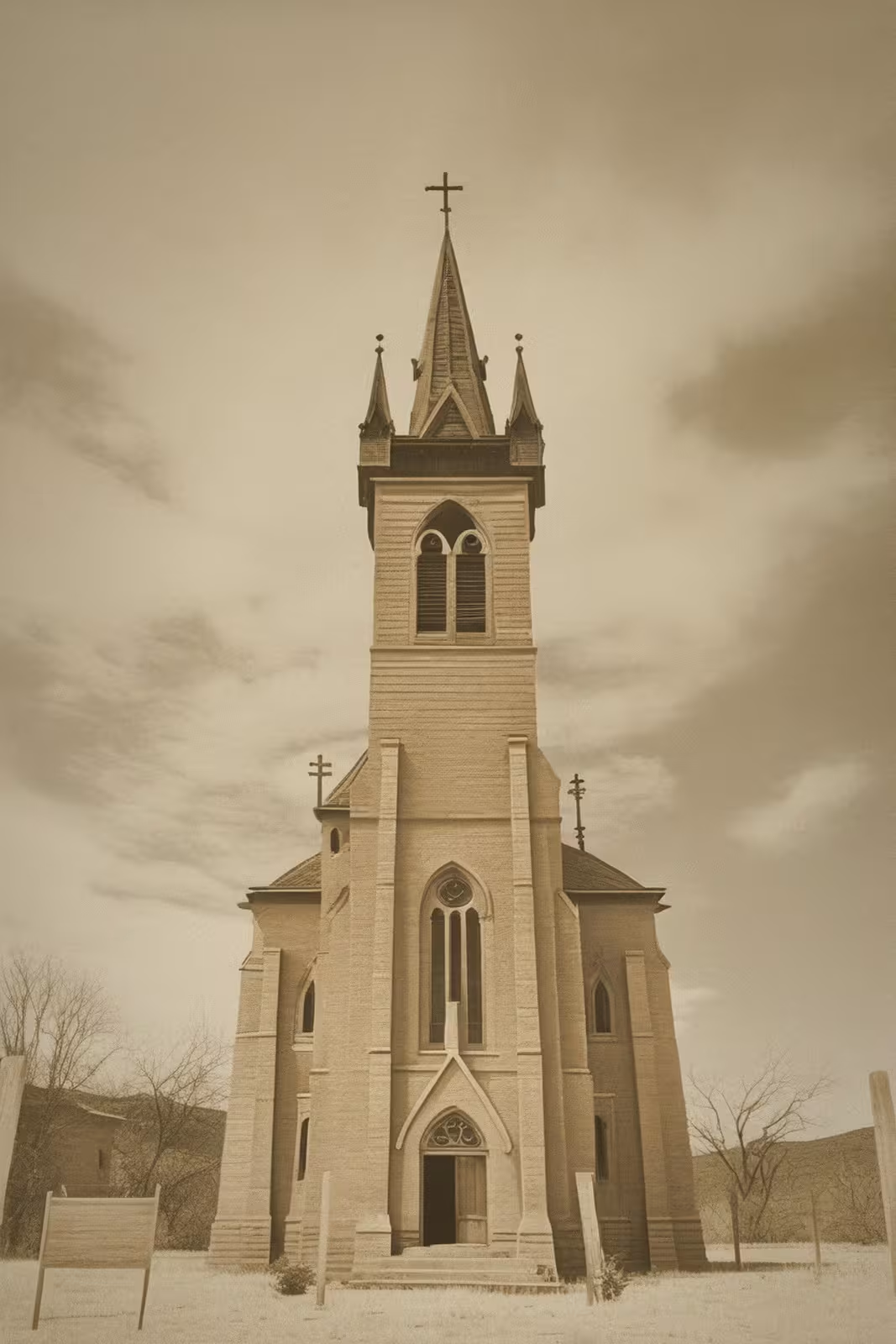
The historical appearance on the left is an AI-generated visualisation and serves as inspiration only.
Historical milestones
- 1886
- The cornerstone was laid on August 15th during the Feast of the Assumption of Mary.
- 1889
- The church was consecrated on June 29th, coinciding with the feast day of Saints Peter and Paul.
Architectural development
The current Neo-Gothic church replaced a deteriorating Gothic structure from the 14th century. During its construction, efforts were made to preserve parts of the original building, particularly the tower. The design competition for the new church included proposals that incorporated the existing tower into a new layout with distinct Gothic elements.
Historical events
1886: The cornerstone for the new church was laid on August 15th, during the Feast of the Assumption of Mary, with patroness Aloisie Czernin-Morzinová in attendance.
1889: The Neo-Gothic Church of Saint Lawrence was consecrated on June 29th, coinciding with the feast day of Saints Peter and Paul.
Points of interest
- The Church of Saint Lawrence was built on the site of an earlier Gothic church from the 14th century, reflecting a long history of religious architecture evolving in Vrchlabí.
- During its construction, a design competition was held that included proposals from three architects, with Stephan Tragl's Neo-Gothic vision ultimately chosen for its ability to incorporate the existing tower into a new layout.
- The cornerstone for the church was laid on August 15th, 1886, coinciding with the Feast of the Assumption of Mary, an event attended by patroness Aloisie Czernin-Morzinová, highlighting the cultural significance and community involvement in its construction.
- Despite facing neglect during the socialist era and minor thefts in the late 20th century, restoration efforts began in the late 1990s to address issues such as a damaged wooden ceiling and an outdated lighting system, demonstrating ongoing commitment to preserving this historical monument.
- The church was consecrated on June 29th, 1889, by Královéhradecký biskup Dr. Josef Jan Hais, aligning with the feast day of Saints Peter and Paul, which underscores its religious importance within the community.
Guide
This guide is narrated by a synthetic voice generated by artificial intelligence.
Show guide text
This text was created by artificial intelligence and has not been editorially reviewed. It may contain inaccuracies.
Welcome to the historic Church of Saint Lawrence in Vrchlabí. As you stand here at Náměstí Míru, take a moment to soak in the serene atmosphere surrounding this magnificent structure. The Neo-Gothic style of the church stands as a testament to its architectural grandeur and historical significance.
This church was constructed between 1886 and 1889, designed by the renowned architect Stephan Tragl. Its creation marked an evolution from an earlier Gothic church that once stood here in the 14th century. The cornerstone for this new edifice was laid on August 15, 1886, during the Feast of the Assumption of Mary, infusing the building with a sense of spiritual continuity and reverence.
As you look around, notice how the Neo-Gothic style is expressed through its intricate detailing and elegant design. While specific architectural elements aren't detailed here, take in the overall harmony and balance that define this sacred space. The church's placement on such an historic site adds layers to your experience as it connects past and present.
Several key figures played pivotal roles in bringing this project to life. Aloisie Czernin-Morzinová and Josef Jan Hais were instrumental during its construction, contributing to the rich tapestry of stories that surround this place. Their involvement underscores the community's dedication to preserving their cultural heritage through architecture.
An intriguing aspect of the church’s history is the design competition held during its planning phase. Among three proposed designs by different architects, Stephan Tragl's vision was ultimately selected, highlighting his exceptional talent and the trust placed in his architectural prowess.
As you continue your exploration, consider how this site has evolved over centuries, from its Gothic origins to its current Neo-Gothic form. Each stone tells a story of faith, artistry, and community spirit that has endured through time.
We invite you to delve deeper into the history surrounding this cultural monument, perhaps by visiting nearby landmarks or reading more about Vrchlabí's rich past. Thank you for joining us on this journey, and we hope your visit inspires further discovery and appreciation of this remarkable place.
Tips for visitors
The best time to visit the Church of Saint Lawrence in Vrchlabí is during late spring or early autumn when the weather is pleasant, allowing you to comfortably explore both the church's interior and its surrounding areas. These seasons offer a balance between avoiding the summer crowds and experiencing the landscape without the chill of winter. The Neo-Gothic architecture can be particularly striking under the soft light of these months.
It's advisable to check current routes and schedules in advance through a local travel planner or app to ensure smooth access to the church.
When planning your visit, consider bringing comfortable walking shoes as you may wish to explore the area around the church further. A camera is recommended for capturing the intricate details of the Neo-Gothic architecture. Additionally, carrying a light jacket can be wise due to variable weather conditions in Vrchlabí throughout the year.
Photography enthusiasts will find several spots around and inside the Church of Saint Lawrence ideal for capturing its architectural beauty. The best natural lighting is often found during the early morning or late afternoon hours when the sunlight softly illuminates the church's façade and interior details. Inside, the stained glass windows provide a unique opportunity to photograph the interplay of light and color.
For those interested in exploring nearby attractions within a 30-minute drive from Vrchlabí, consider visiting local historical sites or nature trails that offer scenic views of the Krkonoše Mountains. These areas are perfect for a leisurely walk or hike, providing a peaceful complement to your visit to the church.
Frequently asked questions
Can the monument be visited?
Religious buildings are usually open mainly during services; at other times a visit is normally arranged with the parish or the operator. We have not verified specific times.
Where is the monument?
Location: Nám. Míru, Vrchlabí, Královéhradecký kraj. The map on this page shows the exact spot.
Why is the monument protected?
It is listed in the Central List of Cultural Monuments of the Czech Republic as a cultural monument (register no. 29844/6-4586).
Businesses nearby
Do you run a restaurant, accommodation, shop, museum, rental, wellness or other visitor service near this monument? Show yourself directly to the people heading to it — this is how they will see you in the app and on the web:
Accommodation nearby
Themed route
Tematická výletní trasa: Kostel svatého Vavřince (Vrchlabí)
1. Kostel svatého Vavřince (Vrchlabí) - Kostel Začněte svou cestu u kostela svatého Vavřince, který je nejenom kulturním monumentem města Vrchlabí, ale také jedním z nejvýraznějších gotických sakrálních staveb v regionu. Jeho historie sahá do 14. století a je známý svou impresivní architekturou a bohatou historií.
2. Kostel Nanebevzetí Panny Marie (Vrchlabí) - Kostel Pokračujte v návštěvě kostela Nanebevzetí Panny Marie, který je dalším důležitým sakrálním stavebním příspěvkem do místního kulturního dědictví. Tento barokní kostel nabízí poutavé interiéry a je součástí bohaté historie náboženských tradic v Vrchlabí.
3. Kostel svaté Anny (Vrchlabí) - Kostel Následujícím cílem bude kostel svaté Anny, který je známý svou barokní architekturou a historickým významem. Je to místo, kde můžete prozkoumat bohatství náboženských tradic a uměleckého vyjádření z doby svého postavení.
4. Památník na hřbitově (Vrchlabí) - Památník Navštivte místní hřbitov, kde se nachází památník věnovaný válečným obětem. Je to místo pro klidné zamyšlení a uctění historie regionu, které připomíná důležité události a osoby, jež ovlivnily místní komunitu.
5. Náměstí v Vrchlabí - Náměstí Zavřete svou cestu návštěvou centrálního náměstí města, kde se nachází různé historické a architektonické památky. Toto místo je ideální pro relaxaci a získání celkového dojmu o atmosféře Vrchlabí.
Tato trasa vám umožní se ponořit do bohaté historie a kultury města Vrchlabí, zaměřením na jeho sakrální památky a klíčové místní lokality.
Seasonal recommendations
Spring: Visiting the Church of Saint Lawrence during spring offers a unique opportunity to experience its serene beauty amidst blooming nature. The soft, natural light filtering through budding trees and vibrant flowers creates an enchanting atmosphere around Vrchlabí. This time is ideal for photography enthusiasts who wish to capture the church against a backdrop of fresh greens and floral hues. Visitors should dress in layers as temperatures can be mild but unpredictable. Arriving early in the morning can help avoid larger crowds, allowing for a peaceful exploration of this historic site.
Summer: Summer at the Church of Saint Lawrence is characterized by its long days and warm afternoons, making it perfect for leisurely visits. The lush greenery surrounding Vrchlabí adds to the picturesque setting, while the bright sunlight enhances the architectural details of the church. This season attracts more visitors due to favorable weather conditions, so arriving early or visiting during weekdays can help avoid crowds. Light clothing and sunscreen are recommended to stay comfortable in the summer heat.
Autumn: Autumn brings a stunning transformation with its rich tapestry of reds, oranges, and yellows surrounding the Church of Saint Lawrence. The changing leaves create a magical backdrop that enhances the historic charm of Vrchlabí. This season is particularly appealing for those who enjoy cooler temperatures and the tranquil beauty of fall foliage. As visitor numbers tend to decrease compared to summer, it's an excellent time for a more relaxed visit. Layered clothing is advisable as the weather can vary significantly.
Winter: Winter offers a unique perspective on the Church of Saint Lawrence with its serene snow-covered landscape. The church appears even more majestic against the stark beauty of Vrchlabí in winter attire. However, it's essential to dress warmly in insulated layers, wear sturdy boots for walking on potentially icy paths, and check ahead for any seasonal closures or changes in visiting hours due to weather conditions.
Visualizations and artistic views


The visualisations are generated by artificial intelligence and serve as inspiration.
Photos from the area
Real photos taken near the monument


Zdroj a licence jsou uvedeny u každého snímku.
Atmosphere of the place
This atmospheric visualisation of the place and period was generated by artificial intelligence. It is not real footage of the location.
Tips from visitors
No tips yet. Be the first!
Log in and add your tip.
Sources and literature
Photos: VitVit / CC BY-SA 4.0, rozlišení zvýšeno umělou inteligencí — Wikimedia Commons. The author and licence also appear when you hover over the image.
Faktickým podkladem tohoto textu byl článek na Wikipedii, jehož autory jsou přispěvatelé Wikipedie. Článek je dostupný pod licencí CC BY-SA 4.0.
Location on the map
Příběhy a pověsti
Legendy, pověsti a příběhy spjaté s touto památkou
Fotografie návštěvníků
Zatím žádné fotografie. Buďte první, kdo přidá fotografii z návštěvy!
Log in a přidejte svou fotografii nebo hodnoťte.
Za ověřenou návštěvu v aplikaci získáte víc bodů — poznáme podle GPS, že jste na místě.
Reviews and comments