






Kostel svatého Víta (Libědice) Church
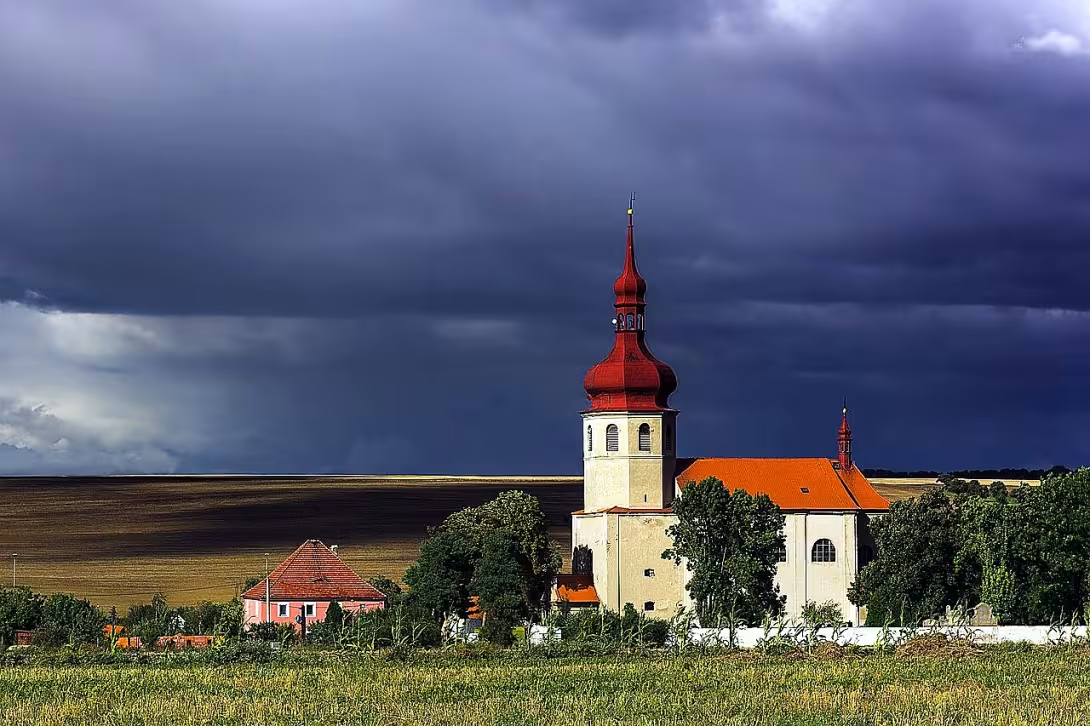
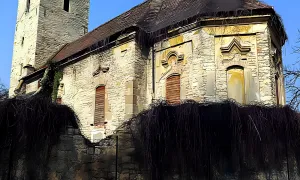
The Church of Saint Vitus in Libědice is a remarkable example of Baroque architecture located at the village's highest point. This Roman Catholic church, dedicated to Saint Vitus, holds historical significance due to its architectural transformation during the late 17th century. Recognized as a cultural monument since 1963, it offers insights into the religious and artistic influences that shaped Bohemia under the Habsburg Monarchy.
The origins of the Church date back before 1358 when it served as a parish church with patronage rights held by figures such as Kuneš and Sulka z Libědic. In 1386, Erhart z Doupova recommended Kuneš z Třebovle as a priest. A significant change occurred in 1668 when Marie Zuzana Smyslovská bequeathed her share of the village to the Carmelites of Malá Strana in Prague, leading to its architectural transformation.
Between 1682 and 1694, under Carmelite guidance, the church underwent a comprehensive reconstruction into Baroque style. This project was executed without interrupting services, as the new structure was built around the existing one before it was dismantled. The architecture features a single nave with a polygonal chancel and an attached sacristy on its north side. A prominent tower with an onion dome marks the western end of the church.
The interior is adorned with artistic elements by regional sculptor Jan Karel Vetter, including a Gothic statue of Madonna in a niche, one of the oldest artifacts within the church. The main altar, crafted between 1750 and 1754 by sochař V. Herschera, exemplifies Rococo style. Other notable altars include a late Gothic piece from 1660 featuring statues of Saint Wenceslas and Saint Adalbert, and a Rococo altar depicting Jesus Child by M. Schramm around 1760.
Today, the Church remains accessible for those interested in its rich history and architectural beauty. Its hilltop location provides spiritual solace and panoramic views of the surrounding Czech countryside. The church's preservation as a cultural monument underscores its enduring significance, inviting visitors to appreciate both its historical context and artistic contributions.
The Church of Saint Vitus stands as a testament to the dynamic interplay between religious devotion and architectural innovation during a pivotal era in Bohemian history. Its transformation into Baroque style under Carmelite influence highlights the cultural shifts of the time. Visitors are encouraged to explore this historical monument, immersing themselves in its storied past and appreciating its lasting legacy within Libědice's landscape.
Then and now
Drag the slider to compare how the landmark may have looked when it was built with the view today.
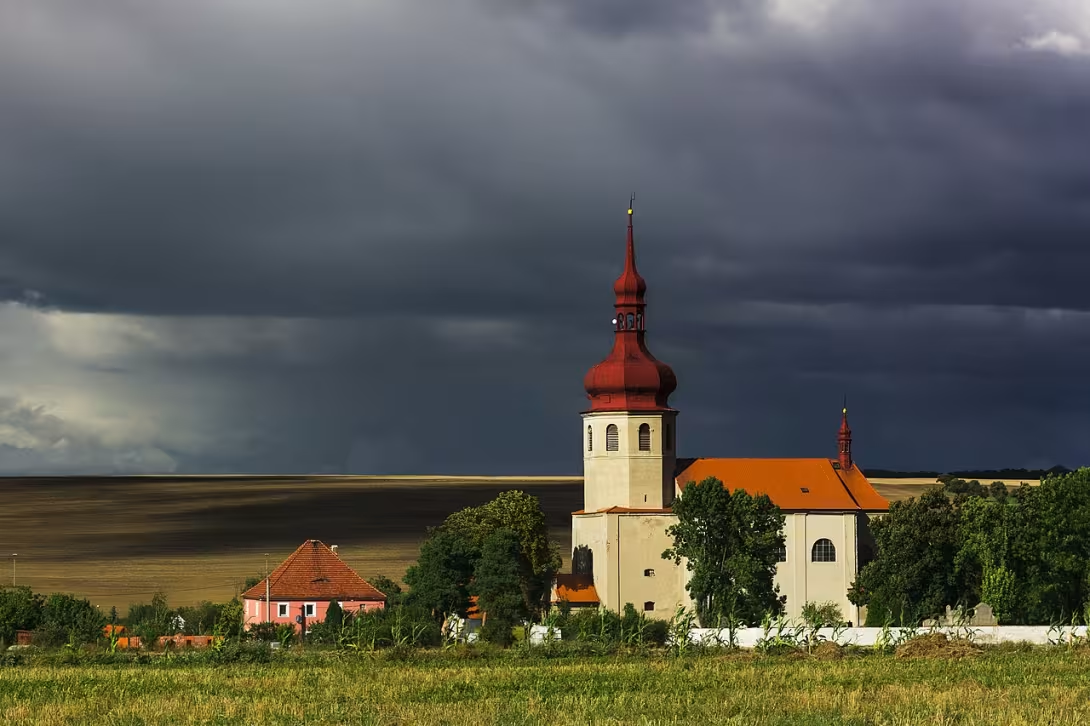
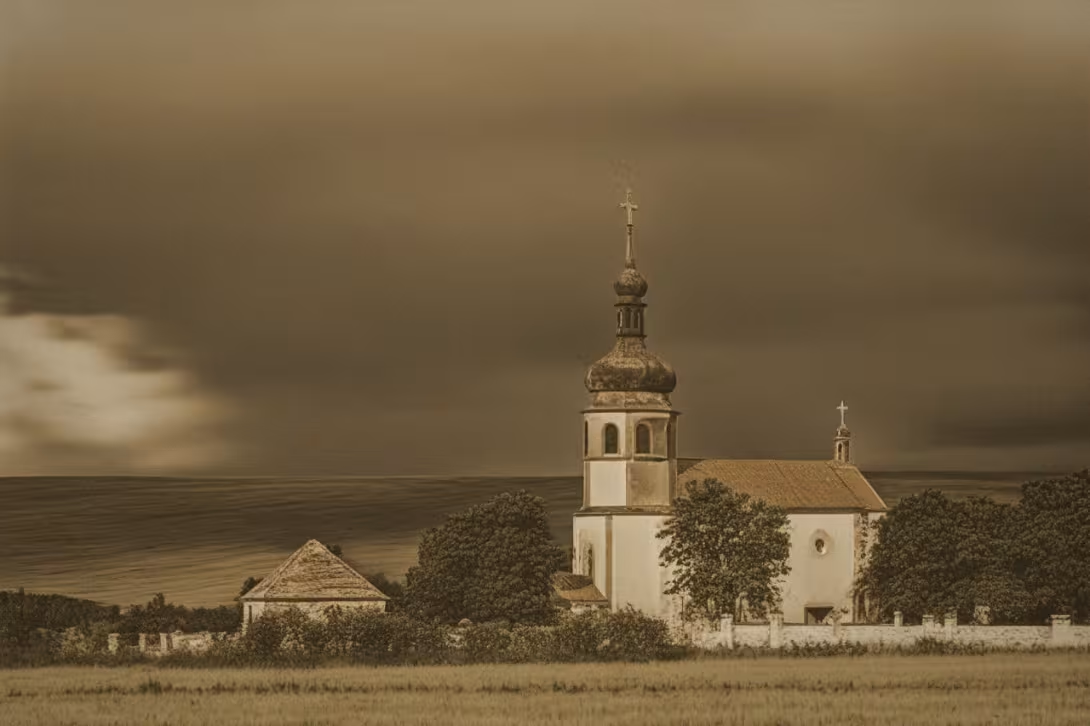
The historical appearance on the left is an AI-generated visualisation and serves as inspiration only.
Historical milestones
- 1358
- The church was already established as a parish church.
- 1386
- Erhart z Doupova recommended Kuneš z Třebovle as a priest.
- 1668
- Marie Zuzana Smyslovská bequeathed her share of the village to the Carmelites.
- 1682
- The Baroque reconstruction of the church began.
- 1694
- The Baroque reconstruction of the church was completed.
Architectural development
The original parish church was replaced by a new structure built around it between 1682 and 1694. The church features Baroque architecture with a single nave, polygonal chancel, sacristy, and an onion-domed tower. It includes various chapels along the sides of the nave.
Historical events
Before 1358, the church was already a parish church with patronage rights held by Kuneš and Sulka z Libědic.
In 1386, Erhart z Doupova recommended Kuneš z Třebovle as a priest.
Between 1682-1694, the Carmelites rebuilt the church in Baroque style.
Owners
Marie Zuzana Smyslovská (1668) - Carmelites of Malá Strana in Prague
Points of interest
- The Church of Saint Vitus underwent a unique architectural transformation where the new Baroque structure was built around the existing church before it was dismantled, allowing services to continue uninterrupted during renovations.
- In 1668, Marie Zuzana Smyslovská's bequest of her share of Libědice to the Carmelites in Prague catalyzed a significant architectural shift, marking a pivotal moment in the village’s religious and cultural landscape.
- The church houses one of the oldest artifacts within its walls: a Gothic statue of Madonna crafted by regional sculptor Jan Karel Vetter, reflecting the blend of artistic styles present over centuries.
- A Rococo-style main altar created between 1750 and 1754 by sochař V. Herschera stands as an example of the intricate artistry that characterizes the church’s interior, highlighting the transition to more elaborate designs in Bohemian religious architecture.
- The presence of a late Gothic altar from 1660 featuring statues of Saint Wenceslas and Saint Adalbert illustrates the enduring influence of earlier artistic traditions even during periods of architectural transformation.
Guide
This guide is narrated by a synthetic voice generated by artificial intelligence.
Show guide text
This text was created by artificial intelligence and has not been editorially reviewed. It may contain inaccuracies.
Welcome to the historic site of Kostel svatého Víta in Libědice. As you stand here, take a moment to absorb your surroundings. You're at the highest point of this charming village, where the church stands majestically on the edge of a valley. Its prominent position offers a commanding view over the landscape below.
The Church of Saint Vitus has been part of this community since 1358 when it was established as a parish church. Over the centuries, it has witnessed the ebb and flow of history and served generations of worshippers. In 1386, Erhart z Doupova played a pivotal role by recommending Kuneš z Třebovle as a priest here, marking one of many connections between influential historical figures and this sacred site.
Fast forward to the late 17th century, when significant architectural changes were underway. The church underwent an extraordinary transformation into Baroque style between 1682 and 1694, thanks to the Carmelites who took over after Marie Zuzana Smyslovská bequeathed her share of the village in 1668. Imagine the scene as services continued uninterrupted while a new structure was built around the old church before it was dismantled—a testament to both ingenuity and devotion.
As you look at the church now, notice its single nave with a polygonal chancel, and the sacristy attached to its north side. These elements reflect the Baroque style that defines its current appearance. The seamless blend of history and architecture invites you to appreciate not just the structure but also the stories it has witnessed.
Among those stories are the lives of figures such as Kuneš a Sulka z Libědic, Zdich, Petr z Kněžic, Erhart z Doupova, Kuneš z Třebovle, and Marie Zuzana Smyslovská. Each played their part in shaping this church's legacy.
One intriguing aspect of the Church of Saint Vitus is its unique architectural transformation. The Baroque reconstruction was a marvel of its time, allowing for continuous worship even as the old structure made way for the new. This seamless transition speaks volumes about the dedication and resourcefulness of those who cherished this place.
As you conclude your visit here at Kostel svatého Víta, take a moment to reflect on the layers of history embedded in its walls. We invite you to explore further, perhaps wandering through Libědice or delving into more stories about this remarkable church and its community. Thank you for joining us today; we hope your experience here has been both enlightening and inspiring.
Tips for visitors
The best time to visit the Church of Saint Vitus in Libědice is during late spring or early autumn. During these months, the weather is typically mild and pleasant, allowing you to comfortably explore both the church and its surrounding landscapes. The foliage around this period adds a picturesque quality to the area, enhancing your experience as you walk through the typical Czech countryside features that surround the hilltop location.
Additionally, public transportation can be used to reach Libědice; however, you should check current routes and schedules using a travel planner or local transit website to ensure smooth travel arrangements.
When visiting, consider bringing comfortable walking shoes as there are some inclines leading up to the church on its hilltop location. A camera is also recommended for capturing the stunning views of the village and valley below, especially during golden hour when the light is soft and warm. Don't forget a hat or sunscreen if you're planning to spend time outdoors.
For photography enthusiasts, the best spots are at the church's entrance and along the pathways that offer panoramic views of the surrounding landscape. The lighting conditions are ideal in the early morning or late afternoon when the sun casts long shadows and highlights the textures of the countryside. Families with children will enjoy exploring the nearby areas within a 30-minute walk, such as local parks or trails where kids can play safely while adults appreciate nature.
Nearby attractions worth visiting include historical sites and natural landscapes that are accessible within a 30-minute drive from Libědice. These places offer additional insights into the region's history and culture, making them perfect for extending your visit and enriching your experience with local heritage.
Frequently asked questions
Can the monument be visited?
Religious buildings are usually open mainly during services; at other times a visit is normally arranged with the parish or the operator. We have not verified specific times.
Where is the monument?
Location: Libědice, Ústecký kraj. The map on this page shows the exact spot.
Why is the monument protected?
It is listed in the Central List of Cultural Monuments of the Czech Republic as a cultural monument (register no. 37351/5-591).
Businesses nearby
Do you run a restaurant, accommodation, shop, museum, rental, wellness or other visitor service near this monument? Show yourself directly to the people heading to it — this is how they will see you in the app and on the web:
Events nearby
Zdroj akcí: otevřená data měst a obcí ČR (Národní katalog otevřených dat) a kalendář akcí Národního památkového ústavu.
Nearby
The Church of Saint Vitus stands on a hilltop overlooking the village and valley. The surrounding landscape includes typical Czech countryside features.
Accommodation nearby
Themed route
Tematická výletní trasa: Kostel svatého Víta a okolní krajina
1. Kostel svatého Víta (Libědice)
Typ: Historická památka
Proč stojí za návštěvu: Tento kostel, postavený na vrcholu kopce, nabízí jedinečnou perspektivu na vesnici a údolí. Jeho architektura je příkladem bohaté historie regionu a poskytuje vynikající příležitost pro fotografii a poznání místní kultury.
2. Okolní lesy
Typ: Přírodní prostor
Proč stojí za návštěvu: Lesy kolem kostela nabízejí klidné procházky a příležitost k pozorování místní flóry a fauny. Jsou ideálním místem pro relaxaci a užívání si ticha, které obklopuje typický český krajinný ráz.
3. Vesnická cesta kolem Libědic
Typ: Procházka
Proč stojí za návštěvu: Krátká procházka po vesnických ulicích nabídne pohled na tradiční české domy a příležitost k setkání s místními obyvateli. Tato cesta je ideální pro ty, kteří chtějí získat hlubší vhled do každodenního života v malé vesnici.
4. Výhledová místa na kopci
Typ: Pohlednice
Proč stojí za návštěvu: Kopce kolem kostela nabízejí několik výhledových míst, kde lze užít panoramatického pohledu na okolní krajinu. Tyto místa jsou ideální pro fotografii a poskytují možnost si odpočinout s přehlédnutím rozlehlého údolí.
Tato trasa nabízí kombinaci historických, kulturních a přírodních zážitků v okolí kostela svatého Víta v Libědicích.
Seasonal recommendations
Spring: Visiting the Church of Saint Vitus in Libědice during spring offers a refreshing experience as nature begins to awaken. The surrounding landscape is adorned with blooming flowers and lush greenery, creating an enchanting backdrop for exploring this historical site. Mornings often reveal dew-kissed flora that glistens under the gentle sunlight, enhancing the church's serene atmosphere. To make the most of your visit, consider wearing comfortable walking shoes suitable for potentially damp paths, and bring a light jacket as temperatures can be mild but unpredictable. Early mornings tend to be quieter, offering a peaceful opportunity to appreciate both the architecture and nature without large crowds.
Summer: Summer in Libědice is ideal for experiencing the Church of Saint Vitus when the days are long and filled with warm sunlight. The vibrant greenery surrounding the church provides a picturesque setting, perfect for leisurely exploration or picnicking nearby. This season attracts more visitors, so it's advisable to arrive early to avoid crowds, especially during peak tourist hours. Light, breathable clothing is recommended due to the warmer temperatures, along with sun protection such as hats and sunscreen. The extended daylight offers ample time to enjoy both the church’s interiors and its surroundings.
Autumn: Autumn brings a unique charm to Libědice, with the Church of Saint Vitus set against a backdrop of fiery reds, oranges, and yellows from the surrounding foliage. This season is particularly magical as the changing leaves create a warm, inviting atmosphere that enhances the historical ambiance of the church. Cooler temperatures mean it's wise to dress in layers, allowing for adjustments throughout your visit. While autumn days can be crisp, they also provide excellent conditions for photography enthusiasts looking to capture the stunning seasonal colors.
Winter: Visiting the Church of Saint Vitus during winter offers a distinct and serene experience as the landscape transforms into a tranquil, snow-covered wonderland. The church's architecture is beautifully illuminated against the stark white backdrop, creating a picturesque scene that feels almost ethereal. Winter visits tend to be quieter, providing an opportunity for more intimate exploration without large crowds. It’s important to dress warmly in layers, including thermal wear and a sturdy pair of boots, as temperatures can be quite cold.
Visualizations and artistic views


The visualisations are generated by artificial intelligence and serve as inspiration.
Photos from the area
Real photos taken near the monument


Zdroj a licence jsou uvedeny u každého snímku.
Tips from visitors
No tips yet. Be the first!
Log in and add your tip.
Sources and literature
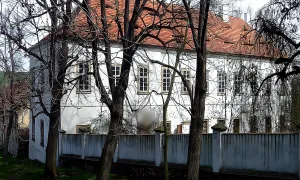
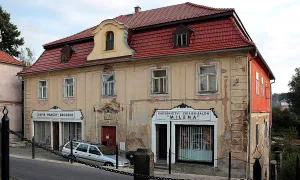
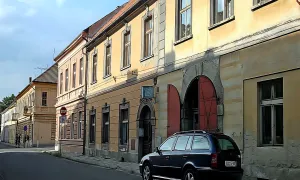
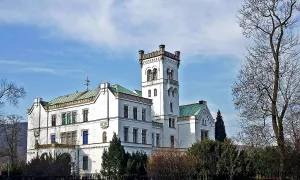
Photos: Pavel Kinšt / CC BY-SA 3.0 — Wikimedia Commons. The author and licence also appear when you hover over the image.
Faktickým podkladem tohoto textu byl článek na Wikipedii, jehož autory jsou přispěvatelé Wikipedie. Článek je dostupný pod licencí CC BY-SA 4.0.
Location on the map
Příběhy a pověsti
Legendy, pověsti a příběhy spjaté s touto památkou
Fotografie návštěvníků
Zatím žádné fotografie. Buďte první, kdo přidá fotografii z návštěvy!
Log in a přidejte svou fotografii nebo hodnoťte.
Za ověřenou návštěvu v aplikaci získáte víc bodů — poznáme podle GPS, že jste na místě.
Reviews and comments