



Kostel svatého Víta v Kojeticích Church
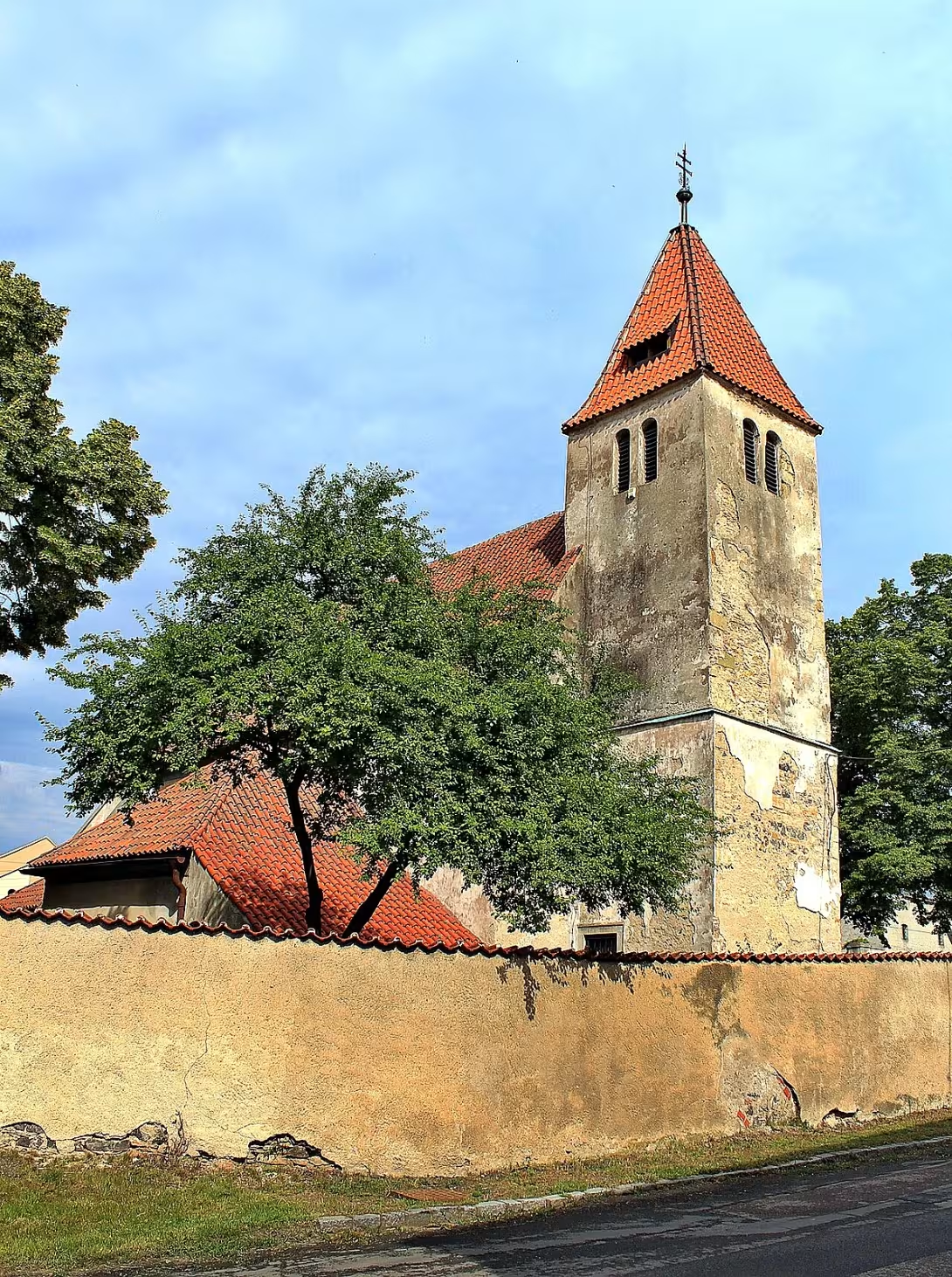
The Church of Saint Vitus in Kojetice stands as a testament to centuries of architectural evolution and religious significance. Located on Moravcově Street in the central Czech town of Kojetice, this Roman Catholic church dates back to the mid-13th century. Its historical importance is underscored by its varied architectural styles, reflecting changes from Romanesque beginnings through Gothic enhancements to Baroque renovations. The church's enduring legacy and rich history make it a notable monument for visitors interested in exploring Bohemia's religious and cultural heritage.
The Church of Saint Vitus was completed in 1260 under the supervision of Dean Vít of the St. Vitus Chapter, marking its origin during a period when Bohemia was part of the Holy Roman Empire under King Wenceslaus I. This era witnessed significant architectural developments across Europe, influenced by emerging Gothic style innovations. The church's initial construction featured a stone tower and nave, indicative of the Romanesque style prevalent at that time.
Architecturally, the Church of Saint Vitus began as a Romanesque structure with its stone tower completed in 1260. By the 14th century, it had been enhanced with Gothic elements, including the addition of a presbytery. The Baroque period brought further transformations after 1666, introducing a new sacristy and main altar adorned with paintings by Antonín Stevens. These changes reflect the church's adaptation to evolving artistic trends over the centuries.
Throughout its history, the Church of Saint Vitus has been under the spiritual administration of the Neratovice parish, part of the Podřipský vicariate within the Prague Archdiocese. This ecclesiastical oversight underscores its significance within the local religious community. The church's fortunes have seen dramatic changes, particularly during restoration efforts in the late 20th century when medieval wall paintings were discovered and partially restored.
Key events in the church's history include its completion in 1260 under Dean Vít, the addition of a Gothic presbytery in the 14th century, and Baroque renovations post-1666. These renovations included the installation of a valuable main altar featuring works by Antonín Stevens. The discovery of medieval wall paintings during restoration efforts in 1970 further highlights the church's historical richness.
Today, the Church of Saint Vitus remains an accessible monument for visitors, offering insights into its architectural and artistic evolution. Its blend of Romanesque, Gothic, and Baroque elements provides a unique glimpse into the region's religious history. The church is not only a place of worship but also a cultural landmark that attracts those interested in exploring the layers of Bohemia's past.
The Church of Saint Vitus in Kojetice stands as a remarkable example of architectural resilience and historical significance. Its journey through various stylistic transformations reflects broader trends in European religious architecture, making it an invaluable site for both historians and tourists alike. Visitors are invited to explore this monument, where the echoes of history resonate within its walls, offering a profound connection to the past.
Then and now
Drag the slider to compare how the landmark may have looked when it was built with the view today.
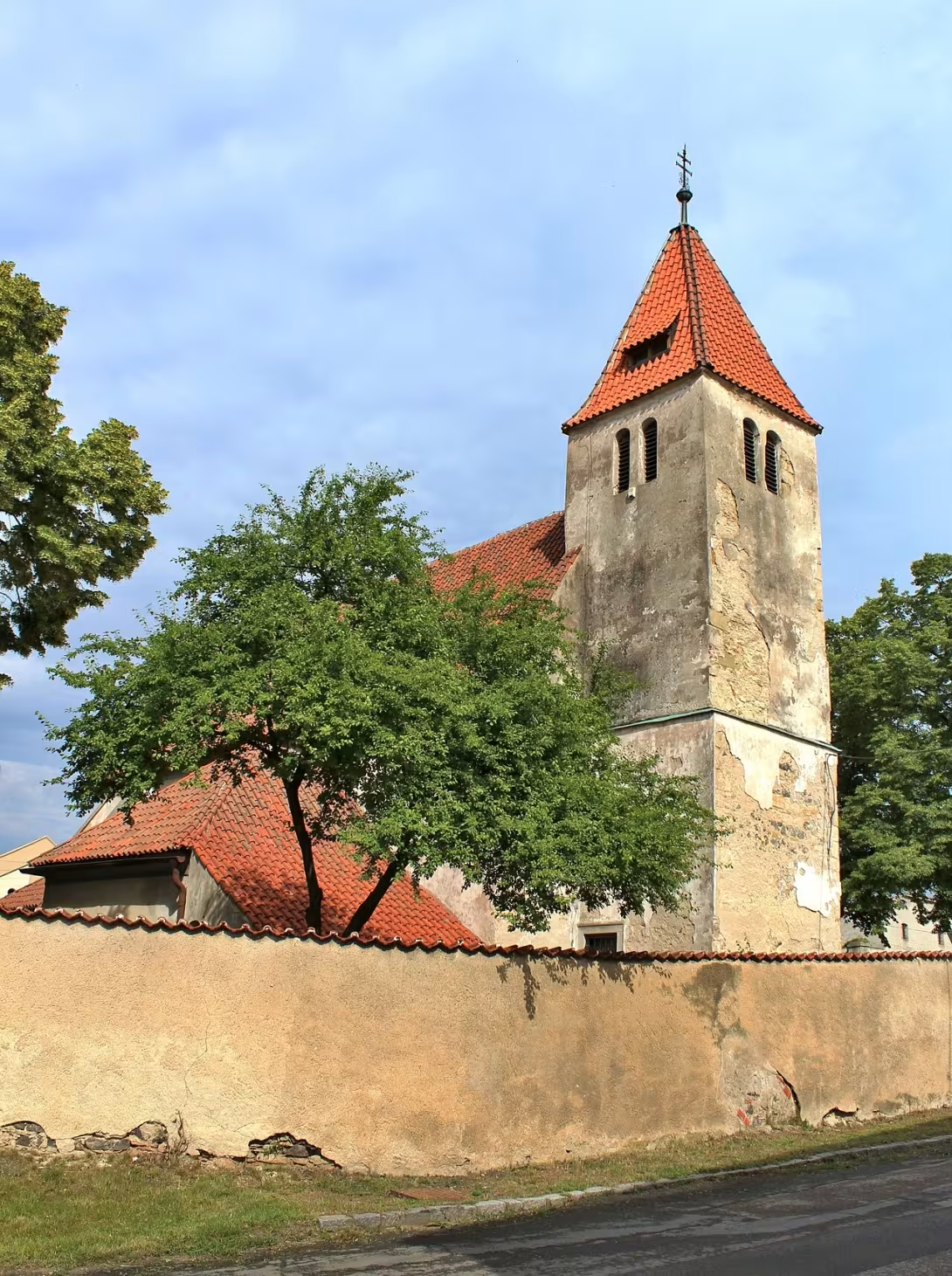

The historical appearance on the left is an AI-generated visualisation and serves as inspiration only.
Historical milestones
- 1260
- Completion of the church under Dean Vít.
- 1271
- First written mention of the Kojetice church.
- 1667
- Installation of a valuable main altar with paintings by Antonín Stevens.
Architectural development
The Church of Saint Vitus began as a Romanesque structure with a stone tower completed in 1260. In the 14th century, it was enhanced with Gothic architectural elements such as a presbytery. The Baroque period brought significant changes after 1666, including a new sacristy and main altar adorned with paintings by Antonín Stevens. Restoration efforts revealed medieval wall paintings in 1970, leading to partial restoration completed in 1988.
Historical events
The church was completed in 1260 under the supervision of Dean Vít.
In the 14th century, a Gothic presbytery was added to the structure.
Baroque renovations occurred after 1666, including the addition of a new sacristy and main altar.
Points of interest
- The Church of Saint Vitus was completed under the supervision of Dean Vít in 1260, a period when Bohemia was part of the Holy Roman Empire. This connection highlights its significance during an era marked by political and cultural exchanges across Europe.
- During restoration efforts in the late 20th century, medieval wall paintings were discovered within the church. These artworks offer valuable insights into the religious iconography and artistic practices of the time when they were created.
- Antonín Stevens contributed to the Baroque renovations with his paintings on the main altar after 1666. His work reflects the influence of the Baroque style's dramatic expressions, which aimed to evoke emotional engagement from viewers during that period.
- The church underwent significant architectural changes throughout its history, starting as a Romanesque structure and later incorporating Gothic elements in the 14th century. This evolution mirrors broader European trends where local styles adapted to emerging artistic movements.
- Despite its historical significance and various transformations, the Church of Saint Vitus has remained under the spiritual administration of the Neratovice parish within the Podřipský vicariate of the Prague Archdiocese. This consistent ecclesiastical oversight underscores its enduring role in the local religious community over centuries.
Guide
This guide is narrated by a synthetic voice generated by artificial intelligence.
Show guide text
This text was created by artificial intelligence and has not been editorially reviewed. It may contain inaccuracies.
On the village green in Kojeticích u Neratovic, on Moravcova Street, stands the Roman Catholic Church of Saint Vitus. It dates from the middle of the 13th century and belongs to the Neratovic parish, which falls under the Podřipí vicariate of the Prague Archdiocese.
The church was completed in 1260, although the first written mention of it comes from 1271. According to this record, the stone church with a tower was built by Vitus, dean of the Saint Vitus Chapter. So the name of the builder and the dedication of the church coincide.
In the 14th century the tower was raised further and a Gothic presbytery was added to the church, that is the space around the main altar. The next major transformation came after 1666, when the building underwent a Baroque reconstruction and acquired a new sacristy. The main altar from 1667 is decorated with valuable paintings by the Prague painter Antonín Stevens.
Notable is the fate of medieval paintings on the walls of the church. Their remains appeared already during repairs in 1878, but were only revealed in 1970. Their partial restoration took place in 1988, when restoration work on the church began. This work resumed again after a break in 1999.
Tips for visitors
The best time to visit the Church of Saint Vitus in Kojetice is during late spring or early autumn, when the weather is mild and pleasant for exploring outdoor sites. These seasons offer a comfortable climate that enhances your experience as you walk around the main square and admire the church's architecture without the discomfort of extreme heat or cold. Additionally, visiting outside of peak tourist seasons can provide a more serene atmosphere, allowing for better appreciation of this historical monument.
To ensure a smooth journey, check current routes and schedules using an online travel planner or local transportation resources. This will help you plan your visit efficiently and avoid any inconvenience.
When visiting the Church of Saint Vitus, it's advisable to bring comfortable walking shoes as you may want to explore the area around the church. Additionally, consider carrying a light jacket or sweater, especially if visiting in spring or autumn, as temperatures can vary throughout the day. A camera is recommended for capturing the architectural details and serene atmosphere of this historical site. If planning an extended visit, bringing water and snacks might also be beneficial.
For photography enthusiasts, the best spots to capture the Church of Saint Vitus are from the main square in front of the church where you can get a full view of its façade. Early morning or late afternoon light provides ideal conditions for taking photos with softer shadows and warm tones.
These locations offer additional cultural and recreational opportunities for visitors looking to extend their exploration beyond the church itself.
Frequently asked questions
Can the monument be visited?
Religious buildings are usually open mainly during services; at other times a visit is normally arranged with the parish or the operator. We have not verified specific times.
Where is the monument?
Location: Kojetice, Středočeský kraj. The map on this page shows the exact spot.
Why is the monument protected?
It is listed in the Central List of Cultural Monuments of the Czech Republic as a cultural monument (register no. 18634/2-2086).
Businesses nearby
Do you run a restaurant, accommodation, shop, museum, rental, wellness or other visitor service near this monument? Show yourself directly to the people heading to it — this is how they will see you in the app and on the web:
Accommodation nearby
Trips and activities nearby
Guided tours, tickets and activities nearby from GetYourGuide
Affiliate link: if you buy from the partner, we may receive a commission. The price for you does not change.
Search tours and activities →Themed route
Tematická výletní trasa: Kostel svatého Víta v Kojeticích
1. Kostel svatého Víta
Typ: Historická památka
Proč stojí za návštěvu: Tento barokní kostel je centrem duchovního života v Kojeticích a přitahuje návštěvníky svou architektonickou krásou a historií. Jejich interiér nabízí pohled na bohaté umělecké prvky, které odrážejí barokní styl.
2. Kojetický rybník
Typ: Místní přírodní atrakce
Proč stojí za návštěvu: Tento rybník je ideálním místem pro relaxaci a pohled na klidnou vodní plochu. Je to také oblíbené místo pro pikniky a krátké procházky, což umožňuje návštěvníkům uvolnit se při prohlídce okolního kraje.
3. Kojetický park
Typ: Místní zelená plocha
Proč stojí za návštěvu: Park nabízí klidné chodníky a sedací místa, kde si můžete užít přírodního prostředí. Je to ideální místo pro rodinné výlety nebo pro ty, kteří hledají místo na odpočinek po návštěvě kostela.
4. Kojetický obecní úřad
Typ: Historický stavební objekt
Proč stojí za návštěvu: Tento historický objekt je připomínkou místní správy a architektury. Jeho elegantní vzhled a umístění ve středu obce nabízejí zajímavý pohled na minulost Kojetic.
Tato trasa nabízí návštěvníkům možnost prozkoumat nejen historické, ale i přírodní krásy Kojetic.
Seasonal recommendations
Spring: The arrival of spring at the Church of Saint Vitus in Kojetice brings a rejuvenating atmosphere as nature awakens around this historic site. The surrounding landscape is adorned with blooming flowers and lush greenery, creating a picturesque setting that enhances the charm of the church. Soft morning light filters through the trees, casting gentle shadows on the stonework, making it an ideal time for photography enthusiasts. Visitors should dress in layers to accommodate the variable spring weather, which can range from mild days to sudden showers. The site is generally less crowded during this season, allowing for a more tranquil exploration of its architectural beauty.
Summer: Summer at the Church of Saint Vitus offers vibrant daylight and warm temperatures, perfect for exploring the intricacies of its architecture under clear skies. This period often sees an influx of visitors drawn by the allure of outdoor activities in the region, making it one of the busiest times to visit. To avoid larger crowds, consider arriving early in the morning or later in the afternoon. Comfortable walking shoes and light clothing are recommended due to the heat, along with sun protection such as hats and sunscreen. The church grounds provide a serene escape from the summer hustle, inviting visitors to appreciate its historical significance amidst the lively season.
Autumn: Autumn transforms the Church of Saint Vitus into a stunning canvas of warm colors, with golden leaves creating a magical backdrop for photography. This season offers a unique opportunity to experience the site in a quieter setting as school holidays end and before winter crowds arrive. The crisp air is perfect for leisurely walks around the church grounds, allowing visitors to fully immerse themselves in its historical ambiance. Layered clothing is advisable to stay comfortable during cooler days and evenings. The changing foliage adds an enchanting touch to the church's architecture, making it a particularly appealing time to visit.
Winter: Winter at the Church of Saint Vitus presents a serene and contemplative atmosphere as snow blankets the landscape, lending a mystical quality to its historic structure. Shorter daylight hours mean visits should be planned early in the day to make the most of available light for exploring the church's interior and exterior features. Warm clothing is essential to enjoy the visit comfortably, along with sturdy footwear suitable for potentially icy paths. Despite fewer visitors, winter offers a unique perspective on the church’s architectural beauty, standing quietly amidst the snow-covered surroundings.
Visualizations and artistic views


The visualisations are generated by artificial intelligence and serve as inspiration.
Photos from the area
Real photos taken near the monument


Zdroj a licence jsou uvedeny u každého snímku.
Tips from visitors
No tips yet. Be the first!
Log in and add your tip.
Sources and literature
Photos: VitVit / CC BY-SA 4.0 — Wikimedia Commons. The author and licence also appear when you hover over the image.
Faktickým podkladem tohoto textu byl článek na Wikipedii, jehož autory jsou přispěvatelé Wikipedie. Článek je dostupný pod licencí CC BY-SA 4.0.
Location on the map





Příběhy a pověsti
Legendy, pověsti a příběhy spjaté s touto památkou
Příběh: Kostel svatého Víta v Kojeticích
Bylo to v pondělí ráno, kdy Martin zjistil, že jeho svět byl na rozkladu. Klesající slunce šlehalo skrze čtyřúhelníkové okna kostela svatého Víta, stínící zd…
Číst příběh
Pověst: Kostel svatého Víta v Kojeticích
Podle místní pověsti se za kojetickým kostelem skrývá příběh, který si staří obyvatelé předávají od nepaměti – příběh o muži, jehož jméno bylo osudově spjato…
Číst příběhFotografie návštěvníků
Zatím žádné fotografie. Buďte první, kdo přidá fotografii z návštěvy!
Log in a přidejte svou fotografii nebo hodnoťte.
Za ověřenou návštěvu v aplikaci získáte víc bodů — poznáme podle GPS, že jste na místě.
Reviews and comments