



kostel svatých Petra a Pavla (Stráž nad Nežárkou) Church
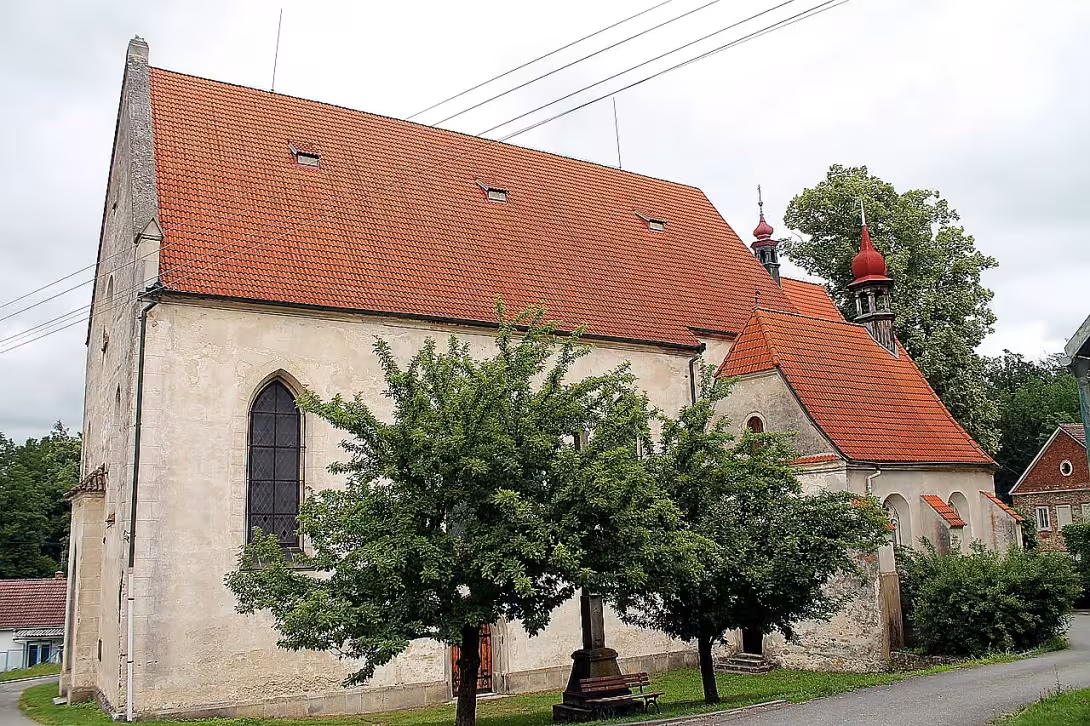
The Church of Saints Peter and Paul in Stráž nad Nežárkou stands as a testament to the rich history of this region in Jihočeský kraj. This Roman Catholic parish church is significant for both its architectural evolution and cultural heritage, recognized as a cultural monument of the Czech Republic. Originally built in the late 13th century as a Romanesque brick church, it underwent Gothic renovations by the early 15th century and has since been integral to the local community.
The origins trace back to the late 13th century when a wooden chapel was replaced by a brick structure in the Romanesque style. By the third quarter of that century, the need for a more permanent edifice led to its construction. The first documented mention as a parish dates to 1361, marking its importance within the local ecclesiastical framework. In 1413, significant Gothic renovations were undertaken, reflecting broader architectural trends across Europe during this period. These changes included the addition of Gothic vaults and other stylistic elements that have contributed to the church's enduring legacy.
Architecturally, it is a single-nave structure without a main tower, featuring a sacristy above its apse. The nave was demolished in 1913 but rebuilt while preserving the original Gothic vaulting, demonstrating a commitment to maintaining historical integrity. The pentagonal apse boasts cross-ribbed vaults, and remnants of late Gothic wall paintings add to the church's artistic allure. Notably, the main altar painting, created by Plzeň painter Jan Herzog in 1866, stands as a highlight within the interior.
The church also houses several significant tombstones, including those of Petra ze Stráže (†1461) and Jindřich ze Stráže (†1466), who served as the highest court marshal of the Czech Kingdom. These memorials, along with ten other tombstones from the 16th and 17th centuries made of white marble, provide a glimpse into the lives of notable historical figures associated with this site.
Today, the Church of Saints Peter and Paul remains accessible to visitors who wish to explore its architectural beauty and historical significance. Its preservation as a cultural monument ensures that future generations can appreciate its unique blend of Romanesque and Gothic elements. The church's rich history, combined with its artistic features, makes it a worthwhile destination for those interested in the cultural heritage of the Czech Republic.
Visiting this historic site offers an opportunity to connect with the past while appreciating the craftsmanship and dedication that have preserved it through centuries. Whether drawn by architectural interest or historical curiosity, the Church of Saints Peter and Paul invites exploration and reflection on its enduring legacy.
Then and now
Drag the slider to compare how the landmark may have looked when it was built with the view today.
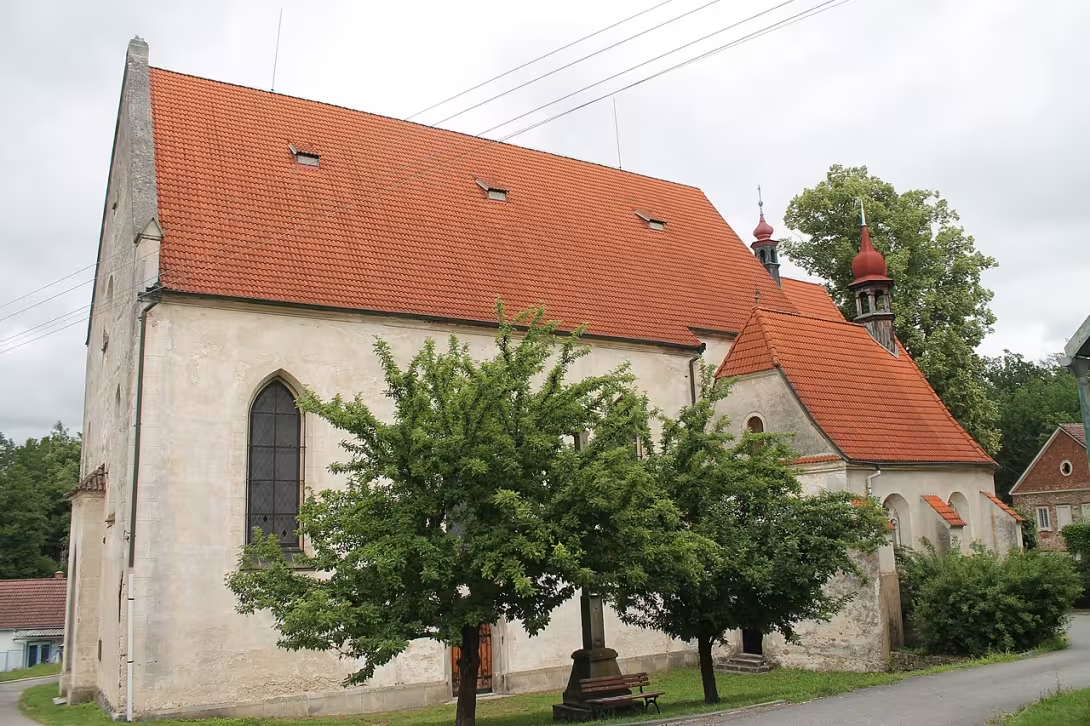

The historical appearance on the left is an AI-generated visualisation and serves as inspiration only.
Historical milestones
- 1361
- First documented mention as a parish church.
- 1413
- Underwent Gothic renovations.
Architectural development
Initially built as a Romanesque brick church in the late 13th century, it transitioned to Gothic style by the early 15th century. The nave was reconstructed in 1913 while retaining its Gothic vaulting. The church features a pentagonal apse with cross-ribbed vaults and remnants of late Gothic wall paintings.
Historical events
- 1361
- First documented mention as a parish church.
- 1413
- Underwent Gothic renovations.
- 1913
- The nave was demolished and rebuilt, preserving the Gothic vaults.
Points of interest
- The Church of Saints Peter and Paul underwent a significant architectural transformation in 1913 when its nave was demolished and then rebuilt, yet the original Gothic vaulting was meticulously preserved, showcasing an early example of historical preservation efforts.
- Among the church's artistic treasures is the main altar painting by Plzeň painter Jan Herzog, created in 1866. This artwork not only enhances the interior's aesthetic but also represents a connection to regional artistry during that period.
- The church houses tombstones of notable historical figures such as Petra ze Stráže and Jindřich ze Stráže, who served as the highest court marshal of the Czech Kingdom in the 15th century. These memorials provide insights into the lives of influential individuals from this era.
- In addition to its main altar painting, the Church of Saints Peter and Paul features remnants of late Gothic wall paintings that add layers of historical artistry and cultural significance to the structure's interior.
- The church's pentagonal apse is distinguished by cross-ribbed vaults, a unique architectural feature that highlights the blend of Romanesque and Gothic styles prevalent in its construction history.
Guide
This guide is narrated by a synthetic voice generated by artificial intelligence.
Show guide text
This text was created by artificial intelligence and has not been editorially reviewed. It may contain inaccuracies.
The Church of Saints Peter and Paul in Stráž nad Nežárkou is the parish church of the local Roman Catholic parish and a cultural monument of the Czech Republic.
Its beginnings were modest. A wooden chapel originally stood in its place. In the third quarter of the thirteenth century it was replaced by a stone structure in Romanesque style. The church is first documented in writing in thirteen sixty-one, already as a parish church. In fourteen thirteen it underwent a Gothic reconstruction. The nave, however, was not vaulted, even though it is supported by Gothic buttresses. Only the chancel received a vault. In nineteen thirteen the original nave along with its Gothic roof was torn down and a new nave was built in its place.
The church is single-naved and has no main tower. Above the chancel there is only a sanctus bell opening. The five-sided chancel has a cross vault. Fragments of late Gothic wall paintings and a Gothic sacrarium have been preserved in it. The painting on the main altar was created in eighteen sixty-six by the Pilsen painter Jan Herzog, who lived from eighteen twenty to eighteen eighty-six.
The tombstones deserve attention. A late Gothic tombstone belongs to Peter from Stráž, who died in fourteen sixty-one. Made of red marble is the tombstone of Henry from Stráž, the highest court master of the Czech kingdom, who died in fourteen sixty-six. Ten further tombstones from the sixteenth and seventeenth centuries are made of white marble. Also of late Gothic origin are a stone baptismal font and a stone holy water stoup.
Attached to the church is the Chapel of Saint Michael, also called the castle chapel. It contains an altar of Saint Michael from the beginning of the eighteenth century, decorated with wavy motifs. The altar is placed on a Gothic mensa.
Tips for visitors
The best time to visit the Church of Saints Peter and Paul in Stráž nad Nežárkou is during late spring or early autumn when the weather is pleasant, allowing for a comfortable exploration of both the church's interior and its surroundings. These seasons offer mild temperatures and often vibrant natural scenery, enhancing your experience as you explore this historical site. Additionally, visiting outside of peak tourist season can provide a more serene atmosphere, making it easier to appreciate the architectural details and tranquility of the area.
When visiting, consider bringing comfortable walking shoes, especially if you plan to explore beyond the church grounds. A camera or smartphone for photography is recommended, and don't forget a hat and sunscreen if visiting in warmer months. Additionally, carrying water and snacks can be beneficial, particularly if spending several hours exploring the area.
For photography enthusiasts, the best spots around the Church of Saints Peter and Paul are during the golden hour—shortly after sunrise or before sunset—when natural light enhances the church's architectural features. The surrounding landscape also provides picturesque backdrops for capturing both the church and its environment. Inside, lighting can vary, so using a camera with good low-light performance is advisable.
Nearby attractions within 30 minutes include other historical sites and scenic spots in the Jihočeský kraj region. Exploring these areas can provide additional context to the history of Stráž nad Nežárkou and offer more opportunities for sightseeing and relaxation. Families with children may find local parks or nature trails enjoyable, providing a chance for outdoor activities after visiting the church.
Frequently asked questions
Can the monument be visited?
Religious buildings are usually open mainly during services; at other times a visit is normally arranged with the parish or the operator. We have not verified specific times.
Where is the monument?
Location: Stráž nad Nežárkou, Jihočeský kraj. The map on this page shows the exact spot.
Why is the monument protected?
It is listed in the Central List of Cultural Monuments of the Czech Republic as a cultural monument (register no. 17396/3-2229).
Businesses nearby
Do you run a restaurant, accommodation, shop, museum, rental, wellness or other visitor service near this monument? Show yourself directly to the people heading to it — this is how they will see you in the app and on the web:
Events nearby
Zdroj akcí: otevřená data měst a obcí ČR (Národní katalog otevřených dat) a kalendář akcí Národního památkového ústavu.
Accommodation nearby
Themed route
Tematická výletní trasa: Kostel svatých Petra a Pavla, Stráž nad Nežárkou
1. Kostel svatých Petra a Pavla (Stráž nad Nežárkou)
Typ: Náboženská památka
Proč stojí za návštěvu: Tento barokní kostel je nejen architektonickým dílem, ale také historickým centrem obce Stráž nad Nežárkou. Jeho bohatě zdobená interiér a významná umístění na místní nádvoří nabízejí pohled do minulosti této části Jihočeského kraje.
2. Nádvorí kostela
Typ: Historické nádvoří
Proč stojí za návštěvu: Nádvoří před kostelem svatých Petra a Pavla je klíčovým místem pro pochopení historie obce. Zde se nachází sochy a pamětní desky, které vyprávějí o důležitých událostech a osobnostech spojených s kostelem.
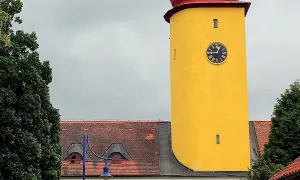
3. Věž kostela
Typ: Historická věž
Proč stojí za návštěvu: Výhled z věže nabízí nejen panoramatický pohled na Stráž nad Nežárkou a okolní krajinu, ale také příležitost prozkoumat historii a architekturu kostela z unikátního úhlu. Věž je často místem, kde se konají kulturní akce a výstavy.
4. Park u kostela
Typ: Místní park
Proč stojí za návštěvu: Park před kostelem poskytuje klidné místo pro odpočinek a reflexi po prozkoumání historických míst. Jeho zelené prostory jsou ideální pro relaxaci, zatímco se díváte na starobylý kostel v pozadí.
Tato trasa nabízí komplexní pohled na kulturní a historický význam kostela svatých Petra a Pavla a jeho bezprostředního okolí, což umožňuje návštěvníkům hluboce se ponořit do dějin Stráže nad Nežárkou.
Seasonal recommendations
Spring: Visiting the Church of Saints Peter and Paul during spring offers a unique experience as nature awakens around Stráž nad Nežárkou. The surrounding landscape is adorned with vibrant wildflowers, and the gentle warmth of the sun enhances the picturesque beauty of the area. As daylight hours lengthen, the church basks in soft, natural lighting that highlights its architectural details. Visitors should consider wearing comfortable layers to accommodate fluctuating temperatures and arrive early to enjoy a peaceful stroll through the blooming countryside before larger crowds gather.
Summer: Summer is an ideal time for exploring the Church of Saints Peter and Paul due to the extended daylight hours and pleasant weather, perfect for outdoor activities in Stráž nad Nežárkou. The lush greenery and vibrant colors create a lively atmosphere that complements the historical charm of the church. However, this season also attracts more tourists, so it's advisable to arrive early to avoid crowds. Wearing light, breathable clothing is recommended, along with sun protection like hats or sunglasses.
Autumn: Autumn brings a stunning display of warm hues as the leaves change color around the Church of Saints Peter and Paul in Stráž nad Nežárkou. The crisp air and gentle sunlight create an enchanting atmosphere perfect for photography enthusiasts. As temperatures begin to cool, visitors should dress in layers to stay comfortable throughout their visit. This season tends to have fewer tourists compared to summer, offering a more tranquil experience.
Winter: Winter transforms the Church of Saints Peter and Paul into a serene winter wonderland, with snow-covered landscapes adding a magical touch to Stráž nad Nežárkou's charm. The shorter days mean the church is illuminated by softer, cooler light, enhancing its historic features in a unique way. Visitors should dress warmly in layers and be prepared for potential closures or reduced hours due to inclement weather. Arriving early can ensure you make the most of your visit before any snowfall intensifies.
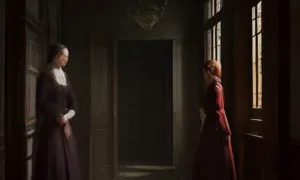
Visualizations and artistic views


The visualisations are generated by artificial intelligence and serve as inspiration.
Photos from the area
Real photos taken near the monument


Zdroj a licence jsou uvedeny u každého snímku.
Tips from visitors
No tips yet. Be the first!
Log in and add your tip.
Sources and literature
Photos: Harold / CC BY-SA 4.0 — Wikimedia Commons. The author and licence also appear when you hover over the image.
Faktickým podkladem tohoto textu byl článek na Wikipedii, jehož autory jsou přispěvatelé Wikipedie. Článek je dostupný pod licencí CC BY-SA 4.0.
Location on the map




Příběhy a pověsti
Legendy, pověsti a příběhy spjaté s touto památkou
Fotografie návštěvníků
Zatím žádné fotografie. Buďte první, kdo přidá fotografii z návštěvy!
Log in a přidejte svou fotografii nebo hodnoťte.
Za ověřenou návštěvu v aplikaci získáte víc bodů — poznáme podle GPS, že jste na místě.
Reviews and comments