






kostel svatých Petra a Pavla (Úsobí) Church
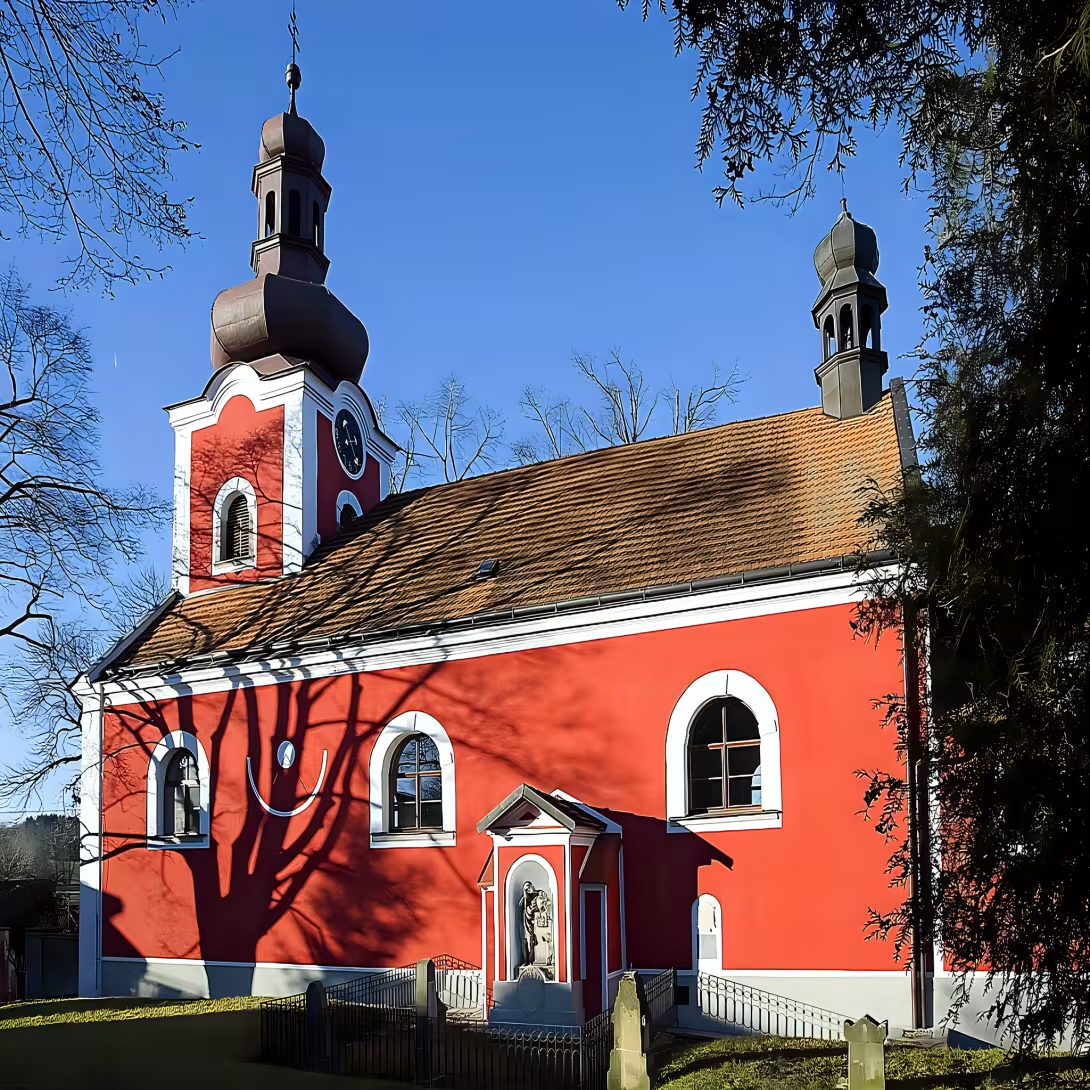
The Church of Saints Peter and Paul in Úsobí is a significant cultural monument in the Czech Republic, showcasing historical resilience and architectural evolution. Situated at the village's heart, this Roman Catholic parish church lies within a cemetery area, offering insights into its storied past. Its current neo-Gothic design features a single-nave layout with a three-sided presbytery and a western tower, contributing to its distinctive presence.
Originally built as a Gothic church, only the presbytery with its vaults and supporting pillars remains from the initial structure. The church's history includes damage during the Hussite Wars, leading to reconstruction between 1759 and 1760 under architect Aigl z Jihlavy, who transformed it into a baroque or neo-Gothic building. Over the centuries, it has undergone multiple restorations, including dehumidification in 2009 and repainting in 2010, ensuring its preservation.
The church's architectural journey reflects broader cultural influences during its reconstruction period. In mid-18th century Bohemia, part of the Habsburg Monarchy, significant baroque stylistic developments occurred following the Thirty Years' War and subsequent conflicts. The transformation under Aigl z Jihlavy exemplifies these cultural shifts.
Adjacent to the church is an old cemetery not in use since 1920, though occasional burials have occurred later. This site adds historical intrigue, hinting at continuity and changes within the village's community life over time. Inside the church, visitors can find an altar with a painting of Saints Peter and Paul in Rome from the post-reconstruction period, enriching its artistic heritage.
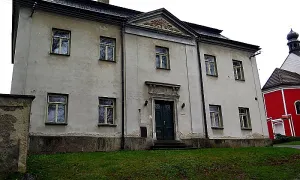
In 1784, a parish house was constructed near the church, marking another significant development in the area's ecclesiastical infrastructure. This underscores the ongoing importance of the church within the local community throughout history.
Today, the Church of Saints Peter and Paul remains accessible to visitors, offering a tangible connection to the region's rich historical tapestry. Its designation as a cultural monument highlights its architectural and historical significance, making it a worthwhile destination for those exploring Czech heritage. The church stands as a testament to the resilience and adaptability of its community while inviting contemporary audiences to appreciate its enduring legacy.
Then and now
Drag the slider to compare how the landmark may have looked when it was built with the view today.
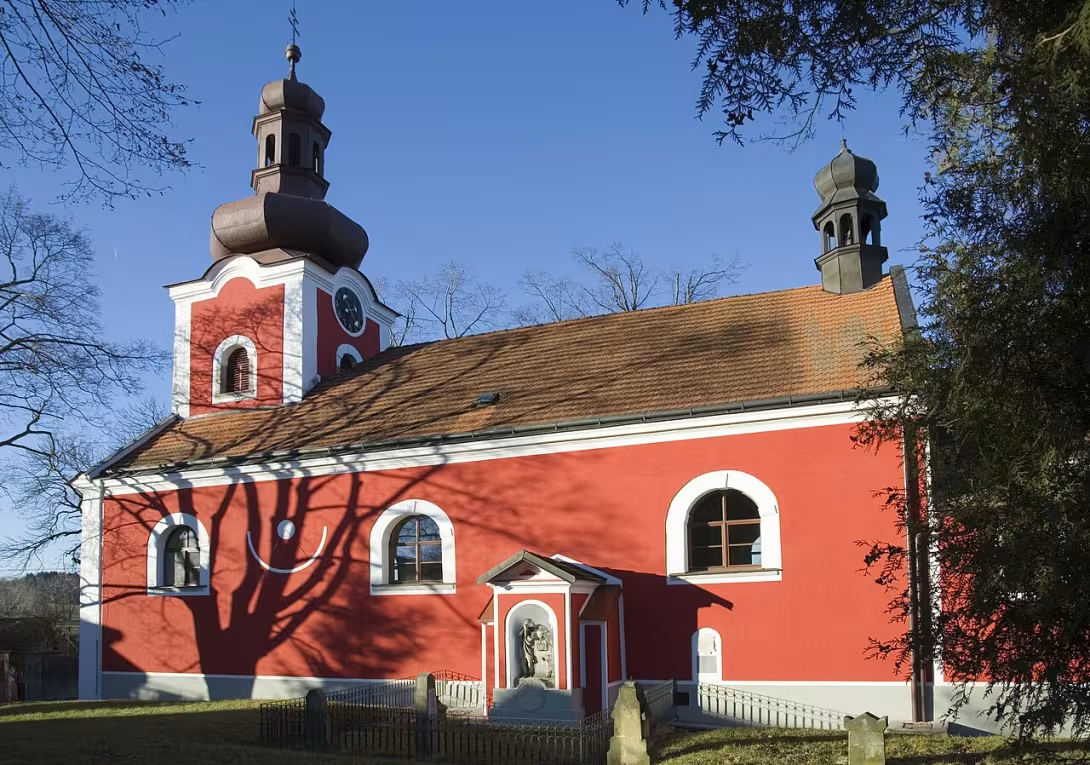

The historical appearance on the left is an AI-generated visualisation and serves as inspiration only.
Historical milestones
- kolem 15. století
- Původní stavba gotického kostela.
- během husitských válek (1419–1434)
- Kostel utrpěl škody během konfliktu.
- 1759
- Začátek rekonstrukce pod vedením Aigla z Jihlavy.
- 1760
- Dokončení rekonstrukce do barokního/neo-gotického stylu.
- 1784
- Postavení farářského domu vedle kostela.
Architectural development
Initially built as a Gothic structure, only parts of the presbytery survived from the original building. The church underwent reconstruction in the baroque or neo-Gothic style between 1759 and 1760 by architect Aigl z Jihlavy. It has been restored multiple times across the 18th, 19th, and 20th centuries, with significant work including dehumidification in 2009 and repainting in 2010.
Historical events
The church was damaged during the Hussite Wars and subsequently rebuilt between 1759 and 1760.
In 1784, a parish house was constructed near the church.
Guide
This guide is narrated by a synthetic voice generated by artificial intelligence.
Show guide text
This text was created by artificial intelligence and has not been editorially reviewed. It may contain inaccuracies.
The parish church of Saints Peter and Paul stands in the center of the town of Úsobí in Vysočina, within the cemetery grounds. It is a single-nave neo-gothic building with a three-sided presbytery and a tower on the western side. The church is protected as a cultural monument of the Czech Republic.
The church originated as a gothic structure. Only the presbytery with its vaults and supporting columns have survived from that earliest building. During the Hussite Wars the church was damaged and rebuilt again in seventeen fifty-nine and seventeen sixty. The reconstruction was led by the builder Aigl from Jihlava. The sources disagree, however, on whether the reconstructed church was baroque or neo-gothic. From the period after the reconstruction comes an altar with a painting of Saint Peter and Saint Paul in Rome.
The church underwent repairs in the eighteenth, nineteenth and twentieth centuries. In two thousand and nine it was dried out and a year later it received new plaster. Not far from the church stands the rectory, built in seventeen eighty-four.
The cemetery by the church has not been officially used since nineteen twenty. However, occasional burials took place there even later.
Tips for visitors
The best time to visit the Church of Saints Peter and Paul in Úsobí is during late spring or early autumn when the weather is pleasant, allowing visitors to comfortably explore both the church and its surrounding cemetery area. This period also offers softer natural light which enhances the neo-Gothic architectural details of the church. Additionally, visiting outside peak tourist seasons can provide a more tranquil experience.
Alternatively, public transport can be used; however, you should verify current routes and schedules through a reliable travel app or website. The church’s central location within the village makes it easily accessible on foot from these points.
When planning your visit, consider bringing comfortable walking shoes as there may be uneven paths in the cemetery area surrounding the church. A camera is recommended to capture the intricate details of the neo-Gothic architecture and the serene atmosphere of the site. Since lighting can vary throughout the day, early morning or late afternoon visits are ideal for photography due to the softer light conditions.
For families with children, the Church of Saints Peter and Paul offers a peaceful setting that is perfect for a quiet family outing. The cemetery area provides an open space where children can explore safely under supervision. Additionally, the historical significance of the site can be an educational experience for older children interested in architecture or history. Nearby attractions within 30 minutes include other cultural sites in Kraj Vysočina, offering more opportunities for exploration and learning.
Frequently asked questions
Can the monument be visited?
Religious buildings are usually open mainly during services; at other times a visit is normally arranged with the parish or the operator. We have not verified specific times.
Where is the monument?
Location: Úsobí, Kraj Vysočina. The map on this page shows the exact spot.
Why is the monument protected?
It is listed in the Central List of Cultural Monuments of the Czech Republic as a cultural monument (register no. 10359/6-5652).
Businesses nearby
Do you run a restaurant, accommodation, shop, museum, rental, wellness or other visitor service near this monument? Show yourself directly to the people heading to it — this is how they will see you in the app and on the web:
Events nearby
Zdroj akcí: otevřená data měst a obcí ČR (Národní katalog otevřených dat) a kalendář akcí Národního památkového ústavu.
Accommodation nearby
Themed route
Úsobí Thematická Výletní Trasa
1. Kostel svatých Petra a Pavla (Úsobí)
Typ: Náboženská památka
Proč stojí za návštěvu: Tento barokní kostel, postavený v 18. století, je nejvýraznější architektonickou památkou obce Úsobí. Jeho bohaté interiérní zdobení a historie přitahují návštěvníky zájemci o duchovní i kulturní dědictví.
2. Kaple svaté Anny (Úsobí)
Typ: Kaple
Proč stojí za návštěvu: Tato malebná kaple je ideálním místem pro klidnou chvilku a úvahu. Její umístění v přírodním prostředí nabízí pohledy na okolní krajinu, což ji činí perfektním doplňkem k hlavnímu náboženskému cíli.
3. Zastavěný areál kostela
Typ: Historický areál
Proč stojí za návštěvu: Prozkoumejte okolní zastavěný areál, který nabízí pohledy na historii a architekturu obce. Tento prostor je ideální pro pochopení kulturního kontextu kostela svatých Petra a Pavla v rámci místní komunity.
4. Nádvoří kostela
Typ: Náboženský parkoviště
Proč stojí za návštěvu: Nádvoří je místo, kde si můžete odpočinout a užít si klidného okamžiku. Je to také vhodný bod pro pochopení prostorové organizace kostela a jeho role v životě obyvatel Úsobí.
Tato trasa nabízí pohled na kulturní a duchovní bohatství Úsobí, zaměřený především na hlavní náboženskou památku a její okolí.
Seasonal recommendations
Spring: Visiting the Church of Saints Peter and Paul in Úsobí during spring offers a refreshing atmosphere as nature awakens around this historic site. The surrounding landscape is adorned with blooming flowers, creating picturesque views that enhance the church's serene beauty. Spring light gently illuminates the architecture, casting soft shadows that add to its charm. Visitors may encounter fewer crowds than in summer, making it an ideal time for a peaceful exploration of the church and its grounds. It’s recommended to wear comfortable layers as temperatures can vary, and carrying a light jacket might be wise for cooler mornings or evenings.
Summer: Summer is the peak season for visiting the Church of Saints Peter and Paul, with longer daylight hours providing ample time to appreciate its architectural details under bright sunlight. The surrounding greenery is lush and vibrant, offering a perfect backdrop for photography enthusiasts. However, this season also attracts more visitors, so arriving early in the morning can help avoid larger crowds. Comfortable walking shoes are advisable due to potential heat, and staying hydrated is important during your visit.
Autumn: Autumn brings a warm, golden hue to the Church of Saints Peter and Paul, as the changing leaves create a stunning contrast against its historical façade. The cooler temperatures make for pleasant strolls around the church grounds, which might be adorned with seasonal decorations or events in line with local traditions. This is an excellent time for those who appreciate the beauty of fall foliage. Wearing layers can help adjust to varying temperatures throughout the day, and carrying a light scarf or hat could enhance comfort during your visit.
Winter: The Church of Saints Peter and Paul exudes a magical charm in winter, especially when snow blankets the surrounding landscape, transforming it into a serene, picturesque scene. It's essential to dress warmly in layers and wear waterproof footwear if visiting during snowy periods. A visit during this time can be particularly enchanting around festive seasons when subtle decorations might add to the church’s historical ambiance.
Visualizations and artistic views


The visualisations are generated by artificial intelligence and serve as inspiration.
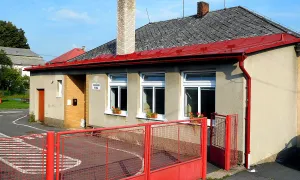
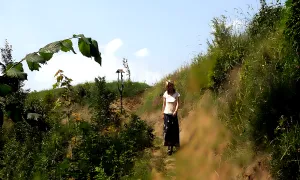
Photos from the area
Real photos taken near the monument


Zdroj a licence jsou uvedeny u každého snímku.
Tips from visitors
No tips yet. Be the first!
Log in and add your tip.
Sources and literature
Photos: Petr Vodička / CC BY-SA 4.0, rozlišení zvýšeno umělou inteligencí — Wikimedia Commons. The author and licence also appear when you hover over the image.
Faktickým podkladem tohoto textu byl článek na Wikipedii, jehož autory jsou přispěvatelé Wikipedie. Článek je dostupný pod licencí CC BY-SA 4.0.
Location on the map

Příběhy a pověsti
Legendy, pověsti a příběhy spjaté s touto památkou
Fotografie návštěvníků
Zatím žádné fotografie. Buďte první, kdo přidá fotografii z návštěvy!
Log in a přidejte svou fotografii nebo hodnoťte.
Za ověřenou návštěvu v aplikaci získáte víc bodů — poznáme podle GPS, že jste na místě.
Reviews and comments