






kostel Všech svatých (Ořechov) Church
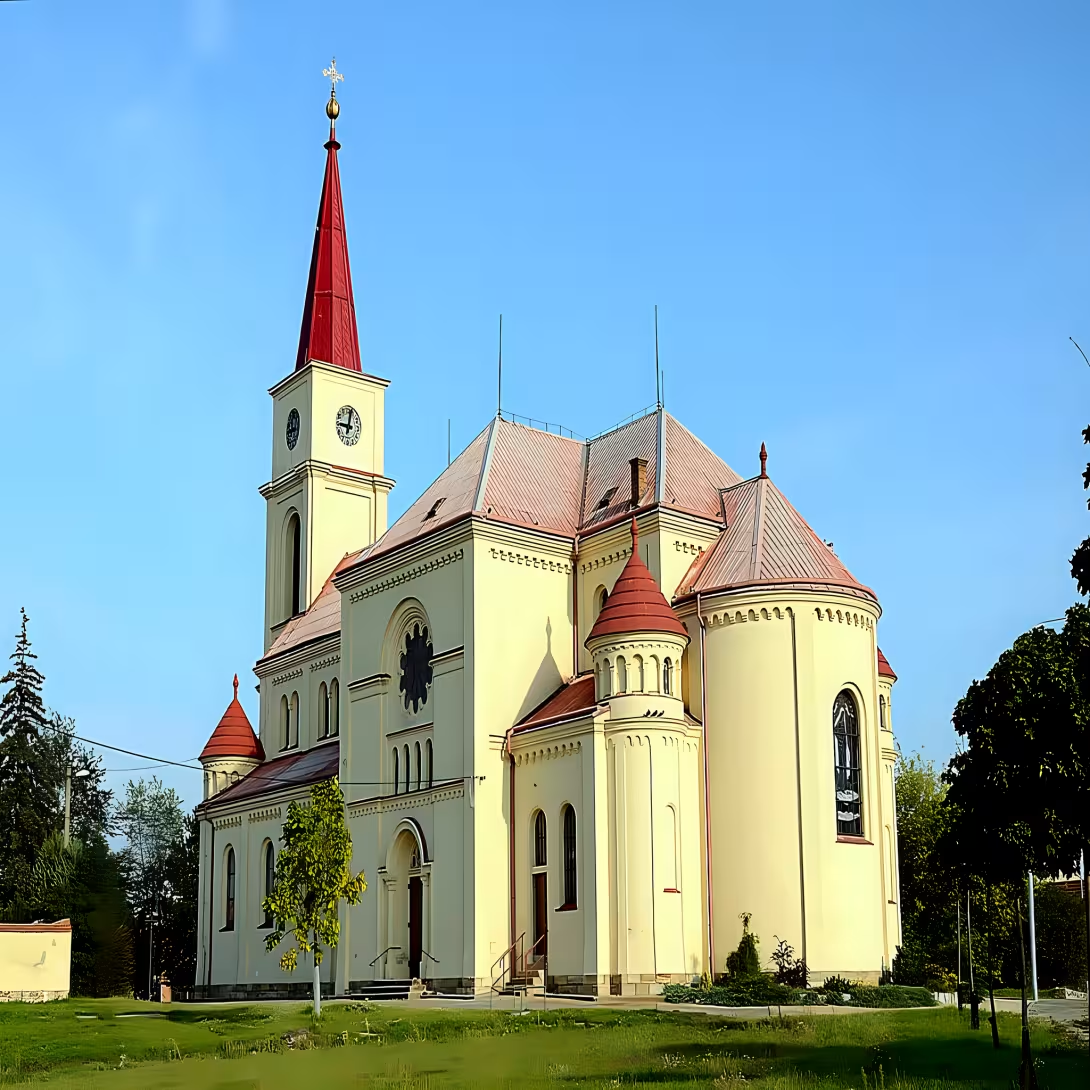
The All Saints Church in Ořechov is a Roman Catholic church in the village of Ořechov, serving as the local parish church. Its history dates back to 1317, when the original Gothic church was built. In the early 18th century, the church underwent Baroque renovations, and in the late 19th century, it was demolished and replaced with a new Romanesque-style three-nave church, consecrated in 1900.
The original Gothic church, built in 1317, reflected the growing influence of the Catholic Church in the region during the 14th century. The Kingdom of Bohemia was a powerful state in Central Europe at that time, and Ořechov was a small settlement. The church's construction marked the establishment of a permanent place of worship for the local community.
The new church was designed in the Romanesque style, a departure from the original Gothic style. It was built using traditional materials and techniques, reflecting regional architectural traditions. Unfortunately, the church suffered significant damage during World War II, when it was heavily damaged by German forces. After the war, the church was restored, and its unique Romanesque design has made it a notable landmark in the region.
The church has undergone significant changes, including Baroque renovations in 1704-1705 and the construction of a new church in 1899. The old church was demolished, and the new Romanesque-style church was built in its place. The new church was consecrated in 1900 by Bishop František Saleský Bauer of Brno.
Today, the church is a significant cultural and historical landmark, attracting visitors from all over. Its unique Romanesque design and rich history make it a must-visit destination for those interested in architecture, history, and culture. Located in the village of Ořechov, surrounded by rolling hills and farmland, it is a peaceful and picturesque destination for those exploring the region's history and natural beauty.
Then and now
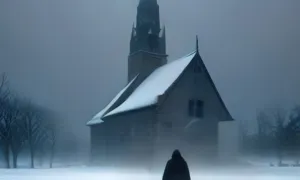
Drag the slider to compare how the landmark may have looked when it was built with the view today.
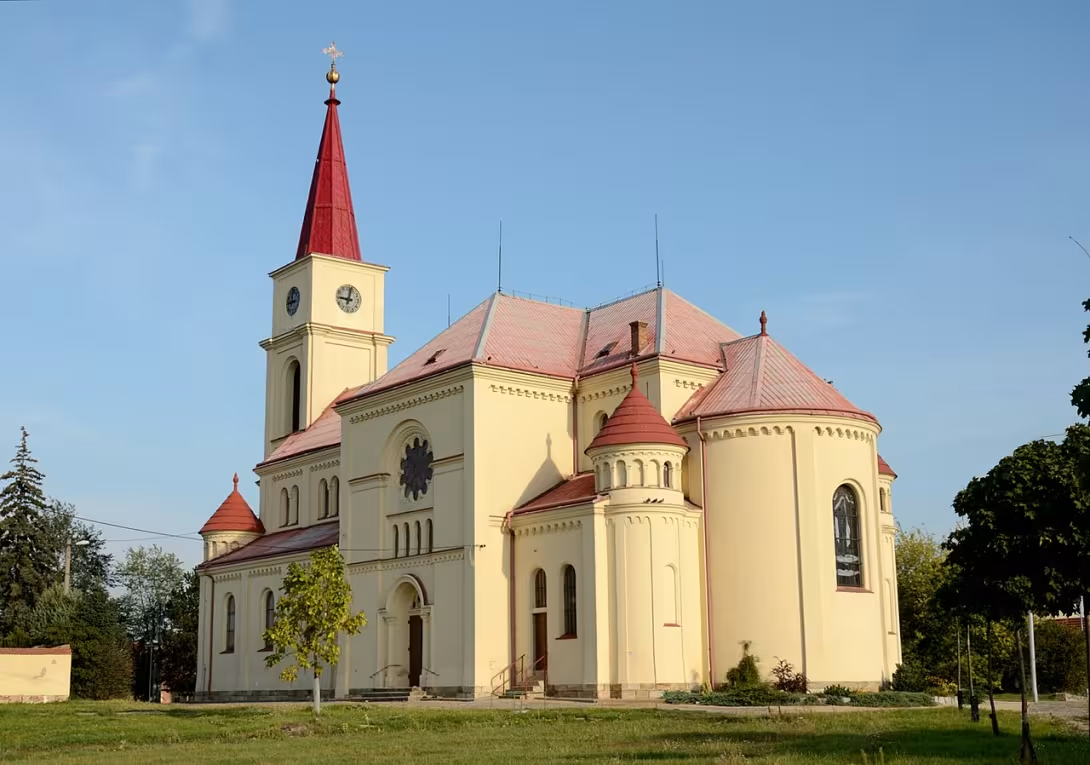
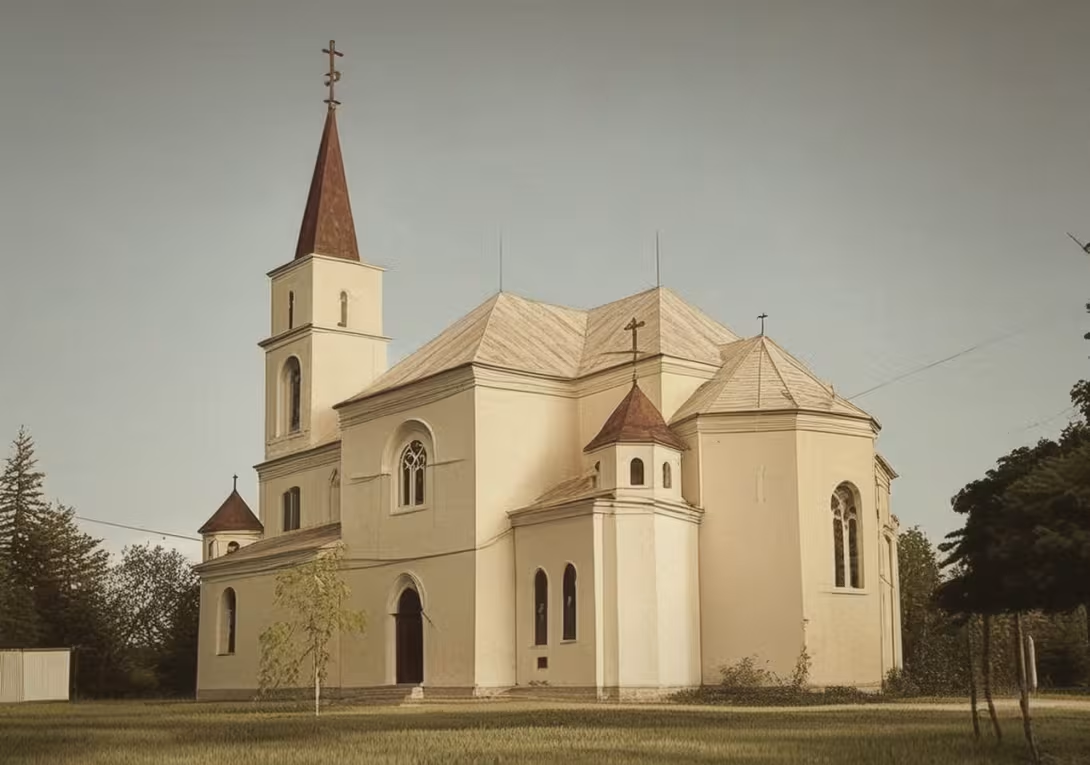
The historical appearance on the left is an AI-generated visualisation and serves as inspiration only.
Historical milestones
- 1317
- The original Gothic church was built.
- 1704
- The church underwent partial Baroque renovations.
- 1899
- The old church was demolished and a new Romanesque-style church was built.
- 1900
- The new church was consecrated.
Architectural development
The church was built using traditional materials and techniques. The new church was designed in the Romanesque style, which was a departure from the original Gothic style of the old church.
Historical events
1317: The original Gothic church was built.
1704-1705: The church underwent partial Baroque renovations.
1899: The old church was demolished and a new Romanesque-style church was built.
1900: The new church was consecrated.
Points of interest
– The original Gothic church built in 1317 was a reflection of the growing influence of the Catholic Church in the region during the 14th century, when the Kingdom of Bohemia was a powerful state in Central Europe.
– The church's construction in 1317 marked the establishment of a permanent place of worship for the local community in Ořechov, a small settlement at that time.
– The church was heavily damaged by German forces during World War II, which led to its significant restoration after the war.
– The church underwent Baroque renovations in 1704-1705, which is a relatively rare architectural style in the region.
– The new Romanesque-style church was consecrated in 1900 by Bishop František Saleský Bauer of Brno, a significant event in the church's history.
Guide
This guide is narrated by a synthetic voice generated by artificial intelligence.
Show guide text
This text was created by artificial intelligence and has not been editorially reviewed. It may contain inaccuracies.
The Church of All Saints is a Roman Catholic parish church in Ořechov in the Brno-venkov district. It belongs to the Ořechov parish of All Saints.
A church with this dedication already stood in Ořechov in the year 1317. It was Gothic and in the years 1704 and 1705 it received a partially Baroque appearance. Over time, however, it ceased to have sufficient capacity, and so at the end of the 19th century a decision was made to build a new church. The last service in the old church took place on February 26, 1899. It was then demolished and a Neo-Romanesque three-aisled church was built in its place. The construction was completed in that same year, on November 11, 1899. It was consecrated on July 6, 1900 by the Brno bishop František Saleský Bauer.
At the end of the Second World War, the heaviest fighting of the Battle of Ořechov took place right at the church. German soldiers had an observation post in the tower. The church, like most of the village, was heavily damaged and after the war it was restored.
The church also has an interesting history regarding its heritage protection. The church was a cultural monument, but lost its protection in 2017. In 2020, the Ministry of Culture decided that the registration in the state list of cultural monuments from 1989 had taken place with a delay. The protection thus formally ended on December 31, 1987. In 2019, heritage protection was restored to the church.
Frequently asked questions
Can the monument be visited?
Religious buildings are usually open mainly during services; at other times a visit is normally arranged with the parish or the operator. We have not verified specific times.
Where is the monument?
Location: Ořechov, Jihomoravský kraj. The map on this page shows the exact spot.
Why is the monument protected?
It is listed in the Central List of Cultural Monuments of the Czech Republic as a cultural monument (register no. 106326).
Businesses nearby
Do you run a restaurant, accommodation, shop, museum, rental, wellness or other visitor service near this monument? Show yourself directly to the people heading to it — this is how they will see you in the app and on the web:
Events nearby


Zdroj akcí: otevřená data měst a obcí ČR (Národní katalog otevřených dat) a kalendář akcí Národního památkového ústavu.
Nearby
The church is located in the village of Ořechov, which is surrounded by rolling hills and farmland.
Accommodation nearby
Trips and activities nearby
Guided tours, tickets and activities nearby from GetYourGuide
Affiliate link: if you buy from the partner, we may receive a commission. The price for you does not change.
Search tours and activities →Themed route
Trasa: Ořechov and its surroundings
1. Church of All Saints (Ořechov) - the main highlight of this route is the beautiful Church of All Saints, which stands in the heart of the village of Ořechov. This church is a significant landmark worth visiting for its unique architecture and history. 2. Village of Ořechov - during your walk around the church, you can also explore the village of Ořechov itself, surrounded by hills and fields. You can stop at local buildings to learn about the local culture. 3. Cemetery near Church of All Saints - it's worth visiting the cemetery near the Church of All Saints, where you can view graves and tombstones from various periods. 4. Courtyard of Church of All Saints - you can also take a look at the courtyard of the church, where you'll find a peaceful spot for rest and relaxation.
Seasonal recommendations
Jaro
In the spring season, St. Vitus Church in Ořechov is surrounded by blooming trees and flowers, creating a pleasant atmosphere. The lighting is soft, allowing visitors to appreciate the architectural details of the church. The best time to visit the church is in the morning or late afternoon when there are fewer people. We recommend wearing hiking boots and comfortable clothing for a walk around the area.
Summer
In the main summer season, St. Vitus Church in Ořechov is a sought-after tourist destination, so it's best to arrive early to avoid large crowds. The lighting is stronger, allowing visitors to admire the interior decorations of the church. We recommend bringing an umbrella and drinks to avoid overheating.
Autumn
In the autumn season, St. Vitus Church in Ořechov is surrounded by colorful foliage, creating a pleasant atmosphere. The lighting is soft, allowing visitors to appreciate the architectural details of the church. The best time to visit the church is in the morning or late afternoon when there are fewer people. We recommend wearing hiking boots and comfortable clothing for a walk around the area.
Winter
In winter, St. Vitus Church in Ořechov is enveloped in quiet snow, creating a serene atmosphere. The lighting is soft, allowing visitors to appreciate the architectural details of the church.
Visualizations and artistic views


The visualisations are generated by artificial intelligence and serve as inspiration.
Photos from the area
Real photos taken near the monument


Zdroj a licence jsou uvedeny u každého snímku.
Tips from visitors
No tips yet. Be the first!
Log in and add your tip.
Sources and literature
Photos: Tomáš Hradský / CC BY-SA 3.0, rozlišení zvýšeno umělou inteligencí — Wikimedia Commons. The author and licence also appear when you hover over the image.
Faktickým podkladem tohoto textu byl článek na Wikipedii, jehož autory jsou přispěvatelé Wikipedie. Článek je dostupný pod licencí CC BY-SA 4.0.
Location on the map




Příběhy a pověsti
Legendy, pověsti a příběhy spjaté s touto památkou
Fotografie návštěvníků
Zatím žádné fotografie. Buďte první, kdo přidá fotografii z návštěvy!
Log in a přidejte svou fotografii nebo hodnoťte.
Za ověřenou návštěvu v aplikaci získáte víc bodů — poznáme podle GPS, že jste na místě.
Reviews and comments