






Kostel Všech svatých ve Stvolínkách Church
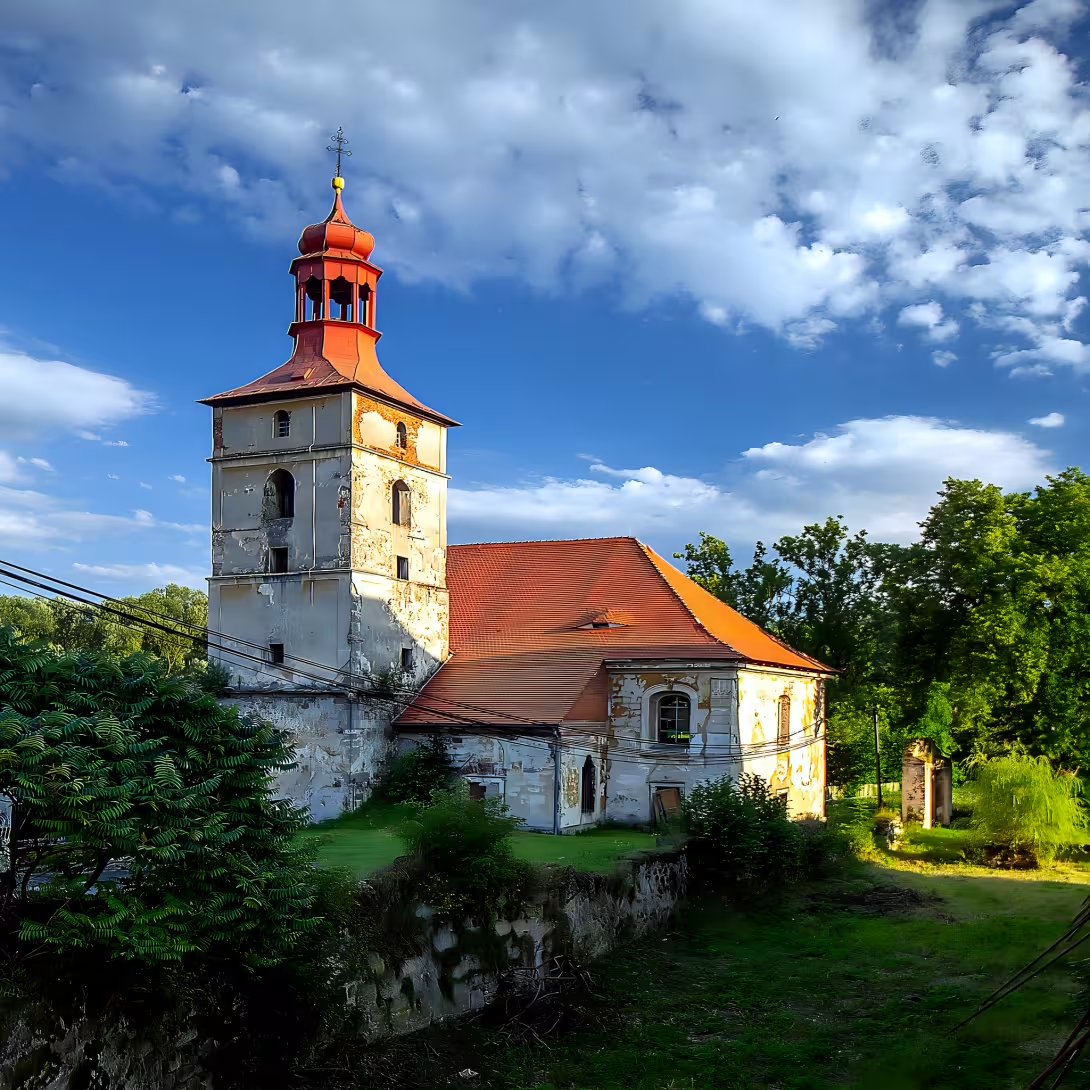
The Church of All Saints in Stvolínky is a Roman Catholic parish church near the castle in the village of Stvolínky, within the Liberec Region of the Czech Republic. Constructed at the turn of the 14th and 15th centuries, this Gothic structure holds historical significance due to its early documentation as a parish in the papal tithe register of 1352. Despite being declared a cultural monument, it is currently in poor condition, preventing regular services.
The church's origins are rooted in medieval Bohemia, marked by significant political and religious transformations. Initially built on what may have been an earlier wooden structure from the 11th century, Stvolínky belonged to the minor noble family Kluci ze Stvolínek by the mid-14th century. They were patrons of the church until at least 1426, highlighting its early local importance.
Architecturally, the Church of All Saints exemplifies Gothic design, though many original elements have been altered or lost due to renovations. It features a single-nave layout with a slightly compressed semi-circular ground plan and an oriented orientation. A notable addition from the 16th century is the six-story spire on the northern side of the nave. In 1770, a chapel dedicated to Saint Anne was constructed in the northwest corner, adding architectural complexity. The presbytery underwent significant changes in 1811.
Throughout history, the church experienced various phases of ownership and administration. Initially under the Kluci ze Stvolínek family's patronage, it later saw renovations led by Bishop Leopold Chlumčanský in the 19th century. Despite these efforts, the church entered a period of decline after World War II, exacerbated during the socialist era due to neglect and looting.
Today, the Church of All Saints is a cultural monument facing significant preservation challenges. Its roof and cupolas were replaced for approximately two million Czech koruna following 2000, and partial repairs were made to the Saint Anne chapel in 2011. However, it remains in disrepair with missing floors and equipment, making regular worship services unsuitable. Instead, temporary religious activities are held in a nearby chapel opposite the church.
Visitors can appreciate the historical and architectural significance of the Church of All Saints despite its condition. Its proximity to the castle enhances the area's cultural heritage appeal, offering insights into medieval Bohemian life and architecture. While services cannot be conducted within the church due to safety concerns, it remains a poignant reminder of the region's rich history and ongoing preservation efforts for future generations.
Then and now
Drag the slider to compare how the landmark may have looked when it was built with the view today.
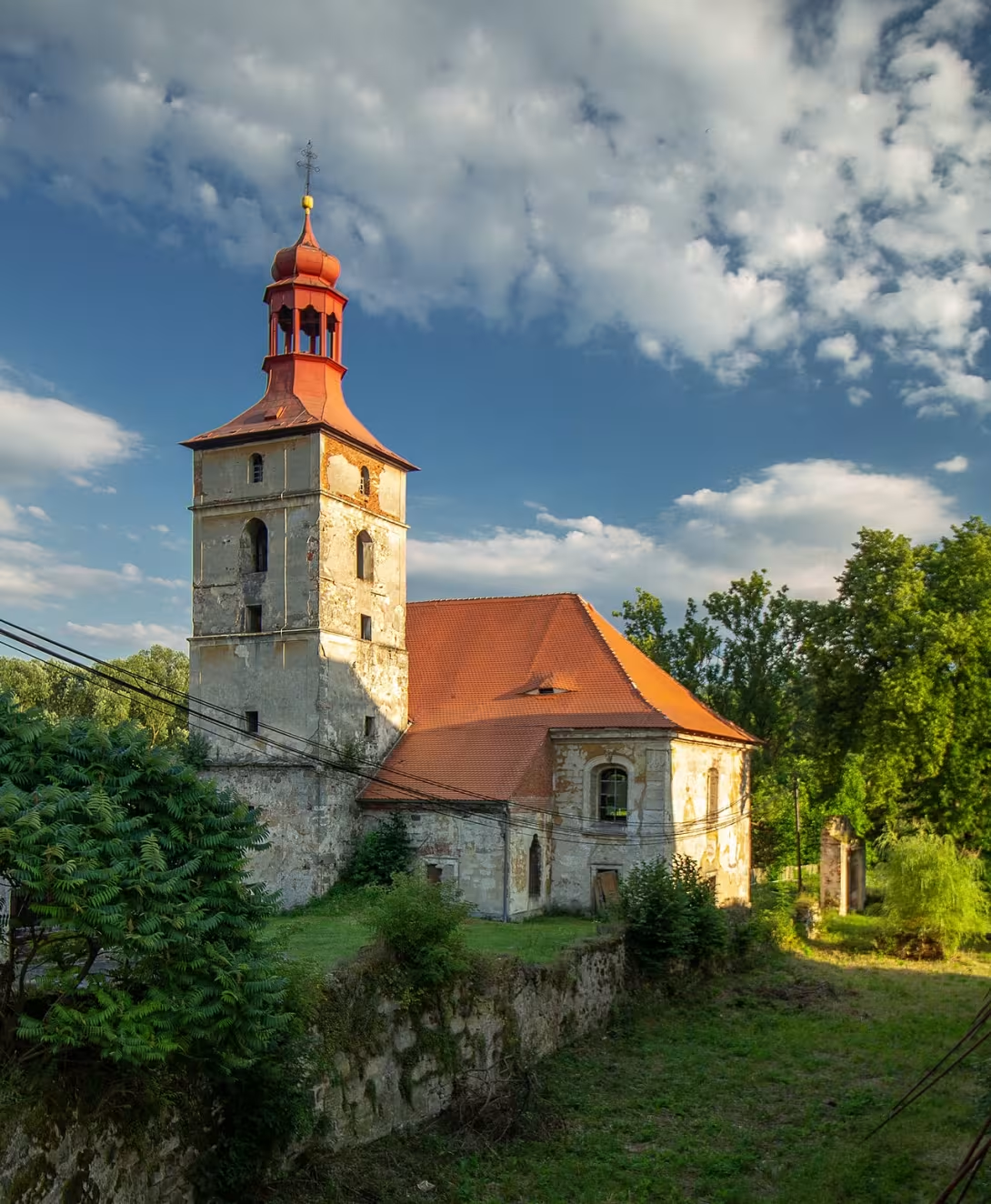

The historical appearance on the left is an AI-generated visualisation and serves as inspiration only.
Historical milestones
- kolem 1350
- The church was built at the transition between the 14th and 15th centuries.
- 1352
- First documented as a parish church in the papal tithe register.
- kolem 1426
- The boys from Stvolínky were patrons of the church until this time.
- 16.0
- Addition of a six-story tower on the northern side of the nave.
- 1770
- Construction of the Chapel of Saint Anne in the southwest corner of the church.
- 1811
- Significant changes made to the presbytery.
Architectural development
The original Gothic structure underwent several modifications over time. A tower was added in the 16th century, and a chapel dedicated to Saint Anne was constructed in 1770. In 1811, a new presbytery was built, marking significant architectural changes. The church experienced further renovations in the 19th century under Bishop Leopold Chlumčanský.
Historical events
The parish of Stvolínky was documented as early as 1352 in the papal tithe register.
In the mid-14th century, the village belonged to the minor noble family Kluci ze Stvolínek, who were patrons of the church until at least 1426.
Points of interest
- The Church of All Saints was originally built on the site of a possible 11th-century wooden structure, reflecting an early medieval foundation long before its documented Gothic construction in the late 14th century.
- In the mid-14th century, Stvolínky and its church were under the patronage of the minor noble family Kluci ze Stvolínek, who played a significant role in the local religious community until at least 1426.
- The six-story spire added to the northern side of the nave during the 16th century is an unusual architectural feature that distinguishes this church from other Gothic structures in the region.
- In 1811, the presbytery underwent substantial changes, altering its original design and contributing to the unique blend of architectural styles visible today.
- Despite efforts to preserve it after World War II, including a significant roof replacement for approximately two million Czech koruna following 2000, the church remains in disrepair due to neglect during the socialist era.
Guide
This guide is narrated by a synthetic voice generated by artificial intelligence.
Show guide text
This text was created by artificial intelligence and has not been editorially reviewed. It may contain inaccuracies.
Welcome to the Church of All Saints in Stvolínky, a remarkable testament to history and architecture nestled near the castle in this charming locale within the Liberec Region. As you stand before it now, you're greeted by an aura of mystery and resilience that has withstood centuries. This Roman Catholic parish church, though declared a cultural monument, bears the marks of time with its Gothic architecture subtly interwoven into what remains after numerous renovations.
The origins of this sacred site trace back to the cusp between the 14th and 15th centuries. It was during this period that the Church of All Saints was constructed, emerging as a spiritual beacon for the local community. By 1352, its significance was further cemented when it first appeared in the papal tithe register as a parish church. This early documentation highlights its importance not just locally but within the broader ecclesiastical landscape.
As you look around, take note of the architectural elements that have survived through the ages. The six-tier tower on the northern side of the nave is particularly striking—a testament to the 16th-century enhancements that sought to elevate both its stature and its spiritual reach. These layers add a vertical dimension to your experience here, inviting your gaze upwards.
The church's history is rich with narratives tied to influential figures such as the Lords of Stvolínky, who were patrons until around 1426. Their legacy is interwoven into the very fabric of this place, marking an era when nobility played a pivotal role in its development and sustenance.
An intriguing chapter in the church's story revolves around its foundation. It’s believed to have been built on the site of what might have been an 11th-century wooden structure. This revelation offers a glimpse into a time long before the documented Gothic construction, suggesting a continuity of sacred space that spans centuries.
As we approach the conclusion of our exploration, it's worth noting the church's current state—a blend of majesty and melancholy. Despite its poor condition, which prevents regular services, it stands as a silent witness to history, inviting contemplation and admiration.
We encourage you to continue your journey through Stvolínky, letting the stories and spirits of this place guide you further into its past. As we say goodbye for now, remember that each step here is a step back in time, offering insights not just into the architecture but into the lives and legacies of those who came before us. Thank you for joining me on this journey through history at the Church of All Saints.
Tips for visitors
The best time to visit the Church of All Saints in Stvolínky is during late spring or early autumn. During these seasons, the Bohemian countryside surrounding the church offers stunning natural beauty with vibrant foliage and pleasant weather, enhancing your experience. Additionally, visiting outside peak tourist season can provide a more serene atmosphere, allowing you to appreciate the historical architecture without large crowds.
The area is accessible by both car and public transport. This flexibility makes it easy for visitors to plan their trip according to their preferences.
When visiting the Church of All Saints, consider bringing comfortable walking shoes and weather-appropriate clothing, as you may want to explore the surrounding historical area and countryside. A camera is also recommended to capture the stunning architecture and picturesque landscapes. If planning a longer visit or exploring nearby attractions, packing a light snack and water can enhance your comfort throughout the day.
For photography enthusiasts, some of the best spots around the Church of All Saints are near its entrance and along the pathways leading to the castle in Stvolínky. Early morning or late afternoon light provides ideal conditions for capturing the church’s intricate details and the surrounding landscape's natural beauty. The soft lighting during these times can highlight textures and create a warm, inviting atmosphere.
Nearby attractions within 30 minutes include exploring the historical castle in Stvolínky itself, which offers insights into the region's rich cultural heritage. Families with children will find the area engaging, as there are opportunities to explore the natural surroundings, including walking trails that offer both educational and recreational activities. These nearby sites provide a well-rounded experience for visitors of all ages.
Frequently asked questions
Can the monument be visited?
Religious buildings are usually open mainly during services; at other times a visit is normally arranged with the parish or the operator. We have not verified specific times. According to the heritage register the structure is in poor condition – do not enter it and take care nearby.
Where is the monument?
Location: Stvolínky, Liberecký kraj. The map on this page shows the exact spot.
Why is the monument protected?
It is listed in the Central List of Cultural Monuments of the Czech Republic as a cultural monument (register no. 16242/5-3312).
Businesses nearby
Do you run a restaurant, accommodation, shop, museum, rental, wellness or other visitor service near this monument? Show yourself directly to the people heading to it — this is how they will see you in the app and on the web:
Events nearby
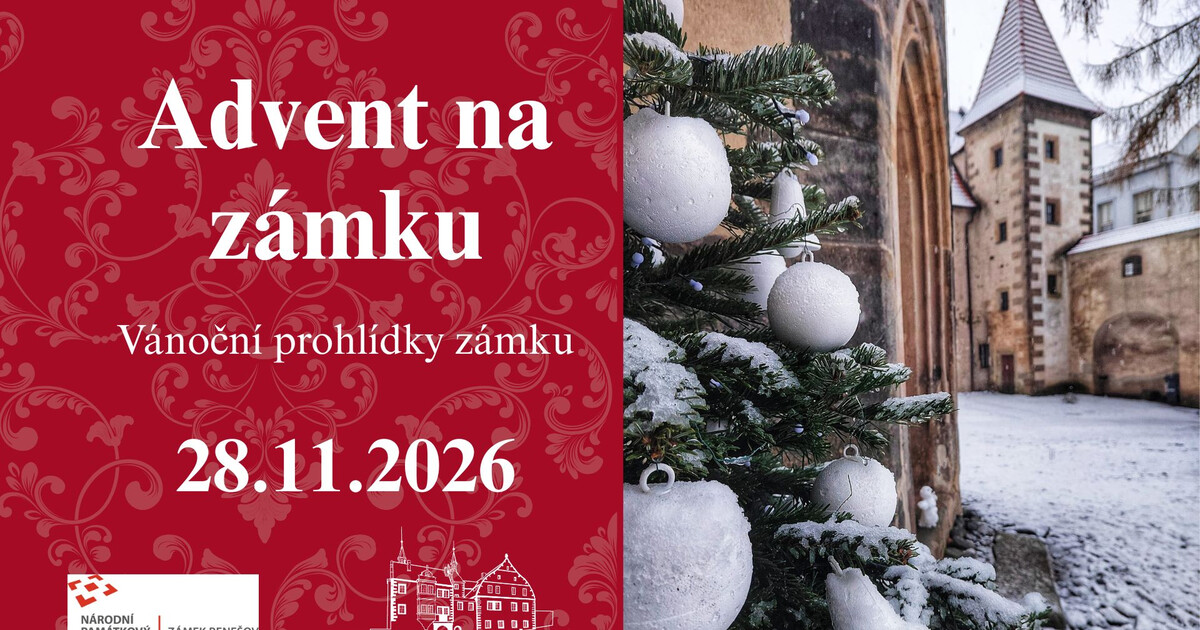
Zdroj akcí: otevřená data měst a obcí ČR (Národní katalog otevřených dat) a kalendář akcí Národního památkového ústavu.
Nearby
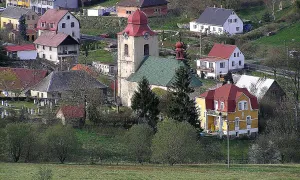
Located near the castle in Stvolínky, the church is part of a historical area with significant cultural heritage. The surrounding landscape includes typical Bohemian countryside features.
Accommodation nearby
Trips and activities nearby
Guided tours, tickets and activities nearby from GetYourGuide
Affiliate link: if you buy from the partner, we may receive a commission. The price for you does not change.
Search tours and activities →Themed route
Thematic Walking Tour: Stvolínky's Historical and Cultural Heritage
1. Kostel Všech svatých (Church of All Saints) - Type: Religious Landmark - Why Visit: This church, located near the castle in Stvolínky, is a stunning example of architectural history with its intricate design and serene atmosphere. It serves as a testament to the region's rich cultural heritage and offers visitors an opportunity to appreciate its historical significance.
2. Castle Ruins in Stvolínky - Type: Historical Site - Why Visit: The ruins of this castle are situated close to the Church of All Saints, providing a glimpse into the medieval past of the area. Exploring these remnants allows visitors to imagine the grandeur and strategic importance of the castle during its time.
3. Bohemian Countryside Landscape - Type: Natural Scenery - Why Visit: The surrounding landscape features typical Bohemian countryside elements, offering picturesque views and a peaceful environment for reflection. This natural setting enhances the historical experience by connecting visitors with the traditional rural life of the region.
4. Historical Area Walkthrough - Type: Cultural Exploration - Why Visit: A walk through this area allows you to immerse yourself in Stvolínky's cultural heritage, observing how history and tradition have shaped the community. The proximity of these sites provides a cohesive narrative of the region’s development over centuries.
5. Local Heritage Exhibition (if available) - Type: Cultural Exhibit - Why Visit: If accessible within the church or nearby area, this exhibition offers insights into local history and traditions through artifacts and displays. It's an excellent way to deepen your understanding of Stvolínky’s cultural legacy.
This tour is designed to provide a comprehensive experience of Stvolínky's historical and cultural significance, focusing on key sites in its vicinity.
Seasonal recommendations
Jaro: In the spring, the Church of All Saints in Stvolinky is enchanting as it is surrounded by vibrant green nature. Leaves on trees will start to turn color and flowering shrubs add a sense of renewal to the church's atmosphere. Sunny days are ideal for visiting, as they illuminate the old stone walls with gentle hues and bring warm light inside. Visitors are advised to wear clothing suitable for mild temperatures, perhaps with a light jacket or scarf for cooler hours. This period can also be somewhat busier due to visitors attracted by the spring greenery and emerging outdoor events, so it's best to visit the church in the early morning hours.
Léto: Summer offers the best conditions for visiting the Church of All Saints in Stvolinky. Long sunny days provide ideal lighting that highlights the historical architectural details of the church. The surrounding outdoor areas are full of blooming lawns and trees in full bloom, enhancing their appeal for photography and relaxation. Visitors are advised to visit the church earlier or later in the day to avoid peak hours with crowds during the main summer season. Warm clothing and sun protection are essential for comfort, especially as temperatures can rise.
Podzim: A fall visit to the Church of All Saints in Stvolinky offers a unique atmosphere with beautifully colored foliage from surrounding trees. Sunny autumn days illuminate the church in warm pastel colors, providing a beautiful contrast to the cooler air. This period may be slightly busier due to the tourist season and opportunities for outdoor activities associated with the fall, so it's suitable to visit in early or late hours. Visitors are advised to wear layered clothing as temperatures can vary and colder evenings require an extra layer.
Zima: In winter, the Church of All Saints in Stvolinky offers a quiet, serene atmosphere under a blanket of snow and icy rain. Sunny days can illuminate the church with magical light that highlights its historical architecture, while cold night hours bring calmness. Winter visits may be less busy due to fewer tourists and limited opening times, so it's good to check current timings before planning your visit. Visitors are strongly advised to wear warm clothing, including quality outerwear and protection against moisture, to enjoy their visit comfortably.
Visualizations and artistic views


The visualisations are generated by artificial intelligence and serve as inspiration.
Photos from the area
Real photos taken near the monument


Zdroj a licence jsou uvedeny u každého snímku.
Tips from visitors
No tips yet. Be the first!
Log in and add your tip.
Sources and literature
Photos: VitVit / CC BY-SA 4.0, rozlišení zvýšeno umělou inteligencí — Wikimedia Commons. The author and licence also appear when you hover over the image.
Faktickým podkladem tohoto textu byl článek na Wikipedii, jehož autory jsou přispěvatelé Wikipedie. Článek je dostupný pod licencí CC BY-SA 4.0.
Location on the map
Příběhy a pověsti
Legendy, pověsti a příběhy spjaté s touto památkou
Fotografie návštěvníků
Zatím žádné fotografie. Buďte první, kdo přidá fotografii z návštěvy!
Log in a přidejte svou fotografii nebo hodnoťte.
Za ověřenou návštěvu v aplikaci získáte víc bodů — poznáme podle GPS, že jste na místě.
Reviews and comments