






zámek Stvolínky Chateau
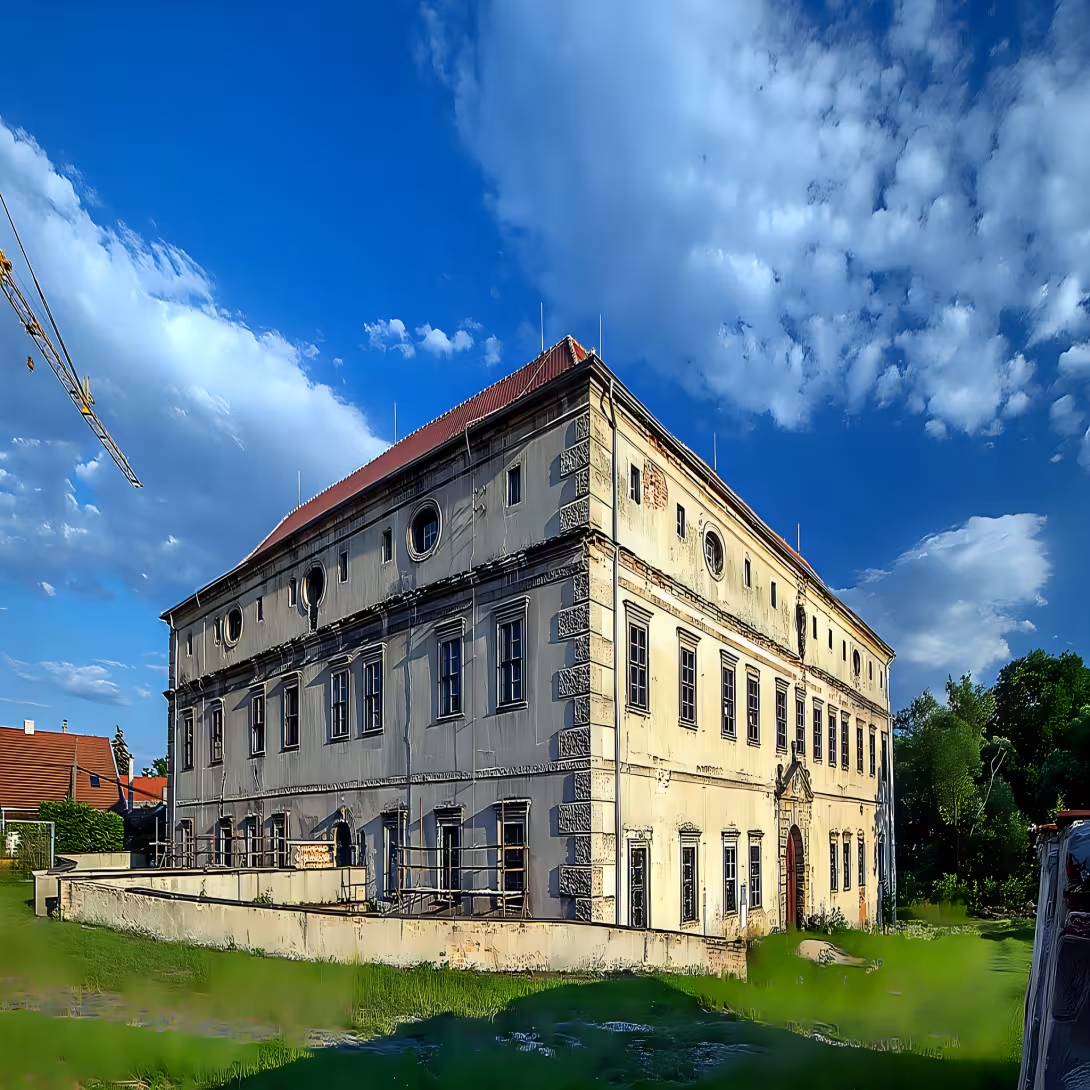
Zámek Stvolínky is an important early Baroque chateau located in the village of Stvolínky within the Česká Lípa District, about 10 km southwest of the district town. Originally built on the site of a Renaissance chateau that replaced an earlier moated fortress from 1505, it has undergone several transformations since its inception in the 17th century. The chateau served as a summer residence for bishops and was later used for various purposes, including a children's holiday camp and a seminary. Today, it stands as a cultural monument, though much of its structure remains unrestored.
The origins of Zámek Stvolínky trace back to a moated fortress documented in 1505, initially owned by Vilém II. z Illburka who had it registered for his wife Anežka z Helfenštejna. The site was later transformed into a Renaissance chateau under her direction. Over the years, ownership changed hands several times, with notable figures such as Jindřich Kurcpach z Trachenburka and Adam Hrzán z Harasova contributing to its development. In 1647, Cardinal Arnošt Vojtěch Harrach acquired the estate for the planned bishopric of Litoměřice, marking a significant turning point in its history.
Under Maxmilián Rudolf ze Schleinitz's stewardship, the original Renaissance structure was transformed into Baroque style between 1655 and 1664. This transformation established it as a summer residence for bishops, including Jaroslav Ignác ze Šternberka and Mořic Adolf Saský, who further enhanced its cultural significance by bringing artworks from Litoměřice. The chateau continued to evolve through the centuries, undergoing Rococo modifications in the late 18th century under Emanuel Arnošt z Valdštejna.
Throughout its history, Zámek Stvolínky has seen a variety of owners and uses. After serving as a summer residence for bishops, it became a children's holiday camp starting in 1911 and later functioned as a seminary under Emanuel Jan Křtitel Schöbel in the late 19th century. Post-World War II, the chateau was managed by various entities including Státní statku Zahrádky and Okresní vlastivědné muzeum v České Lípě. Despite its rich history, the chateau has faced numerous challenges, including damage from a storm in 1976 and ongoing issues with restoration.
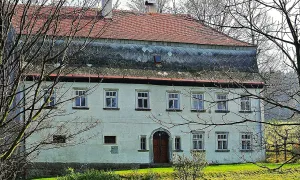
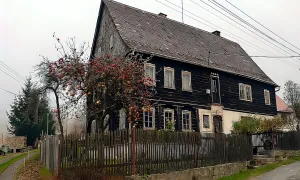
Today, Zámek Stvolínky remains under the ownership of the local municipality, which is gradually restoring it. Although much of the structure is unrestored, the chateau opens to the public during cultural events throughout the year. Visitors can explore its four-winged two-story architecture, surrounded by a park and remnants of an old moat with a bridge crossing it. The nearby Church of All Saints adds to the historical ambiance of the site.
Zámek Stvolínky is accessible via a 1 km walk from the local train station on the Lovosice to Česká Lípa line, or by road through the I/15 highway leading to Kravař. The chateau's rich history and architectural evolution make it a worthwhile visit for those interested in exploring Bohemia's cultural heritage. Its ongoing restoration efforts reflect its enduring significance as a historical monument, inviting visitors to witness its transformation over centuries.
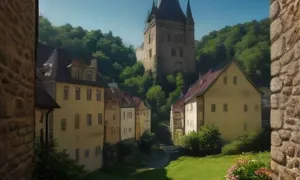
Then and now
Drag the slider to compare how the landmark may have looked when it was built with the view today.
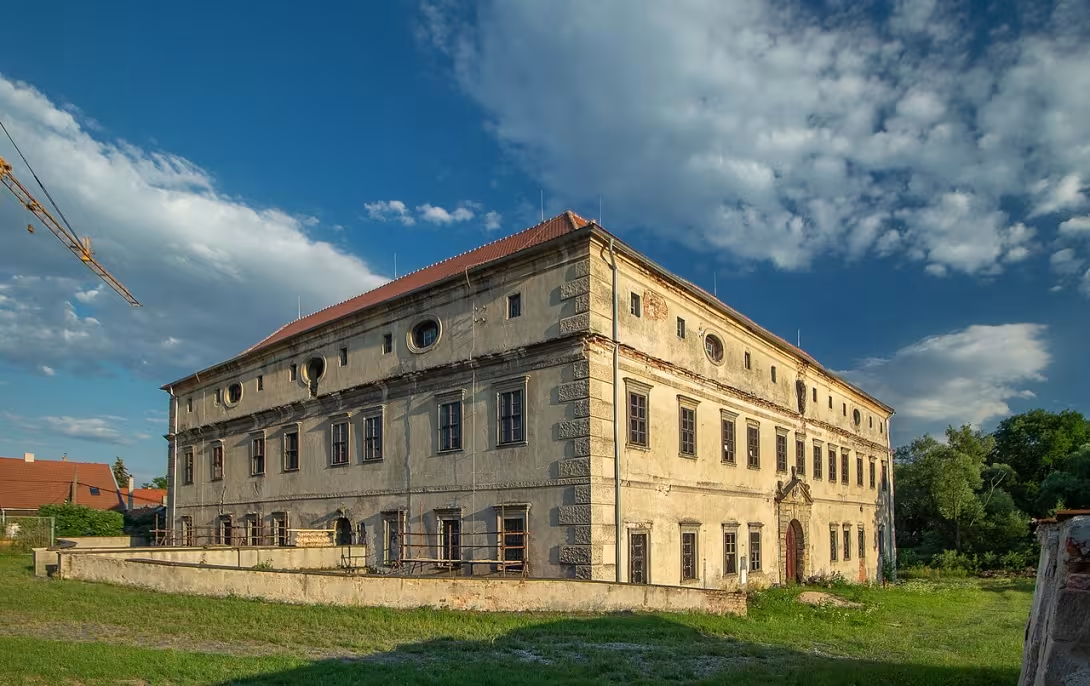
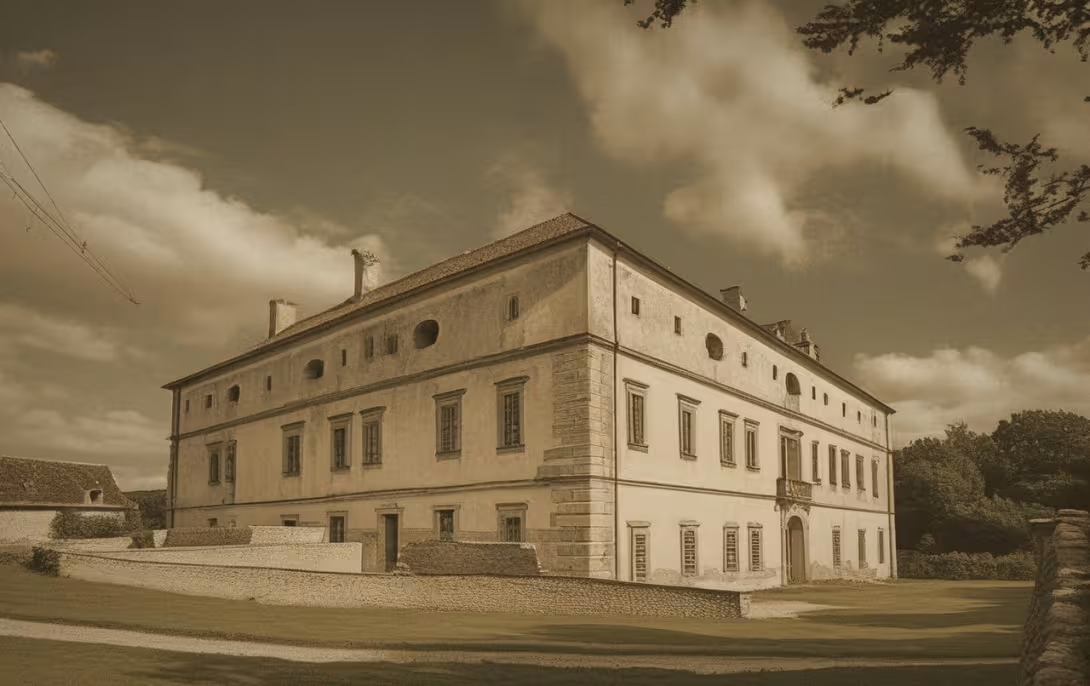
The historical appearance on the left is an AI-generated visualisation and serves as inspiration only.
Historical milestones
- 1505
- Documentation of a fortified settlement on the site of the future chateau.
- 17th century
- Establishment of Stvolínky Chateau in Baroque style.
- 1647
- Cardinal Arnošt Vojtěch Harrach purchased the estate for the Diocese of Litoměřice.
- 1655-1664
- Transformation of the chateau into Baroque style under Maxmilián Rudolf ze Schleinitz.
- 1911
- The chateau begins to serve as a children's sanatorium.
Architectural development
The chateau's architectural evolution began with its origins as a moated fortress in the early 16th century. It was later transformed into a Renaissance chateau and subsequently rebuilt in the Baroque style during the mid-17th century under the direction of Maxmilián Rudolf ze Schleinitz. The structure has seen various adaptations over time, including Rococo modifications in the late 18th century.
Historical events
1647: Purchased by Cardinal Arnošt Vojtěch Harrach for the planned bishopric of Litoměřice.
1655-1664: Transformed into a Baroque style by Maxmilián Rudolf ze Schleinitz, becoming a summer residence.
Owners
Vilém II. z Illburka (1505)
Anežka z Helfenštejna
Jindřich Kurcpach z Trachenburka
Adam Hrzán z Harasova (1608-1619)
Arnošt Vojtěch Harrach (1647)
Maxmilián Rudolf ze Schleinitz
Jaroslav Ignác ze Šternberka
Mořic Adolf Saský
Emanuel Arnošt z Valdštejna (18th century)
Emanuel Jan Křtitel Schöbel (late 19th century)
Points of interest
- Zámek Stvolínky was originally built on the site of a moated fortress from 1505, which belonged to Vilém II. z Illburka and was registered for his wife Anežka z Helfenštejna, marking it as one of the earliest documented fortifications in its location.
- The chateau underwent significant transformation between 1655 and 1664 when Maxmilián Rudolf ze Schleinitz converted the Renaissance structure into a Baroque style, reflecting broader European architectural trends of the time.
Guide
This guide is narrated by a synthetic voice generated by artificial intelligence.
Show guide text
This text was created by artificial intelligence and has not been editorially reviewed. It may contain inaccuracies.
Welcome to the historic Zámek Stvolínky, nestled in the picturesque village of Stvolínky within the Liberecký kraj region. As you stand before this architectural gem, take a moment to absorb its grandeur and imagine the centuries of history it has witnessed.
The origins of Zámek Stvolínky trace back to 1505 when a moated fortress was documented on this very site. This early fortification belonged to Vilém II. z Illburka and was registered for his wife, Anežka z Helfenštejna, marking it as one of the earliest known structures in the area. Over time, the need for modernization led to its transformation into a Renaissance chateau, which eventually gave way to the magnificent Baroque chateau you see today.
The 17th century saw the foundation of Zámek Stvolínky in its current form, marking a new chapter in its storied past. In 1647, Kardinál Arnošt Vojtěch Harrach acquired the estate for the Bishops of Litoměřice, setting the stage for further development. Between 1655 and 1664, Maxmilián Rudolf ze Schleinitz masterfully transformed the chateau into a Baroque masterpiece, enhancing its beauty and functionality.
As you explore the surroundings, take note of the architectural elegance that defines Zámek Stvolínky. The chateau's layout and design reflect its evolution through different eras, offering a glimpse into the past while maintaining an air of timeless sophistication.
Throughout its history, Zámek Stvolínky has been home to several notable figures who have left their mark on this place. Kardinál Arnošt Vojtěch Harrach's acquisition marked the beginning of its association with ecclesiastical leadership. Maxmilián Rudolf ze Schleinitz played a pivotal role in its Baroque transformation, while other historical personalities like Jaroslav Ignác ze Šternberka, Mořic Adolf Saský, Emanuel Arnošt z Valdštejna, and Emanuel Jan Křtitel Schöbel have all contributed to the chateau's rich narrative.
One intriguing aspect of Zámek Stvolínky is its transformation from a moated fortress to a Baroque chateau. This evolution not only highlights changes in architectural styles but also reflects broader historical shifts in power and culture during that period.
By 1911, the chateau began serving as a children's sanatorium, adding another layer to its multifaceted history. As you wander through this historic site, imagine the countless stories and lives intertwined with its walls.
We invite you to continue exploring Zámek Stvolínky at your own pace, discovering more about its fascinating past and unique charm. Thank you for joining us on this journey through time, and we hope you leave with a deeper appreciation for this remarkable piece of history.
Tips for visitors
The best time to visit Zámek Stvolínky is during late spring or early autumn, when the weather is pleasant for exploring both the chateau grounds and surrounding park. During these seasons, you can enjoy the blooming gardens around the chateau and the scenic views from Dubina hill without the discomfort of summer heat or winter cold. The lighting conditions are also ideal for photography, with softer light enhancing the architectural details of the early Baroque structure.
Parking is available near Zámek Stvolínky, making it convenient for visitors arriving by car. For those preferring public transport, there are options to reach the area via bus or train, though specific routes should be checked in advance using a transportation search tool. The chateau and its surroundings are easily accessible on foot from these points of arrival.
When planning your visit, consider bringing comfortable walking shoes as you'll likely explore both the chateau grounds and the nearby park. A camera is recommended to capture the picturesque views, especially at Dubina hill where the light accentuates the landscape beautifully. Additionally, carrying a picnic lunch can be a delightful way to enjoy the serene environment.
For photography enthusiasts, some of the best spots include the bridge crossing the old moat and the lookout point on Dubina hill. Early morning or late afternoon provides the most flattering natural lighting for capturing the chateau's architecture and surrounding landscapes. The Church of All Saints also offers a unique backdrop for photographs with its historical significance.
Nearby attractions within 30 minutes include the Church of All Saints, which is worth visiting for its architectural beauty and historical importance. Families can enjoy exploring the remnants of the old moat and the bridge, providing an interactive experience for children interested in history or architecture. The park surrounding the chateau offers a relaxing environment for picnics and leisurely walks.
Businesses nearby
Do you run a restaurant, accommodation, shop, museum, rental, wellness or other visitor service near this monument? Show yourself directly to the people heading to it — this is how they will see you in the app and on the web:
Events nearby
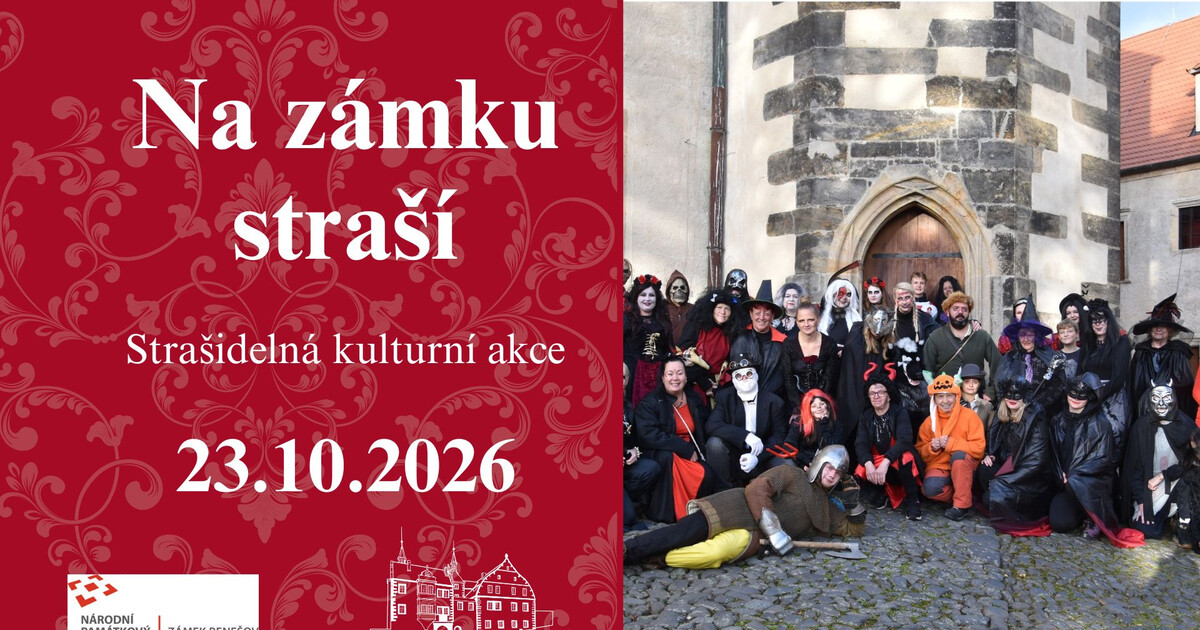
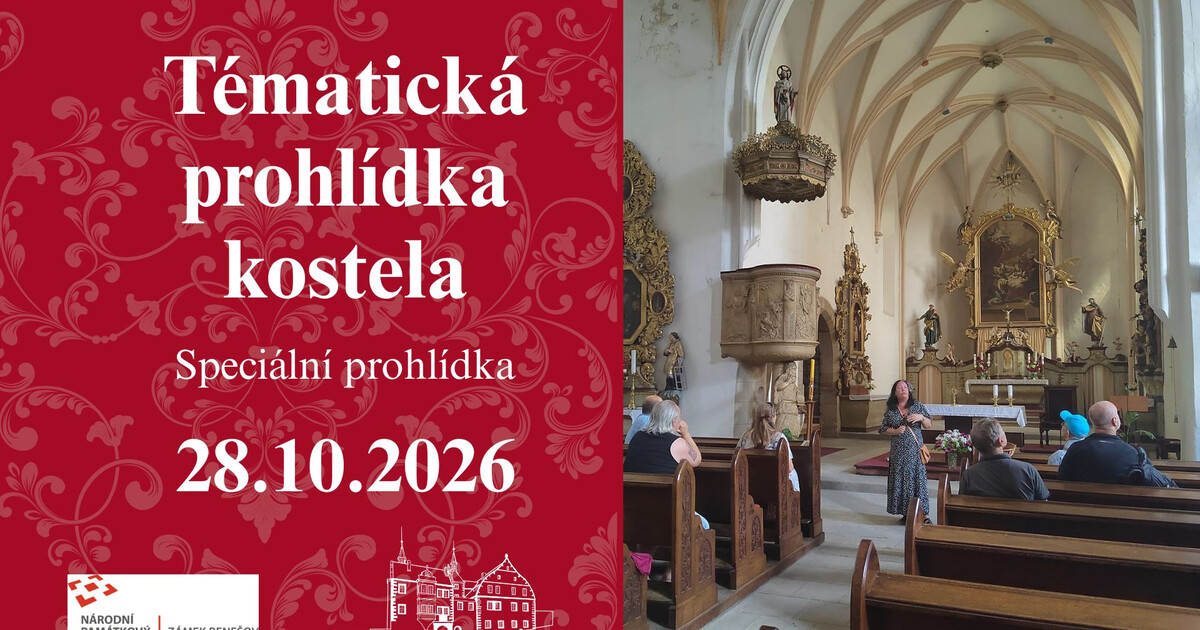
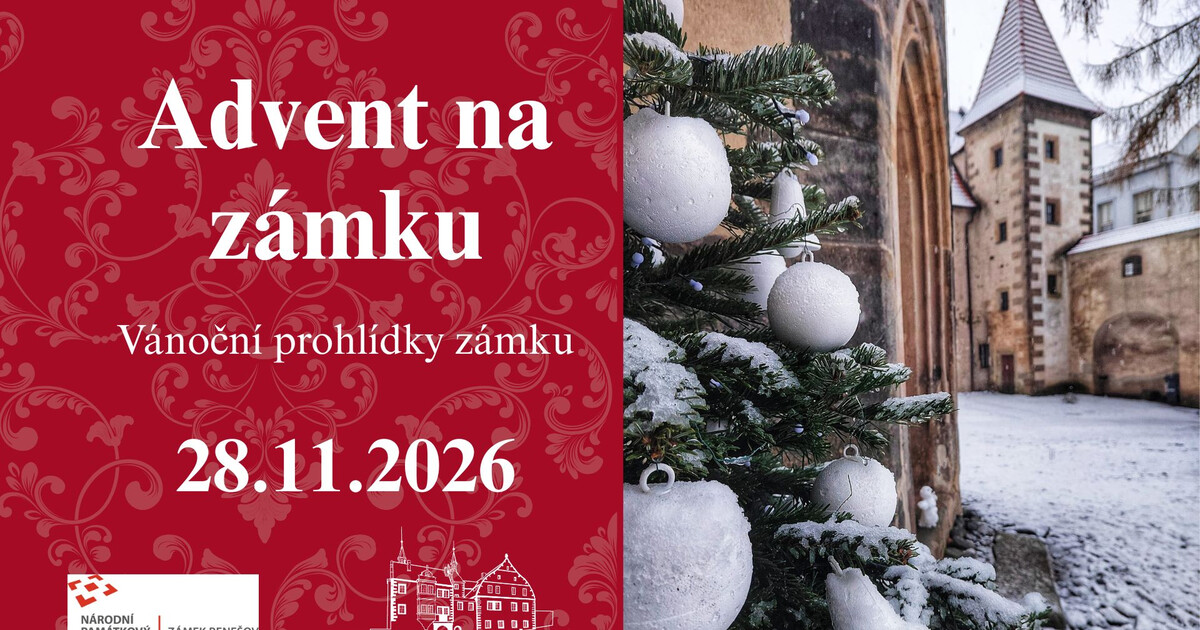
Zdroj akcí: otevřená data měst a obcí ČR (Národní katalog otevřených dat) a kalendář akcí Národního památkového ústavu.
Nearby
Surrounding Zámek Stvolínky is a park and the Church of All Saints. The area features remnants of an old moat and a bridge crossing it. Nearby, there's a lookout point on Dubina hill with Boží zahrada (Garden of God), adding to the scenic landscape.
Accommodation nearby
Trips and activities nearby
Guided tours, tickets and activities nearby from GetYourGuide
Affiliate link: if you buy from the partner, we may receive a commission. The price for you does not change.
Search tours and activities →Themed route
Zámek Stvolínky Thematic Tour
1. Zámek Stvolínky (Chateau) Begin your journey at the heart of this historic site, Zámek Stvolínky. This chateau is renowned for its stunning architecture and rich history, which dates back to the 13th century. Explore the beautifully preserved interiors that reflect various architectural styles through the ages, including Gothic, Renaissance, and Baroque elements.
2. Park around Zámek Stvolínky (Park) After exploring the chateau, take a leisurely walk in the park surrounding Zámek Stvolínky. This area offers a serene environment with lush greenery that complements the historical ambiance of the chateau. The park is perfect for relaxation and provides picturesque views that enhance your experience.
3. Church of All Saints (Church) A short walk from the chateau, visit the Church of All Saints. This church stands as a testament to the region's religious heritage with its beautiful architecture and historical significance. It offers an opportunity for reflection and appreciation of local artistry.
4. Dubina Hill Lookout Point (Lookout) Continue your exploration by heading to Dubina hill, where you'll find a lookout point offering breathtaking panoramic views of the surrounding landscape. The scenic spot is enhanced by Boží zahrada (Garden of God), providing a tranquil setting for contemplation and photography.
5. Remnants of Old Moat and Bridge (Historical Site) Conclude your tour with a visit to the remnants of the old moat and bridge. These historical features offer insight into the defensive strategies used in past centuries. Walking along this path allows you to imagine life during the times when these structures were actively part of the chateau's defenses.
This thematic tour provides a comprehensive experience, blending history, architecture, nature, and spirituality, all within the enchanting setting of Stvolínky.
Seasonal recommendations
Spring: Visiting the historic Stvolínky Chateau during spring offers a unique experience as nature awakens around its deteriorating walls. The chateau grounds are adorned with blooming flowers and lush greenery, creating a picturesque setting that enhances the site's romantic yet melancholic atmosphere. With longer daylight hours, visitors can enjoy extended exploration times, but it is advisable to check for any seasonal closures or maintenance work due to the chateau's poor condition. Comfortable walking shoes are recommended as paths may be uneven or muddy after rain showers common in this season.
Summer: Summer at Stvolínky Chateau provides an idyllic backdrop with warm sunshine casting dramatic shadows across its crumbling architecture, creating a captivating visual contrast. The lush foliage and vibrant flowers surrounding the chateau make it a popular destination for photographers and nature enthusiasts alike. However, due to increased visitor numbers during this peak season, arriving early is recommended to avoid crowds and fully appreciate the site's beauty. Light, breathable clothing and sun protection are essential, as well as staying hydrated while exploring.
Autumn: Autumn brings a magical transformation to Stvolínky Chateau with its rich tapestry of reds, oranges, and yellows enveloping the landscape. The cooler temperatures create a serene atmosphere perfect for leisurely strolls through the chateau grounds, where the changing leaves provide a stunning natural backdrop to the historic ruins. While visitor numbers tend to decrease compared to summer, it's still wise to plan your visit during weekdays to avoid smaller crowds. Layered clothing is advisable to accommodate fluctuating temperatures throughout the day.
Winter: Winter at Stvolínky Chateau offers a hauntingly beautiful experience as snow blankets its dilapidated structures, adding an ethereal quality to its already mysterious presence. The reduced daylight hours mean shorter visiting times, so it's best to arrive early in the day to make the most of your visit. The quiet and solitude of winter can provide a unique opportunity for reflection amidst the chateau’s silent ruins. Warm clothing, including thermal layers, gloves, and a hat, is essential due to the cold weather, along with sturdy boots for navigating potentially icy paths.
Visualizations and artistic views


The visualisations are generated by artificial intelligence and serve as inspiration.
Photos from the area
Real photos taken near the monument

Zdroj a licence jsou uvedeny u každého snímku.
Tips from visitors
No tips yet. Be the first!
Log in and add your tip.
Sources and literature
Fotografie: VitVit / CC BY-SA 4.0, rozlišení zvýšeno umělou inteligencí — Wikimedia Commons. The author and licence also appear when you hover over the image.
Faktickým podkladem tohoto textu byl článek na Wikipedii, jehož autory jsou přispěvatelé Wikipedie. Článek je dostupný pod licencí CC BY-SA 4.0.
Location on the map
Příběhy a pověsti
Legendy, pověsti a příběhy spjaté s touto památkou
Fotografie návštěvníků
Zatím žádné fotografie. Buďte první, kdo přidá fotografii z návštěvy!
Přihlaste se a přidejte svou fotografii nebo hodnoťte.
Za ověřenou návštěvu v aplikaci získáte víc bodů — poznáme podle GPS, že jste na místě.
Reviews and comments