



kostel Zvěstování Panny Marie (Heřmanův Městec) Church
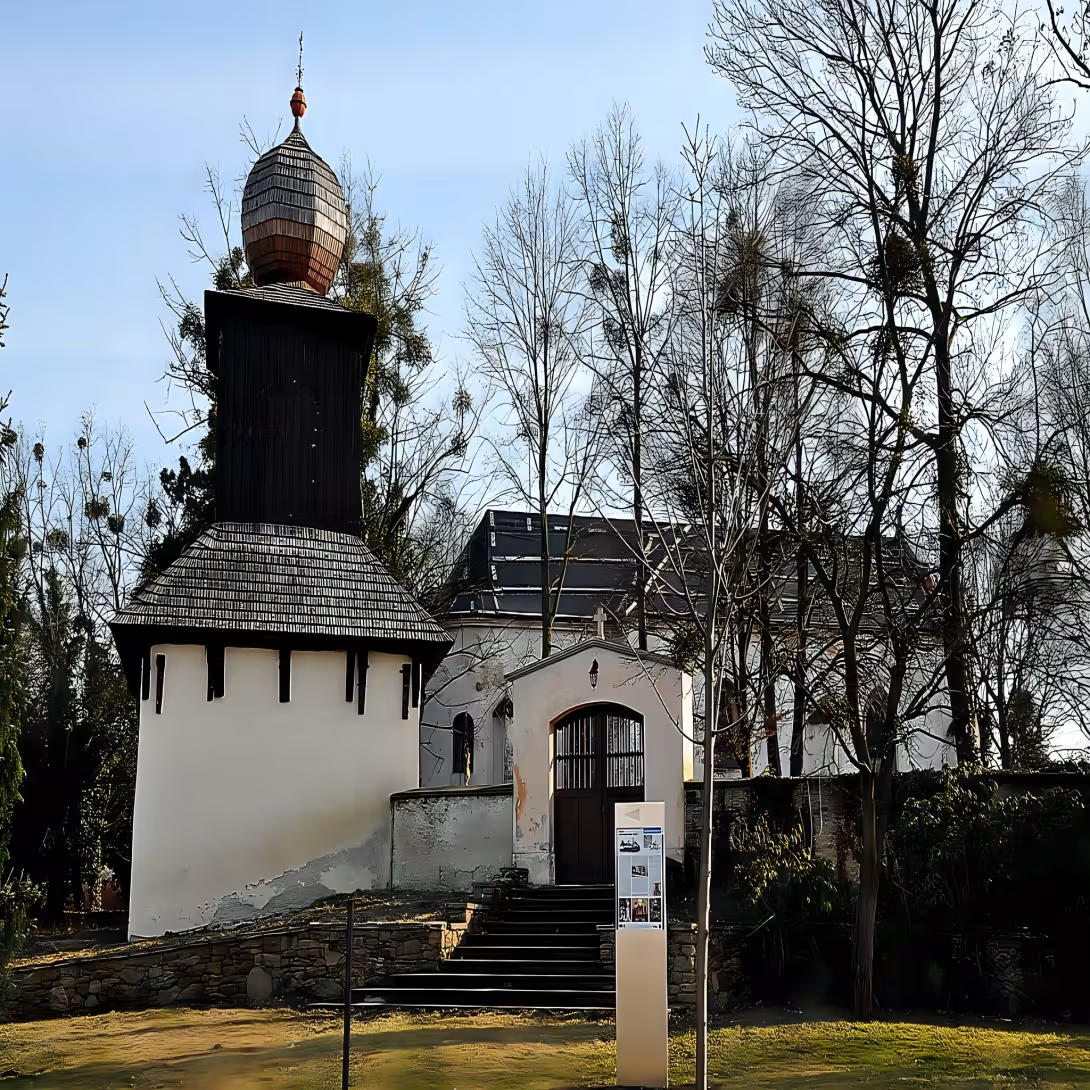
The Church of the Annunciation of the Virgin Mary in Heřmanův Městec is a Renaissance church that marks the transition from late Gothic to Renaissance architecture. Situated on a hill between Barákova and Pokorného streets, this historical monument has been protected since January 24, 1964, due to its cultural significance. Built in the first half of the 16th century, likely after 1538 under Zikmund Anděl z Ronovce's rule, it reflects Bohemia's architectural evolution during that era.
The church emerged from the Renaissance movement sweeping Europe, which revived interest in classical learning and arts. In the 16th century, Bohemia was part of the Holy Roman Empire, experiencing significant religious and cultural shifts due to the Protestant Reformation. This context influenced its architecture, blending late Gothic traditions with Renaissance innovations.
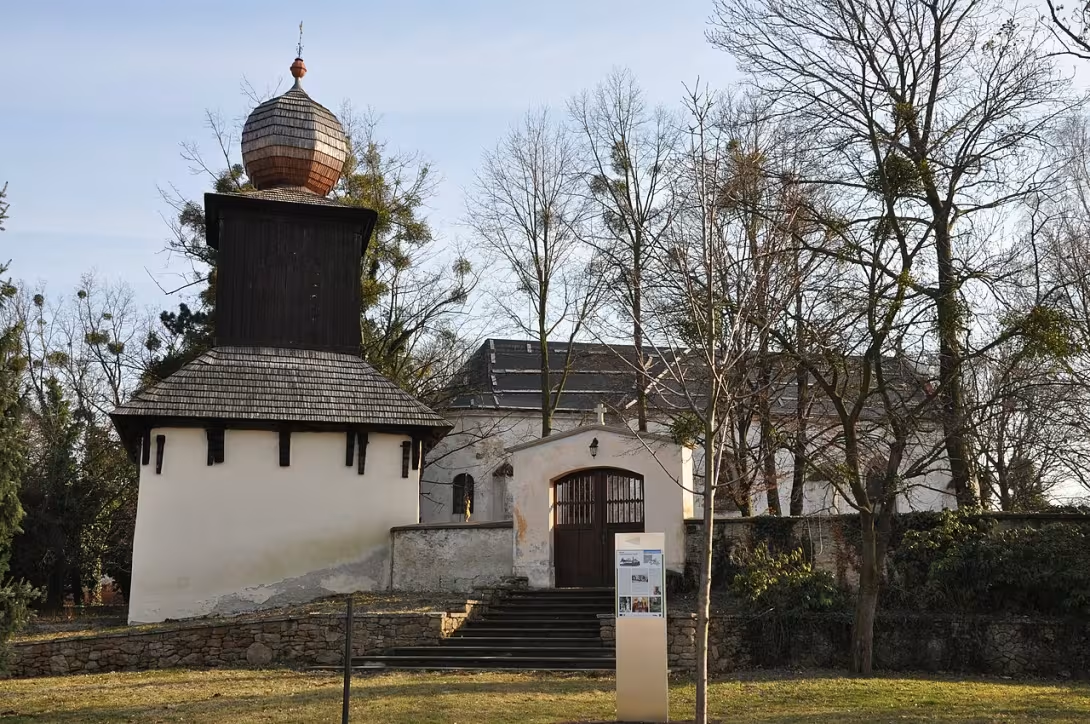
Architecturally, the church began as a short square nave with an attached rectangular presbytery from the mid-16th century. It featured typical late Gothic elements like its layout, vaulting, and portal torso. As tastes evolved, the nave was extended in the latter half of the 16th century to twice its original length, incorporating barrel vaulting with paired herringbone ribs. This extension also enlarged windows in both the nave and presbytery. In 1791, classicist elements were added: a sacristy, a two-pillared loft, and a new western gable. A significant addition was the baroque wooden bell tower built in 1711 by Jan Josef Špork. This polychrome tower, with its onion-shaped belfry covered in shingles, originally served as a mortuary before being adapted for its current purpose.
The church and its surroundings are notable for their architectural features and historical artifacts. Five tombstones are integrated into the facade, with the oldest dating back to 1582, depicting a praying woman. The bell tower also has an intriguing history; the original bell from 1614 was recast during World War II. Today, it holds a bell from 1775 that was relocated from its initial setting in the Chapel of the Holy Cross.
Today, the Church of the Annunciation remains a significant cultural monument, reflecting centuries of architectural and historical evolution. Visitors can explore not only the church but also the cemetery enclosed by a boundary wall featuring selected Empire and classicist tombstones, as well as a wrought-iron cross with scrolls on the grounds. The site's accessibility and rich history make it an attractive destination for those interested in Renaissance architecture and its development within Bohemia.
The Church of the Annunciation of the Virgin Mary stands as a remarkable example of architectural adaptation over time, embodying both historical significance and artistic beauty. Its preservation ensures that future generations can appreciate this unique blend of styles and history. Visitors are invited to explore this site, where they can immerse themselves in the rich tapestry of Bohemian heritage and witness firsthand the enduring legacy of Renaissance architecture.
Then and now
Drag the slider to compare how the landmark may have looked when it was built with the view today.
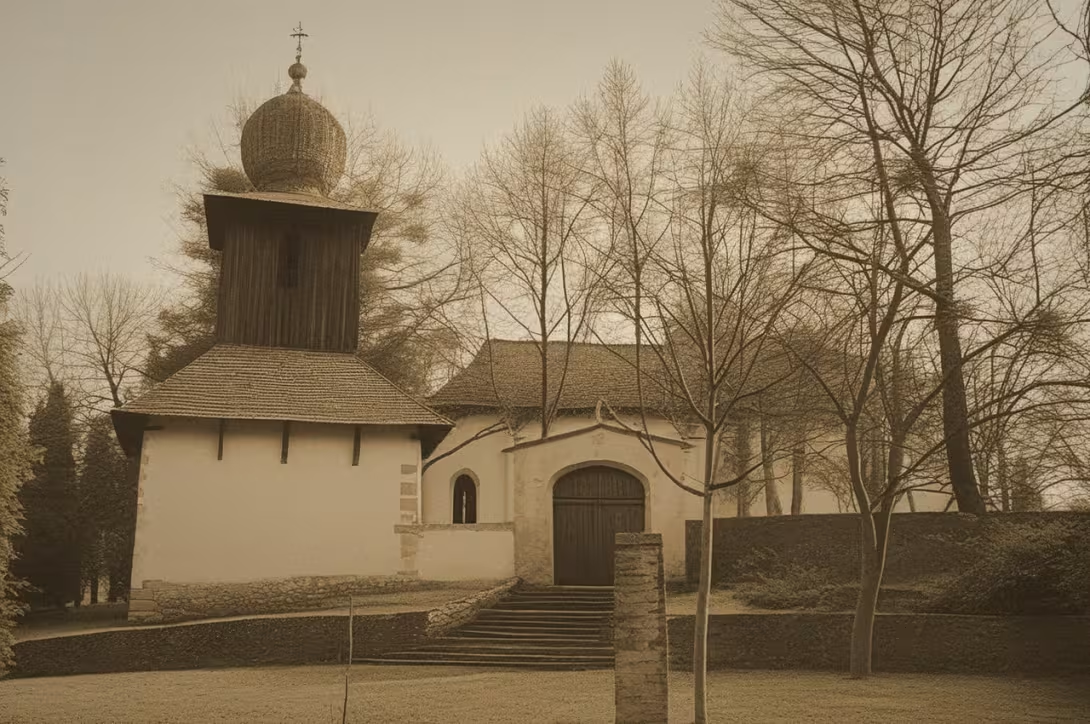
The historical appearance on the left is an AI-generated visualisation and serves as inspiration only.
Historical milestones
- kolem 1538
- Založení kostela Zvěstování Panny Marie
- první polovina 16. století
- Původní stavba s nádvořím a presbytářem
- druhá polovina 16. století
- Prodloužení nádvorí a rozšíření oken
- 1711
- Postavení barokního dřevěného věže
- 1791
- Přidání klasických prvků: sakristie, dvoupodlažní chórová galerie a nový západní štít
Architectural development
The original structure of the church featured a short square nave with an attached rectangular presbytery from the mid-16th century. The nave was later extended in the latter half of the century, featuring barrel vaulting and paired herringbone ribs. In 1791, classicist elements such as a sacristy were added, along with a new western gable. A baroque wooden bell tower was constructed in 1711 by Jan Josef Špork.
Historical events
Construction began in the first half of the 16th century, likely after 1538 under Zikmund Anděl z Ronovce's rule.
In 1791, a classicist sacristy and other elements were added to the church.
Points of interest
- The Church of the Annunciation's architectural evolution is marked by its transition from late Gothic to Renaissance styles, reflecting broader European cultural shifts during the 16th century.
- A unique feature of the church is its polychrome wooden bell tower with an onion-shaped belfry, originally built as a mortuary in 1711 and later adapted for housing bells, adding a distinctive baroque element to the structure.
- The original bell from 1614 was recast during World War II, but today, the church houses a bell from 1775 that was relocated from the Chapel of the Holy Cross, showcasing how historical artifacts within the site have been preserved and repurposed over time.
- Among the five tombstones integrated into the church's facade is one dating back to 1582, depicting a praying woman, offering a glimpse into the funerary art and customs of that era in Bohemia.
- The cemetery surrounding the Church of the Annunciation features selected Empire and classicist tombstones, along with a wrought-iron cross adorned with scrolls, highlighting the site's rich historical layers and its blend of architectural styles.
Guide
This guide is narrated by a synthetic voice generated by artificial intelligence.
Show guide text
This text was created by artificial intelligence and has not been editorially reviewed. It may contain inaccuracies.
The Renaissance Church of the Annunciation of the Virgin Mary stands on a hilltop between Barákova and Pokorného streets in Heřmanov Městec in the Chrudim district. It was built in the first half of the sixteenth century, probably after 1538, during the reign of Zikmund Anděl z Ronovce. The entire complex with the church, cemetery, and half-timbered bell tower has been protected as a cultural monument since January twenty-fourth, 1964.
The original church was small. It had a short square nave and an attached narrower rectangular presbytery. The core of the building dates from the second quarter of the sixteenth century. Despite being a Renaissance church, its layout, vaulting, and the preserved remnant of the portal still follow late Gothic style.
Still during the sixteenth century, the nave was extended westward, making it twice as long. It received a barrel vault with a pair of comb-like sections and the windows of both the nave and presbytery were enlarged. Another major transformation came in 1791. At that time, a classicist sacristy, a gallery on two pillars, and a new western gable were added. The last mentioned repairs took place in 1928.
Five tombstones are set into the church facade. The oldest of them dates from 1582 and depicts a praying woman. In the cemetery, which is surrounded by a boundary wall, three Empire and classicist tombstones and a wrought iron cross decorated with scrollwork are also protected as monuments.
A Baroque bell tower is built into the boundary wall. It was commissioned in 1711 by Jan Josef Špork. The lower part is built of brick and formerly served as a mortuary. Above it is a wooden story with a bell and the entire structure is topped by an onion dome covered with shingles. The original bell from 1614 was confiscated during the Second World War. Today, a bell from 1775 hangs in the bell tower, which was brought there from the Chapel of the Holy Cross.
Tips for visitors
The best time to visit the Church of the Annunciation of the Virgin Mary in Heřmanův Městec is during late spring or early autumn. During these seasons, the weather is typically mild and pleasant, making it ideal for exploring both the church and its surroundings. Additionally, visiting outside of peak tourist season can offer a more tranquil experience, allowing you to appreciate the architectural details without large crowds.
It's advisable to check a travel planner or local resources for current routes and schedules.
When planning your visit, consider bringing comfortable walking shoes as you may want to explore the area around the church. A camera is recommended to capture the stunning blend of late Gothic and Renaissance architecture. Additionally, carrying a light jacket can be useful if the weather changes unexpectedly during your visit.
Photography enthusiasts will find several spots within and around the church that offer great lighting, particularly in the early morning or late afternoon when natural light enhances the textures and colors of the building's façade. Inside, look for angles where sunlight filters through stained glass windows to create beautiful patterns on the floor.
For families with children, a visit to the Church of the Annunciation can be both educational and enjoyable. The church itself offers a glimpse into Renaissance architecture, which can spark interest in history and art. Nearby attractions within 30 minutes include the Museum of Heřmanův Městec, where interactive exhibits may engage younger visitors. Exploring these sites together can make for a memorable day out.
Frequently asked questions
Can the monument be visited?
Religious buildings are usually open mainly during services; at other times a visit is normally arranged with the parish or the operator. We have not verified specific times.
Where is the monument?
Location: Barákova, Heřmanův Městec, Pardubický kraj. The map on this page shows the exact spot.
Why is the monument protected?
It is listed in the Central List of Cultural Monuments of the Czech Republic as a cultural monument (register no. 26837/6-828).
Businesses nearby
Do you run a restaurant, accommodation, shop, museum, rental, wellness or other visitor service near this monument? Show yourself directly to the people heading to it — this is how they will see you in the app and on the web:
Accommodation nearby
Trips and activities nearby
Guided tours, tickets and activities nearby from GetYourGuide
Affiliate link: if you buy from the partner, we may receive a commission. The price for you does not change.
Search tours and activities →Themed route
Tematická výletní trasa: Kostel Zvěstování Panny Marie a okolí Heřmanův Městec
1. Kostel Zvěstování Panny Marie (Heřmanův Městec) - Hlavní cíl - Typ: Kostel - Proč stojí za návštěvu: Tento barokní kostel je nejvýraznějším architektonickým dílem v Heřmanově Městci, známý svou bohatou historií a krásnými interiéry. Navštívte jeho významné sakrální umění a prozkoumejte jeho vysokou varhanní galerii.
2. Stará radnice (Heřmanův Městec) - Typ: Historické budovy - Proč stojí za návštěvu: Tato historická budova, nacházející se v centru města, představuje klíčový prvek místní architektury. Její gotické prvky a barokní úpravy jsou svědectvím bohaté historie Heřmanova Městce.
3. Městská knihovna (Heřmanův Městec) - Typ: Kulturní instituce - Proč stojí za návštěvu: Tato knihovna nabízí nejen bohatou sbírku knih, ale také výstavy a akce zaměřené na místní historii a kulturu. Je ideálním místem pro ty, kteří chtějí hlouběji pochopit kulturní dědictví Heřmanova Městce.
4. Památník vítězům I. světové války (Heřmanův Městec) - Typ: Památník - Proč stojí za návštěvu: Tento památník je klíčovým místem pro pochopení historického významu regionu během první světové války. Poskytuje pohled na odvahu a oběti, které formovaly dnešní Heřmanův Městec.
Tato trasa nabízí kombinaci architektonických, historických a kulturních zážitků v centru Heřmanova Městce.
Seasonal recommendations
Spring: Visiting the Church of the Annunciation of the Virgin Mary during spring offers a unique experience as nature reawakens around Heřmanův Městec. The lush greenery and blooming flowers create a picturesque backdrop, enhancing the church's historic charm with vibrant colors and fresh scents. This season is ideal for capturing stunning photographs in natural light, which beautifully illuminates both the architecture and surrounding landscape. While spring can bring unpredictable weather, it's advisable to dress in layers to accommodate varying temperatures throughout the day. Early morning visits are recommended to avoid larger crowds as tourists flock to enjoy the pleasant weather.
Summer: Summer is a peak season for visiting historical sites like the Church of the Annunciation of the Virgin Mary due to its warm and inviting atmosphere. The long daylight hours provide ample time to explore, while the sun casts a golden hue over the church's stonework, highlighting intricate details. However, this popularity also means larger crowds, so arriving early in the morning or later in the afternoon can offer a more tranquil experience. Comfortable walking shoes and light clothing are essential for navigating the area comfortably, along with staying hydrated as you explore.
Autumn: Autumn brings a serene atmosphere to Heřmanův Městec, with the Church of the Annunciation of the Virgin Mary framed by fiery foliage that transforms the landscape into an autumnal tapestry. The cooler temperatures and softer light create a cozy ambiance perfect for leisurely strolls around the church grounds. This season is less crowded than summer, allowing visitors to appreciate the site's tranquility. Wearing layers is advisable as temperatures can fluctuate, and carrying a light jacket or sweater will ensure comfort during your visit.
Winter: The Church of the Annunciation of the Virgin Mary takes on a magical quality in winter when snow blankets Heřmanův Městec, creating a picturesque setting that enhances its historic appeal. Icy paths and frost-covered trees offer a unique perspective, while the shorter daylight hours mean visits are best planned for midday to maximize natural light. Winter can also bring unpredictable weather conditions, so dressing warmly in layers is crucial.
Visualizations and artistic views


The visualisations are generated by artificial intelligence and serve as inspiration.
Photos from the area
Real photos taken near the monument


Zdroj a licence jsou uvedeny u každého snímku.
Tips from visitors
No tips yet. Be the first!
Log in and add your tip.
Sources and literature
Photos: Ben Skála / CC BY-SA 3.0, rozlišení zvýšeno umělou inteligencí — Wikimedia Commons. The author and licence also appear when you hover over the image.
Faktickým podkladem tohoto textu byl článek na Wikipedii, jehož autory jsou přispěvatelé Wikipedie. Článek je dostupný pod licencí CC BY-SA 4.0.
Location on the map

Příběhy a pověsti
Legendy, pověsti a příběhy spjaté s touto památkou
Fotografie návštěvníků
Zatím žádné fotografie. Buďte první, kdo přidá fotografii z návštěvy!
Log in a přidejte svou fotografii nebo hodnoťte.
Za ověřenou návštěvu v aplikaci získáte víc bodů — poznáme podle GPS, že jste na místě.
Reviews and comments