






Kostel Zvěstování Panny Marie v Litoměřicích Church
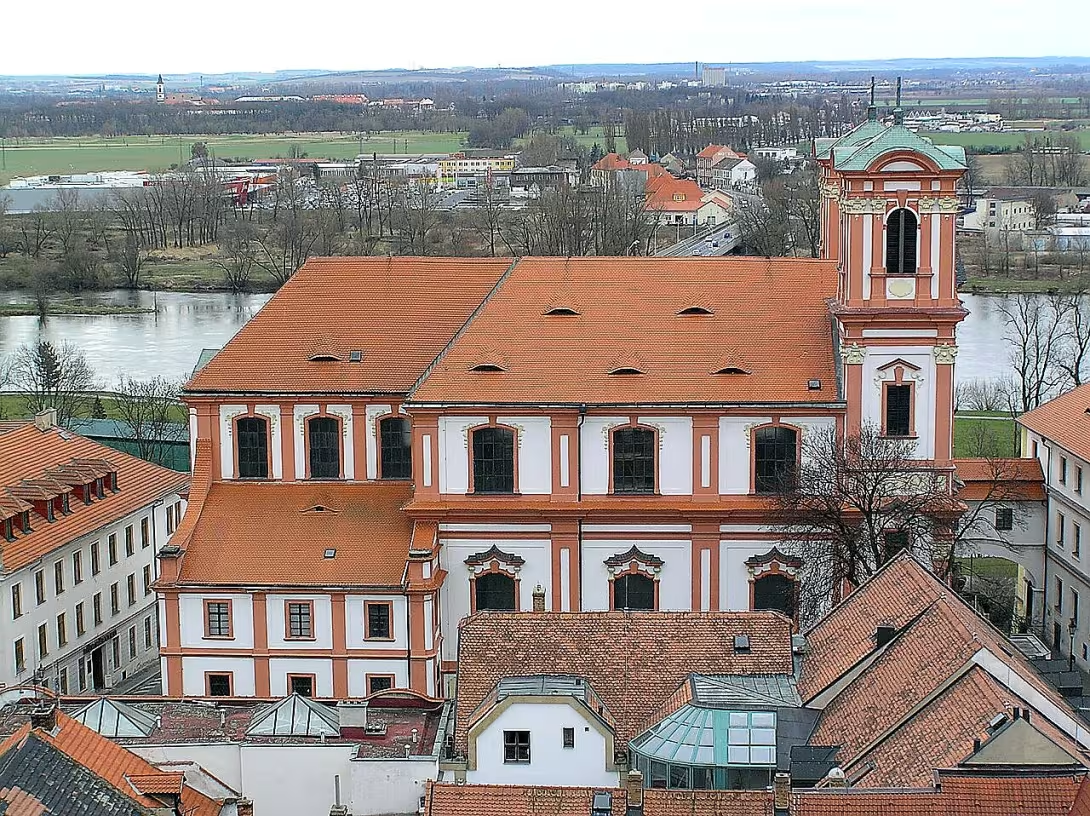
The Church of the Annunciation of the Virgin Mary in Litoměřice is an important Baroque church and cultural monument. Situated near Tyršův Bridge, it was built between 1701 and 1731 for the Jesuit order by architect Octavius Broggia. Its two prominent towers make it easily visible upon entering Litoměřice, highlighting its historical and architectural significance.
Constructed during a time when Bohemia was part of the Habsburg Monarchy, this period saw significant cultural development under Catholic patronage. The flourishing arts influenced architecture and art across Europe, with the Church of the Annunciation being a prime example. Designed by Octavius Broggia, its robust structure features two towers at the façade, embodying Baroque grandeur.
Inside, the church boasts monumental frescoes attributed to artists like Josef Kramolín, Adam Lauterer, and Jan Hiebel. These artistic elements highlight the rich cultural heritage within the church's walls. Over time, the building underwent various transformations reflecting broader historical changes. After the Jesuits were suppressed in 1773 by Emperor Joseph II, it served as a brewery storage facility. In 1818, it was reconsecrated for religious use following its conversion to a seminary.
Ownership and administration of the church have seen dramatic shifts throughout history. Initially owned by the Jesuit order until their dissolution in 1773, the building later transitioned through various secular uses before being returned to cultural purposes in 1992. During this period, it served as storage and workshop for the Litoměřická Severočeská gallery from 1965 to 1975.
The church also housed an organ built in 1859 by Josef Prediger, which was later moved elsewhere. This historical artifact adds to the rich tapestry of events associated with the site. In recent years, it has been used for cultural activities, hosting international art symposia organized by the Severočeská galerie výtvarného umění and the Symposion Foundation.
Today, the church remains an accessible monument that continues to attract visitors interested in its architectural beauty and historical significance. Its preservation as a cultural landmark ensures it retains its place as a testament to Baroque artistry and religious history. Visitors are invited to explore this remarkable site, where they can appreciate both its artistic treasures and storied past.
Then and now
Drag the slider to compare how the landmark may have looked when it was built with the view today.
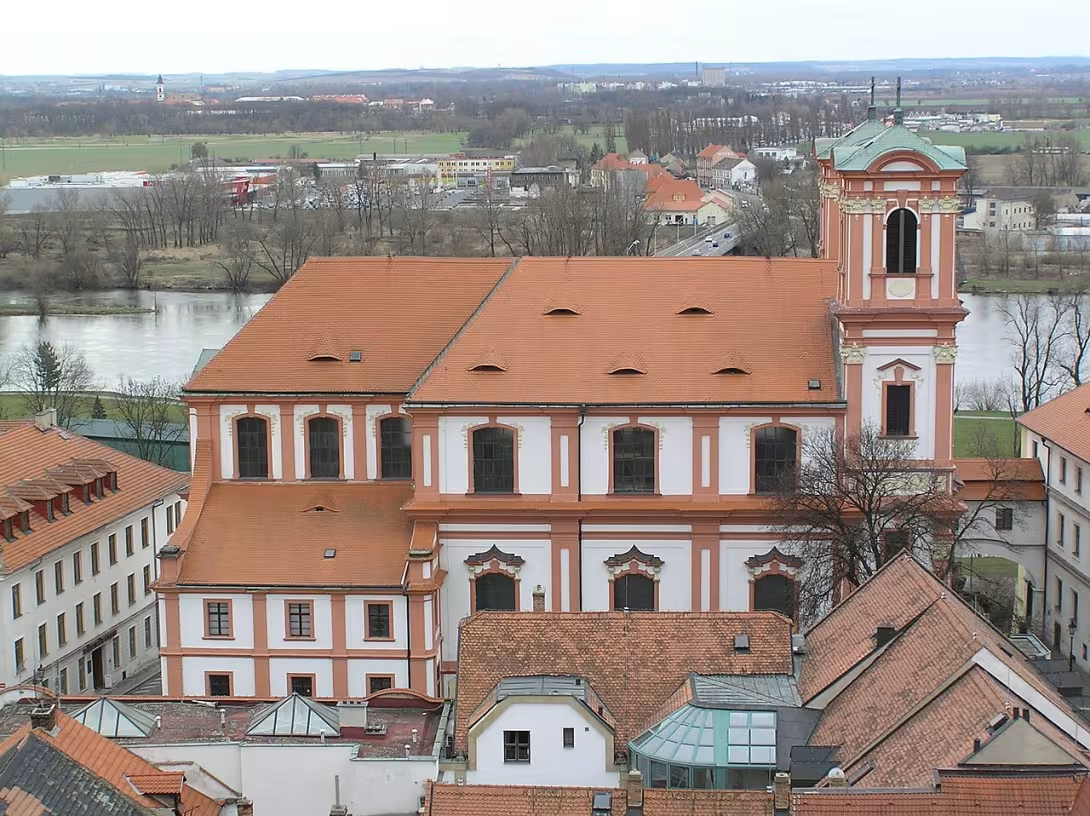
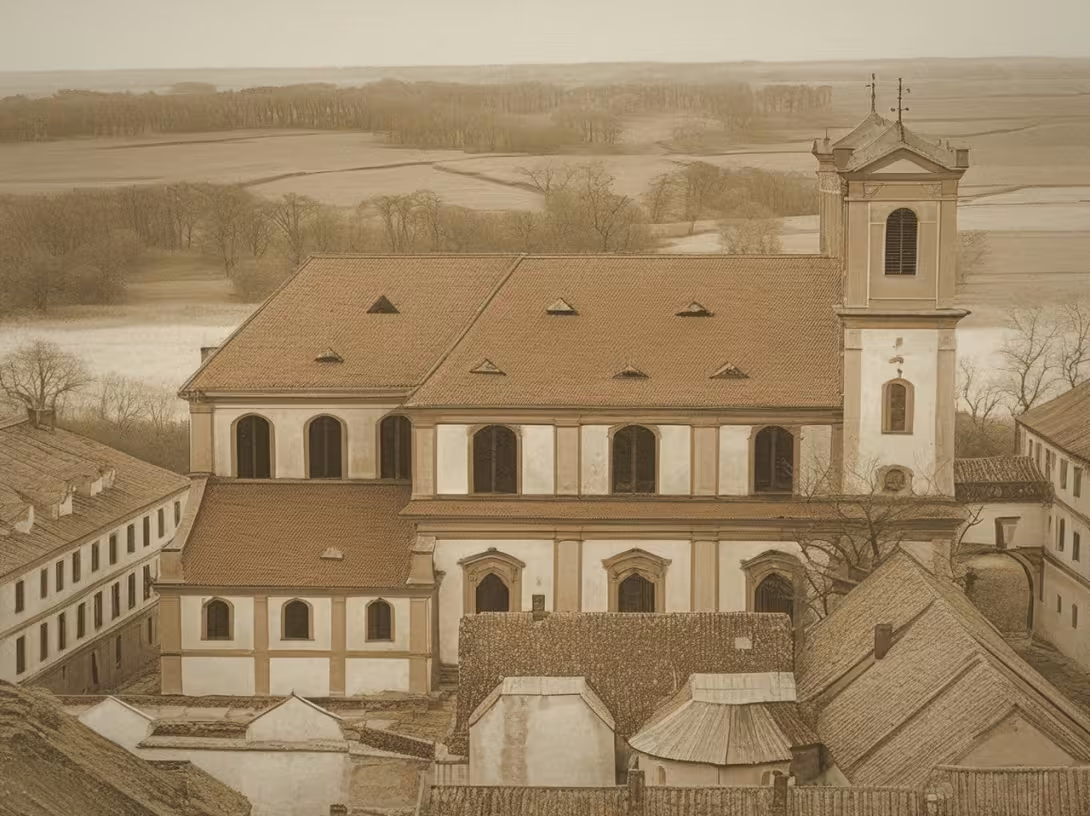
The historical appearance on the left is an AI-generated visualisation and serves as inspiration only.
Historical milestones
- 1701
- Construction of the church began.
- 1731
- Completion of the church's construction.
- 1773
- The Jesuit order was dissolved, and the church's use changed.
- 1818
- The church was reconsecrated after being used as a seminary.
Architectural development
The Church of the Annunciation is a robust Baroque structure with two towers at the façade. Its interior boasts significant frescoes by notable artists. Over time, it underwent various transformations in function and restoration efforts to preserve its architectural integrity.
Historical events
The church was completed between 1701 and 1731 as a Jesuit church.
After the suppression of the Jesuits in 1773, it served as a brewery storage facility.
In 1818, following its conversion to a seminary, the church was reconsecrated for religious use.
Owners
Originally owned by the Jesuit order until its dissolution in 1773; subsequently used for various secular purposes before being returned to cultural use in 1992.
Points of interest
- The Church of the Annunciation was originally built for the Jesuit order but later served as a brewery storage facility after their suppression in 1773. - This Baroque church features an organ constructed in 1859 by Josef Prediger, which has since been relocated to another site. - Between 1965 and 1975, the building functioned as both storage space and workshops for the Litoměřická Severočeská gallery. - The church was reconsecrated for religious use in 1818 after being converted into a seminary following its secular uses post-Jesuit era.
Guide
This guide is narrated by a synthetic voice generated by artificial intelligence.
Show guide text
This text was created by artificial intelligence and has not been editorially reviewed. It may contain inaccuracies.
Welcome to the historic Church of the Annunciation of the Virgin Mary in Litoměřice! As you stand here on this picturesque street leading from Tyršův Bridge, take a moment to absorb the grandeur before you. The church's two prominent towers rise majestically above the skyline—a testament to its Baroque splendor and an unmistakable landmark as you enter the city.
Let’s delve into its origins. Construction of this remarkable structure began in 1701, commissioned by the Jesuit order during a time when Baroque architecture was flourishing across Europe. The church's design is attributed to the talented architect Octavius Broggia, who envisioned a space that would not only serve religious purposes but also stand as an architectural gem. By 1731, this vision had been realized with the completion of the church.
As you gaze upon the façade, notice how it harmoniously blends into its surroundings while standing out with its ornate details. The Baroque style is evident in the intricate carvings and stonework, inviting you to explore further. Step inside, and you'll be greeted by an interior rich with history and artistry.
The church's journey through time has seen it adapt to changing roles—most notably after 1773 when the Jesuit order was dissolved. This pivotal moment in history led to a transformation of its use, reflecting broader shifts within society. By 1818, the building had been reconsecrated, serving new purposes while still retaining its spiritual essence.
Among the treasures housed here is an organ that once resonated with music crafted by Josef Prediger in 1859. Although it has since found a home elsewhere, its legacy continues to echo through these walls. As you wander through the nave and side chapels, imagine the rich sounds that would have filled this space during services and concerts.
A curious chapter in the church’s history is its time as a brewery storage facility after 1773, showcasing how it adapted to the needs of the community. This period highlights the building's resilience and versatility, traits that continue to define it today.
As you conclude your visit, we invite you to linger a moment longer, reflecting on this remarkable journey through time. The Church of the Annunciation is more than just an architectural marvel; it’s a living narrative woven into the fabric of Litoměřice's history. We hope you enjoyed exploring its stories and details. Thank you for joining us today, and may your next adventure be just as enlightening!
Tips for visitors
The best time to visit the Church of the Annunciation of the Virgin Mary is during late spring or early autumn when the weather is mild, making it ideal for exploring both the church and its surroundings. These seasons offer pleasant temperatures that enhance your experience as you walk around Mírové náměstí and enjoy the natural landscapes nearby. Additionally, visiting outside of peak tourist season can help avoid crowds, allowing for a more intimate exploration of this Baroque masterpiece.
Parking near the church is limited, so it's advisable to use public transportation or park in areas slightly further away and walk. The Church is accessible by bus, with several lines stopping close to Litoměřice-Město. For those driving, consider parking at a nearby larger lot and walking to the church via Tyršův Bridge. Always check for the latest transport options online before your visit.
When visiting the church, it's wise to bring comfortable walking shoes as you'll likely explore the surrounding area of Mírové náměstí and the Church of All Saints. A camera is recommended to capture the stunning architecture and details of the Baroque design. Additionally, consider bringing a light jacket or sweater, especially if visiting in spring or autumn, as temperatures can vary throughout the day.
For photography enthusiasts, early morning or late afternoon are the best times for lighting, casting soft shadows that highlight the intricate architectural features of the church. The front facade and interior offer excellent opportunities for capturing the Baroque style. Be mindful of any restrictions on flash photography inside the church to preserve its artwork.
Nearby attractions within a 30-minute walk include the Church of All Saints, which offers another glimpse into Litoměřice's rich architectural heritage. Exploring Mírové náměstí provides insight into local history and culture, with various historical buildings surrounding it. These sites complement your visit to the Church of the Annunciation by offering a broader understanding of the area’s cultural landscape.
For families with children, Litoměřice offers several activities that can make the trip enjoyable for all ages. After exploring the church, consider visiting local parks or engaging in a leisurely walk along the Elbe River to enjoy the natural scenery. The city's historical sites provide educational opportunities, and interactive experiences at nearby museums may also be of interest.
Businesses nearby
Do you run a restaurant, accommodation, shop, museum, rental, wellness or other visitor service near this monument? Show yourself directly to the people heading to it — this is how they will see you in the app and on the web:
Events nearby





Zdroj akcí: otevřená data měst a obcí ČR (Národní katalog otevřených dat) a kalendář akcí Národního památkového ústavu.
Nearby
Located near Tyršův Bridge in Litoměřice, the church is close to Mírové náměstí and the Church of All Saints. The area features a mix of historical buildings and natural landscapes.
Accommodation nearby
Trips and activities nearby
Guided tours, tickets and activities nearby from GetYourGuide
Affiliate link: if you buy from the partner, we may receive a commission. The price for you does not change.
Search tours and activities →Themed route
Tematická výletní trasa: Historické Litoměřice
1. Kostel Zvěstování Panny Marie - *Typ:* Kostel - *Proč stojí za návštěvu:* Tento barokní kostel, nacházející se poblíž Tyršůvho mostu, je známý svou architektonickou krásou a bohatou historií. Je ideálním místem pro ty, kteří mají zájem o náboženské památky a barokní umění.
2. Mírové náměstí - *Typ:* Náměstí - *Proč stojí za návštěvu:* Nacházející se v blízkosti kostela, Mírové náměstí je centrem města s historickými budovami a pohodlnou atmosférou. Je skvělým místem pro relaxaci a prohlédnutí si architektonických detailů okolních budov.
3. Kostel Všech Svatých - *Typ:* Kostel - *Proč stojí za návštěvu:* Tento kostel, nacházející se nedaleko Mírového náměstí, je další významnou historickou památkou v Litoměřicích. Jeho gotická architektura a duchovní atmosféra přitahují mnoho návštěvníků.
Tato trasa nabízí pohled na klíčové historické a kulturní místa v Litoměřicích, idealizovaná pro ty, kteří chtějí prozkoumat městskou minulost a současnost.
Seasonal recommendations
Jaro: In the spring season, Kostel Zvěstování Panny Marie in Litoměřice offers a special atmosphere where new life emerges in the vineyards and nature blooms around. Sunny days provide ideal conditions for photographing the church with its green enclosure that is starting to turn color. Visitors can enjoy mild temperatures and occasional rain showers, which further adorn the surrounding landscape. Spring is an ideal time to visit with fewer crowds than during the main summer season, allowing for a more relaxed exploration of the church. Recommended attire should include layers to accommodate quick weather changes.
Léto: Summer in Litoměřice offers warm sunny days and long evenings that provide ideal conditions for visiting the church. During this period, nature's openness is special, with full blooms and fresh foliage in the surrounding parks. Despite its appeal, the church can be a popular tourist destination, resulting in higher visitor numbers especially around midday. It is recommended to arrive early in the morning or later in the afternoon to avoid crowds. Wearing cotton sweaters and sunglasses for protection against strong sunlight is advised.
Podzim: Autumn offers Kostel Zvěstování Panny Marie in Litoměřice a melancholic beauty as tree leaves transform into vibrant colors. The atmosphere is calm and mild, with occasional rain showers that further adorn the landscape. This time of year can be ideal for those seeking quiet moments without excessive crowds, allowing you to enjoy the church and its surroundings peacefully. Visitors should wear warm clothing such as fur coats or parkas to accommodate cooler and damp autumn days.
Zima: A winter visit to Kostel Zvěstování Panny Marie offers unique views with the church adorned in snow and illuminated by city lights. The atmosphere is calm and quiet, with cold air bringing a sense of peace. Despite its beautiful setting, opening hours are usually shorter due to winter conditions. Visitors should be well-prepared for the cold with warm coats, leather gloves, and eye protection such as hats or scarves. It is recommended to visit the church in early afternoon to enjoy brighter light before closing time.
Visualizations and artistic views


The visualisations are generated by artificial intelligence and serve as inspiration.
Photos from the area
Real photos taken near the monument

Zdroj a licence jsou uvedeny u každého snímku.
Tips from visitors
No tips yet. Be the first!
Log in and add your tip.
Sources and literature
Fotografie: H2k4 / CC BY-SA 3.0 — Wikimedia Commons. The author and licence also appear when you hover over the image.
Faktickým podkladem tohoto textu byl článek na Wikipedii, jehož autory jsou přispěvatelé Wikipedie. Článek je dostupný pod licencí CC BY-SA 4.0.
Location on the map
More monuments – Litoměřice-Město
Show all in the municipality


Příběhy a pověsti
Legendy, pověsti a příběhy spjaté s touto památkou

Fotografie návštěvníků
Zatím žádné fotografie. Buďte první, kdo přidá fotografii z návštěvy!
Přihlaste se a přidejte svou fotografii nebo hodnoťte.
Za ověřenou návštěvu v aplikaci získáte víc bodů — poznáme podle GPS, že jste na místě.
Reviews and comments