






Kounicovy koleje Building complex
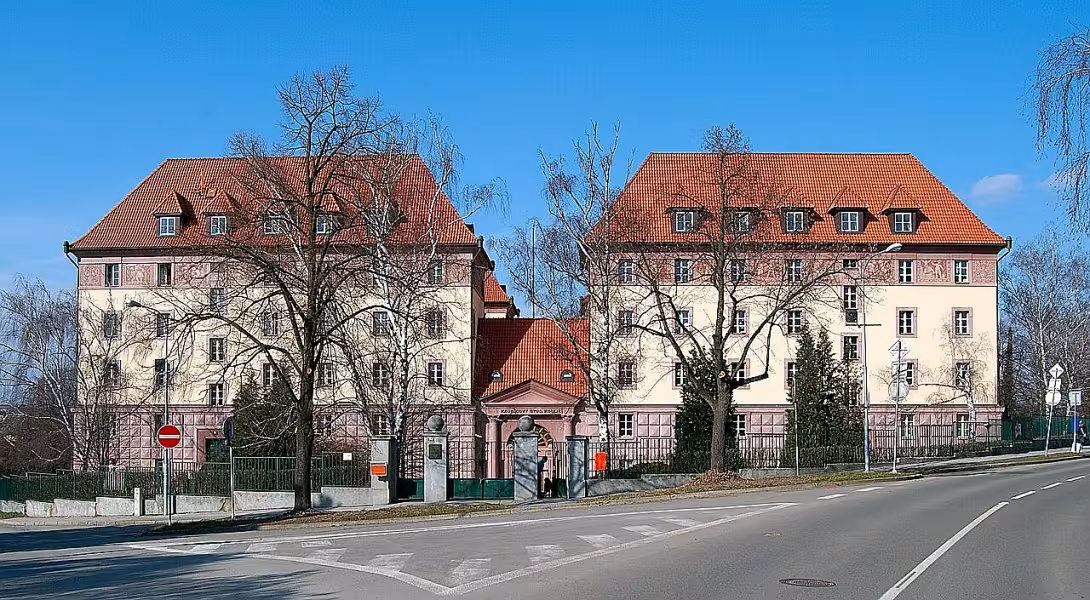
The Kounicovy Studentské Koleje in Žabovřesky near Brno is a significant cultural monument of the Czech Republic with a rich historical narrative. Originally constructed in 1922 as student housing, this complex has undergone numerous transformations. Designed by architect Karel Hugo Kepka and built by Václav Nekvasil, it initially accommodated students until World War II when it was repurposed into a prison and execution site. Today, the Veterinary University of Brno owns the complex.
The origins of Kounicovy Studentské Koleje are deeply rooted in Czechoslovakia's national awakening during the early 20th century. Václav Robert Kounic, a prominent Czech patriot, donated his palace and founded a foundation for student housing in 1908. Despite initial resistance from German communities in Brno against establishing a Czech university, construction proceeded following Czechoslovakia's independence after World War I.
Architecturally, the complex reflects early 20th-century styles suitable for student housing. Karel Hugo Kepka's design and Václav Nekvasil's construction resulted in a functional yet aesthetically pleasing structure completed between 1922 and 1923, enhancing Brno's urban landscape.
Ownership and administration of the Kounicovy Studentské Koleje have changed significantly over time. Initially under Czechoslovakia from its completion in 1923 until 1999, it transitioned to the Veterinary University of Brno thereafter, marking a new chapter as it returned to educational purposes.
The history of the complex is marred by dark chapters during World War II when it served as a prison and execution site from 1940 to 1945. Many Czech patriots, resistance fighters, and academics were detained here before being deported or executed. Public executions took place in the courtyard, witnessed by local residents, adding a grim layer to its history.
Today, the Kounicovy Studentské Koleje are part of the Veterinary University of Brno's campus, continuing their legacy of education and learning. The complex remains an important historical site offering insights into early 20th-century architectural styles and Czechoslovakia's turbulent World War II history. Visitors can explore this monument to appreciate its historical significance and reflect on the resilience of those who lived through challenging times.
The Kounicovy Studentské Koleje are a testament to early 20th-century Czechoslovakian educational aspirations and a reminder of darker historical periods. This site invites visitors to explore its rich past, understand its architectural beauty, and appreciate its role in shaping modern education in Brno.
Then and now
Drag the slider to compare how the landmark may have looked when it was built with the view today.
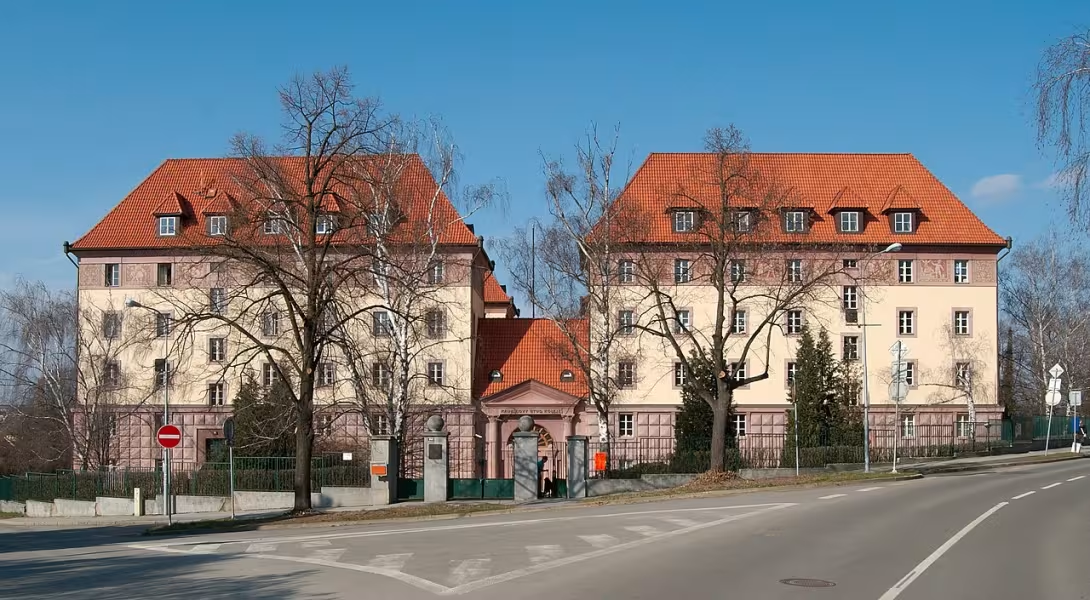
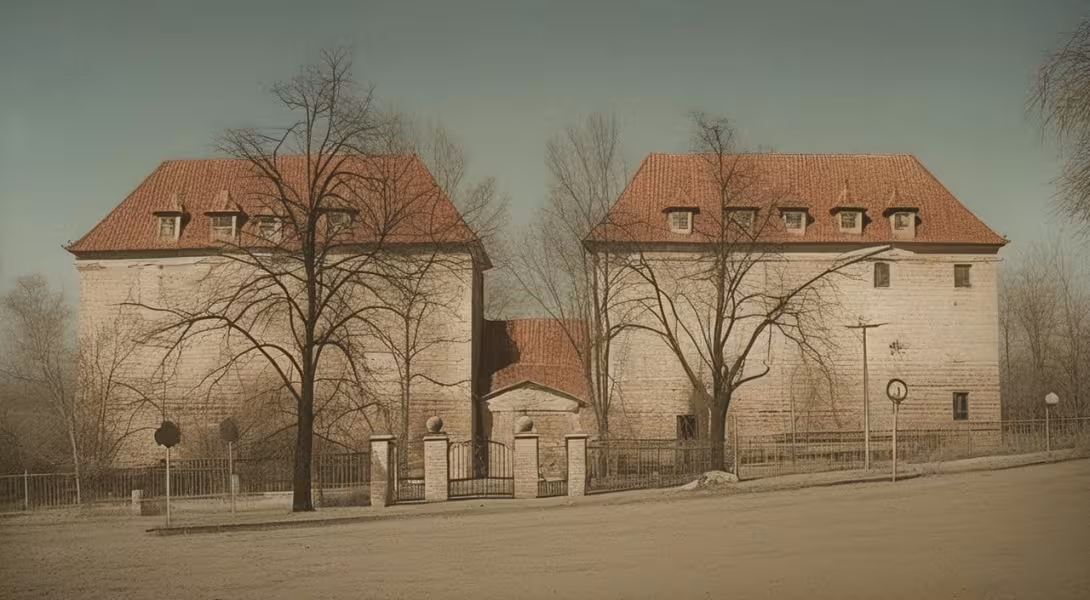
The historical appearance on the left is an AI-generated visualisation and serves as inspiration only.
Historical milestones
- 1923
- First students moved into the Kaunicovy studentské koleje.
- 1939
- The complex was seized by Gestapo and SS units.
- 1945
- Post-war use as a prison for collaborators and Nazis.
Architectural development
The Kaunicovy studentské koleje were constructed between 1922 and 1923 following the design of Karel Hugo Kepka. The complex was built by Václav Nekvasil, reflecting early 20th-century architectural styles suitable for student housing.
Historical events
Construction completed in 1923, serving as student housing.
Used as a prison and execution site during World War II from 1940 to 1945.
Owners
Václav Robert Kounic and Josefína Kounicová (1908)
Czechoslovakia (1922-1999)
Veterinární univerzita Brno (since 1999)
Points of interest
- Despite its grim history during World War II, the Kounicovy Studentské Koleje have been restored and are now used for educational purposes by the Veterinary University of Brno, symbolizing resilience and transformation.
- The complex was originally designed to house students from a foundation established in 1908 by Václav Robert Kounic, who donated his palace to support Czech student housing amidst resistance from German communities in Brno.
- Architecturally, the Kounicovy Studentské Koleje are notable for their early 20th-century design, reflecting both functional and aesthetic considerations of that era, which contributed significantly to Brno's urban landscape when completed between 1922 and 1923.
- The site has witnessed a dramatic shift in function over the decades, transitioning from student housing to a prison and execution site during World War II, before returning to its educational roots post-war.
- Public executions conducted in the courtyard of Kounicovy Studentské Koleje during World War II were witnessed by local residents, adding a poignant chapter to the complex's history that serves as a reminder of the region's turbulent past.
Guide
This guide is narrated by a synthetic voice generated by artificial intelligence.
Show guide text
This text was created by artificial intelligence and has not been editorially reviewed. It may contain inaccuracies.
Welcome to the historic site of Kounicovy koleje in Žabovřesky, an architectural gem nestled near Brno in the Jihomoravský kraj. As you stand here, imagine yourself stepping back into a world that blends history with modern educational pursuits.
The origins of this remarkable complex date back to 1922 when it was designed by architect Karel Hugo Kepka and constructed under the guidance of Václav Nekvasil. Initially built as student housing, these buildings were an embodiment of hope for many young scholars eager to pursue their studies in a supportive environment.
As you take in the surroundings, notice the thoughtful design that reflects both functionality and aesthetic appeal. The architecture speaks volumes about its era—characterized by clean lines and a sense of order that was typical of early 20th-century educational buildings. While specifics like ornate details aren't highlighted here, the overall structure exudes an air of resilience and timelessness.
The history of Kounicovy koleje is as rich as it is varied. In 1923, the first students moved in, marking a new chapter of academic life. However, this peaceful existence was disrupted during World War II when, in 1939, the complex fell into the hands of the Gestapo and SS units, transforming from a place of learning to one of confinement for prisoners.
Post-war, in 1945, its role evolved once more as it served as a prison for collaborators and Nazis. This dark chapter adds depth to its story, reminding us of the resilience embedded within these walls. Today, this complex stands revitalized, now serving educational purposes under the auspices of the Veterinary University of Brno—a testament to transformation and renewal.
Among the key figures tied to this site are Václav Robert Kounic and Josefína Kounicová, whose contributions have left an indelible mark on its legacy. Their involvement underscores the personal stories that weave through the fabric of this place's history.
A fascinating aspect of Kounicovy koleje is how it has been restored to serve a new purpose while honoring its past. This transformation from a site of turmoil to one of learning and growth symbolizes resilience—a quality that resonates with anyone who walks these halls today.
As you continue your exploration, take a moment to appreciate not just the physical structure but also the spirit of perseverance that defines Kounicovy koleje. Each corner tells a story, each wall bears witness to history's ebb and flow.
We invite you to delve deeper into this remarkable site, where every step is an opportunity to connect with its storied past and vibrant present. Thank you for joining us on this journey through time at Kounicovy koleje. We hope your visit inspires reflection and curiosity as you continue exploring the rich tapestry of history around you.
Tips for visitors
The best time to visit Kaunicovy studentské koleje is during the late spring or early fall when the weather is pleasant, and the surrounding landscapes are particularly beautiful. These periods offer comfortable temperatures for exploring both indoors and outdoors, while avoiding the peak tourist seasons that can make visits feel crowded. Additionally, visiting in these months allows you to enjoy local events and festivals that may be taking place in Žabovřesky or nearby Brno.
Parking and transportation options are convenient for those planning a visit to Kaunicovy studentské koleje. The area is accessible by both car and public transport, making it easy to reach from Brno or other parts of the Jihomoravský kraj region. For those driving, there are parking facilities nearby; however, availability can vary, so arriving early might be beneficial. Public transportation options include buses that connect Žabovřesky with larger cities, providing a cost-effective and environmentally friendly way to travel.
When planning your visit, it's advisable to bring comfortable walking shoes as you'll likely explore both the interior of the complex and its surrounding areas. Given the historical significance and architectural details of Kaunicovy studentské koleje, bringing a camera or smartphone for photography is recommended. For those interested in capturing the best light, early morning or late afternoon visits can provide softer lighting conditions that highlight the building's features.
For families with children visiting Kaunicovy studentské koleje, there are several activities and sights to enjoy within walking distance. The area around Žabovřesky offers a mix of historical sites and natural landscapes, making it an ideal location for educational outings as well as leisurely walks or picnics in the park. Exploring nearby Brno can also provide additional attractions such as museums, parks, and interactive exhibits suitable for all ages.
Businesses nearby
Do you run a restaurant, accommodation, shop, museum, rental, wellness or other visitor service near this monument? Show yourself directly to the people heading to it — this is how they will see you in the app and on the web:
Events nearby


Zdroj akcí: otevřená data měst a obcí ČR (Národní katalog otevřených dat) a kalendář akcí Národního památkového ústavu.
Nearby
Located in Žabovřesky near Brno, the Kaunicovy studentské koleje are surrounded by urban landscapes and other historical sites within the region.
Accommodation nearby
Trips and activities nearby
Guided tours, tickets and activities nearby from GetYourGuide
Affiliate link: if you buy from the partner, we may receive a commission. The price for you does not change.
Search tours and activities →Themed route
Tematická výletní trasa kolem Kounicových studentských kolejí
1. Kounicovy studentské koleje (Komplex budov) Typ: Historický komplex Proč stojí za návštěvu: Tento komplex je vynikajícím příkladem architektury z počátku 20. století a sloužil jako studenty zaměřené bydlení, což odráží bohatou historii vzdělání v regionu. Navštívte nádvoří pro pohled na elegantní architekturu.
2. Žabovřesky - Centrum obce Typ: Místní centrum Proč stojí za návštěvu: Obchodní ulice a historické budovy v centru Žabovřesků nabízejí pohled na místní život a kulturu. Toto místo poskytuje vhled do dnešního každodenního života obyvatel, který je ovlivněn historickým prostředím kolem nich.
3. Místní park u Kounicových kolejí Typ: Místní zelená plocha Proč stojí za návštěvu: Park nabízí klidné prostory k odpojení a relaxaci, s krásnými výhledy na okolní architekturu. Je to ideální místo pro krátkou procházku nebo piknik, zatímco se užíváte přírody uprostřed městského prostředí.
4. Historický kostel v Žabovřeskách Typ: Náboženská památka Proč stojí za návštěvu: Tento kostel představuje důležitou část kulturní a historické identity obce. Jeho architektura a interiér jsou významným připomínkem minulosti, která ovlivnila místní komunitu.
5. Městská knihovna Žabovřesky Typ: Kulturní instituce Proč stojí za návštěvu: Knihovna je centrem kulturní aktivity a vzdělávání, nabízející širokou škálu knih a organizovaných akcí. Je to ideální místo pro ty, kteří chtějí se dozvědět více o historii a současném životě v Žabovřeskách.
Tato trasa nabízí kombinaci historických a kulturních zážitků, které umožňují hlubší pochopení regionu kolem Kounicových studentských kolejí.
Seasonal recommendations
Spring: Visiting Kounicovy koleje during spring offers a picturesque experience as nature awakens around the historic complex. The blooming gardens and fresh greenery create a vibrant backdrop, enhancing the charm of the architectural ensemble. Soft morning light accentuates the intricate details of the buildings, providing ideal conditions for photography enthusiasts. Visitors should take advantage of this season's moderate weather by wearing layers that can be adjusted as temperatures fluctuate throughout the day. While the site is generally less crowded than in summer, it’s still advisable to arrive early to enjoy a peaceful exploration before larger groups gather.
Summer: Summer at Kounicovy koleje is ideal for those who appreciate historical sites under warm, sunny skies. The lush gardens are in full bloom, and long daylight hours allow visitors ample time to explore the complex's many features. However, this season also brings peak tourist traffic, so planning an early visit can help avoid crowds. Light, breathable clothing is recommended to stay comfortable during warmer days, along with sun protection like hats or sunglasses. The vibrant atmosphere of summer makes it a perfect time for outdoor activities and enjoying the surrounding nature.
Autumn: Autumn at Kounicovy koleje presents a breathtaking display of colors as the leaves turn shades of red, orange, and gold. This seasonal transformation adds a warm, inviting ambiance to the historic site, making it especially appealing for photography and leisurely strolls through the grounds. The cooler temperatures make it comfortable for extended visits without the need for heavy layers. While visitor numbers begin to decrease towards the end of the season, arriving early can still ensure a more tranquil experience before any remaining tourists arrive.
Winter: Winter transforms Kounicovy koleje into a serene and quiet retreat with its snow-covered surroundings providing a magical atmosphere. The historic buildings take on a new character under soft winter light, offering unique photographic opportunities against the backdrop of frosty landscapes. Visitors should dress warmly in layers and wear comfortable footwear suitable for potentially icy paths. With shorter opening hours during this season, planning your visit to coincide with these times is essential. Despite fewer visitors, the charm of the site remains undiminished, making it a peaceful time to appreciate its historical significance.
Visualizations and artistic views


The visualisations are generated by artificial intelligence and serve as inspiration.
Photos from the area
Real photos taken near the monument

Zdroj a licence jsou uvedeny u každého snímku.
Tips from visitors
No tips yet. Be the first!
Log in and add your tip.
Sources and literature
Fotografie: Brno-Žabovřesky_-_Kaunicovy_studentské_koleje.jpg: Kirk derivative work: Kirk (talk) / CC BY-SA 3.0 — Wikimedia Commons. The author and licence also appear when you hover over the image.
Faktickým podkladem tohoto textu byl článek na Wikipedii, jehož autory jsou přispěvatelé Wikipedie. Článek je dostupný pod licencí CC BY-SA 4.0.
Location on the map



Příběhy a pověsti
Legendy, pověsti a příběhy spjaté s touto památkou
Fotografie návštěvníků
Zatím žádné fotografie. Buďte první, kdo přidá fotografii z návštěvy!
Přihlaste se a přidejte svou fotografii nebo hodnoťte.
Za ověřenou návštěvu v aplikaci získáte víc bodů — poznáme podle GPS, že jste na místě.
Reviews and comments