






Láz Archaeological site
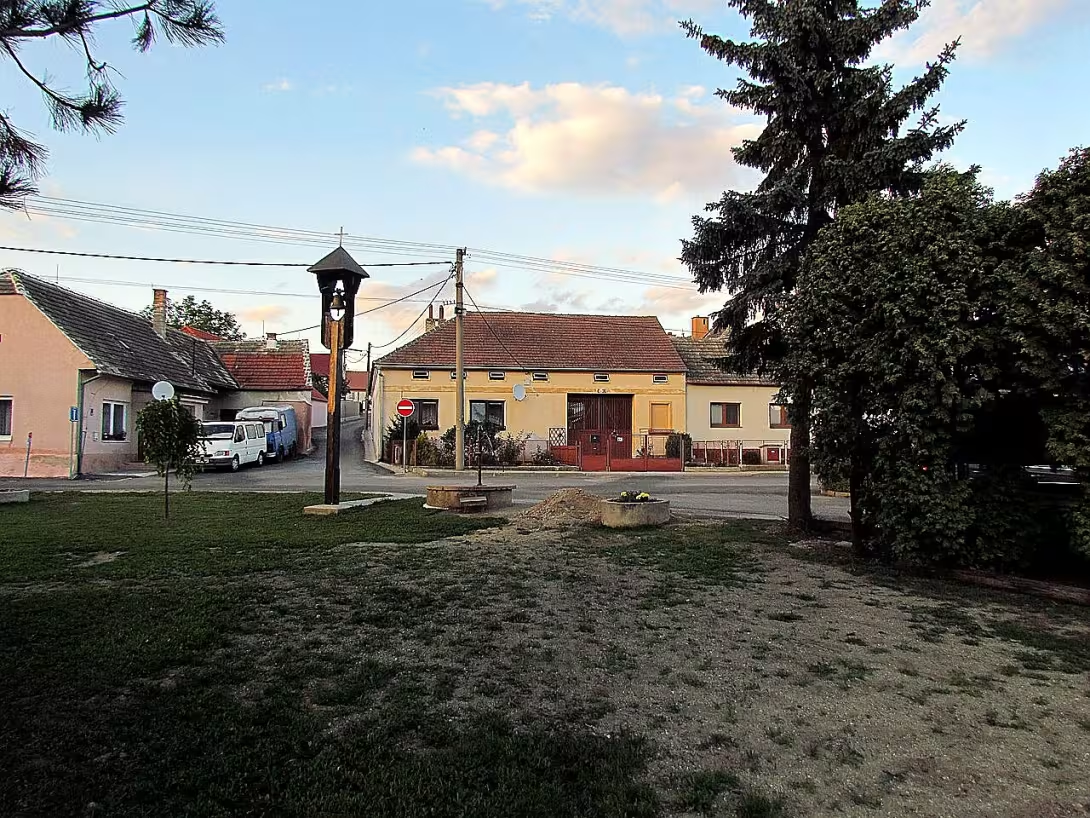
Láz is a prehistoric fortification located northwest of Radomyšl in the Strakonice District, South Bohemian Region. This archaeological site sits on Holý Vrch within the Benešov Uplands, offering commanding views and natural defenses with steep slopes leading to Brložský potok and valleys between Holý and Trubný vrch. The fortification served as an elite settlement during the late Hallstatt and early La Tène periods, highlighting its importance in regional control and defense.
The site was first described by Bedřich Dubský in 1921. Significant dating came from pottery findings during archaeological research conducted between 1998 and 1999. These discoveries have provided valuable insights into the timeline of occupation at Láz, situating it firmly within a transformative era for Central Europe characterized by cultural shifts, increased trade, and the spread of Celtic culture.
Architecturally, Láz features defensive structures with a preserved ditch and rampart on its southeastern side. The rampart is approximately 45 meters long and 10 to 12 meters wide, with varying heights up to two meters externally and one meter internally. Stones were used in constructing these fortifications, reflecting the site's strategic importance during its time.
The location on Holý Vrch offers natural protection through steep slopes and proximity to Brložský potok, enhancing its defensive capabilities. The surrounding landscape includes the picturesque Benešov Uplands, providing a scenic backdrop for this historical site.
During the late Hallstatt and early La Tène periods, Central Europe experienced significant cultural transformations. Fortified settlements like Láz played crucial roles in regional control and defense strategies, serving as elite settlements that underscored their strategic importance.
Today, Láz stands as an intriguing testament to prehistoric life and architecture. While specific details about its current state and accessibility are not extensively documented, the site's historical significance makes it a worthwhile visit for those interested in archaeology and ancient European history. Its preserved structures offer a glimpse into the past, inviting visitors to explore and appreciate this remarkable piece of heritage.
Láz is more than just an archaeological site; it is a window into the lives and strategies of people from a bygone era. For anyone curious about prehistoric settlements and their roles in ancient societies, Láz offers a unique opportunity to connect with history. Its strategic location and well-preserved structures make it a compelling destination for those eager to explore the roots of European civilization.
Then and now
Drag the slider to compare how the landmark may have looked when it was built with the view today.
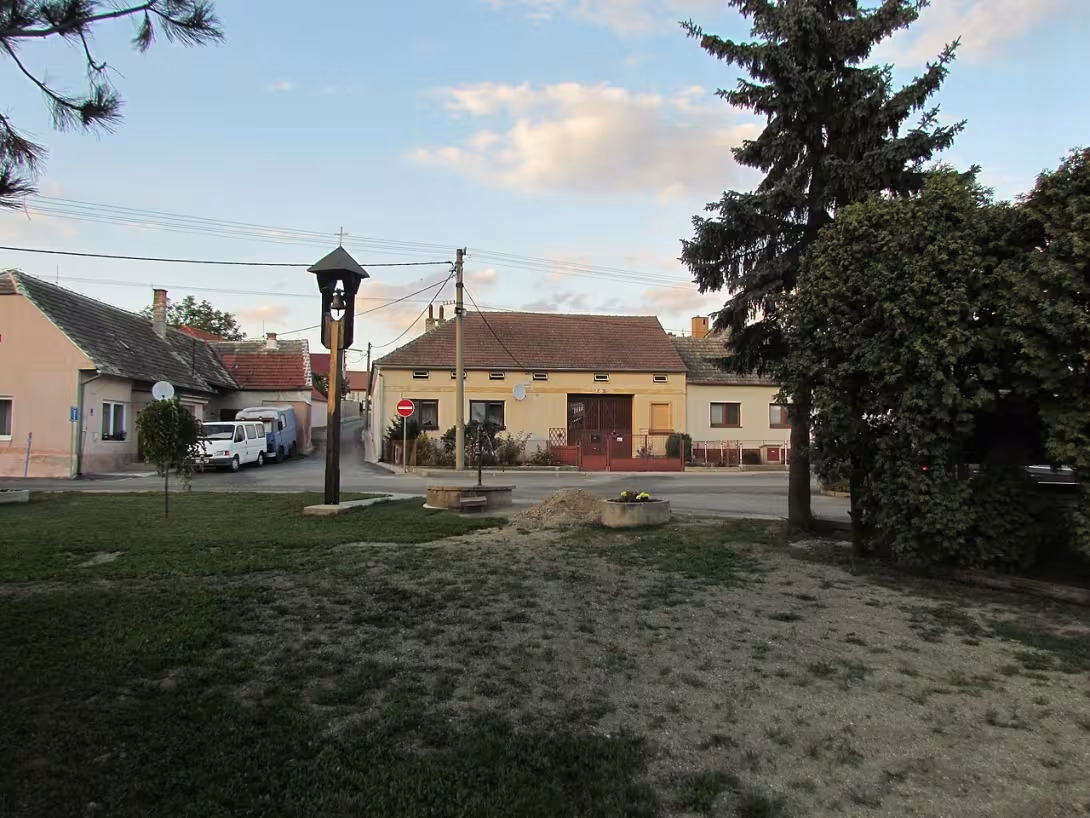

The historical appearance on the left is an AI-generated visualisation and serves as inspiration only.
Historical milestones
- 1921
- Bedřich Dubský first describes Láz.
- 1998
- Beginning of archaeological research at Láz.
- 1999
- Completion of archaeological research at Láz, discovery of pottery.
- c. 800 BC
- Láz serves as an elite settlement during the late Hallstatt period.
- c. 450 BC
- Transition of Láz into the early La Tène period, expansion of Celtic culture.
Architectural development
Láz features a defensive structure with a preserved ditch and rampart on its southeastern side. The rampart is approximately 45 meters long and 10 to 12 meters wide, with varying heights of up to two meters externally and one meter internally. Stones were used in the construction of these fortifications.
Historical events
The site was first described by Bedřich Dubský in 1921, but significant dating came from pottery findings during archaeological research conducted between 1998 and 1999.
Guide
This guide is narrated by a synthetic voice generated by artificial intelligence.
Show guide text
This text was created by artificial intelligence and has not been editorially reviewed. It may contain inaccuracies.
Welcome to Láz, a historic archaeological site that boasts a rich past and picturesque views. You stand before this impressive location where traces of ancient civilizations penetrate the land, surrounded by the scenic peaks of Holý Vrch and its surrounding valleys. Before you stretches terrain with steep slopes leading down to Brložský potok, giving Láz not only strategic advantage but also stunning natural beauty. This place is truly unique for its position in the Benešov Uplands and its connection to nature.
Láz was first described by archaeologist Bedřich Dubský in 1921, marking the beginning of formal recognition and study of this site. This early documentation laid the foundation for future research that uncovered interesting aspects of prehistoric Europe. Láz served as an elite settlement around 800 BCE during the late Hallstatt period and underwent a transformation into the early La Tène period around 450 BCE, which is evidence of the expansion of Celtic culture.
Let's move closer to observe the archaeological traces and structural remnants that still tell the story of the past. Although specific architectural details are not documented, you can sense the atmosphere of the site and notice its strategic location for defensive advantages. This glimpse into the past reminds us how our ancestors used the terrain for protection and living.
While no specific historical figures associated with Láz are known, its presence through time is a testament to many generations that lived and thrived there. The transition from the Hallstatt period to La Tène illustrates the dynamic development of cultures and societies evolving in this part of Europe.
An interesting aspect of this site is its long history of exploration. The initiation of archaeological research in 1998, completed the following year, led to the discovery of pottery, providing important insights into the lifestyles of its inhabitants. These discoveries contribute to our understanding of the prehistoric period and its cultural aspects.
Now, as you look around, you can see how history and nature form a harmony at Láz. This place offers not only insight into ancient times but also inspiration to explore what was and what could be. Enjoy further discoveries and ponder the mysteries that await revelation.
Thank you for visiting Láz. We hope your exploratory spirit has been fulfilled, and that you return with new questions and answers. Until we meet again in history!
Tips for visitors
The best time to visit Láz, the prehistoric fortification on Holý Vrch, is during late spring or early autumn. During these seasons, the weather is generally mild, and the surrounding landscape of the Benešov Uplands offers stunning natural beauty with vibrant foliage in autumn or blooming flowers in spring. Additionally, visiting outside peak summer months helps avoid crowds, allowing for a more peaceful exploration of this historical site.
For those preferring public transport, the area can be reached via regional buses from nearby towns in the Strakonice District.
When planning your visit, consider bringing comfortable walking shoes and weather-appropriate clothing, as the site involves some hiking on uneven terrain due to its natural protection with steep slopes. A hat, sunscreen, and water are also recommended, especially during warmer months. For those interested in learning more about the site's history, a small notebook or guidebook could enhance your visit.
Photography enthusiasts will find Láz offers excellent opportunities for capturing the beauty of both the fortification and its natural surroundings. The best light for photography is typically early morning or late afternoon when the sun casts soft shadows across the landscape. Try to capture the site from various angles, including views overlooking Brložský potok, which can provide a picturesque backdrop.
For families with children visiting Láz, consider planning a day trip that includes nearby attractions within 30 minutes of travel. The natural setting around Holý Vrch offers opportunities for outdoor activities such as hiking and exploring the local flora and fauna. Additionally, the proximity to Radomyšl allows for visits to any local parks or recreational areas suitable for children.
Frequently asked questions
Can the monument be visited?
This is an archaeological site. Often there is little to see on the ground and the land may be private. We have not verified access.
Where is the monument?
Location: Radomyšl, Jihočeský kraj. The map on this page shows the exact spot.
Why is the monument protected?
It is listed in the Central List of Cultural Monuments of the Czech Republic as a cultural monument (register no. 1000138764).
Businesses nearby
Do you run a restaurant, accommodation, shop, museum, rental, wellness or other visitor service near this monument? Show yourself directly to the people heading to it — this is how they will see you in the app and on the web:
Nearby
The site is located on Holý Vrch, offering natural protection with steep slopes and proximity to Brložský potok. The surrounding landscape includes the Benešov Uplands, providing a picturesque setting for this historical site.
Accommodation nearby
Themed route
Thematic Walking Tour: Láz Archaeological Site and Surroundings
1. Láz (Archaeological Site) - Type: Historical Site - Why Visit: Begin your journey at the heart of history with the Láz archaeological site, nestled on Holý Vrch. This location offers a unique glimpse into ancient settlements protected by steep slopes and close to Brložský potok. The site's strategic position in the Benešov Uplands provides not only historical insights but also stunning views of the surrounding landscape.
2. Holý Vrch - Type: Natural Landmark - Why Visit: Explore Holý Vrch, a natural fortress that cradles the Láz site with its steep inclines and lush surroundings. The area offers panoramic vistas across the Benešov Uplands, making it an ideal spot for nature lovers to appreciate the serene beauty of this historic region.
3. Brložský Potok - Type: Natural Feature - Why Visit: Follow the gentle flow of Brložský potok as you meander through the landscape that has witnessed centuries of history. This stream adds a tranquil ambiance to your exploration, enhancing the connection between nature and heritage at this site.
4. Benešov Uplands - Type: Landscape - Why Visit: Conclude your tour by immersing yourself in the picturesque Benešov Uplands that envelop Láz. The rolling hills and verdant scenery offer a peaceful retreat, allowing you to reflect on the rich tapestry of history and nature intertwined at this remarkable location.
This thematic walking tour provides an enriching experience through historical insights and natural beauty, all within the vicinity of the Láz archaeological site in Radomyšl.
Seasonal recommendations
Spring: The Láz archaeological site in Radomyšl is particularly enchanting during the spring months, as nature begins to awaken with vibrant blooms and lush greenery framing the ancient structures. The soft, diffused light of early spring mornings enhances the mystical atmosphere, making it a photographer's delight. Visitors are advised to dress in layers, as temperatures can vary significantly throughout the day. Arriving early is recommended to avoid larger groups that gather later in the day when the sun makes its presence felt.
Summer: Summer at Láz offers warm, inviting days perfect for exploring the site under clear blue skies. The long daylight hours allow ample time for leisurely exploration and picnicking amidst the historical backdrop. Comfortable walking shoes and sun protection are essential due to the increased foot traffic on the site's pathways.
Autumn: Autumn transforms Láz into a picturesque landscape of fiery reds, oranges, and yellows, providing a stunning contrast against the ancient ruins. The cooler temperatures make for a comfortable visit, though it is advisable to bring a light jacket as evenings can become brisk. This season sees fewer visitors than summer, offering a more serene atmosphere ideal for reflection and photography. Late afternoon visits capture the golden hour lighting that beautifully illuminates the site.
Winter: Winter at Láz offers a unique experience with its quiet charm under a blanket of snow. The stark beauty of the ruins against the white landscape creates an ethereal scene, though some paths may be less accessible due to snow coverage. Despite fewer daylight hours, winter provides a peaceful setting for those seeking solitude amidst history’s echoes, with early morning visits recommended to make the most of limited light.
Visualizations and artistic views


The visualisations are generated by artificial intelligence and serve as inspiration.
Tips from visitors
No tips yet. Be the first!
Log in and add your tip.
Sources and literature
Faktickým podkladem tohoto textu byl článek na Wikipedii, jehož autory jsou přispěvatelé Wikipedie. Článek je dostupný pod licencí CC BY-SA 4.0.
Location on the map
Příběhy a pověsti
Legendy, pověsti a příběhy spjaté s touto památkou

Fotografie návštěvníků
Zatím žádné fotografie. Buďte první, kdo přidá fotografii z návštěvy!
Log in a přidejte svou fotografii nebo hodnoťte.
Za ověřenou návštěvu v aplikaci získáte víc bodů — poznáme podle GPS, že jste na místě.
Reviews and comments