



Ledecký mlýn Water mill
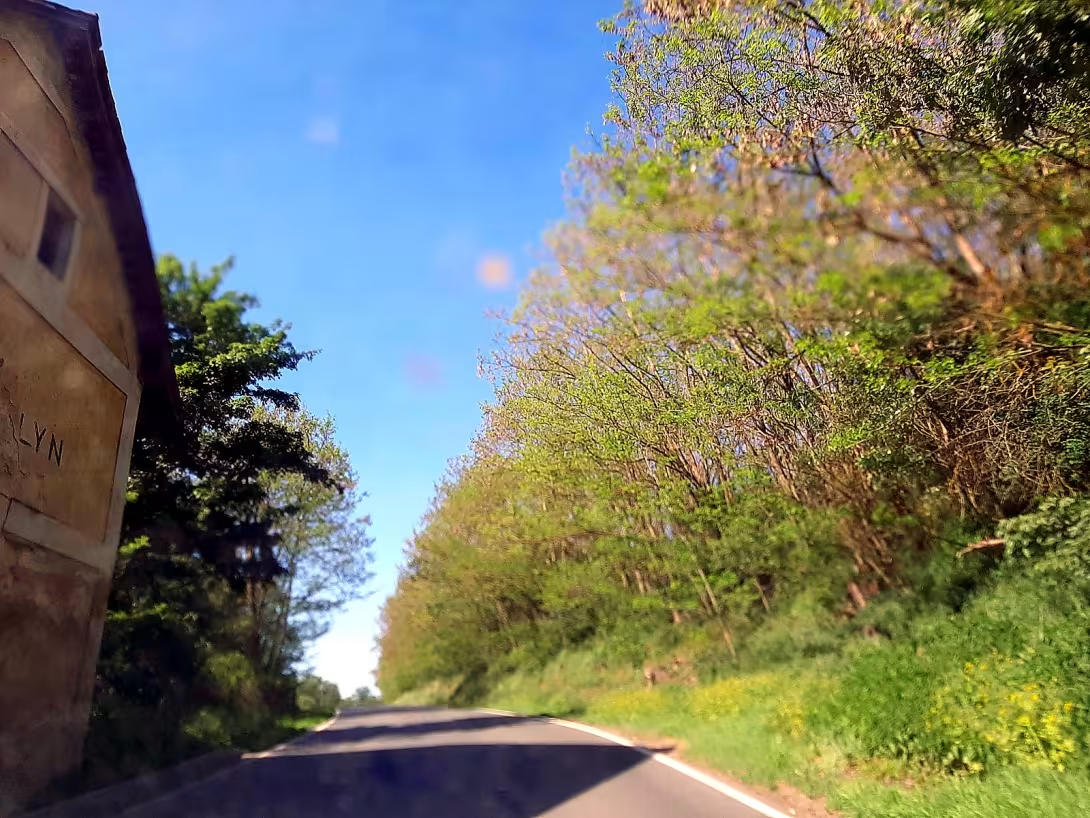
Ledecký mlýn is located southwest of St. Jacob's Church in the village Ledce, near Pilsen, on the road to Příšov. It is a water mill on the Třimošná River, which is protected as a real cultural monument. Its importance lies in the preserved mill technology, including the original drive, residential buildings and historical equipment from different periods.
The mill served to grind the grain and its history dates back to the 17th century. He went through several modernization and reconstruction that reflected the needs of every time. The first written mention of it dates back to 1651, when it belonged to Jan Veikhart from Vrísovice. After the Thirty Years War it was abandoned and later restored by the city of Pilsen.
Architecturally combines wooden and brick elements typical of Baroque buildings. After the fire in 1886 it was restored. In the 1930s, it underwent modernization - the original water drive was replaced by Francis' turbine and the drive was conked out. The mill buildings include residential buildings, a mill, a barn and former stables which were later converted into warehouses.
The ownership of the mill changed over time. After a 30-year war, it was acquired by the city of Pilsen, which restored it. In the 19th century, the fire hit him, followed by reconstruction. In 1936 a separate residential building was built and the drive was modernized. The last operation ended in 1947.
The installation of the Francis turbine in 1936 meant a fundamental change. The turbine with 16.7 HP power was equipped with electric motor from the Škoda plant. The original water bike from 1930 had a power output of 10,3 HP and an abundance of 219 litres of water per second. The drive led the water from the Trimošná River at a distance of 750 meters.
Today Ledecký mlýn is a technical monument with preserved mill technology. Public access is currently not possible, but its historical value and technical equipment make it interesting for lovers of technical monuments. The mill represents a valuable example of the development of water mills from baroque structures to modern turbine drives.
Historical milestones
- 1651
- First written mention of the mill in the property of Jan Veikhart from Vřesovice.
- 1662- 1671
- Restoration of the mill in the city of Pilsen after 30 years of war.
- 1886
- A big fire that destroyed the original mill.
- 1936
- Modernization to turbine drive and construction of new residential building.
- 1947
- Ending the mill.
Architectural development
The original mill was probably built in the 17th century after the Thirty Years War. There was a fire in the 19th century after which the mill was restored. In the 1930s, the drive was built and installed by the Francis turbine. Buildings are a combination of wooden and walled structures with typical elements baroque and later modernization.
Historical events
- 1651
- First written mention of the mill in the property of Jan Veikhart from Vřesovice.
- 1662- 1671
- The mill was restored by the city of Pilsen after the 30-year war.
- 1886
- A big fire that destroyed the original structure.
- 1936
- Modernization to turbine drive and construction of new residential building.
Owners
- 1651
- 1662- 1671
- 1936
- Construction of a separate residential building and modernisation of propulsion
- 1947
- End of mill operation
Points of interest
- The mill is on the road leading to Příšov, not far from St. Jacob's Church in the village Ledce.
- The original 1930 water bike had a performance of ten and three tenths of a horse and consumed two hundred ninety litres of water in one second.
- In 1936, a more powerful drive was installed - a Francis turbine with 16 and seven tenths of the horse, supplemented by an electric motor from the Škoda plant.
- The drive brought water from the Trimošná River at a distance of seven hundred and fifty meters.
- The mill underwent several repairs after fires and modernization that reflected the needs of different times.
Guide
Show guide text
This text was created by artificial intelligence and has not been editorially reviewed. It may contain inaccuracies.
Welcome to the Ledecki Mill. You are standing in a place where echoes of ancient history mingle with a constant, soothing noise of water flowing through the Tremošná River. Look around you and feel the atmosphere of this place. In front of you is a collection of buildings that are not just simple buildings made of stone and wood, but live witnesses of human effort, technical progress and relentless forces of nature. This water mill that you are currently observing is more than just a historical monument; It's a clue left by generations of people trying to understand and control the power of running water for their work and survival.
To understand why this place is so special, we need to go back deep into the past together. The first traces we can find of this mill in our historical records go back to 1651. At that time the mill was part of the property of a man named Jan Veikhart, who came from Vrísovice. Imagine that time when the country was still in the early stages of recovery after devastating wars. Indeed, after a period of 30 years of war, the entire area had to be rebuilt and developed. It was between 1662 and 1671 that the city of Pilsen itself became involved in the reconstruction of the mill, which took care of its restoration and ensuring that it continued to function in these difficult times.
Now pay attention to what you see right in front of you. The mill is not just one separate object, but a whole that consists of connected buildings, residential buildings and an important drive that leads the water to propulsion. Feel how these parts are connected. Although time was changing, the basic principle remained the same - to use water movement to perform work. Note the residential building that was built in 1936 when the mill was undergoing a major technical transformation. The whole architecture of this place reflects the need to combine living with work, technology with human everyday life.
But the history of this place was not just about building and flourishing. We have to realize that life at the water brings great danger. The fate of the mill wasn't always favourable. In 1886, residents had to deal with a huge test. The Great Fire destroyed the original mill plant and the buildings that stood here before. It was a difficult period that required new strength and courage. However, after years of recovery and gradual improvement, the mill returned to operation. In 1936 there was a major modernization which completely changed the way the mill moved. Instead of the older drive, a modern turbine was introduced and a new residential building was built, which you can now perceive throughout its whole dimension.
If you look now at the technical aspects that were once used here, you might be interested in how the power of water changed. Imagine 1930. At that time there was a large water wheel. It had incredible performance - over 13 and 3 / 10 horsepower. In order for this wheel to spin and perform its work, it needed a huge amount of water. It used two hundred and ninety litres of water in just one second! It's a fascinating idea of the incredible power and the amount of fluid that was in the drive at any moment and powered the machine.
Later, in 1936, this older system was replaced by an even more powerful turbine drive. This change meant greater efficiency and a more modern approach to work. And even though the mill stopped working in 1947, its technical heart remained partially preserved. Note that in the buildings you can still find remnants of technical equipment that suggests his past. One of the greatest treasures is the electric motor, which comes from the famous Škoda races from Pilsen. It is a beautiful example of how industrial history combines itself with traditional craft and how technology from surrounding cities has influenced these smaller places.
Now that you've learned the story of the Ledecka Mill, I suggest you continue your walk. The road that leads from the mill will lead you towards the village of Příšov. On the way you can see the church of St. Jacob the Greater in Ledce, which is nearby. Let yourself be carried away by the atmosphere of this beautiful region and feel the calm brought by the river Třimošná. Thank you for spending your time right here at this important monument. We wish you a wonderful journey and other interesting discoveries in the area.
Tips for visitors
Best time to visit
Ledecký mlýn is most pleasant to visit in the summer months, when the outdoor environment is pleasant and the mill surroundings emit a calm atmosphere. It is recommended in the morning or afternoon when there are fewer visitors and the light is ideal for photography. In winter it is possible to observe the mill in a quiet environment, but some parts can be limited due to weather.
Jacob's Church. If you arrive by public transport, the stop is near the village. The current connection and traffic options can be found in the transport search engine.
What to take with you
When visiting the Ledecka Mill, take comfortable shooters as you will move on the outdoor roads and in the mill buildings. It is also advisable to take a map or mobile navigation with you so that you can easily navigate around. In the summer months, prepare your sunglasses and sunscreen because the area is often lit by the sun.
The ideal light is morning or afternoon, when the rays of the sun create pleasant shadows and illuminate historical details. In the interior of the mill it is advisable to photograph in natural light to capture the original elements without distortion.
What to visit in the area (within 30 minutes)
Near the Ledecka Mill is a baroque church of St. Jacob the Greater, which is only a few hundred metres away. This area offers rich nature and possibilities for walks. The neighbouring village of Příšov, about five kilometres away, has a historical core which is also interesting for visiting.
Tips for families with children
Children can see the old mill technique and learn how the water mill worked. There is enough space in the surroundings for walking and exploring nature. For more fun, it is advisable to bring with you small laptops or drawing items to record the attractions.
Frequently asked questions
Can the monument be visited?
This is a technical monument. Some are open as exhibitions, others are out of use or on private land. We have not verified whether this one is accessible.
What are the opening hours and admission?
We have not verified the opening hours or admission. Current information is published by the operator.
Where is the monument?
Location: Ledce, Plzeňský kraj. The map on this page shows the exact spot.
Why is the monument protected?
It is listed in the Central List of Cultural Monuments of the Czech Republic as a cultural monument (register no. 1999991814).
Businesses nearby
Do you run a restaurant, accommodation, shop, museum, rental, wellness or other visitor service near this monument? Show yourself directly to the people heading to it — this is how they will see you in the app and on the web:
Nearby
- Barokní kostel z 18. století, který stojí v centru obce Ledce.
- Chráněné území s bohatou flórou a faunou, které zahrnuje tok řeky Třemošná.
- Sousední obec s historickým jádrem a dalšími kulturními památkami.
Accommodation nearby
Trips and activities nearby
Guided tours, tickets and activities nearby from GetYourGuide
Affiliate link: if you buy from the partner, we may receive a commission. The price for you does not change.
Search tours and activities →Themed route
Daily trip route to water mills and surrounding village Ledce
1. Ledecký mlýn - water mill from the period of the early modern age, which was used for grinding grain and paper production. Its stone building with its original water wheel preserved its historical nature and is interesting for archaeological findings from the mill area.
2. Church of St. Jacob the Greater - Baroque church from the 18th century, built in the centre of the village. Its rich decoration and Gothic elements in the interior are proof of the cultural heritage of the region.
3. Natural reservation Třimošná - a protected area with rich nature where rare species of plants and animals can be observed. The surrounding area of the Trimošná River offers peaceful walks and natural beauty.
The route inside the Ledecký mlýna complex - The mill station - a walk around the historic area where the mill machines and storage areas were located. - Tower of the mill - the forward view section with information about the history of the mill and its importance for the village.
Recommended length: 2-3 hours. The journey begins at the Ledecký mill, continues to the Church of St. Jacob the Greater (approximately 200 metres), then you go to the Natural Reservation Třimošná (about 3 km). On your return trip visit Příšov (5 km), where you can see the historical core of the village.
Seasonal recommendations
Spring
At this time, the life of nature manifests itself, when the first flowers flourish, green trees grow and the first insect songs appear in the woods. It is convenient to visit the memory early in the morning when there are fewer people and nature is still calm but sunny light illuminates the surroundings. Suitable clothes should be light and worn to avoid overheating, but also to protect against rain, which can be frequent at this time. The lighting in the mill will be slightly bright but sufficient to recognize the details, so there is no need for portable light.
---
Summer
In the main summer season there are the most visitors, which is why it is best to come up with a timely time to avoid crowds. Nature is full of green but also warm and dry, so it is advisable to carry light clothes and sun protection. The atmosphere is alive, with long hours, but it can be colder in the mill, so it is good to bring a light blanket or raincoat. The lighting will be more intense, so it is possible to see small details that might otherwise be invisible.
---
Autumn
At this time nature becomes golden and colorful, with leaves and slightly colder weather. It is convenient to visit the memory in the morning when the air is clean and the atmosphere is calm. Nature is full of colors, but it can also be moist, so it is good to have a light blanket and suitable clothes against moisture. The lighting will be slightly more intense but natural, which creates a pleasant atmosphere that underlines the beauty of the surrounding environment.
--- Winter
In winter there is the most mild, but also the most beautiful atmosphere, where the mill is located in a quiet environment of snow and silence. It is advisable to visit the memory in the morning when the air is clean and light fine. Nature is covered with snow, but it can also be cold, so it is good to have warm clothes and suitable shoes. The lighting in the mill will be slightly illuminated but sufficient to view the exhibitions, which creates a magical atmosphere.
Visualizations and artistic views


The visualisations are generated by artificial intelligence and serve as inspiration.
Photos from the area
Real photos taken near the monument


Zdroj a licence jsou uvedeny u každého snímku.
Tips from visitors
No tips yet. Be the first!
Log in and add your tip.
Sources and literature
Faktickým podkladem tohoto textu byl článek na Wikipedii, jehož autory jsou přispěvatelé Wikipedie. Článek je dostupný pod licencí CC BY-SA 4.0.
Location on the map
More monuments – Ledce
Show all in the municipality


Příběhy a pověsti
Legendy, pověsti a příběhy spjaté s touto památkou

Fotografie návštěvníků
Zatím žádné fotografie. Buďte první, kdo přidá fotografii z návštěvy!
Log in a přidejte svou fotografii nebo hodnoťte.
Za ověřenou návštěvu v aplikaci získáte víc bodů — poznáme podle GPS, že jste na místě.
Reviews and comments