



Levín (Levínská Olešnice) Castle ruin
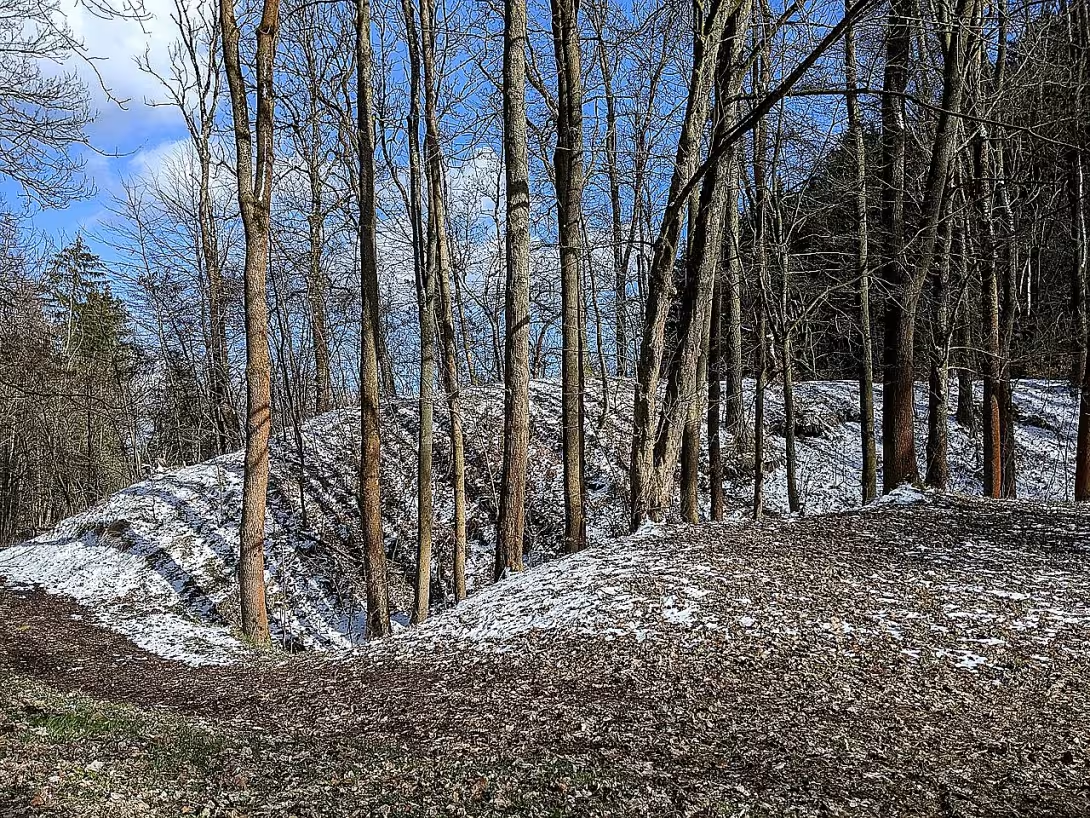
Levín, also known as Levínská Olešnice, is a extinct castle located in Semily district on the island above the Oleška River in the eastern part of Staropacka Mountain. This historical monument, the remains of which have been protected as a cultural monument since 1964, offers a fascinating view of the medieval period in the Czech countries. The castle ruin is remarkable by its terrain character and historical value, which attracts visitors eager to know the past of the area.
The history of Levina dates back to the 14th century, when it first appears in written sources as the seat of Načka of Levina, which is often considered to be the founder of the castle. In the following decades, the castle was held by various noble families, including Jakub of Levina and Zdeněk of Hustřany, known as Zdeněk of Levina. This last one is mentioned in 1421 as a participant in the Cáslav Assembly, which suggests its significant position in society at that time. After 1421 the castle became part of the Kumburka estate and then disappeared.
In architectural terms, Levine is characterized by its simplicity and strategic location. The foothold, which is the shape of a trapezoid, has left no trace of the building, indicating its primary defence function. The castle core was fortified with a moat and a wall, especially on the east side, where the wall is very massive. Several buildings were located in the core, including a long palace with a small annex and smaller buildings in opposite corners.
The castle owners included important figures of the Middle Ages such as Naček z Levína, Jakub z Levína and Zdeněk z Hustířan. The history of the castle is also linked to the Manor of Kumburka, which reflects the variable fate of many medieval walls in this area.
The interest of Levine is its accessibility. The remains of the castle are freely accessible on the red marked tourist route, which led from Levín Olešnice to Nová Paka. This possibility of visiting allows everyone to appreciate the historical value and natural beauty of the surrounding environment, including the Oleska River and the Old Peak Mountains.
Today Levín is an important cultural monument object, which reminds its history of the medieval consolidation of noble holdings in Czech countries. Its remains are not only an important element of local cultural heritage, but also an attraction for historically curious tourists.
Levine represents a living example of medieval architecture and history in Bohemia. His visit offers a unique opportunity to explore the past of this area and appreciate its cultural heritage. This ruin is not only a monument to history, but also an inspiration to the rich traditions and stories that shaped this place.
Then and now
Drag the slider to compare how the landmark may have looked when it was built with the view today.
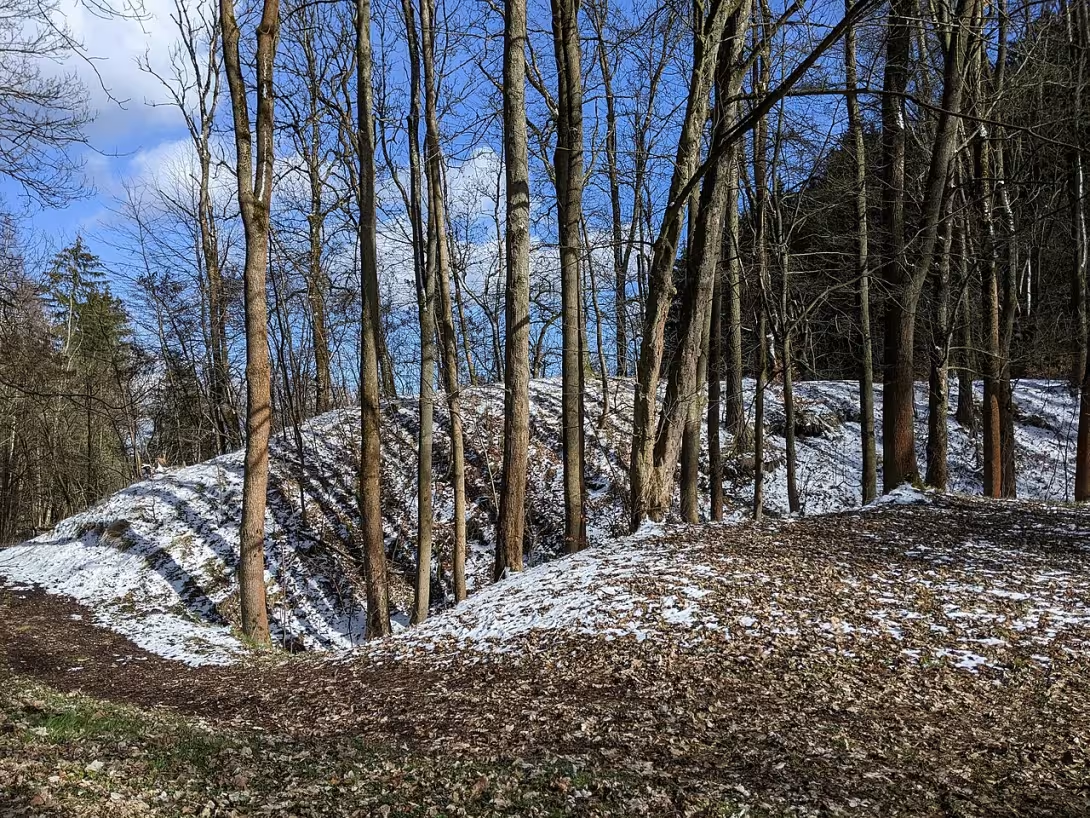
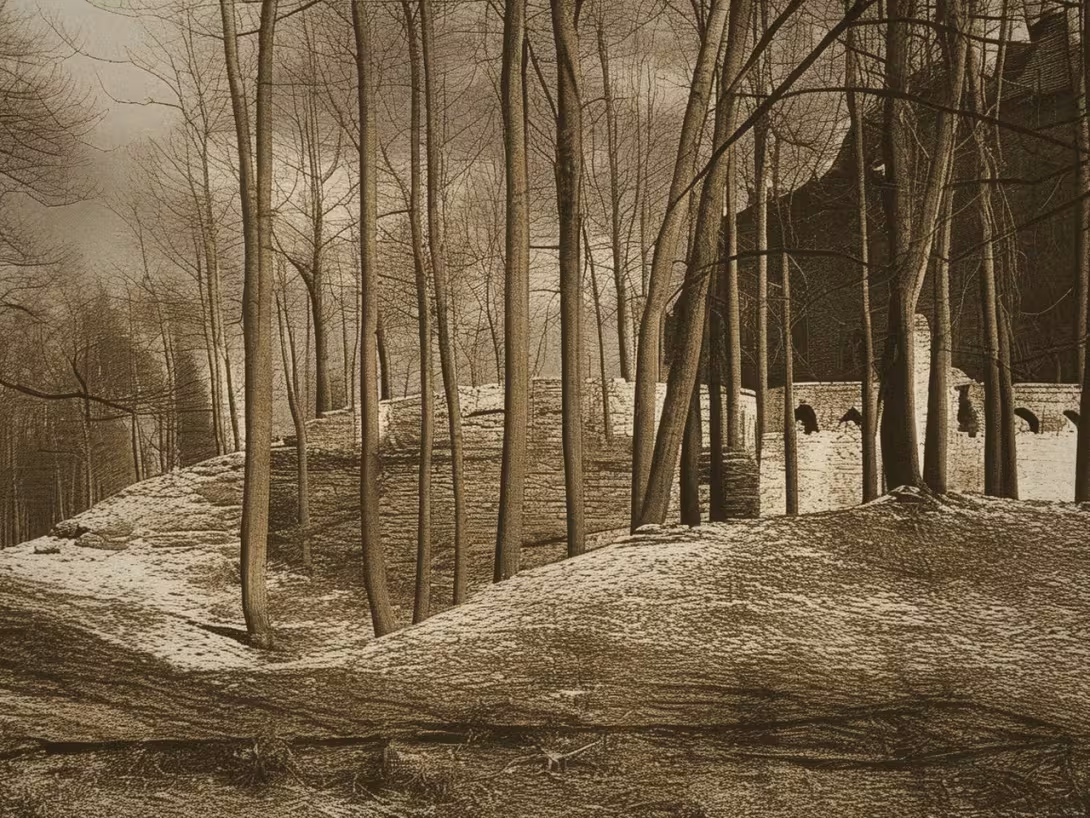
The historical appearance on the left is an AI-generated visualisation and serves as inspiration only.
Historical milestones
- 1333
- First written mention of the castle and its owner Nackek from Levina
- 1421
- Zdeněk z Levina participates in the Čáslav Assembly
- 1964
- Registration of the castle remains in the list of cultural monuments
Architectural development
The castle consisted of a foothold in the shape of a trapezoid and a castle core. In the core there was a long palace with a small annex and another smaller building. The fortification formed a moat and a massive wall on the east side.
Historical events
1333: First written mention of the castle and its owner Nackek from Levina. 1421: Participation of Zdeněk from Levina in the Čáslav Assembly. After 1421: Connection of the castle to the Manor of Kumburka and its subsequent demise.
Owners
Naček z Levína (1333), Jakub z Levína (1363-1375), Zdeněk z Hustířan / Levine (1380- 1404), after 1421 part of the Kumburka estate.
Points of interest
- Levine is a extinct castle located in Semily district on the island above the Oleška River in the eastern part of Staropacka Mountains.
- The castle ruin is protected as a cultural monument since 1964 and offers a view of the medieval period in the Czech countries.
- The history of Levin dates back to the 14th century, when it first appears as the mansion of Načka from Levin, often considered to be the founder of the castle.
- In 1421 Zdeněk z Hustířan is mentioned as a participant in the Cáslav Assembly, which suggests its significant position in society at that time.
- Accessibility of Levine allows a visit on a red marked tourist route leading from Levín Olešnice to Nová Paka.
Guide
Show guide text
This text was created by artificial intelligence and has not been editorially reviewed. It may contain inaccuracies.
Welcome to the ruins of Castle Levine. You are standing in a place where history meets the relentless force of nature and where echoes of ancient times mingle with the noise of the surrounding countryside. Look around you and feel the atmosphere of this place. You are on the strategic edge of the Oleška River in Semily County. This rocky excavation, part of the eastern part of Staropacka Mountain, was chosen precisely to offer natural protection and views of the surrounding countryside. Feel the sense of openness and isolation that this place offers. It feels that even though the walls are long gone, the country itself still remembers the presence of people who once lived here, ruled and defended their home.
Let us now return together deep into the past to understand why this castle was built in the first place. To understand the importance of this place, we have to move to the 14th century. The first written trail that tells us about the existence of the castle Levín dates back to 1333. In that year the first name of the man who was inextricably associated with this place appeared in the documents - Naček of Levina. At that time, building castles in such strategic places was essential to ensure control of the surrounding territories and roads. Levine was not just an ordinary residence, it was a symbol of power and stability in this part of the country. Age passed and the castle went through various periods of bloom and decline, until it became a extinct castle, as you know it today.
Now pay attention to what you see right in front of you and under your feet. You may find it strange that you don't see tall towers reaching the sky or massive walls that dominate the horizon. But that is the most interesting thing. The current state of the castle Levine is mainly the terrain remains of buildings and fortifications. Before you look around, try looking at the shapes of the earth itself. Notice how the terrain changes, how there are certain deeps and elevations. These shapes are not random. They're prints of ancient architecture. It's the remains of the foundations that once held the weight of stone walls and rooms. Even though these structures are now invisible to an unattentive eye, you can see where the perimeter walls ended and where the inhabited spaces began. Look at these remains and try to imagine how people moved here, how rocks were beating in these places, and how fires were burning in cold nights. This whole complex is today protected as a cultural monument, which means that even these tiny footprints in the country are extremely valuable. It's our only visible evidence of exactly how this fortress was carved into the landscape.
However, in order to fully understand the soul of this place, we must not only look at the earth, but also look at the people who have left their mark. The history of Levina is closely linked to the family lines that were based here. In addition to the mentioned Naček from Levina, Jakub z Levína appears in the history of the castle. These people were not just residents, they were the gentlemen of this field, who made important decisions here. A very interesting figure is also Zdeněk z Hustířan. His name allows us to look into the broader political context in which Castle Levine moved. Zdeněk participated in the important Čáslav Assembly in 1421. Imagine that time - a period of major social shocks and political changes in Czech countries. The participation of such a man in the Assembly suggests that the castle and its owners were part of the wider events and had their meaning throughout the kingdom. These personalities aren't just names in textbooks, they're people who've been walking on the same paths you're moving on.
Now, I want to invite you to think of one interesting thing that may seem almost mysterious. Why did Castle Levine disappear? Why are we only seeing these terrain remains today instead of a mighty fortress? History tells us when the castle first appeared, but it doesn't tell us exactly what happened at the moment of its decline. The question remains whether the castle was abandoned gradually, as the times and needs of people changed, or whether the destruction was caused by any particular events. This ambiguity gives the place special mysticism. The Levine is a castle that has basically disappeared into nature. It is a window to the medieval period in the Czech countries, but it does not open through monumental buildings, but through silence and through the very structure of the country. It's a reminder of how everything people build is eventually subject to time and nature. It is this fragility and the resilience of the tracks you see here that makes this place so special.
Today, this space is protected as a cultural monument, allowing us to observe and perceive these remains in their natural form. It is a place for those who seek peace and want to touch history not through the showcases of museums, but through the very touch of the earth and a view of the endless horizon over the river Oleška.
Before you go on your next trip and continue to explore this beautiful neighborhood, I suggest you stop once again, close your eyes and soak up the atmosphere of this sharpness. Feel the wind blowing here, and imagine the sounds people heard seven centuries ago. Let yourself be carried away by imagination and continue to discover these remains. Thank you for visiting the ruins of Castle Levine. We wish you a beautiful and inspiring walk through the whole area.
Tips for visitors
The best time to visit the lost castle Levín is in summer, especially in the months of May to October. During these months, climatic conditions are favourable for long walks in the countryside, while vegetation is in full splendor and sunlight allows you to capture the best photos. Moreover, favourable weather is more likely during these months, which ensures a comfortable and safe stay.
You can also use public transportation to take you around the castle.
When planning a trip, remember what you'll take with you. The important thing is to wear suitable clothes according to weather, long-walking shoes and protective sunglasses. Also remember to drink drinks and desserts as there may not be any restaurants or cafés around.
Photography is one of the main attractions of Levín Castle. The best light for photos can be found at noon, when the sun illuminates the terrain and roofs of extinct buildings. Places with the best view are on the island over the Oleška River, where you can capture panoramic views.
In the vicinity of the extinct castle is the River Oleška and Staropacka Mountain, which are ideal for short walks or picnics. These places offer opportunities to relax in nature and are also suitable for families with children. Children can look forward to playing in free nature while parents enjoy a quiet rest.
Frequently asked questions
Can the monument be visited?
This is a ruin. Such sites are often freely accessible, but some can only be visited with a guide or are closed for safety reasons. We have not verified the current situation – take care and respect any restrictions.
Where is the monument?
Location: Levínská Olešnice, Královéhradecký kraj. The map on this page shows the exact spot.
Why is the monument protected?
It is listed in the Central List of Cultural Monuments of the Czech Republic as a cultural monument (register no. 1000149409).
Businesses nearby
Do you run a restaurant, accommodation, shop, museum, rental, wellness or other visitor service near this monument? Show yourself directly to the people heading to it — this is how they will see you in the app and on the web:
Nearby
Oleška River, Old Town, village Levínská Olešnice.
Accommodation nearby
Themed route
1. village Levínská Olešnice, village. It serves as a starting point for the entire route. 2. River Oleska, water flow. It offers a pleasant walk in nature along the shore. 3. Staropacká hora, top. It provides beautiful views of the surrounding countryside. 4. Levín, ruin. The main destination of the trip, which will lead you to historical monuments.
Seasonal recommendations
In spring the ruin comes alive thanks to the lush green and blooming nature, which slowly surrounds the old masonry. The atmosphere is full of hope and fine spring light, which pleasantly illuminates the interior areas of ruins. I recommend moisture-resistant shoes because roads can be muddy after melting snow or rain. An ideal visit in the morning is when the air is the cleanest.
The summer months bring a thick shadow of surrounding forests and a sharp sun that highlights the texture of stone walls. There are more visitors at the castle in the main season, which is why it is best to arrive first thing in the morning to enjoy your peace and avoid heat. Remember light, breathable clothes, hat and plenty of fluids to go.
Autumn season is the most colorful in Levín Olešnice, when golden and red leaves create a melancholy framework for historical ruins. The fog in the valley gives the place a mysterious touch and a special depth. Suitable is layered clothing for changing weather and planning the journey to late afternoon when the low sun creates the most interesting shadows.
In winter, the ruins of Levine work strictly and monumentally, especially when masonry is covered with snow or frost. There is absolute peace and quiet, which is missing in other times. It is necessary to have warm and waterproof clothes and to count on shorter opening times. I recommend a short, intense walk in the afternoon when it is the hottest.
Visualizations and artistic views


The visualisations are generated by artificial intelligence and serve as inspiration.
Photos from the area
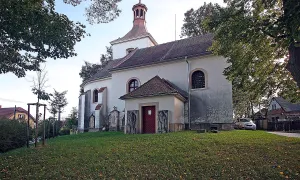
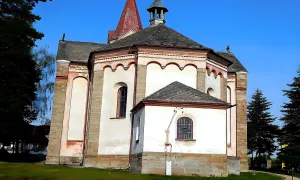
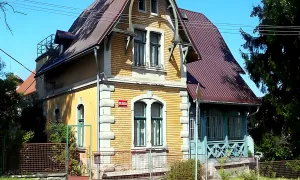
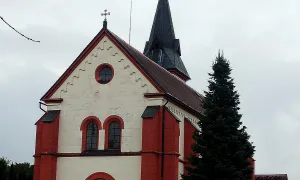
Real photos taken near the monument


Zdroj a licence jsou uvedeny u každého snímku.
Tips from visitors
No tips yet. Be the first!
Log in and add your tip.
Sources and literature
Photos: MartinVeselka / CC BY-SA 4.0 — Wikimedia Commons. The author and licence also appear when you hover over the image.
Faktickým podkladem tohoto textu byl článek na Wikipedii, jehož autory jsou přispěvatelé Wikipedie. Článek je dostupný pod licencí CC BY-SA 4.0.
Location on the map

Příběhy a pověsti
Legendy, pověsti a příběhy spjaté s touto památkou
Fotografie návštěvníků
Zatím žádné fotografie. Buďte první, kdo přidá fotografii z návštěvy!
Log in a přidejte svou fotografii nebo hodnoťte.
Za ověřenou návštěvu v aplikaci získáte víc bodů — poznáme podle GPS, že jste na místě.
Reviews and comments