



Lipová (Lipová) Castle
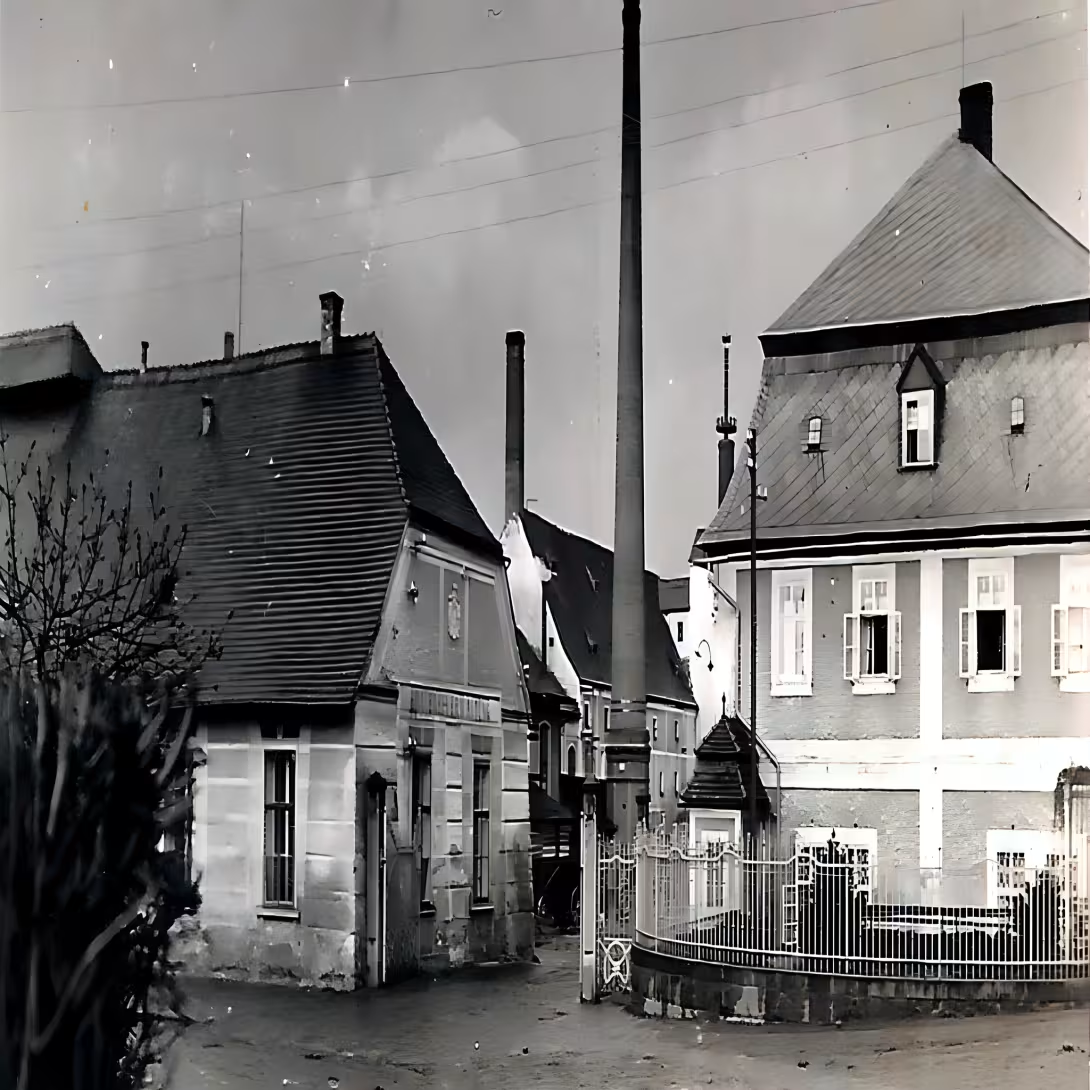
Objekt se nedochoval — na místě dnes nestojí. Následující text popisuje jeho historii, ne současnou návštěvu.
The Old Castle in Lipová stands as a testament to the region's rich historical tapestry, located within the village of Lipová in Ústecký kraj, Czech Republic. Constructed around 1566 during the Renaissance period, this castle was integral to establishing an independent Lipová estate by Hans ze Schleinitz. Over time, it underwent significant transformations, serving various roles from a noble residence to a brewery until its demolition in the early 21st century.
The origins of the Old Castle are deeply rooted in the socio-political landscape of 16th-century Bohemia, then part of the Holy Roman Empire. Initially built as a Renaissance structure by Hans ze Schleinitz after establishing an independent estate in Lipová, this period marked significant architectural developments across Europe that influenced its design and construction. Although no concrete records confirm a Gothic fortress on the site prior to 1500, it is speculated that remnants might have been repurposed for the new Renaissance building.
Architecturally, the Old Castle began as a simple, elongated two-story "L"-shaped building featuring elements characteristic of Renaissance design. Over time, particularly after 1712, these features were modified to reflect Baroque influences under architect Zacharias Hoffmann. The transformation included adding mansard roofs and linteled frames that adorned its facades, enhancing its aesthetic appeal. By the early 18th century, the castle was further repurposed into an economic complex with a brewery, reflecting changing functional needs.
Ownership of the Old Castle changed hands several times throughout its history. Initially held by the Schleinitz family after Hans established the estate in 1566, it later passed to the Kinští family in 1602. Following the assassination of Vilém Kinský in 1634, Wolfgang z Mansfeldu acquired the estate as a gift. Subsequent owners included the Slavatové and Salm-Reifferscheidt families, each contributing to its evolving role within the community. Notably, under Leopold Antonín Salm-Reifferscheidt's ownership in the 18th century, the castle ceased serving as a noble residence when a new Baroque structure was built nearby.
The Old Castle played a significant role during the peasant uprising of 1680, acting as a gathering point for rebels from surrounding villages. This event underscores its importance not only as an architectural landmark but also as a focal point in local history. Despite varied uses and ownerships, the castle's transformation into a brewery by Zacharias Hoffmann marked a pivotal shift in its function, maintaining this role until 1946.
Today, no physical structure remains of the Old Castle; it was demolished in the late 20th century after falling into disrepair. While visitors can no longer explore the site itself, the area around Lipová offers natural landscapes and other historical sites within a five-kilometer radius that provide context to its storied past. The legacy of the Old Castle endures as a symbol of the region's dynamic history, reflecting broader trends in architectural evolution and socio-political change.
The story of the Old Castle in Lipová invites reflection on the transient nature of human endeavors and the enduring impact of historical narratives. While the physical structure no longer stands, its memory continues to captivate those interested in exploring the layers of history that have shaped this region. Visitors are encouraged to explore the surrounding area to gain a deeper appreciation for the cultural heritage that Lipová represents.
Then and now
Drag the slider to compare how the landmark may have looked when it was built with the view today.
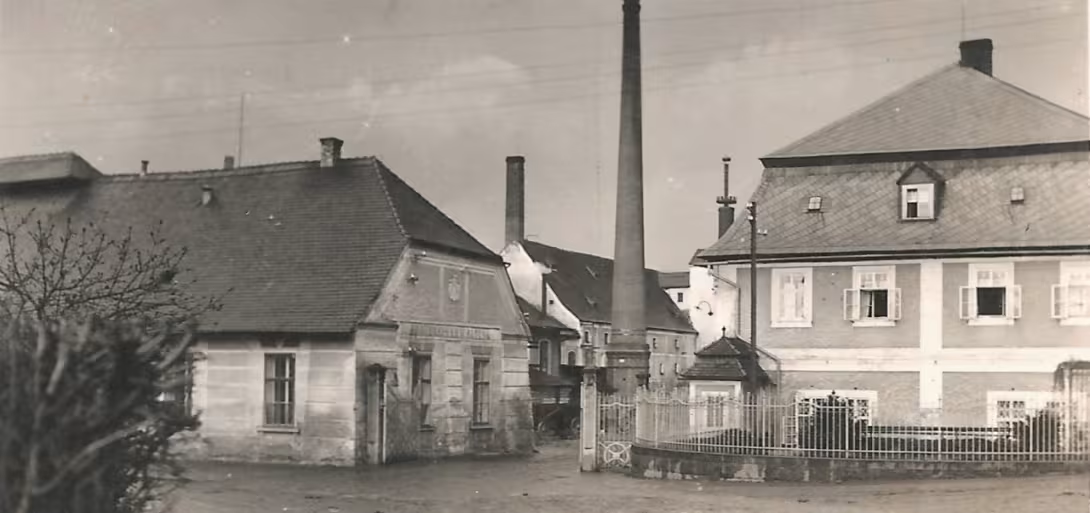

The historical appearance on the left is an AI-generated visualisation and serves as inspiration only.
Historical milestones
- 1566
- Hans ze Schleinitz established the independent Lipová estate.
- 1680
- Peasant uprising took place near the castle.
Architectural development
The original Renaissance castle was modified into a Baroque style after 1712. In the early 18th century, it was transformed into an economic complex with a brewery by Zacharias Hoffmann. The structure featured a mansard roof and baroque elements like lisened frames.
Historical events
Establishment of an independent Lipová estate by Hans ze Schleinitz in 1566.
Peasant uprising near the castle in 1680.
Owners
Schleinitz family (1566)
Kinští family (1602)
Wolfgang z Mansfeldu (1634)
Slavatové z Chlumu a Košumberka (post-1662)
Salm-Reifferscheidt family (1696)
Points of interest
- The Old Castle in Lipová was speculated to have incorporated remnants of a Gothic fortress into its Renaissance design, although no concrete records confirm this prior structure's existence before 1500. - During the peasant uprising of 1680, the castle served as a strategic gathering point for rebels from surrounding villages, highlighting its significance beyond just an architectural landmark.
- The transformation of the Old Castle into a brewery by Zacharias Hoffmann in the early 18th century marked a significant shift in its function, which it maintained until 1946, reflecting changing economic needs over time.
- Ownership of the castle changed hands multiple times, with notable owners including the Schleinitz family, Kinští family, Wolfgang z Mansfeldu, Slavatové, and Salm-Reifferscheidt families, each contributing to its evolving role in the community.
- Despite its historical significance, the Old Castle was demolished in the late 20th century due to disrepair, leaving no physical structure remaining but preserving its legacy through surrounding natural landscapes and historical sites.
Guide
This guide is narrated by a synthetic voice generated by artificial intelligence.
Show guide text
This text was created by artificial intelligence and has not been editorially reviewed. It may contain inaccuracies.
Welcome to the historic site of Lipová Castle, a remarkable testament to the region's rich past. As you stand here in Lipová, Ústecký kraj, imagine the landscape that once surrounded this grand structure. Although no physical remnants remain today, let us embark on a journey through time to uncover its story.
The origins of Lipová Castle trace back to the mid-16th century when Hans ze Schleinitz established an independent estate here in 1566. Initially designed as a Renaissance edifice, it reflected the architectural elegance and innovation of that era. Over the years, the castle underwent significant transformations, adopting Baroque elements that added layers of complexity and grandeur to its design.
As you look around this now tranquil site, envision the strategic importance the castle once held during pivotal historical events. One such event was the peasant uprising in 1680, where Lipová Castle served as a crucial gathering point for those involved in the revolt. This period highlights the castle's role not just as a residence but also as a focal point of regional power dynamics.
Throughout its history, Lipová Castle was associated with notable figures such as Georg ze Schleinitz and Vilém Kinský, who played significant roles in shaping its legacy. The castle's story is intertwined with that of Albrecht z Valdštejna, Wolfgang z Mansfeldu, and Leopold Antonín Salm-Reifferscheidt—each leaving their mark on this storied site.
A fascinating aspect of Lipová Castle is the speculation surrounding its architectural evolution. It's believed that remnants of a Gothic fortress may have been incorporated into its Renaissance design, although no concrete records confirm such structures existed before 1500. This mystery adds an intriguing layer to the castle's history, inviting us to ponder what secrets it might still hold beneath the surface.
As we conclude our exploration, I invite you to reflect on the stories and historical narratives that have unfolded here. While the physical structure may no longer stand, its legacy endures in the cultural tapestry of Lipová. Thank you for joining me on this journey through time, and I encourage you to continue exploring the rich history of this region.
Farewell from Lipová Castle—may your curiosity lead you to many more discoveries!
Businesses nearby
Do you run a restaurant, accommodation, shop, museum, rental, wellness or other visitor service near this monument? Show yourself directly to the people heading to it — this is how they will see you in the app and on the web:
Nearby
The area around Lipová includes natural landscapes and historical sites within a 5 km radius, though specific monuments are not detailed.
Visualizations and artistic views


The visualisations are generated by artificial intelligence and serve as inspiration.
Photos from the area
Real photos taken near the monument

Zdroj a licence jsou uvedeny u každého snímku.
Tips from visitors
No tips yet. Be the first!
Log in and add your tip.
Sources and literature
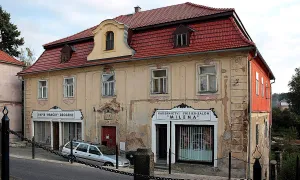
Photos: Gumideck / CC BY-SA 4.0, rozlišení zvýšeno umělou inteligencí — Wikimedia Commons. The author and licence also appear when you hover over the image.
Faktickým podkladem tohoto textu byl článek na Wikipedii, jehož autory jsou přispěvatelé Wikipedie. Článek je dostupný pod licencí CC BY-SA 4.0.
Location on the map


Příběhy a pověsti
Legendy, pověsti a příběhy spjaté s touto památkou
Fotografie návštěvníků
Zatím žádné fotografie. Buďte první, kdo přidá fotografii z návštěvy!
Log in a přidejte svou fotografii nebo hodnoťte.
Za ověřenou návštěvu v aplikaci získáte víc bodů — poznáme podle GPS, že jste na místě.
Reviews and comments