






Loretánská kaple v Rumburku Chapel
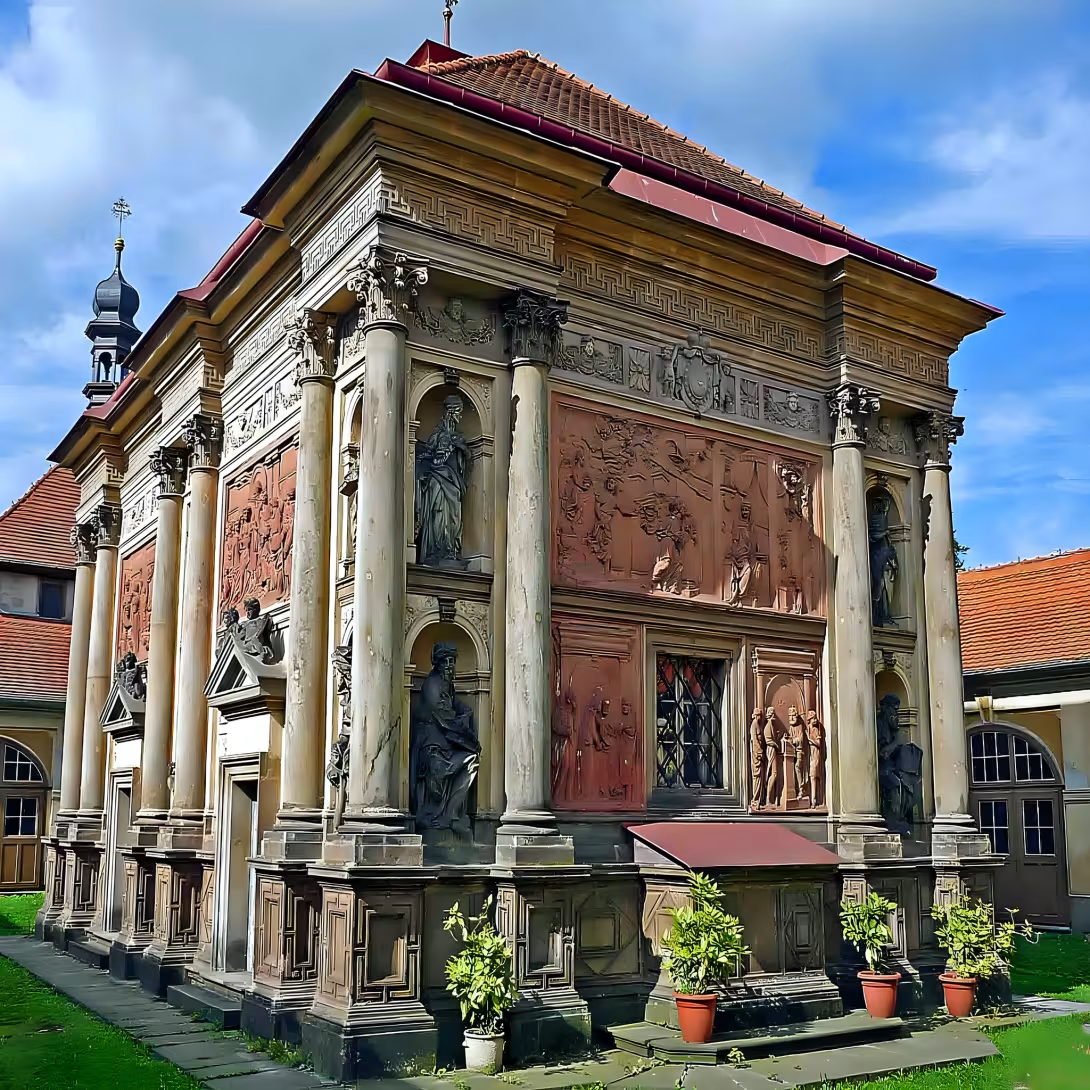
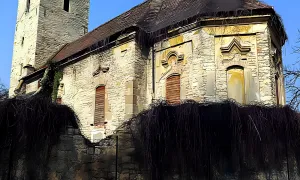
The Loretánská Kaple v Rumburku, also known as Rumburská Loreta, is a significant Baroque monument located in the Capuchin monastery. This chapel is an exact replica of its Italian counterpart and is the northernmost loretto chapel not only in the Czech Republic but across Europe. Commissioned by Prince Antonín Florián z Lichtenštejna, it exemplifies the architectural grandeur and religious fervor of the Baroque era.
Constructed between 1704 and 1707 under architect Jan Lukas Hildebrandt, this chapel is built entirely from sandstone, unlike its marble original in Italy. The exterior features sculptures of ten Sibyls and prophets by Baroque artist Jan František Biener(t) from Schirgiswalde. These sculptures include detailed reliefs depicting significant biblical events such as the Annunciation and the Adoration of the Magi.
The foundation stone was laid in 1704 by Bishop Jaroslav Ignác ze Šternberka. By 1707, a statue of the Black Madonna with Child, originally created and blessed in Rome, was solemnly transferred to the chapel. This replica had been displayed in Loretto before being brought to Rumburk, underscoring its spiritual significance.
The chapel is part of a larger complex built between 1743 and 1749, featuring chapels with Stations of the Cross adorned with paintings depicting scenes from the life of the Virgin Mary. Nearby are the Church of St. Lawrence and the former Capuchin monastery, now housing a city library.
During the early 18th century, when Bohemia was part of the Habsburg Monarchy, there was significant Baroque cultural development influenced by Catholic Counter-Reformation ideals. This period emphasized religious art and architecture as tools for spiritual renewal and expression, aligning with the chapel's creation.
Today, the Loretánská Kaple remains a well-preserved monument reflecting its historical and architectural significance. Visitors can explore not only the chapel but also the surrounding complex of buildings that contribute to its cultural heritage. The chapel is accessible to those interested in Baroque architecture and religious history, making it a worthwhile destination for tourists seeking to experience Europe's rich past.
The Loretánská Kaple stands as a testament to the enduring influence of Baroque artistry and devotion. Its historical significance and architectural beauty invite visitors to explore its serene environment and appreciate its place within European cultural heritage.
Then and now
Drag the slider to compare how the landmark may have looked when it was built with the view today.
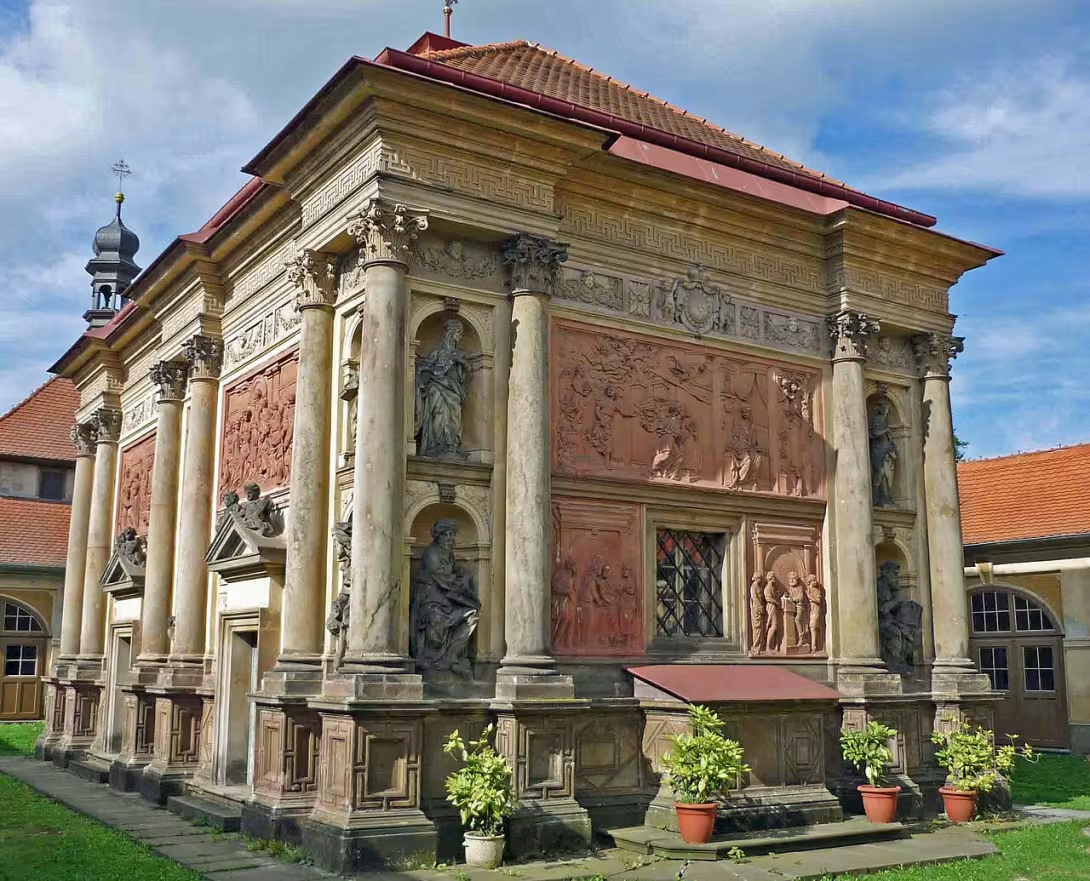
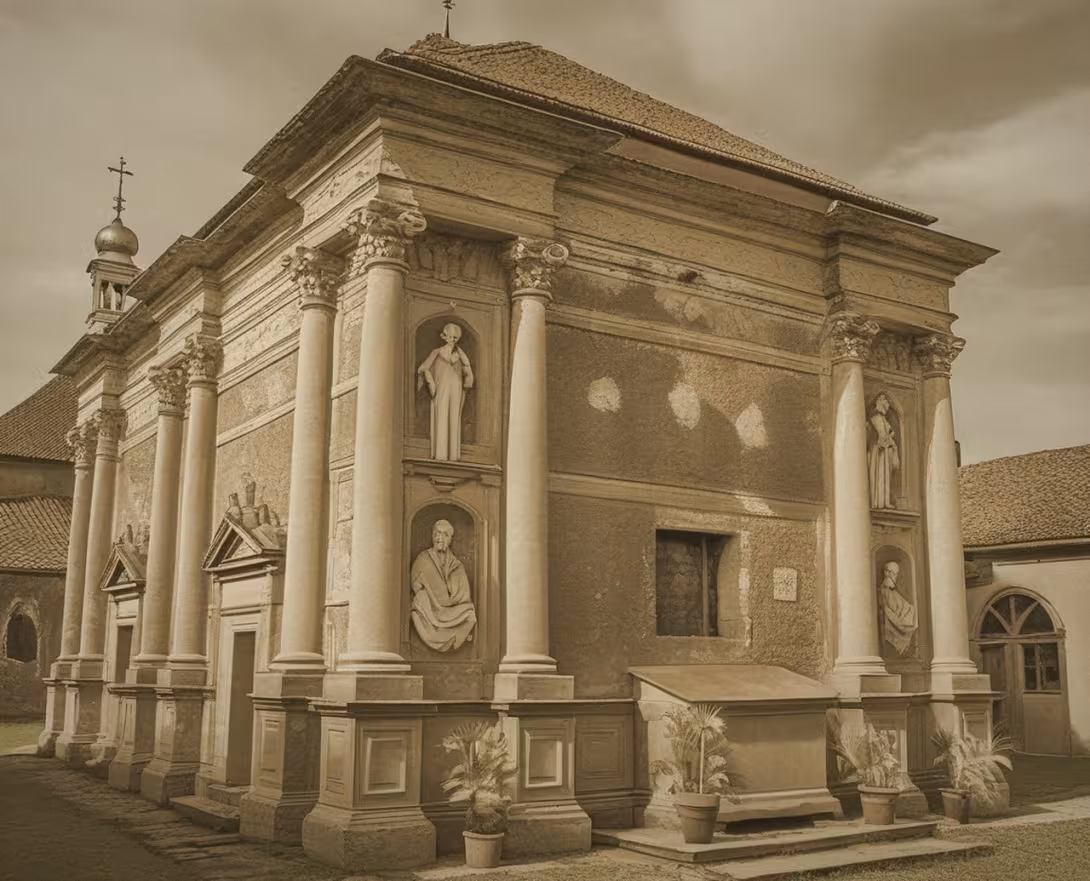
The historical appearance on the left is an AI-generated visualisation and serves as inspiration only.
Historical milestones
- 1701
- Commissioned by Prince Antonín Florián z Lichtenštejna.
- 1704
- Foundation stone laid by Bishop Jaroslav Ignác ze Šternberka.
- 1707
- Completion of the chapel and transfer of the Black Madonna statue.
- 1743
- Construction began on the larger complex with Stations of the Cross chapels.
- 1749
- Completion of the larger complex including chapels and other buildings.
Architectural development
Constructed between 1704 and 1707 by architect Jan Lukas Hildebrandt, the chapel is built entirely from sandstone, unlike its marble original. The exterior features sculptures of ten Sibyls and prophets crafted by Baroque artist Jan František Biener(t) from Schirgiswalde. These include detailed reliefs depicting significant biblical events such as the Annunciation and the Adoration of the Magi.
Historical events
The foundation stone of the chapel was laid in 1704 by Bishop Jaroslav Ignác ze Šternberka.
In 1707, a statue of the Black Madonna with Child, originally created and blessed in Rome, was solemnly transferred to the Loreta Chapel.
Points of interest
– The Loretánská Kaple's exterior sculptures of ten Sibyls and prophets were crafted by Jan František Biener(t), a Baroque artist from Schirgiswalde. These figures are unique in their detailed reliefs depicting significant biblical events, adding to the chapel’s artistic narrative.
– The statue of the Black Madonna with Child, central to the chapel's spiritual significance, was originally created and blessed in Rome before being displayed in Loretto and later transferred to Rumburk. This journey underscores its deep religious importance across different locations.
– Although built from sandstone rather than marble like its Italian counterpart, the chapel’s construction showcases the adaptability of Baroque architecture to local materials while maintaining stylistic fidelity to its original design by architect Jan Lukas Hildebrandt.
– The foundation stone of the Loretánská Kaple was laid in 1704 by Bishop Jaroslav Ignác ze Šternberka, highlighting the chapel's connection to ecclesiastical authority and its role within the broader religious landscape during the Baroque period.
– Part of a larger complex built between 1743 and 1749, the Loretánská Kaple is surrounded by chapels with Stations of the Cross. These paintings depict scenes from the life of the Virgin Mary, enriching the spiritual experience for visitors and reflecting the Counter-Reformation’s emphasis on religious art as a tool for devotion.
Guide
This guide is narrated by a synthetic voice generated by artificial intelligence.
Show guide text
This text was created by artificial intelligence and has not been editorially reviewed. It may contain inaccuracies.
Welcome to the Loretánská Kaple in Rumburku, a remarkable testament to Baroque artistry and devotion nestled within the serene precincts of a Capuchin monastery. As you stand here, take a moment to absorb the grandeur before you—a stunning replica of its Italian counterpart, yet uniquely positioned as Europe's northernmost loretto chapel.
Our journey through time begins in 1701 when Prince Antonín Florián z Lichtenštejna envisioned this sacred space. Commissioned with deep reverence, the foundation stone was laid by Bishop Jaroslav Ignác ze Šternberka in 1704, marking the start of a spiritual and architectural endeavor that would culminate in 1707 with the completion of the chapel and the revered transfer of the Black Madonna statue.
The mastermind behind this Baroque marvel is Jan Lukas Hildebrandt, whose vision brought forth an intricate dance of light and shadow across the chapel's surfaces. As you explore further, notice how the architecture invites contemplation—its harmonious proportions and delicate ornamentation whisper stories of faith and artistry.
Now, turn your attention to the exterior sculptures crafted by Jan František Biener(t), a Baroque artist from Schirgiswalde. These ten Sibyls and prophets are not mere adornments; they are storytellers in stone, their detailed reliefs capturing pivotal biblical events that enrich the chapel's narrative.
The history of this place is woven with intriguing tales, such as the construction of the larger complex between 1743 and 1749, which included Stations of the Cross chapels. These additions further enhanced the spiritual journey for pilgrims who sought solace and reflection within these sacred walls.
As you immerse yourself in this tranquil setting, let your imagination wander to the lives of those like Prince Antonín Florián z Lichtenštejna and Bishop Jaroslav Ignác ze Šternberka, whose legacies are etched into the very stones of this chapel. Their dedication continues to inspire visitors centuries later.
Before you depart, take a moment to appreciate the unique blend of history, art, and spirituality that surrounds you. The Loretánská Kaple is not just a monument; it's a living narrative waiting to be discovered. We invite you to continue exploring its depths and uncovering its secrets at your own pace.
Thank you for joining us on this journey through time and faith. May the beauty of Rumburku's Loreta Chapel linger in your heart long after you leave. Safe travels, and we hope to welcome you back soon.
Tips for visitors
The best time to visit the Loretánská kaple v Rumburku is during late spring or early autumn when the weather is mild, making it ideal for exploring both the chapel and its surroundings. During these seasons, you can enjoy pleasant temperatures that are perfect for walking around the complex of buildings, including the chapels with Stations of the Cross and the Church of St. Lawrence. Additionally, visiting in these months allows you to experience local festivals or events that might be taking place, adding a vibrant cultural dimension to your visit.
Parking is available near the Loretánská kaple v Rumburku, but it's advisable to check for any restrictions or specific parking areas designated for visitors. Public transportation options are also accessible; however, you should verify current routes and schedules using an online search tool prior to your trip. This ensures a smooth journey to the chapel without the hassle of navigating unfamiliar roads.
When visiting the Loretánská kaple v Rumburku, it's recommended to bring comfortable walking shoes as there are several buildings and areas to explore within the vicinity. A camera is also advisable for capturing the intricate Baroque architecture and detailed paintings depicting scenes from the life of the Virgin Mary. For photography enthusiasts, early morning or late afternoon light provides a soft glow that enhances the chapel’s features, making these times ideal for taking photos.
Nearby attractions include the Church of St. Lawrence and the former Capuchin monastery, which now houses a city library. These sites are within a 30-minute walk from the Loretánská kaple v Rumburku, offering additional cultural and historical insights into the area. Families with children might find these locations engaging due to their rich history and architectural beauty, providing an educational experience for all ages.
For families visiting with children, consider bringing a small picnic or snacks as there are areas around the chapel where you can relax and enjoy a meal outdoors. Engaging children in the historical significance of the site through storytelling about the Virgin Mary or the Baroque period can make the visit more interactive and memorable for them.
Businesses nearby
Do you run a restaurant, accommodation, shop, museum, rental, wellness or other visitor service near this monument? Show yourself directly to the people heading to it — this is how they will see you in the app and on the web:
Nearby
Surrounding the Loreta Chapel is a complex of several buildings including chapels with Stations of the Cross, adorned with paintings depicting scenes from the life of the Virgin Mary. Nearby are the Church of St. Lawrence and the former Capuchin monastery, now housing a city library.
Accommodation nearby
Themed route
Thematic Walking Tour: Rumburk's Loreta Chapel and Surroundings
1. Loretánská Kaple (Loreta Chapel) - Type: Religious Monument - Why Visit: The Loretánská Kaple is a stunning Baroque chapel complex featuring chapels with Stations of the Cross, each adorned with exquisite paintings depicting scenes from the life of the Virgin Mary. This architectural gem offers visitors an immersive experience into religious art and history.
2. Kostel svatého Vavřince (Church of St. Lawrence) - Type: Church - Why Visit: Located nearby, Kostel svatého Vavřince is a significant historical church that complements the spiritual ambiance of the Loreta Chapel. Its architecture and serene atmosphere provide an excellent opportunity for reflection and appreciation of Rumburk's rich ecclesiastical heritage.
3. Bývalý kapucínský klášter (Former Capuchin Monastery) - Type: Historical Building - Why Visit: This former monastery now houses the city library, offering a unique blend of historical architecture and modern utility. Visitors can explore its storied past while enjoying access to an extensive collection of books in a setting that once served as a place of contemplation for Capuchin monks.
This tour provides a cohesive journey through Rumburk's religious and cultural landmarks, allowing visitors to delve into the town's historical narrative centered around faith and community.
Seasonal recommendations
Spring: The Loretánská kaple v Rumburku is particularly enchanting in spring when the surrounding landscape bursts into vibrant colors with blooming flowers and lush greenery, creating a picturesque setting for visitors. The gentle sunlight enhances the natural beauty of the area, casting soft shadows that highlight the intricate details of the chapel's architecture. During this season, it’s advisable to visit in the late morning or early afternoon when temperatures are pleasant, allowing you to fully appreciate both the indoor and outdoor environments without the chill of early spring mornings. Light layers are recommended as weather can be variable, with occasional rain showers adding a fresh scent to the air.
Summer: Summer offers an ideal time for exploring Loretánská kaple v Rumburku due to its warm temperatures and extended daylight hours, which provide ample opportunity for sightseeing. The chapel is often surrounded by vibrant greenery, making it perfect for outdoor photography or a leisurely walk around the area. However, this is also peak tourist season, so visitors should consider arriving early in the morning to avoid larger crowds and ensure a more peaceful experience. Comfortable walking shoes and light clothing are recommended due to the warmer weather, along with sunscreen and a hat to protect from the sun.
Autumn: Autumn transforms Loretánská kaple v Rumburku into a stunning display of warm hues as the leaves change color, creating an atmospheric backdrop that enhances the historical charm of the chapel. The cooler temperatures make it a comfortable time for exploration without the summer crowds, allowing visitors to enjoy the serene beauty in relative solitude. Late afternoon visits are particularly magical when the setting sun casts golden light through the trees and onto the chapel’s façade. Layered clothing is advisable as mornings can be brisk, with temperatures warming up later in the day.
Winter: The Loretánská kaple v Rumburku takes on a mystical quality during winter, with snow-covered landscapes providing a serene and almost ethereal atmosphere that contrasts beautifully with the chapel's historic architecture. While the chapel may have shorter opening hours due to the cold weather, visiting in winter offers a unique experience of tranquility and quiet beauty. It’s best to dress warmly in layers, including a hat and gloves, as temperatures can be quite low. Early morning visits are ideal for capturing crisp, clear air and soft light, offering a peaceful start to your day before the site becomes busier later on.
Visualizations and artistic views


The visualisations are generated by artificial intelligence and serve as inspiration.
Photos from the area
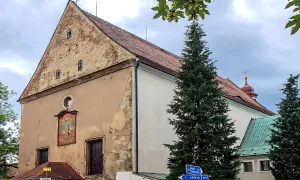
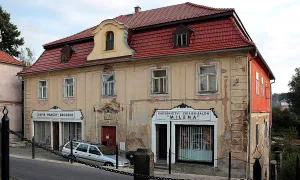
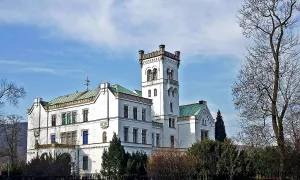
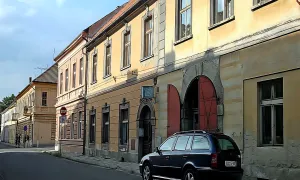
Real photos taken near the monument

Zdroj a licence jsou uvedeny u každého snímku.
Tips from visitors
No tips yet. Be the first!
Log in and add your tip.
Sources and literature
Fotografie: SchiDD / CC BY 3.0, rozlišení zvýšeno umělou inteligencí — Wikimedia Commons. The author and licence also appear when you hover over the image.
Faktickým podkladem tohoto textu byl článek na Wikipedii, jehož autory jsou přispěvatelé Wikipedie. Článek je dostupný pod licencí CC BY-SA 4.0.
Location on the map
Příběhy a pověsti
Legendy, pověsti a příběhy spjaté s touto památkou
Příběh: Loretánská kaple v Rumburku
Bylo to v pondělí ráno, kdy Martin zjistil, že je jeho poklad odcizený – tajemná kapsa od matky s starověkými mincemi. Na cestě do Rumburku hledal útěchu neb…
Číst příběh
Pověst: Loretánská kaple v Rumburku
Traduje se, že kníže Antonín Florián z Lichtenštejna se vrátil z italského Loreta změněný. Nebylo to jen pouhé poutnické zanícení, které ho tehdy zachvátilo,…
Číst příběhFotografie návštěvníků
Zatím žádné fotografie. Buďte první, kdo přidá fotografii z návštěvy!
Přihlaste se a přidejte svou fotografii nebo hodnoťte.
Za ověřenou návštěvu v aplikaci získáte víc bodů — poznáme podle GPS, že jste na místě.
Reviews and comments