






Maltézský mlýn Water mill
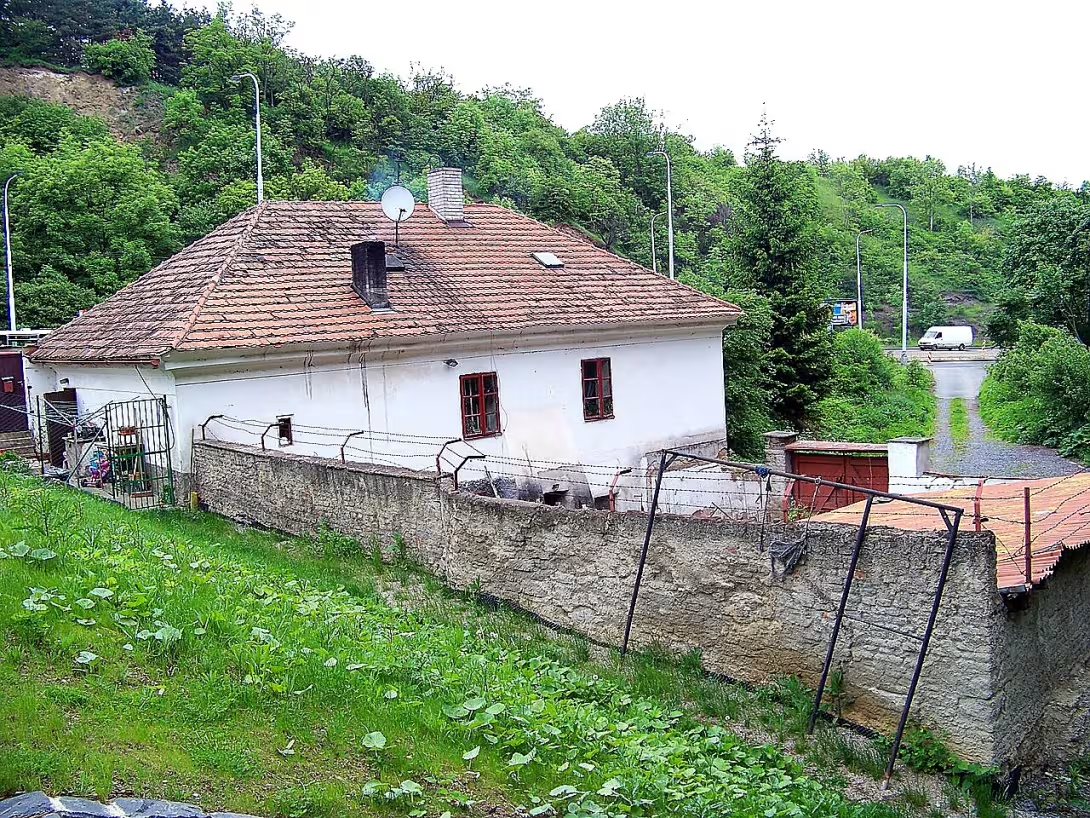
Maltézský Mill, also known as Motolský Mill or originally Tomanovský Mill, is a historic water mill in Prague's Motol district. Constructed in the late 16th century on the banks of Motolský Potok, this monument stands out for its architectural evolution and cultural significance, having been registered as a cultural monument in the Czech Republic. Its history reflects various ownerships and modifications that mirror broader historical trends.
The mill's origins date back to 1574 when Václav Zajíc z Hazmburka granted Jan Toman permission to build it on Motolský Potok. This era was marked by Habsburg rule over Bohemia, characterized by religious tensions and significant architectural developments in Europe. By 1586, the mill was linked with Horákovský or Humbalovský dvůr in Motol, indicating its early integration into local landholdings. However, during the Thirty Years' War, it suffered damage and fell into disrepair, a common fate for many structures of that time.
Architecturally, Maltézský Mill has undergone several transformations since its inception. In the late 18th century, it was modified in the Baroque style, reflecting artistic trends of the period. Later, Classicist alterations were made, showcasing shifting aesthetic preferences. These changes highlight the mill’s adaptability and evolving tastes over centuries.
Ownership of Maltézský Mill has seen dramatic shifts. After its initial construction, it remained tied to local estates until 1747 when it came into the possession of the Order of Malta (Johanitů). This transition marked a significant change in the mill's history as it became part of a larger network managed by this influential order.
Throughout its history, Maltézský Mill has witnessed notable events and curiosities. It is mentioned in Ján Neruda’s 'Povídky malostranské', linking the mill to Czech literary heritage. The 20th century brought further changes with expansions and modifications to Plzeňská ulice, partially obscuring the northern side of the mill due to road developments. Additionally, a significant reconstruction of the adjacent Mlýnský rybník took place in 2008, restoring an essential part of its landscape.
Today, Maltézský Mill serves as residential space for a construction firm and remains privately owned. Its historical significance is preserved through its registration as a cultural monument. Visitors can appreciate the mill's architectural evolution and its role within the local community. The site’s proximity to natural features like Motolský Potok and Mlýnský rybník, along with its inclusion in Přírodní park Košíře-Motol, adds to its appeal.
Maltézský Mill stands as a testament to Prague's rich architectural heritage. Its journey through time reflects broader historical narratives and cultural shifts. For those interested in exploring the layers of history embedded within Prague’s urban landscape, a visit offers a unique glimpse into the past while appreciating its continued relevance today.
Then and now
Drag the slider to compare how the landmark may have looked when it was built with the view today.
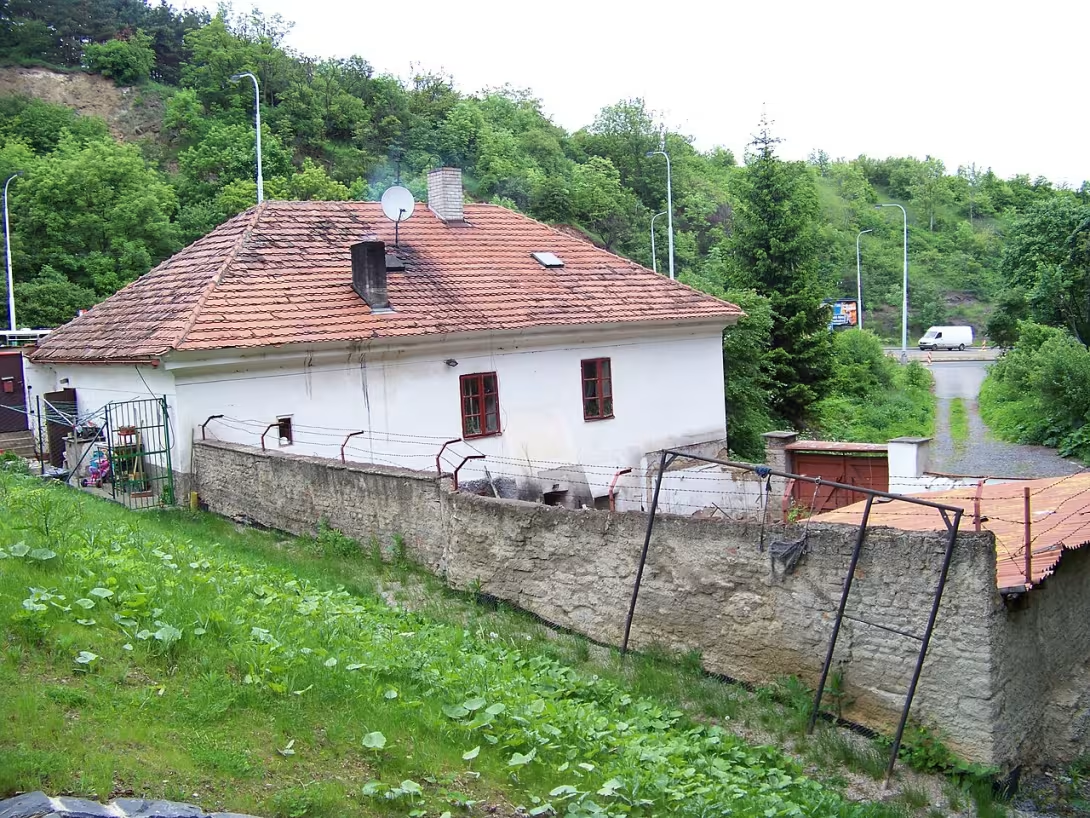

The historical appearance on the left is an AI-generated visualisation and serves as inspiration only.
Historical milestones
- 1574
- Permission granted for building the mill.
- 1586
- Mill associated with Horákovský or Humbalovský dvůr in Motol.
- 1747
- Acquired by the Order of Malta.
Architectural development
The original structure from the late 16th century underwent significant changes over time. In the second half of the 18th century, it was modified to reflect Baroque architectural styles, followed by Classicist updates. The surrounding area saw further development in the 20th century with expansions and modifications to Plzeňská ulice.
Historical events
In 1574, Václav Zajíc z Hazmburka granted permission to Jan Toman for building the mill on Motolský potok.
During the Thirty Years' War, the mill was damaged and fell into disrepair.
In 1747, the Order of Malta acquired the mill along with other properties in Motol.
Owners
The mill was initially granted to Jan Toman by Václav Zajíc z Hazmburka in 1574. It became associated with Horákovský or Humbalovský dvůr in Motol by 1586 and changed hands multiple times before being acquired by the Order of Malta (Johanitů) in 1747.
Points of interest
- The Maltézský Mill is linked to Czech literary heritage through its mention in Ján Neruda’s 'Povídky malostranské', highlighting its cultural significance beyond architecture.
- During the Thirty Years' War, like many other structures of that era, the mill suffered damage and fell into disrepair, reflecting the widespread destruction during this tumultuous period.
- In 1747, ownership transitioned to the Order of Malta (Johanitů), marking a significant shift in its history as it became part of an influential international network.
- The late 18th-century Baroque modifications of the mill reflect broader artistic trends in Europe and showcase how local architecture adapted to these styles.
- A notable reconstruction of Mlýnský rybník occurred in 2008, emphasizing efforts to restore and preserve the surrounding landscape integral to the mill’s historical setting.
Guide
This guide is narrated by a synthetic voice generated by artificial intelligence.
Show guide text
This text was created by artificial intelligence and has not been editorially reviewed. It may contain inaccuracies.
Welcome to the historic site of the Maltézský Mill, nestled in the charming district of Motol. As you stand here, take a moment to absorb the serene surroundings where this iconic water mill has stood for centuries. Built on the banks of the Motolský potok, its presence is both commanding and inviting, offering a glimpse into a rich past.
The story of this mill begins in 1574 when permission was granted to construct it. Initially known as Tomanovský mlýn, after Jan Toman who played a pivotal role in its creation, the mill has been an integral part of Motol's history. By 1586, it had become associated with Horákovský or Humbalovský dvůr, marking its importance within the local community.
As you look around, notice how the architecture bears witness to several centuries of change. Although the original architects remain unknown, the mill has undergone numerous modifications, including Baroque alterations that add a layer of historical intrigue. Observe the structure's resilience and adaptability through these changes, which speak volumes about its enduring legacy.
The Maltézský Mill also holds a special place in Czech cultural heritage. It was mentioned in Ján Neruda’s 'Povídky malostranské', highlighting its significance beyond mere architecture. This literary connection adds depth to your visit, inviting you to imagine the stories and lives intertwined with this historic site.
Reflect on the turbulent times during the Thirty Years' War when the mill, like many structures of that era, suffered damage and fell into disrepair. Despite these challenges, it has stood the test of time, a testament to its historical resilience.
As we conclude our brief journey through history, I invite you to explore further and let your curiosity guide you. Whether you wander along the banks of the Motolský potok or simply sit and soak in the atmosphere, there's always more to discover at this remarkable site. Thank you for joining me on this tour, and may your visit be both enlightening and inspiring.
Tips for visitors
The best time to visit Maltézský mlýn is during the late spring or early autumn months when the weather is pleasant, allowing you to enjoy the scenic landscape around the mill and nearby natural park. These seasons offer mild temperatures ideal for walking and exploring the area without the crowds that might be present in summer. Additionally, the foliage during these times provides a beautiful backdrop for photography.
Visitors are encouraged to use public transportation or park at nearby facilities and walk from there.
When visiting Maltézský mlýn, bring comfortable walking shoes as you'll likely want to explore the surrounding natural park area. A camera is recommended for capturing the picturesque views around the mill and the serene waters of Mlýnský rybník. Since there are no specific facilities at the site, consider bringing a picnic if you plan to spend more time exploring the area.
For photography enthusiasts, the best spots around Maltézský mlýn include the banks of Motolský potok and views overlooking Mlýnský rybník. Early morning or late afternoon light provides soft, golden hues that enhance the natural beauty of the landscape. The contrast between the historic architecture of the mill and its natural surroundings offers unique photographic opportunities.
Families with children will find the area around Maltézský mlýn enjoyable for a leisurely day out. The nearby crematorium park is suitable for quiet walks, while the natural park boundary provides space for more active exploration. For those interested in history or architecture, the mill itself offers an educational experience about traditional water mills and their role in local industry.
Frequently asked questions
Can the monument be visited?
This is a technical monument. Some are open as exhibitions, others are out of use or on private land. We have not verified whether this one is accessible.
What are the opening hours and admission?
We have not verified the opening hours or admission. Current information is published by the operator.
Where is the monument?
Location: Motol, Hlavní město Praha. The map on this page shows the exact spot.
Why is the monument protected?
It is listed in the Central List of Cultural Monuments of the Czech Republic as a cultural monument (register no. 1000153221).
Businesses nearby
Do you run a restaurant, accommodation, shop, museum, rental, wellness or other visitor service near this monument? Show yourself directly to the people heading to it — this is how they will see you in the app and on the web:
Events nearby

Zdroj akcí: otevřená data měst a obcí ČR (Národní katalog otevřených dat) a kalendář akcí Národního památkového ústavu.
Nearby
The mill is situated near the Mlýnský rybník and Motolský potok, with a natural park boundary nearby. The area includes a crematorium and is characterized by its scenic landscape.
Accommodation nearby
Trips and activities nearby
Guided tours, tickets and activities nearby from GetYourGuide
Affiliate link: if you buy from the partner, we may receive a commission. The price for you does not change.
Search tours and activities →Themed route
Thematic Walking Tour: The Maltese Mill and Its Surroundings
1. The Maltese Mill (Watermill) - Type: Historical Watermill - Why Visit: Begin your journey at the heart of this tour, the Maltese Mill, a charming water-powered structure that stands as a testament to traditional milling techniques. Explore its architecture and learn about its historical significance in local agriculture.
2. Mlýnský rybník (Mill Pond) - Type: Natural Waterbody - Why Visit: Just a short walk from the Maltese Mill, Mlýnský rybník offers serene waters that reflect the surrounding landscape. It's an ideal spot for relaxation and photography, capturing the tranquil beauty of Motol.
3. Motolský potok (Motol Stream) - Type: Natural Watercourse - Why Visit: Follow the gentle flow of Motolský potok as it meanders through the area. This stream is perfect for a leisurely stroll, offering picturesque views and a peaceful atmosphere that complements the natural park boundary nearby.
4. Local Crematorium - Type: Memorial Site - Why Visit: Conclude your tour at the local crematorium, which provides a reflective space amidst Motol's scenic landscape. It's an opportunity to appreciate the thoughtful integration of memorial architecture within nature, offering tranquility and contemplation.
This route offers a harmonious blend of history, nature, and reflection, providing visitors with a comprehensive experience of the Maltese Mill and its enchanting surroundings in Motol.
Seasonal recommendations
Jaro: During the spring season, Maltézský mlýn on Motol takes on a special shimmering illumination as the sun shines through blooming trees and shrubs. This period is one of renewal in nature, bringing a lively atmosphere with buzzing insects and flowers of various colors. Visitors should dress warmly in jackets or skirts, as mornings and evenings can be chilly. Spring is ideal for visiting in the afternoon when the sun is at its highest and nature offers its best views.
Léto: Summer brings long days and warm light that highlights the historical architecture of Maltézský mlýn. Nature is in full bloom, making the surrounding landscape especially captivating for photographers and nature lovers. During this season, there may be more visitors, particularly during peak summer months, so it's advisable to visit at a leisurely pace and earlier in the day to avoid large crowds. Don't forget light clothing, sunscreen, and plenty of water.
Podzim: Autumn brings cooler weather and a golden palette of colors in the leaves, giving Maltézský mlýn on Motol a cozy atmosphere. This season is often less visited than spring and summer, meaning you can enjoy a more relaxed visit without too many crowds. Visitors should be equipped with warm clothing and possibly an umbrella, as autumn weather can change suddenly. The best time for a tour is in the early afternoon when the sun is still warm and nature offers its most beautiful autumn colors.
Zima: Winter brings cold weather and shorter days, leading to a cozy atmosphere around Maltézský mlýn. The sunlight is softer and warmer, allowing for a calm visit without being overwhelmed by crowds of visitors. Visitors are recommended to wear warm clothing and possibly boots for dry ground, as winter can bring moisture or snow. This season is ideal for those seeking quiet moments in style and history without the disturbance of crowds.
Visualizations and artistic views


The visualisations are generated by artificial intelligence and serve as inspiration.
Photos from the area
Real photos taken near the monument


Zdroj a licence jsou uvedeny u každého snímku.
Tips from visitors
No tips yet. Be the first!
Log in and add your tip.
Sources and literature
Photos: ŠJů (cs:ŠJů) / CC BY-SA 3.0 — Wikimedia Commons. The author and licence also appear when you hover over the image.
Faktickým podkladem tohoto textu byl článek na Wikipedii, jehož autory jsou přispěvatelé Wikipedie. Článek je dostupný pod licencí CC BY-SA 4.0.
Location on the map

Příběhy a pověsti
Legendy, pověsti a příběhy spjaté s touto památkou
Fotografie návštěvníků
Zatím žádné fotografie. Buďte první, kdo přidá fotografii z návštěvy!
Log in a přidejte svou fotografii nebo hodnoťte.
Za ověřenou návštěvu v aplikaci získáte víc bodů — poznáme podle GPS, že jste na místě.
Reviews and comments