






zámek Motol Chateau
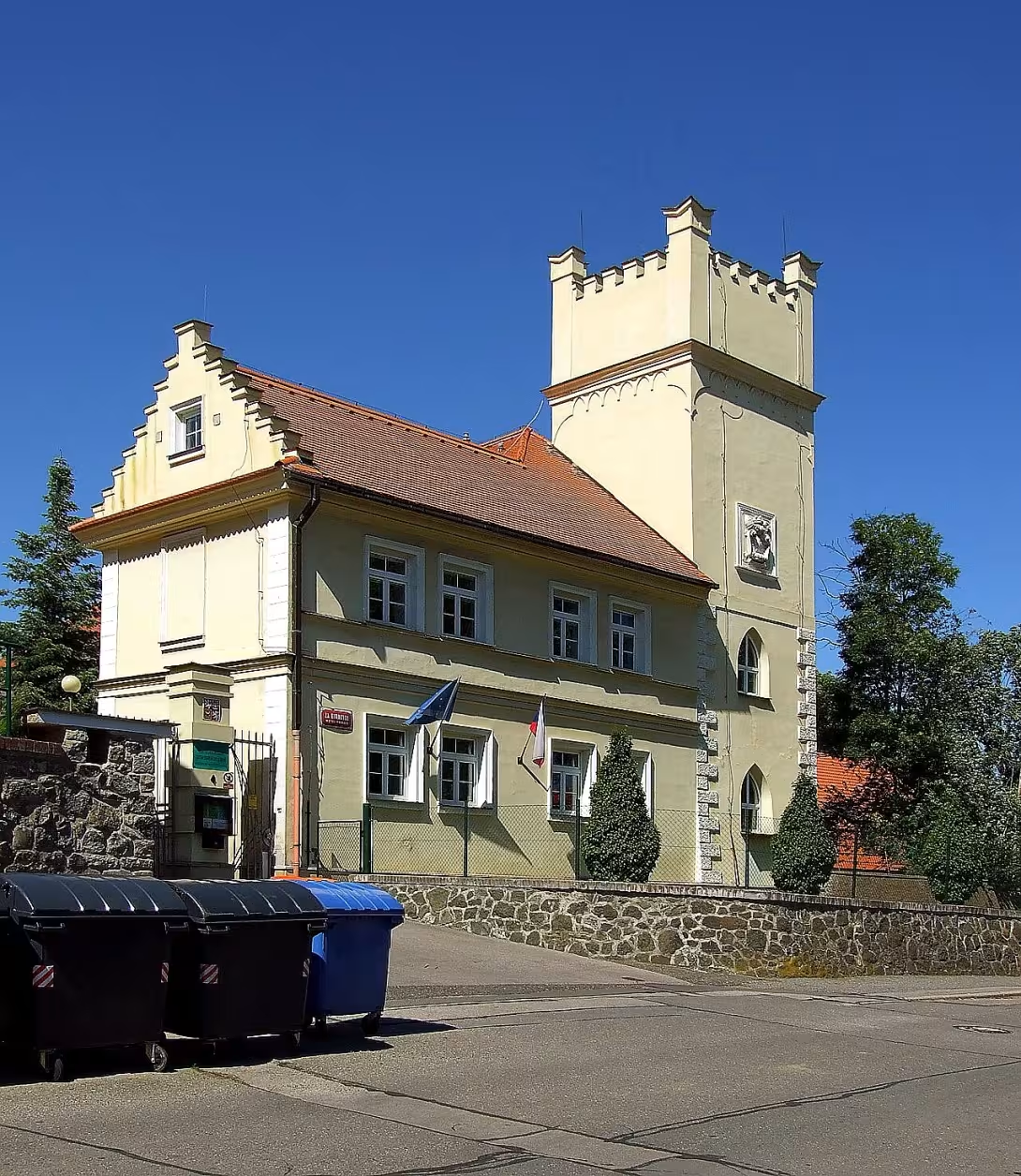
Zámek Motol is a significant Neo-Gothic monument in Prague's Motol district, known for its transformation from a baroque manor house to its current form. Originally constructed between 1686 and 1689 by Kryštof Vratislav z Mitrovic, it has undergone substantial changes over the centuries. The castle features a corner tower adorned with the emblem of the Order of Malta, reflecting its rich history.
The origins of Zámek Motol date back to when Bohemia was part of the Habsburg Monarchy during the baroque era's cultural flourishing. Kryštof Vratislav z Mitrovic commissioned the initial baroque manor house in the late 17th century, using designs by J. A. Canevalle and stucco work by Spazia. This structure laid the foundation for what would become a significant architectural landmark.
In the late 19th century, under the Malostranské johanité's ownership, the manor was extensively renovated into the Neo-Gothic castle seen today. Architecturally, Zámek Motol is characterized by its two-winged design and prominent corner tower featuring the Order of Malta emblem. The transformation from a baroque manor house to a Neo-Gothic castle involved significant stylistic changes, reflecting broader European trends in architectural revival during the 19th century.
Ownership and use have shifted over time, showing adaptability to various needs. Initially owned by Kryštof Vratislav z Mitrovic, it later became property of the Malostranské johanité, who were instrumental in its Neo-Gothic transformation. In the early 20th century, the castle served military purposes as headquarters and barracks for units like the 8th Heavy Artillery Division and the Czechoslovak 101st Artillery Regiment. Today, it functions as the headquarters for the Central Control and Testing Institute for Agriculture and the Prague Inspectorate of State Agricultural and Food Inspection.
Throughout its history, Zámek Motol has been a site of significant events, especially during its military use in the early 20th century. Although specific battles or notable figures are not documented, its role as a military headquarters underscores its strategic importance. The emblem of the Order of Malta on its tower remains a distinctive feature, hinting at historical connections and influences.
Currently, Zámek Motol is not accessible to the public, adding an element of mystery and exclusivity to this historic site. Despite inaccessibility, it holds value as a testament to architectural evolution and historical adaptation within Prague's urban landscape. Its location in a residential area with convenient tram access via lines 9, 10, and 16 makes it easily reachable for those interested in exploring the surrounding district.
Zámek Motol stands as a silent witness to centuries of change, embodying both artistic aspirations and practical needs of its various owners. While visitors may not step inside, the castle's presence enriches Prague's cultural tapestry, inviting curiosity and appreciation from afar. Its historical significance and architectural beauty make it a worthwhile point of interest for anyone exploring the city's rich heritage.
Then and now
Drag the slider to compare how the landmark may have looked when it was built with the view today.
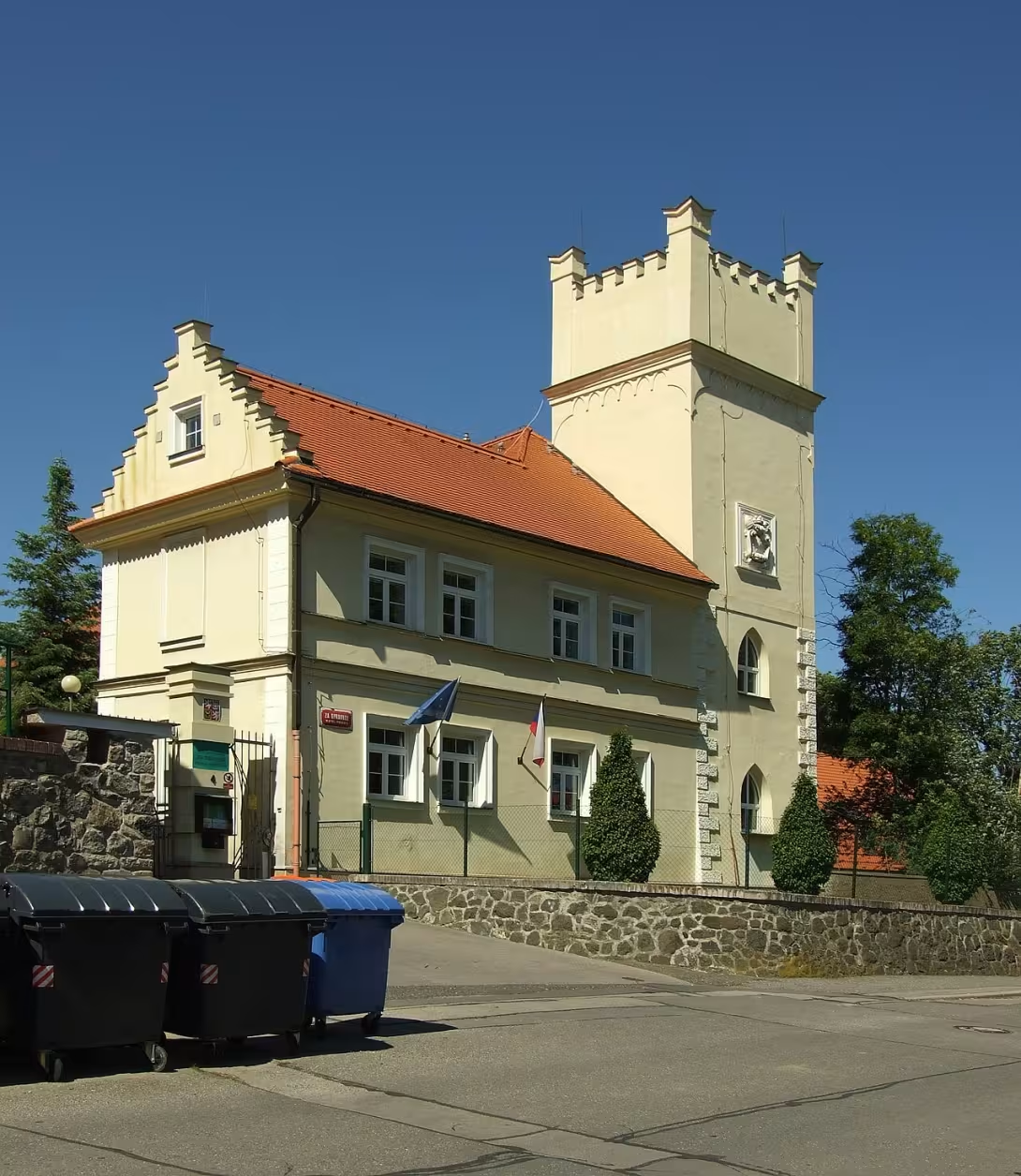
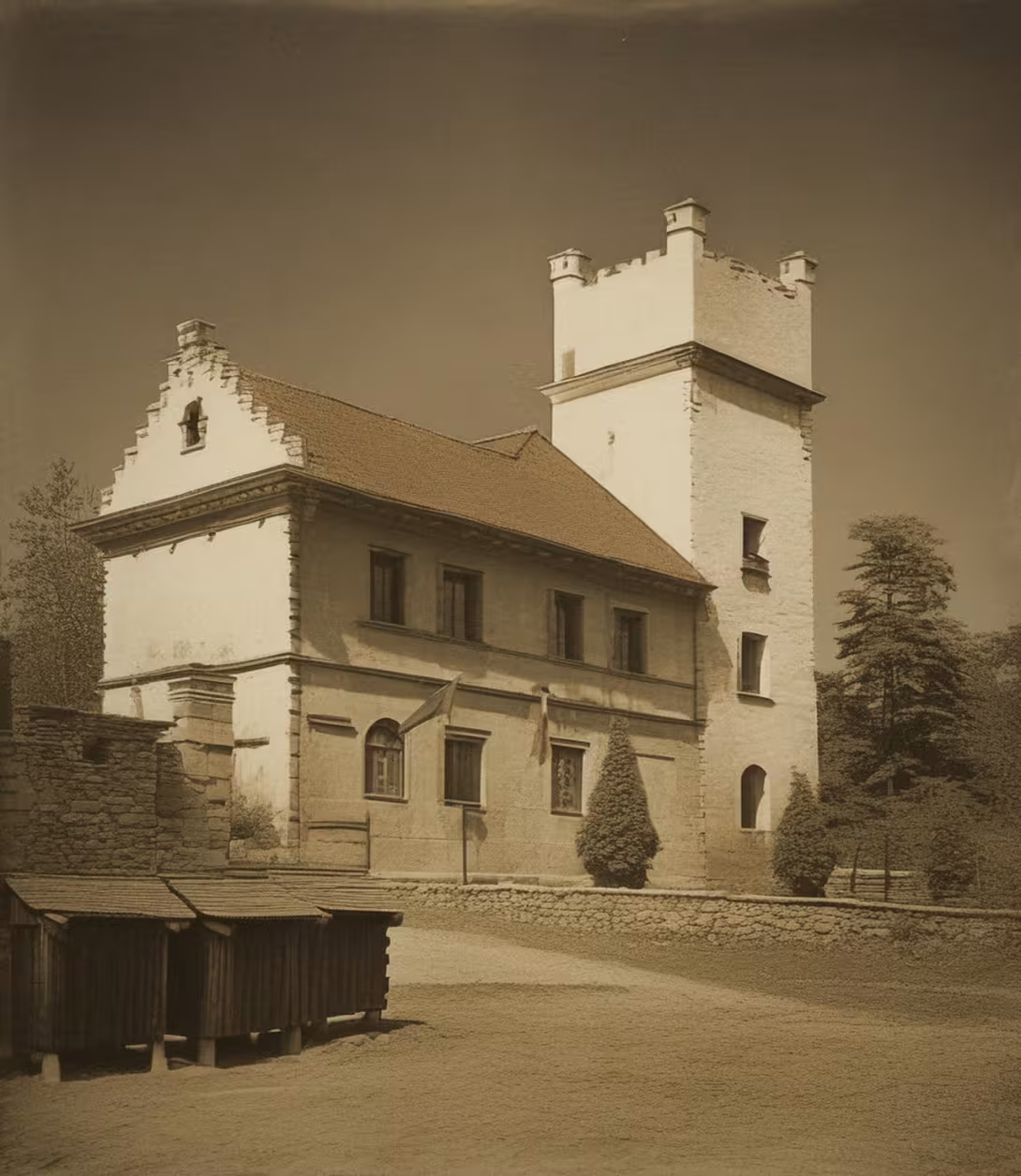
The historical appearance on the left is an AI-generated visualisation and serves as inspiration only.
Historical milestones
- 1686-1689
- Kryštof Vratislav z Mitrovic built a baroque country estate.
- Late 19th century
- Transformation into a neo-Gothic castle under the leadership of the Malostranský Johannites.
- Early 20th century
- The castle served as military barracks and headquarters for various units.
Architectural development
The original structure was a baroque manor house built between 1686 and 1689. In the late 19th century, it underwent significant changes to become a Neo-Gothic castle under the Malostranské johanité. The addition of a corner tower with the emblem of the Order of Malta is one of its distinctive features.
Historical events
1686-1689: Construction of a baroque manor house by Kryštof Vratislav z Mitrovic.
Late 19th century: Transformation into the Neo-Gothic castle by Malostranské johanité.
Early 20th century: Used as military headquarters and barracks.
Owners
Originally owned by Kryštof Vratislav z Mitrovic in the late 17th century, later transformed by Malostranské johanité in the 19th century. In the early 20th century, it was used by military units and currently houses agricultural inspection offices.
Points of interest
- The emblem of the Order of Malta adorning Zámek Motol's tower is a rare example of this chivalric order’s influence in Central Europe, highlighting its historical reach beyond traditional strongholds like Italy and Malta.
- Despite its Neo-Gothic transformation, remnants of the original baroque design by J. A. Canevalle can still be detected in the castle's structural elements, offering a unique blend of architectural styles that reflect different eras.
- In the early 20th century, Zámek Motol served as a military headquarters for units such as the 8th Heavy Artillery Division and the Czechoslovak 101st Artillery Regiment, illustrating its strategic importance during tumultuous times in European history.
- The castle's current role as the headquarters for the Central Control and Testing Institute for Agriculture signifies a shift from martial to agricultural oversight, showcasing its adaptability to modern state functions.
- Although Zámek Motol is not open to the public, it remains a subject of intrigue due to its exclusive nature and historical significance, often sparking curiosity among those who pass by its enigmatic facade in Prague's Motol district.
Guide
This guide is narrated by a synthetic voice generated by artificial intelligence.
Show guide text
This text was created by artificial intelligence and has not been editorially reviewed. It may contain inaccuracies.
Welcome to the historic Zámek Motol, a captivating site nestled in the Prague district of Motol. As you stand here, take a moment to appreciate the grandeur before you. The castle's imposing structure and intricate details beckon you to explore its storied past.
The story of Zámek Motol begins in the late 17th century when Kryštof Vratislav z Mitrovic commissioned the construction of a baroque manor house between 1686 and 1689. This initial structure laid the foundation for what would become an architectural marvel. As you gaze upon its walls, imagine the vision of Vratislav coming to life in this serene setting.
Fast forward to the late 19th century, when the castle underwent a significant transformation under the guidance of the Malostranské johanité. This period marked the transition from baroque elegance to Neo-Gothic grandeur, reflecting broader architectural trends of the time. The architects J. A. Canevalle and Spazia were instrumental in this metamorphosis.
As you explore further, take a moment to look up at the castle's corner tower. Here lies one of Zámek Motol's most intriguing features: the emblem of the Order of Malta. This rare symbol highlights the historical reach of this chivalric order beyond its traditional strongholds in Italy and Malta, offering a glimpse into the interconnectedness of European history.
Throughout the 20th century, particularly in its early years, Zámek Motol served as military barracks and headquarters for various units. These walls have witnessed not only architectural transformations but also pivotal moments in history.
As you continue your journey through this remarkable site, let yourself be drawn into the stories and personalities that have shaped its legacy. Feel free to wander at your own pace, soaking in the atmosphere and details that make Zámek Motol a unique piece of Prague's heritage.
Thank you for joining us on this exploration of Zámek Motol. We invite you to delve deeper into its history and discover more about the fascinating tales it holds. Safe travels as you continue your adventure through the heart of Prague.
Businesses nearby
Do you run a restaurant, accommodation, shop, museum, rental, wellness or other visitor service near this monument? Show yourself directly to the people heading to it — this is how they will see you in the app and on the web:
Events nearby

Zdroj akcí: otevřená data měst a obcí ČR (Národní katalog otevřených dat) a kalendář akcí Národního památkového ústavu.
Nearby
Zámek Motol is situated in a residential area with easy access via tram lines 9, 10, and 16. The surrounding landscape includes typical urban features of Prague without significant natural landmarks within 5 km.
Accommodation nearby
Trips and activities nearby
Guided tours, tickets and activities nearby from GetYourGuide
Affiliate link: if you buy from the partner, we may receive a commission. The price for you does not change.
Search tours and activities →Themed route
Tematická výletní trasa zámek Motol
1. Zámek Motol
Typ: Historický zámek
Proč stojí za návštěvu: Zámek Motol je architektonicky zajímavou památkou s bohatou historií, která sahá až do 16. století. Je známý svou elegantní barokní stavbou a krásným parkem, což jej činí ideálním místem pro návštěvníky zájmu o historii i přírodu.
2. Park u Zámku Motol
Typ: Park
Proč stojí za návštěvu: Park kolem zámku nabízí klidné procházky v zelené útulnosti uprostřed městského prostředí. Je to ideální místo pro relaxaci a pozorování místní flóry a fauny, což přináší pocit odpojení od každodenního života.
3. Náměstí u Zámku Motol
Typ: Náměstí
Proč stojí za návštěvu: Toto místo je centrem místní komunity, kde se setkávají obyvatelé a návštěvníci. Nabízí přehledné výhledy na zámek a okolní budovy, což umožňuje pochopit urbanistickou strukturu oblasti.
4. Tramvajové stanice (9, 10, 16)
Typ: Veřejná doprava
Proč stojí za návštěvu: Tyto tramvajové stanice zajišťují snadný přístup k zámku a jeho okolí. Jsou ideálním místem pro pochopení dopravní infrastruktury Prahy, což je důležité pro plánování dalšího pohybu v hlavním městě.
Tato trasa nabízí komplexní zážitek o zámku Motol a jeho okolí, kombinující historické objekty s moderními prvky městského života.
Seasonal recommendations
Spring: Visiting Zámek Motol in spring offers a delightful experience as the surrounding landscape begins to bloom with vibrant colors. The castle grounds, adorned with fresh greenery and blossoming flowers, create an enchanting atmosphere that enhances the historical charm of the site. Visitors can enjoy mild weather, making it ideal for leisurely strolls through the gardens. To fully appreciate the beauty of springtime Motol, consider arriving early in the day to avoid larger crowds as more people venture outdoors to enjoy the pleasant weather.
Summer: The summer months at Zámek Motol are marked by lush landscapes and extended daylight hours, perfect for exploring both the castle's rich history and its scenic surroundings. With longer opening times, visitors can take their time discovering the various exhibits inside the castle while enjoying picnics or outdoor activities in the well-maintained gardens. Given that summer is a popular season for tourism, it's advisable to arrive early to secure a more relaxed visit, as the site tends to attract larger numbers of visitors during this period.
Autumn: Autumn at Zámek Motol presents a picturesque setting with its warm hues and crisp air, offering an atmospheric backdrop for exploring the castle. The changing leaves create a stunning visual contrast against the historic architecture, making it an ideal time for photography enthusiasts. As temperatures begin to cool, visitors are encouraged to wear layers that can be adjusted throughout the day. This season typically sees fewer tourists compared to summer, allowing for a more serene experience.
Winter: Winter transforms Zámek Motol into a magical destination with its snowy landscape and festive atmosphere. The castle grounds take on an enchanting appearance under a blanket of snow, providing a unique backdrop that complements the historical architecture. Visitors should dress warmly in layers to stay comfortable during their visit, as winter temperatures can be quite chilly. Additionally, opening hours may be shorter due to the season, so it's wise to check ahead and plan your visit accordingly to make the most of your time at this charming historic site.
Visualizations and artistic views


The visualisations are generated by artificial intelligence and serve as inspiration.
Photos from the area
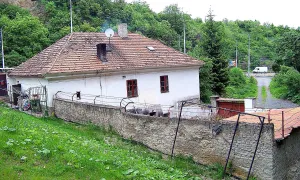
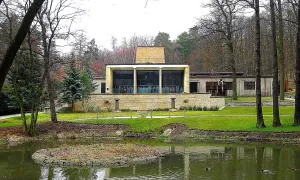
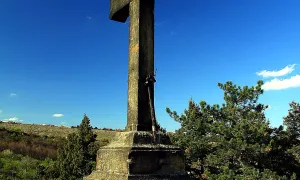
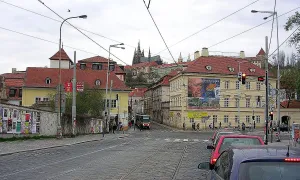
Real photos taken near the monument

Zdroj a licence jsou uvedeny u každého snímku.
Atmosphere of the place
This atmospheric visualisation of the place and period was generated by artificial intelligence. It is not real footage of the location.
Tips from visitors
No tips yet. Be the first!
Log in and add your tip.
Sources and literature
Photos: I would appreciate being notified if you use my work outside Wikimedia. More of my work can be found in my personal gall / CC BY-SA 3.0 — Wikimedia Commons. The author and licence also appear when you hover over the image.
Faktickým podkladem tohoto textu byl článek na Wikipedii, jehož autory jsou přispěvatelé Wikipedie. Článek je dostupný pod licencí CC BY-SA 4.0.
Location on the map
Příběhy a pověsti
Legendy, pověsti a příběhy spjaté s touto památkou
Fotografie návštěvníků
Zatím žádné fotografie. Buďte první, kdo přidá fotografii z návštěvy!
Log in a přidejte svou fotografii nebo hodnoťte.
Za ověřenou návštěvu v aplikaci získáte víc bodů — poznáme podle GPS, že jste na místě.
Reviews and comments