



Měcholupy Castle
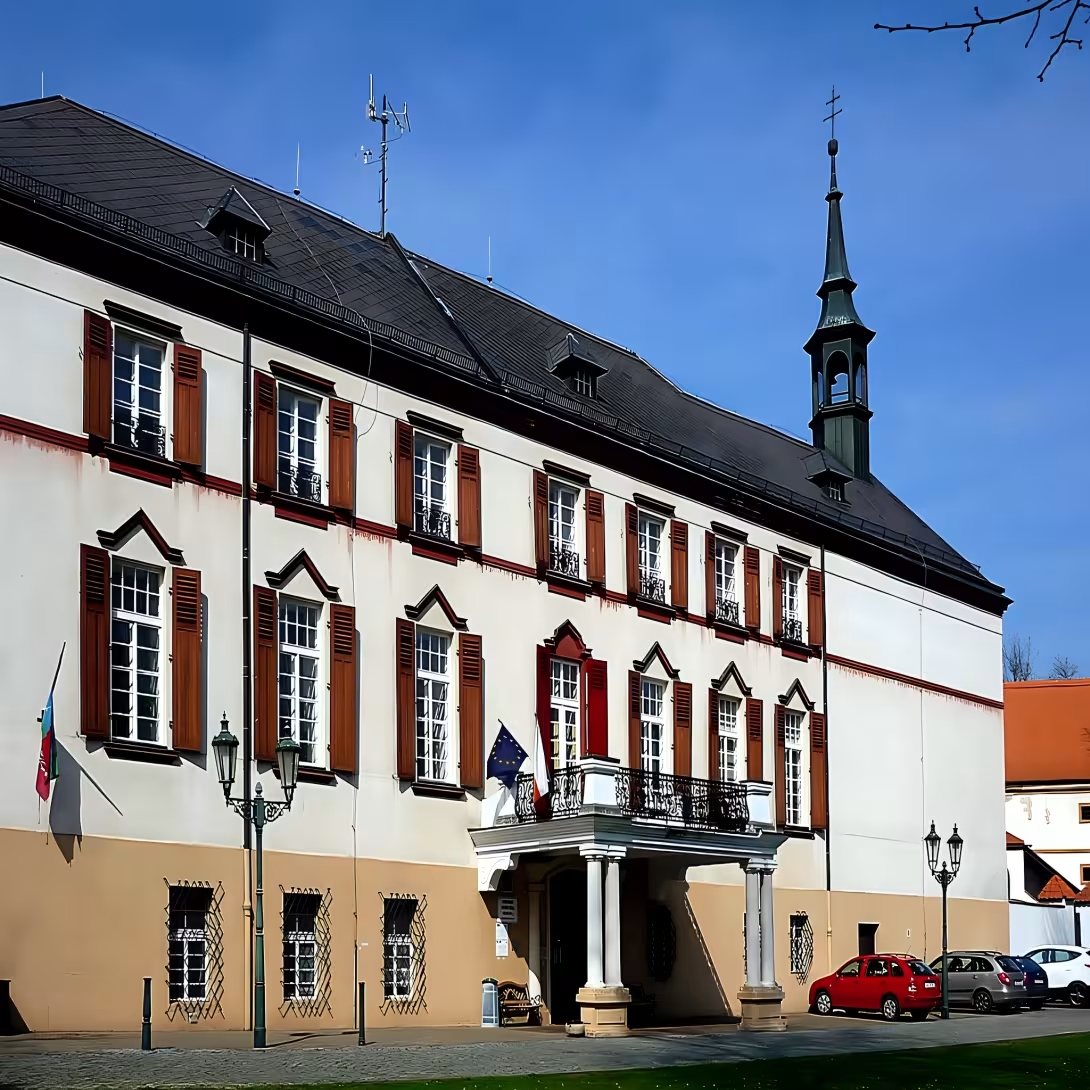
Měcholupy Castle stands as a testament to Czech history, located in the village of Měcholupy within the Louny district of Ústecký kraj. Originally built by the Sekerka family from Sedčice during the sixteenth century, it was transformed into its current Baroque form in the late seventeenth century. This change reflects both architectural evolution and shifts in ownership and purpose.
The castle is notable for its four-winged structure surrounding a square courtyard with preserved vaulted rooms dating back to the seventeenth century. Recognized as a cultural monument since 1964, Měcholupy Castle offers visitors a glimpse into the past through its enduring architecture and storied history.
The origins of Měcholupy Castle are rooted in the turbulent sixteenth century when Bohemia faced religious conflicts leading up to the Thirty Years' War. The Sekerka family initially built the fortress, but their involvement in the Czech Estates' Revolt led to its confiscation. This period marked significant political turmoil, setting the stage for the castle's subsequent transformations. In 1624, Jan Kryštof z Paaru acquired the estate and initiated its conversion into a Baroque castle, reflecting both personal ambition and broader architectural trends of the time.
Architecturally, Měcholupy Castle is distinguished by its Baroque style, characterized by symmetry, grandeur, and elaborate details. The original fortress underwent significant changes under Karel z Paaru, who added structures such as a chapel and an English park to enhance its aesthetic appeal. Although the park was destroyed by a flood in 1872, the castle's four-winged structure and vaulted rooms remain preserved, showcasing seventeenth-century craftsmanship. Later modifications by the Dreher family included removing a tower and adding another floor to one wing, further evolving the castle's architectural narrative.
Ownership of Měcholupy Castle has seen several notable figures over the centuries. After its confiscation from the Sekerka family, Jan Kryštof z Paaru took possession in 1624, followed by his son Karel, who spearheaded the Baroque transformation. In 1690, Jaroslav z Vršovců acquired the estate, marking another change in ownership. The castle eventually came into the hands of Anton Eugen Dreher senior around 1861, remaining with his descendants until 1945. Each owner left their mark on the property, contributing to its historical and architectural legacy.
Key events at Měcholupy Castle include its confiscation following Jetřich Sekerka ze Sedčic's participation in the Czech Estates' Revolt and its transformation into a Baroque castle by Jan Kryštof z Paaru. The destruction of the original English park by a flood in 1872 is another significant event, highlighting the challenges faced by the estate over time. These events underscore the castle's resilience and adaptability through changing historical circumstances.
Today, Měcholupy Castle remains an accessible cultural monument, inviting visitors to explore its rich history and architectural beauty. The preserved vaulted rooms and four-winged structure offer a tangible connection to the past, while the surrounding landscape of historical villages adds context to its storied existence. For those interested in Czech history and Baroque architecture, Měcholupy Castle is a must-visit destination that promises an enriching experience.
Měcholupy Castle stands as a symbol of resilience and transformation, reflecting both personal histories and broader cultural shifts. Its enduring presence invites visitors to delve into the layers of its past, offering insights into the architectural and historical evolution of the region. Whether drawn by its Baroque elegance or intrigued by its storied history, Měcholupy Castle is a captivating site that merits exploration.
Then and now
Drag the slider to compare how the landmark may have looked when it was built with the view today.
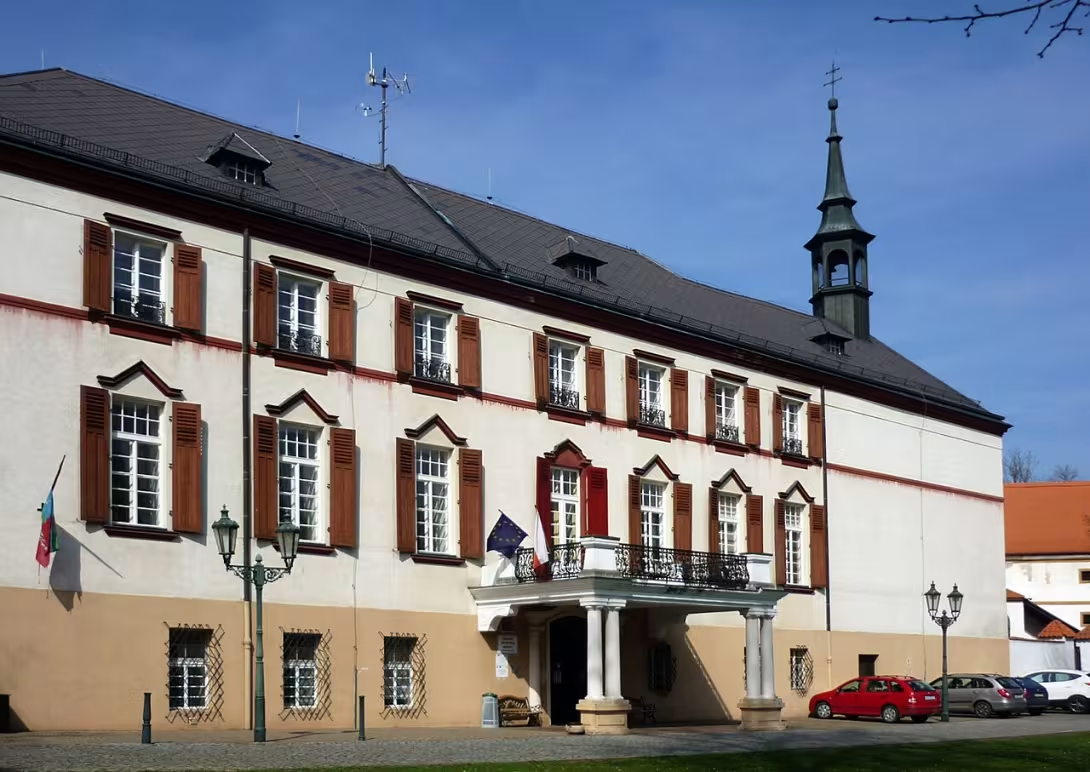
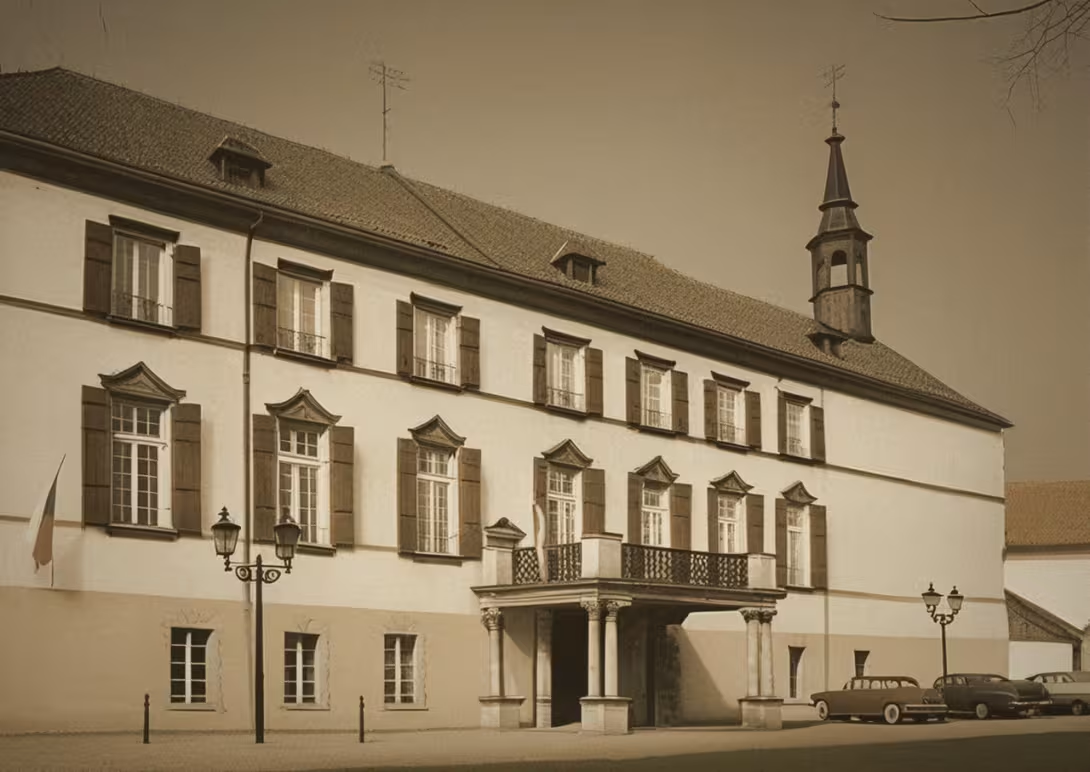
The historical appearance on the left is an AI-generated visualisation and serves as inspiration only.
Historical milestones
- 16th century
- The construction of the castle by Sekerka of Sedčice.
- 1624
- Purchase by Jan Kryštof z Paaru and the beginning of the Baroque transformation.
- Late 17th century
- Transformation into its current Baroque form.
- 1690
- Purchase by Jaroslav z Vršovců.
- 1872
- The destruction of the English park by floods.
- 1964
- Recognition as a cultural monument.
Architectural development
The original fortress was built by the Sekerka family in the sixteenth century. It underwent significant transformation under Karel z Paaru, who converted it into a Baroque castle with additional structures like a chapel and an English park. The park was destroyed by a flood in 1872. In the late nineteenth century, the Dreher family made modifications, including adding another floor to one wing.
Historical events
The original fortress was confiscated after Jetřich Sekerka ze Sedčic's participation in the Czech Estates' Revolt.
In 1624, Jan Kryštof z Paaru acquired the estate and later transformed it into a Baroque castle.
Owners
The Sekerka family initially owned the fortress, but it was confiscated after their involvement in the Czech Estates' Revolt. In 1624, Jan Kryštof z Paaru acquired the estate, and his son, Karel z Paaru, later transformed the old fortress into a Baroque castle with a chapel and an English park. Jaroslav z Vršovců purchased it in 1690, followed by several owners until Anton Eugen Dreher senior bought it around 1861. The estate remained with his descendants until 1945.
Points of interest
- Měcholupy Castle's transformation from a fortress to a Baroque castle reflects the broader European architectural trends of symmetry and grandeur during the late seventeenth century. - The Sekerka family originally built the castle, but their involvement in the Czech Estates' Revolt led to its confiscation, illustrating the political instability in Bohemia before the Thirty Years' War. - Despite a flood destroying the original English park in 1872, Měcholupy Castle's four-winged structure and vaulted rooms from the seventeenth century have been preserved, showcasing remarkable resilience through natural disasters. - The Dreher family made significant changes to the castle by removing a tower and adding another floor to one wing, demonstrating how successive owners adapted the property for their needs over time. - Měcholupy Castle has been recognized as a cultural monument since 1964, highlighting its importance in preserving Czech history and architecture for future generations.
Guide
This guide is narrated by a synthetic voice generated by artificial intelligence.
Show guide text
This text was created by artificial intelligence and has not been editorially reviewed. It may contain inaccuracies.
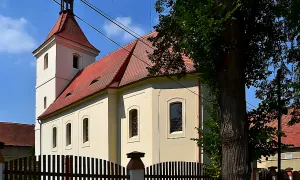
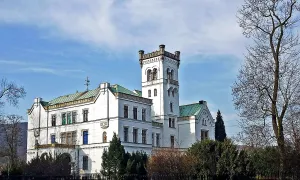
The château in Měcholupě stands in the middle of the village of the same name in the Louny district, on the left bank of the Blšanka river. It is a baroque building and has been protected as a cultural monument since 1964.
The château was preceded by a fortress. It was likely built during the sixteenth century by members of the Sekerka of Sedčice family. However, Jetřich Sekerka of Sedčice participated in the Czech Estates Rebellion and lost the estate for it. The confiscation protocol mentions a fortress with a village and a farmyard, as well as a sheepfold, brewery, mill, forests and ponds. The confiscated estate also included the villages of Sádek, Deštnice, Lhota, Tronice and Veletice.
In 1624, Jan Kryštof of Paar acquired the estate from the royal chamber. His son Karel of Paar then had the old fortress rebuilt into a baroque château with a chapel and an English park. However, the park was destroyed during a flood in 1872. From 1690, when Jaroslav of Vršovci bought the estate, several owners succeeded each other at the château.
In 1861, or according to other sources a year earlier, the château was purchased by the Austrian businessman Anton Eugen Dreher the Elder, a native of Schwechat near Vienna. The château then belonged to his descendants until 1945. In the second half of the twentieth century, it served as a boarding school and offices. Since 1988, it has been home to a speech therapy primary school.
The château consists of four wings built around a square courtyard. On the ground floor, vaulted rooms from the seventeenth century have been preserved. A tower once rose above the northern wing. The Drehers had it demolished at the end of the nineteenth century, when they had a second storey added to the building. It served as a granary and hop storage.
Tips for visitors
The best time to visit Měcholupy Castle is during late spring or early autumn when the weather is pleasant, allowing you to comfortably explore both the castle grounds and the surrounding landscape. The lush greenery of these seasons enhances the beauty of the Baroque architecture, making it an ideal period for photography enthusiasts. Additionally, visiting outside peak tourist season can offer a more serene experience.
This flexibility makes it convenient for visitors to plan their trip according to personal preferences.
When planning your visit, consider bringing comfortable walking shoes as exploring the castle grounds and surrounding villages can involve some walking. A camera is recommended to capture the picturesque views of the Blšanka River and the historical architecture. Also, don't forget a light jacket or umbrella in case of sudden weather changes, ensuring a pleasant experience throughout your visit.
For photography enthusiasts, early morning or late afternoon provides the best natural lighting for capturing Měcholupy Castle's Baroque features and its scenic surroundings along the Blšanka River. The soft light during these times can accentuate textures and create dramatic shadows, offering unique perspectives of this historical site.
Nearby attractions within a 30-minute drive include the villages of Sádek, Deštnice, Lhota, Tronice, and Veletice, each with its own historical charm. These areas offer additional exploration opportunities for those interested in local history and architecture. Families with children might enjoy visiting these nearby villages to experience different aspects of Czech rural life and history.
Frequently asked questions
Can the monument be visited?
Some buildings of this kind are open for guided tours, others serve another purpose or are privately owned. We have not verified whether and when this monument is open – please ask the operator.
What are the opening hours and admission?
We have not verified the opening hours or admission. Current information is published by the operator.
Where is the monument?
Location: č.p. 1, Měcholupy, Ústecký kraj. The map on this page shows the exact spot.
Why is the monument protected?
It is listed in the Central List of Cultural Monuments of the Czech Republic as a cultural monument (register no. 11568/5-1271).
Businesses nearby
Do you run a restaurant, accommodation, shop, museum, rental, wellness or other visitor service near this monument? Show yourself directly to the people heading to it — this is how they will see you in the app and on the web:
Events nearby

Zdroj akcí: otevřená data měst a obcí ČR (Národní katalog otevřených dat) a kalendář akcí Národního památkového ústavu.
Nearby
Měcholupy is situated on the left bank of the Blšanka River. The surrounding landscape includes historical villages such as Sádek, Deštnice, Lhota, Tronice, and Veletice.
Accommodation nearby
Themed route
Měcholupy Thematic Tour
1. Měcholupský zámek (Castle) Start your journey at the heart of Měcholupy with a visit to this historic castle, nestled on the left bank of the Blšanka River. The castle is renowned for its architectural beauty and historical significance, offering visitors a glimpse into the past life of nobility in the region.
2. Sádek (Village) A short walk from Měcholupy will lead you to Sádek, a charming village known for its traditional architecture and tranquil atmosphere. Explore its quaint streets and enjoy local folklore that adds depth to your understanding of regional history.
3. Lhota (Village) Continue your exploration by visiting Lhota, another historical village in the vicinity. The village is celebrated for its well-preserved buildings and cultural heritage, providing a picturesque setting perfect for photography enthusiasts and history buffs alike.
4. Deštnice (Village) Head to Deštnice next, where you can immerse yourself in the local culture and traditions that have been passed down through generations. The village offers unique insights into rural life in Ústecký kraj, making it a must-visit for anyone interested in authentic experiences.
5. Tronice (Village) Conclude your tour with a visit to Tronice, known for its scenic landscapes and historical significance. The village provides an excellent opportunity to relax and reflect on the rich history you've encountered throughout your journey through these captivating villages surrounding Měcholupy.
This thematic route offers a comprehensive experience of the cultural and historical treasures in the area around Měcholupy, ensuring a memorable adventure for all who embark on it.
Seasonal recommendations
Spring: Visiting Měcholupy Castle during spring offers a picturesque experience as nature awakens with blooming flowers and lush greenery surrounding the historic site. The soft, warm light of longer days enhances the castle's architecture, creating an inviting atmosphere for exploration. Visitors should be prepared for occasional showers, so carrying a light raincoat or umbrella is advisable. Although crowds are generally manageable in spring, arriving early can help you enjoy the serene beauty without interruptions.
Summer: Summer at Měcholupy Castle is marked by vibrant greenery and clear skies, making it an ideal time to explore the grounds on foot. The warm weather invites visitors to spend extended hours enjoying outdoor activities, but be mindful of larger crowds during peak tourist season. Arriving early in the morning or later in the afternoon can help avoid the busiest times. Comfortable walking shoes and light layers are recommended to accommodate fluctuating temperatures throughout the day.
Autumn: Autumn transforms Měcholupy Castle with a stunning display of fall foliage, offering breathtaking views as leaves turn shades of red, orange, and yellow. The cooler weather provides a comfortable environment for exploring both indoors and outdoors. Wearing layers is advisable to adapt to the changing temperatures.
Winter: Winter at Měcholupy Castle presents a unique charm with snow-covered landscapes that add a magical touch to its historic architecture. The shorter days mean visiting times are more limited, so planning ahead is crucial. While the castle grounds might be quieter in winter, it's important to dress warmly and wear sturdy footwear for icy paths. Some indoor areas may have restricted access due to heating considerations, so checking availability beforehand can enhance your visit.
Visualizations and artistic views


The visualisations are generated by artificial intelligence and serve as inspiration.
Photos from the area
Real photos taken near the monument


Zdroj a licence jsou uvedeny u každého snímku.
Tips from visitors
No tips yet. Be the first!
Log in and add your tip.
Sources and literature
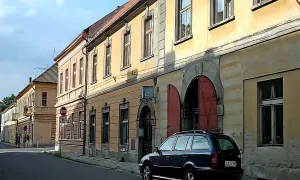
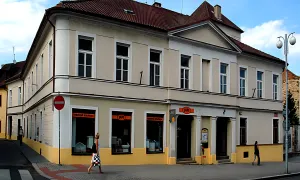
Photos: SchiDD / CC BY-SA 4.0, rozlišení zvýšeno umělou inteligencí — Wikimedia Commons. The author and licence also appear when you hover over the image.
Faktickým podkladem tohoto textu byl článek na Wikipedii, jehož autory jsou přispěvatelé Wikipedie. Článek je dostupný pod licencí CC BY-SA 4.0.
Location on the map
Příběhy a pověsti
Legendy, pověsti a příběhy spjaté s touto památkou
Fotografie návštěvníků
Zatím žádné fotografie. Buďte první, kdo přidá fotografii z návštěvy!
Log in a přidejte svou fotografii nebo hodnoťte.
Za ověřenou návštěvu v aplikaci získáte víc bodů — poznáme podle GPS, že jste na místě.
Reviews and comments