






Melice Ruin
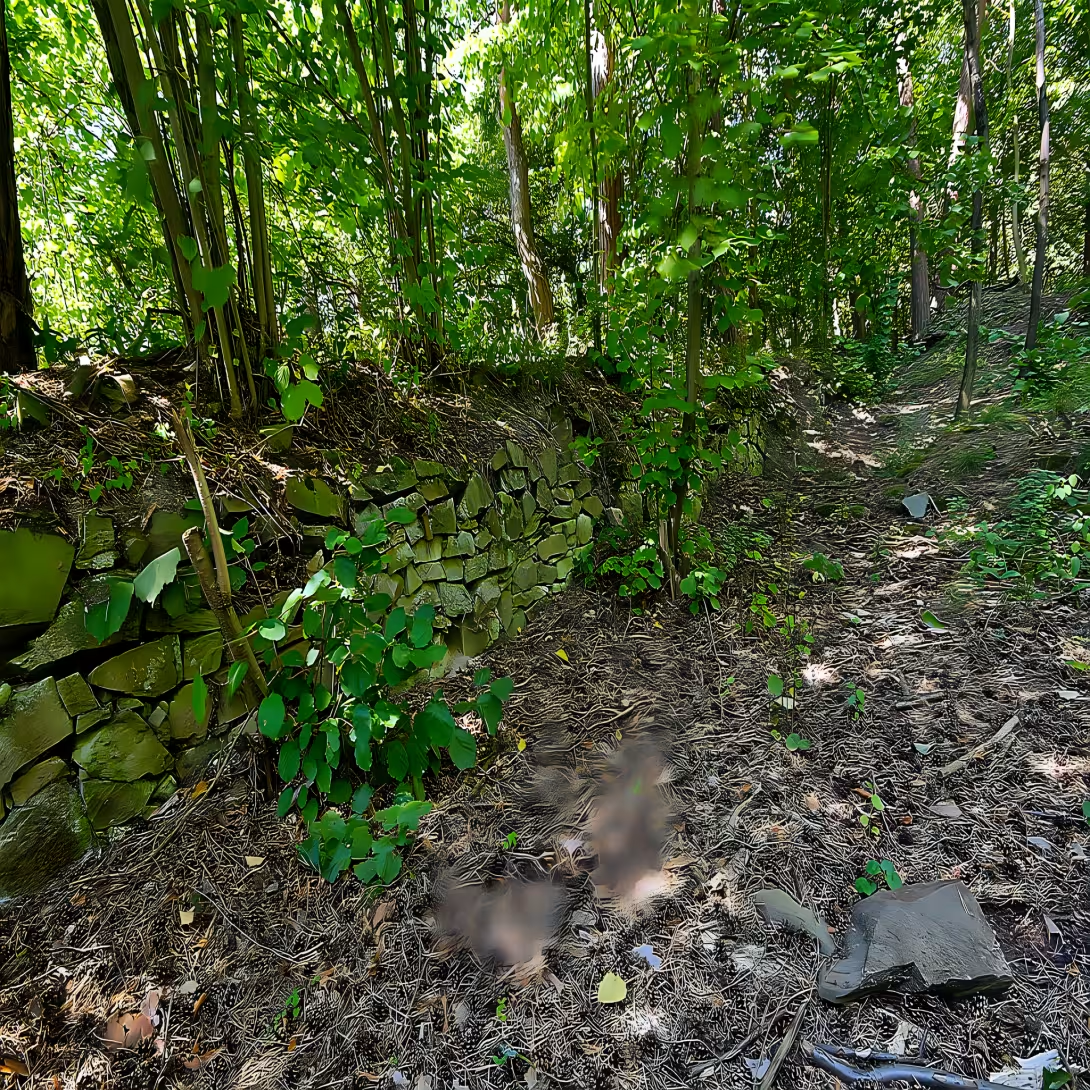
Melice is a castle ruin near Pustiměř in the Vyškov District of South Moravia, Czech Republic. Constructed before 1339 by Olomouc Bishop Jan Volek, it served as an important residence for bishops and played a role during the Hussite Wars. The site is notable for its unique Gothic tiled stoves, among the rarest finds in the Czech lands.
The origins of Melice Castle trace back to the early 14th century when Olomouc Bishop Jan Volek completed its construction around 1339. Designed as a significant residence for bishops, it quickly became important due to its strategic location and architectural features. The castle's chapel, added by Bishop Jan Očko z Vlašimi, enhanced its status as a representative seat of the Olomouc bishops.
Architecturally, Melice Castle exemplified Gothic style with robust structures and intricate details. Among its most remarkable elements were unique tiled stoves commissioned by Bishop Václav Králík between 1412 and 1416. These stoves, over 280 cm tall including the base, consisted of more than 150 ceramic tiles adorned with reliefs depicting the life journey of the castle's lord, complete with symbolic representations of his social ascent and triumphs over adversities.
Ownership of Melice Castle changed hands several times throughout its history. Initially under Olomouc bishops' control, it was later held by figures such as Heralt z Kunštátu in 1401, Znata z Mejlic before 1408, and Dolanský převor Štěpán in 1410. During the Hussite Wars, in 1423, Czech Hussites captured the castle and used it as a stronghold. By 1439, historical records described Melice as "destroyed and leveled to the ground."
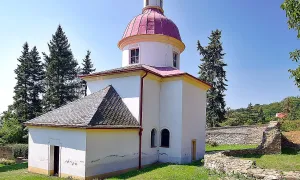
Today, the ruins of Melice Castle are near the boundary of the military zone Březina and can be accessed via a green-marked circular trail from Pustiměř. Despite its dilapidated state, the site remains an important historical monument, offering insights into medieval architecture and the turbulent history of the region during the Hussite Wars.
Visitors to Melice Castle ruins are invited to explore this significant piece of Czech heritage, where remnants of Gothic artistry and echoes of a bygone era await discovery. The unique tiled stoves stand as a testament to the castle's historical importance and artistic achievements, making it a worthwhile destination for those interested in medieval history and architecture.
Then and now
Drag the slider to compare how the landmark may have looked when it was built with the view today.
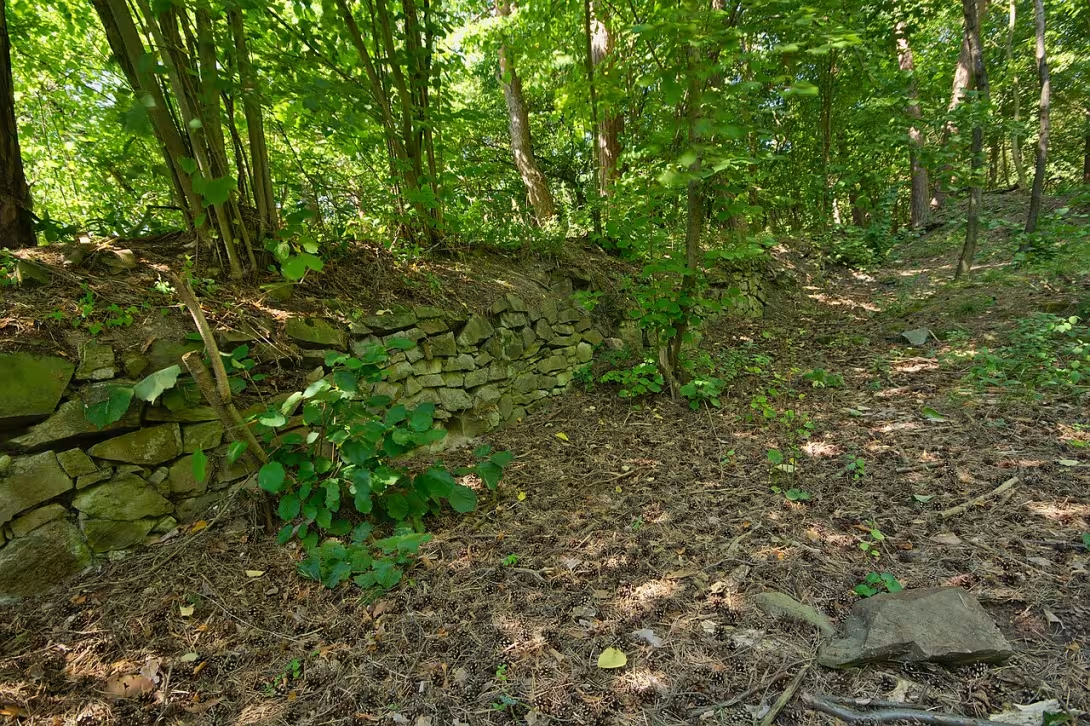

The historical appearance on the left is an AI-generated visualisation and serves as inspiration only.
Historical milestones
- 1339
- Construction of the castle completed.
- 1423
- Castle captured and used as a stronghold by Hussites.
Architectural development
The original construction of Melice Castle began in 1339 under Bishop Jan Volek. It featured a chapel added by his successor, Bishop Jan Očko z Vlašimi. The castle was known for its Gothic architectural style and housed unique tiled stoves commissioned by Bishop Václav Králík between 1412-1416.
Historical events
In 1423, the castle was captured by Czech Hussites during their campaign in Moravia.
By 1439, it was described as 'destroyed and leveled to the ground.'
Owners
Olomoucký biskupové (1339 onwards)
Heralt z Kunštátu (1401)
Znata z Mejlic (before 1408)
Dolanský převor Štěpán (1410)
Points of interest
- The unique Gothic tiled stoves at Melice Castle are among the rarest finds in the Czech lands, featuring over 150 ceramic tiles with intricate reliefs that depict the life journey and social ascent of the castle's lord.
- During the Hussite Wars, the castle was captured by Czech Hussites in 1423 and used as a stronghold, highlighting its strategic importance during this tumultuous period.
- Despite being described as "destroyed and leveled to the ground" by 1439, remnants of Melice Castle still offer insights into medieval architecture and the region's history, making it an important historical monument today.
- The ownership of Melice Castle changed hands multiple times, with notable holders including Heralt z Kunštátu in 1401 and Znata z Mejlic before 1408, reflecting its significance and contested nature throughout history.
- Access to the ruins is possible via a green-marked circular trail from Pustiměř, though they are located near the boundary of the military zone Březina, adding an element of adventure for visitors exploring this historical site.
Guide
This guide is narrated by a synthetic voice generated by artificial intelligence.
Show guide text
This text was created by artificial intelligence and has not been editorially reviewed. It may contain inaccuracies.
The ruins of Melice Castle are located approximately six kilometers northeast of Vyškov, between Pustiměří and Drysice, not far from the border of the Březina military training area. Since 1970, it has been protected as a cultural monument.
The castle first appears in written records in 1339. It was built by the Olomouc bishop Jan Volek, and it was already completed that year. The castellan at that time was Beneš z Melic. The castle included a chapel, which was completed by Volek's successor, bishop Jan Očko z Vlašimi. This is documented by a stone coat of arms found in 1898 and confirmed by excavations from 1931 to 1938.
Melice became a representative residence of the Olomouc bishops, who continued to furnish its interiors. The castle was administered by the bishops' vassals, mostly bearing the name z Mejlic. In 1362, for example, these were Ješek Šram and Janoš z Mejlic. In 1383, bishop Mikuláš pledged the castle to margrave Jošt. After that, other pledge holders took turns. In 1401, the castle was held by Heralt z Kunštátu, before 1408 by Znata z Mejlic, and in 1410 by Štěpán, prior of Dolanská.
The end came with the Hussite Wars. In the summer of 1423, an expedition of Czech Hussites arrived in Moravia and conquered several important sites. Among them was the bishop's castle Melice, which then became one of the Hussite strongholds. In 1439, the castle is described as ruined and leveled to the ground, as merely a heap of stones.
The most precious find from the excavations consists of unique Gothic tiles from ornate stoves that stood in the chamber of the castle palace. They were commissioned by Olomouc bishop Václav Králík z Buřenic, sometime between 1412 and 1416. Measured with the base, they reached 280 centimeters and consisted of more than 150 ceramic tiles. Their decoration captured the life stories of the castle's lord. The reliefs showed his earthly journey up the steps of the social hierarchy, the snares of hellish powers, and his victory over them.
Tips for visitors
The best time to visit the Melice ruins is during late spring or early autumn, when the weather is mild and pleasant for exploring outdoor sites. During these months, the surrounding landscape of South Moravia offers vibrant natural beauty, making it an ideal backdrop for a historical exploration. Additionally, visiting outside peak summer months helps avoid larger crowds, allowing for a more serene experience.
Public transport options are available to reach Pustiměř; however, it's advisable to check current routes and schedules in advance using an online search tool for the most efficient travel plan.
When visiting Melice ruins, consider bringing comfortable walking shoes as you'll be navigating uneven terrain along the trails. A hat, sunscreen, and water are also recommended due to exposure to the elements. Additionally, a camera or smartphone is useful for capturing the picturesque views of the castle's remains and the surrounding landscape.
For photography enthusiasts, the best spots at Melice ruins include areas where you can capture the expansive view of the natural surroundings with the castle remnants in the foreground. Early morning light provides soft shadows that enhance textures, while late afternoon offers warm golden hues. Be sure to explore different angles for unique perspectives of the ruins.
Nearby attractions within a 30-minute drive from Melice include the historical town of Pustiměř itself, which offers charming architecture and local culture. Additionally, visitors can explore other natural sites in South Moravia that provide opportunities for hiking or picnicking amidst scenic landscapes.
Frequently asked questions
Can the monument be visited?
This is a ruin. Such sites are often freely accessible, but some can only be visited with a guide or are closed for safety reasons. We have not verified the current situation – take care and respect any restrictions.
Where is the monument?
Location: Pustiměř, Jihomoravský kraj. The map on this page shows the exact spot.
Why is the monument protected?
It is listed in the Central List of Cultural Monuments of the Czech Republic as a cultural monument (register no. 25168/7-3931).
Businesses nearby
Do you run a restaurant, accommodation, shop, museum, rental, wellness or other visitor service near this monument? Show yourself directly to the people heading to it — this is how they will see you in the app and on the web:
Nearby
Melice ruins are located near the military zone boundary of Březina and are accessible via a green-marked circular trail from Pustiměř. The surrounding landscape includes natural features typical of South Moravia.
Accommodation nearby
Trips and activities nearby
Guided tours, tickets and activities nearby from GetYourGuide
Affiliate link: if you buy from the partner, we may receive a commission. The price for you does not change.
Search tours and activities →Themed route
Tematická výletní trasa kolem Melic
1. Melice (zřícenina)
Typ: Historická zřícenina
Proč stojí za návštěvu: Známé jako jedna z nejstarších hradů na Moravě, Melice nabízejí fascinující pohledy do historie a přírodní krásu. Navzdory svým troskám jsou tyto ruinové stopy svědkem bohaté minulosti regionu.
2. Přírodní krajinářství okolních lesů
Typ: Příroda a krajina
Proč stojí za návštěvu: Lesy kolem Melic jsou charakteristické pro jihomoravský region, nabízející klidné chodníky a příležitosti k pozorování místní fauny a flóry. Jsou ideální pro relaxaci a ponoření se do přírodního prostředí.
3. Zelená značená obchvatná trasa
Typ: Chodníková trasa
Proč stojí za návštěvu: Tato trasa vede kolem Melic a je ideální pro cyklisty i chodce, kteří chtějí objevit region na bezpečném a pohodlném způsobu. Nabízí krásné výhledy a přístup k různým úsekům zříceniny.
Tato trasa nabízí kombinaci historického objevování a přírodních pohledů, což ji činí ideální pro všechny, kteří hledají smysluplný a odpočinkový den na venkově.
Seasonal recommendations
Jaro: In the spring season, Melice (ruin) in Pustiměř is enlivened by blooming nature that highlights the historic ruinous walls. The lighting changes with the length of days and today's sunny clear days provide ideal conditions for photography, where the setting sun creates dramatic shadows. This season is usually less visited than the summer months, allowing for a more tranquil walk and an intensified experience of the historical environment. We recommend wearing comfortable shoes due to potentially wet surfaces after rain, which is common at this time, and bringing a hat or protective jacket against sudden chilly gusts.
Léto: Summer at Melice offers long sunny days that highlight the stone structure of the ruins. The warm afternoons can be intense, so it's advisable to visit early in the morning or later in the evening for more pleasant temperatures and fewer crowds. However, this season has its charms; the greenery is at its peak, providing a vibrant landscape around the ruins.
Podzim: In autumn, Melice takes on colors and an atmosphere of melancholic beauty. The fallen leaves create a colorful carpet around the ruin, offering unique photographic opportunities. Sunny days are typically warm and calm, but changing weather requires flexible clothing — from a coat for cooler mornings or evenings to a light jacket. Visiting Melice in this season also means enjoying smaller crowds, allowing for a tranquil and reflective walk.
Zima: A winter visit to Melice offers unique views of the ruin under a blanket of snow, creating a magical atmosphere. A sunny day can be warm and inviting for photography, but nights are cold and long, so it's important to dress warmly with a windbreaker or parka. Despite the cold, crowds are minimal, allowing for an intimate experience and enjoying oneself in the quiet winter landscape.
Visualizations and artistic views


The visualisations are generated by artificial intelligence and serve as inspiration.
Photos from the area
Real photos taken near the monument


Zdroj a licence jsou uvedeny u každého snímku.
Atmosphere of the place
This atmospheric visualisation of the place and period was generated by artificial intelligence. It is not real footage of the location.
Tips from visitors
No tips yet. Be the first!
Log in and add your tip.
Sources and literature
Photos: Jiří Komárek / CC BY-SA 4.0, rozlišení zvýšeno umělou inteligencí — Wikimedia Commons. The author and licence also appear when you hover over the image.
Faktickým podkladem tohoto textu byl článek na Wikipedii, jehož autory jsou přispěvatelé Wikipedie. Článek je dostupný pod licencí CC BY-SA 4.0.
Location on the map



Příběhy a pověsti
Legendy, pověsti a příběhy spjaté s touto památkou

Fotografie návštěvníků
Zatím žádné fotografie. Buďte první, kdo přidá fotografii z návštěvy!
Log in a přidejte svou fotografii nebo hodnoťte.
Za ověřenou návštěvu v aplikaci získáte víc bodů — poznáme podle GPS, že jste na místě.
Reviews and comments