






Rotunda svatého Pantaleona Church
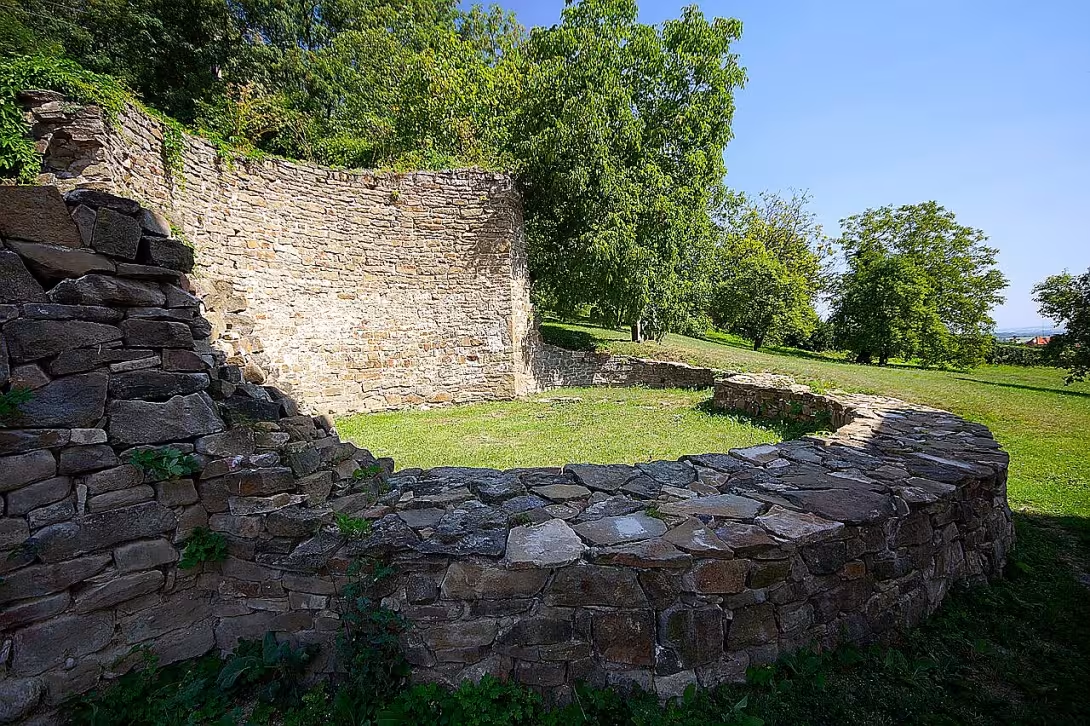
The Rotunda of Saint Pantaleon in Pustiměř is a notable Romanesque ruin once serving as Bohemia and Moravia's largest church. Situated in the village of Pustiměř within the Vyškov District, this historical monument dates back to the first half of the 12th century. Its significance lies in its unique dedication to Saint Pantaleon, an Eastern saint favored by Bishop Jindřich Zdík after surviving a severe illness. The rotunda's architectural and historical importance makes it a noteworthy site for those interested in ecclesiastical history.
The origins of the Rotunda are rooted in the Romanesque period, marked by significant ecclesiastical development in Bohemia and Moravia. Historical sources suggest construction during Vratislav II's reign before 1085 or early in the 12th century. The dedication to Saint Pantaleon was unusual for Czech lands and is linked to Bishop Jindřich Zdík's admiration, as evidenced by a late testimony in a letter from Pope Innocent IV in 1247. This connection highlights the rotunda's role in reflecting increased Western European influence on local religious practices.
Architecturally, the Rotunda was constructed in the Romanesque style, characterized by its robust and monumental design. Although specific details about building materials are not documented, it is known that the rotunda could accommodate up to 200 people at full capacity. Over time, it became part of a monastery founded by Bishop Jan VII. Volk in 1340, serving as the monastery church until a new church was constructed later that year.
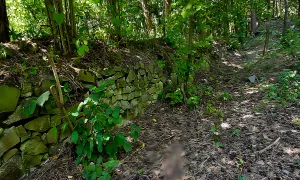
Throughout its history, the rotunda experienced several changes in ownership and function. Initially serving as a significant ecclesiastical site, it became integrated into the monastic community established by Bishop Jan VII. Volk. However, during the Josephinian reforms, the rotunda was secularized and largely dismantled around 1821. Despite this, remnants of its nave and apse have been preserved, standing above today's Chapel of Saint Anne as part of a pilgrimage site.
Key events in the history of the Rotunda include its first credible mention in documents from 1232 and its incorporation into the monastery in 1340. These milestones underscore its enduring significance within the region's religious landscape. The rotunda's dedication to Saint Pantaleon, an Eastern saint, remains a point of historical curiosity, reflecting unique cultural exchanges during its time.
Today, visitors can explore the remnants of this once-grand structure, which are protected as a cultural monument of the Czech Republic. Although much of the original building was dismantled in the early 19th century, what remains offers insight into the architectural and religious history of the region. The site's inclusion in a pilgrimage route adds to its appeal, inviting those interested in history and spirituality to experience its legacy firsthand.
The Rotunda of Saint Pantaleon is not just an archaeological relic; it is a testament to the rich tapestry of Bohemian and Moravian ecclesiastical history. Its unique dedication and historical significance make it a compelling destination for anyone seeking to understand the cultural and religious influences that shaped this region. Visitors are encouraged to explore this site, where history and spirituality converge in a remarkable Romanesque ruin.
Then and now
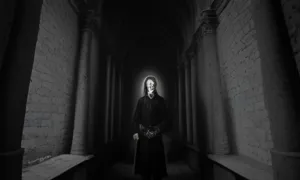
Drag the slider to compare how the landmark may have looked when it was built with the view today.
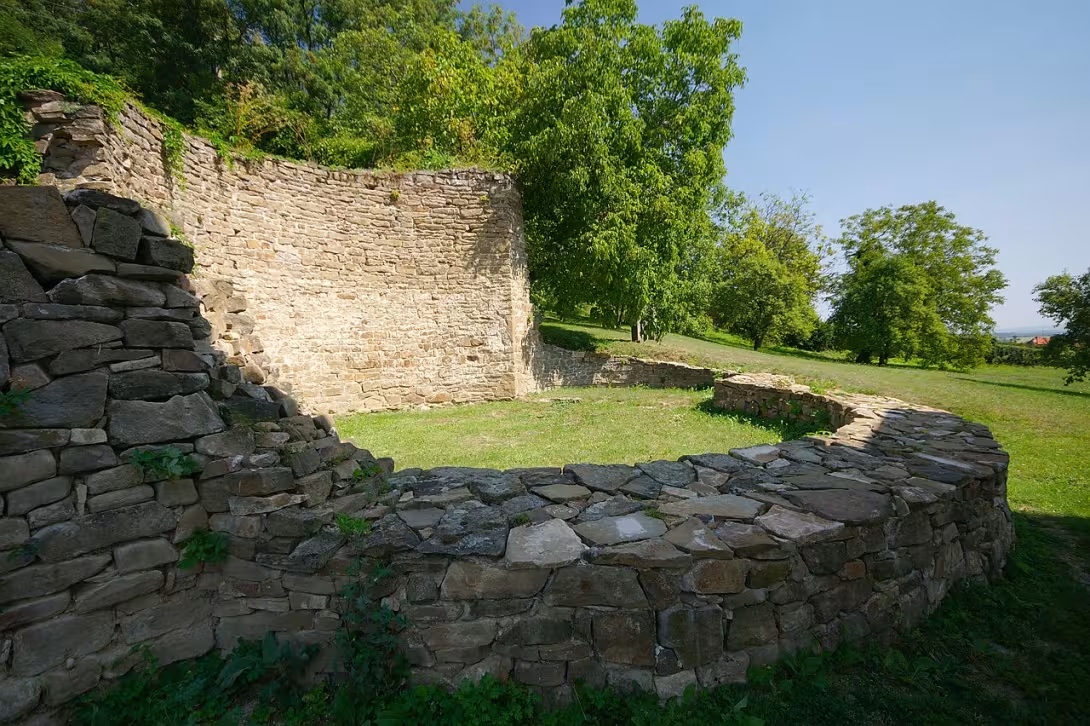

The historical appearance on the left is an AI-generated visualisation and serves as inspiration only.
Historical milestones
- 1232
- First credible mention of the rotunda's existence.
- 1340
- Became part of a monastery founded by Bishop Jan VII. Volk.
Architectural development
The Rotunda was originally built in Romanesque style, likely during Vratislav II's reign before 1085 or in the early 12th century. It served as a monastery church until a new church was constructed in 1340. During Josephinian reforms, it was secularized and largely dismantled around 1821, leaving only parts of its nave and apse.
Historical events
First credible mention of the rotunda's existence in documents from 1232.
Incorporated into a monastery founded by Bishop Jan VII. Volk in 1340.
Points of interest
- The Rotunda of Saint Pantaleon is dedicated to an Eastern saint, which was unusual for the Czech lands at the time and reflects a unique cultural exchange influenced by Bishop Jindřich Zdík's personal experiences.
- Despite its initial prominence as Bohemia and Moravia's largest church, the rotunda was largely dismantled during the Josephinian reforms around 1821, marking a significant shift in its historical role and preservation status.
- The architectural style of the Rotunda is Romanesque, characterized by robust and monumental design elements typical of the period, yet specific details about its construction materials remain undocumented.
- In 1340, the rotunda became part of a monastery founded by Bishop Jan VII. Volk, serving as the monastery church until a new structure was built later that same year, highlighting its evolving role within ecclesiastical communities.
- The Rotunda's connection to Pope Innocent IV is evidenced by a late testimony in a letter from 1247, which underscores its significance and the broader influence of Western European religious practices on local traditions.
Guide
This guide is narrated by a synthetic voice generated by artificial intelligence.
Show guide text
This text was created by artificial intelligence and has not been editorially reviewed. It may contain inaccuracies.
Welcome to the Rotunda of Saint Pantaleon in Pustiměř, a remarkable testament to Romanesque architecture and history nestled in the heart of the Jihomoravský kraj. As you stand before this ancient ruin, imagine its past grandeur—a structure that once served as the largest church of its kind across Bohemia and Moravia.
The Rotunda's origins date back to the first half of the 12th century, a period marked by architectural innovation and cultural exchange. It was built during a time when Bishop Jindřich Zdík played a pivotal role in shaping the spiritual landscape. His personal devotion, particularly after surviving a severe illness, led him to dedicate this church to Saint Pantaleon—an Eastern saint whose influence reached far beyond his native lands.
As you take in your surroundings, notice how the rotunda's circular layout invites contemplation and reflection. The remnants of its walls tell stories of resilience and faith, standing as silent witnesses to centuries of history. Although much has been lost to time, the essence of its design remains—a testament to the visionaries who constructed it.
The Rotunda first gained credible mention in 1232, marking its significance within the region's ecclesiastical records. By 1340, it had become part of a monastery founded by Bishop Jan VII. Volk, further embedding itself into the spiritual and communal life of Pustiměř.
Among the notable historical figures connected to this site is Vratislav II, whose influence in Bohemia set the stage for such monumental constructions. The dedication to Saint Pantaleon reflects a unique cultural exchange, showcasing how personal experiences can transcend geographical boundaries and inspire architectural marvels.
A fascinating aspect of the Rotunda lies in its dedication—an Eastern saint's veneration within the Czech lands was quite unusual at the time. This choice by Bishop Jindřich Zdík highlights a cross-cultural dialogue that enriched the spiritual tapestry of the region.
As you continue to explore, let your imagination wander through the corridors of history and envision the lives once intertwined with this sacred space. Each step is an opportunity to connect with the past and appreciate the enduring legacy of those who came before us.
We invite you to delve deeper into Pustiměř's rich heritage, discovering more about its stories and secrets. Thank you for joining us on this journey through time at the Rotunda of Saint Pantaleon. May your exploration be enlightening and inspiring. Farewell, until we meet again in history’s embrace.
Frequently asked questions
Can the monument be visited?
Religious buildings are usually open mainly during services; at other times a visit is normally arranged with the parish or the operator. We have not verified specific times.
Where is the monument?
Location: Pustiměř, Jihomoravský kraj. The map on this page shows the exact spot.
Why is the monument protected?
It is listed in the Central List of Cultural Monuments of the Czech Republic as a cultural monument (register no. 31524/7-3760).
Businesses nearby
Do you run a restaurant, accommodation, shop, museum, rental, wellness or other visitor service near this monument? Show yourself directly to the people heading to it — this is how they will see you in the app and on the web:
Accommodation nearby
Trips and activities nearby
Guided tours, tickets and activities nearby from GetYourGuide
Affiliate link: if you buy from the partner, we may receive a commission. The price for you does not change.
Search tours and activities →Themed route
Thematic Route: Discovering the Rotunda of Saint Pantaleon
1. Rotunda svatého Pantaleona (Church) - Type: Historical Church - Why Visit? The Rotunda of Saint Pantaleon is a unique architectural gem in Pustiměř, renowned for its distinctive circular design and historical significance dating back to the 12th century. This church stands as one of the oldest rotundas in Moravia, offering visitors a glimpse into medieval religious architecture.
2. Nádvoří kostela (Church Courtyard) - Type: Historical Site - Why Visit? The courtyard surrounding the Rotunda provides an intimate setting to appreciate the serene atmosphere and historical context of this sacred site. It's an ideal spot for reflection, offering a tranquil environment that complements the church’s architectural beauty.
3. Místní muzeum (Local Museum) - Type: Cultural Institution - Why Visit? Located nearby, the local museum offers insights into Pustiměř's rich history and cultural heritage. Exhibits often feature artifacts and stories related to the region's past, including its religious and community life, enhancing your understanding of the area’s historical context.
4. Historické domy v centru obce (Historic Houses in Village Center) - Type: Architectural Heritage - Why Visit? A short walk from the church leads you to Pustiměř's village center, where several historic houses showcase traditional Moravian architecture. These buildings reflect the everyday life of past centuries and offer a picturesque backdrop for exploring the local culture.
This route provides a comprehensive exploration of Pustiměř’s historical and cultural offerings, centered around the iconic Rotunda of Saint Pantaleon.
Seasonal recommendations
Spring: Visiting the Rotunda of Saint Pantaleon during spring offers a unique experience as nature begins to awaken around this historical ruin. The site is enveloped in a soft, verdant glow, with wildflowers dotting the landscape and trees budding into life. This season brings a tranquil atmosphere, ideal for appreciating the intricate details of the structure against the backdrop of rejuvenating surroundings. Visitors should dress in layers as temperatures can vary throughout the day. Early morning or late afternoon visits are recommended to enjoy the site without large crowds, taking advantage of the gentle sunlight that enhances the textures and colors of both the ruin and its natural setting.
Summer: In summer, the Rotunda of Saint Pantaleon is bathed in vibrant light, highlighting the historical architecture amidst lush greenery. The long days provide ample opportunity to explore the site thoroughly, though it's important to be mindful of potential crowds during peak tourist season. Wearing comfortable walking shoes and bringing sun protection, such as hats and sunscreen, are practical tips for a pleasant visit. Arriving early in the morning can help avoid the midday heat and larger groups of visitors, allowing for a more intimate exploration of this magnificent ruin.
Autumn: Autumn transforms the Rotunda of Saint Pantaleon into a picturesque scene with warm hues of reds, oranges, and yellows enveloping the site. The cooler temperatures make it an ideal time to visit without the summer crowds, offering a peaceful atmosphere perfect for photography enthusiasts and those who appreciate the changing seasons. Layered clothing is advisable as mornings can be crisp while afternoons remain mild. Visiting during this season allows one to experience the historical ruin in harmony with nature's seasonal shift, creating a serene and reflective ambiance.
Winter: Winter at the Rotunda of Saint Pantaleon presents a stark yet beautiful landscape, where snow may blanket the site, offering a unique perspective on its historic architecture. The cold weather necessitates warm clothing, including coats, hats, gloves, and thermal layers, to ensure comfort during your visit. Shorter days mean planning ahead for daylight hours is crucial; arriving early allows ample time to explore before dusk. While visitor numbers may decrease due to the chill, those who venture out can enjoy a quiet and contemplative experience in this atmospheric setting, with snow adding an ethereal quality to the ruin's enduring presence.
Visualizations and artistic views


The visualisations are generated by artificial intelligence and serve as inspiration.
Photos from the area
Real photos taken near the monument

Zdroj a licence jsou uvedeny u každého snímku.
Tips from visitors
No tips yet. Be the first!
Log in and add your tip.
Sources and literature
Photos: Jiří Komárek / CC BY-SA 4.0 — Wikimedia Commons. The author and licence also appear when you hover over the image.
Faktickým podkladem tohoto textu byl článek na Wikipedii, jehož autory jsou přispěvatelé Wikipedie. Článek je dostupný pod licencí CC BY-SA 4.0.
Location on the map



Příběhy a pověsti
Legendy, pověsti a příběhy spjaté s touto památkou
Fotografie návštěvníků
Zatím žádné fotografie. Buďte první, kdo přidá fotografii z návštěvy!
Log in a přidejte svou fotografii nebo hodnoťte.
Za ověřenou návštěvu v aplikaci získáte víc bodů — poznáme podle GPS, že jste na místě.
Reviews and comments