






Městská jatka (Kraslice) Slaughterhouse
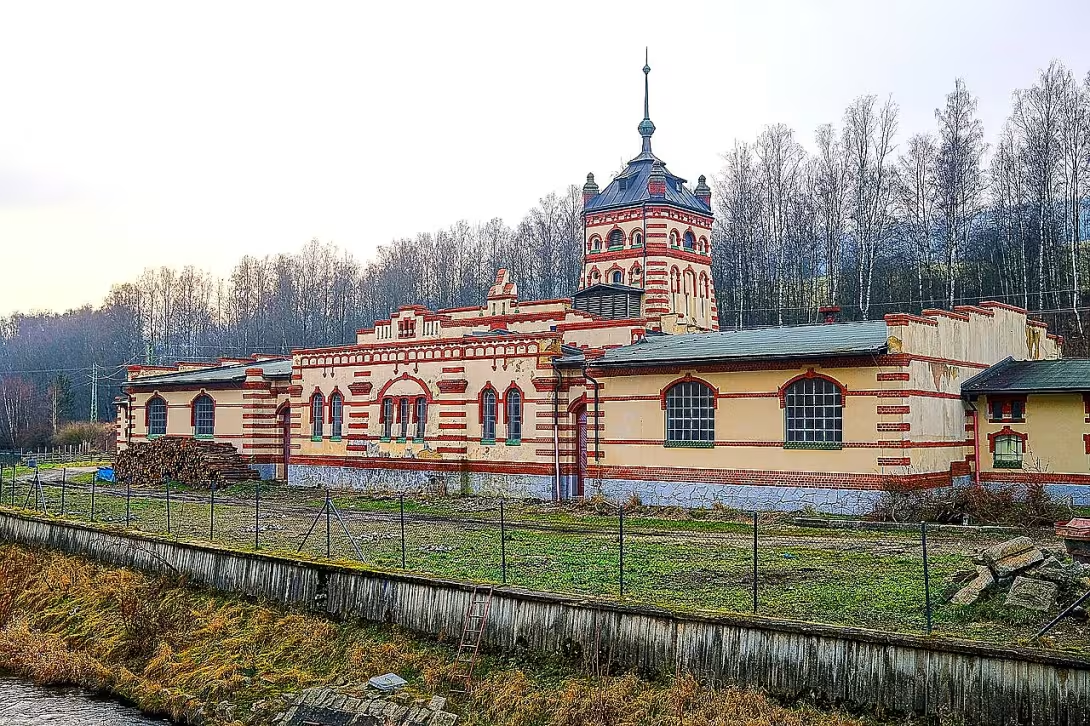
The town abattoir in Kraslice is a monument protected area in the district of Sokolov in the Karlovy Vary region. It is a collection of Art Nouveau buildings, built in the early 20th century for the slaughter of livestock. The area is considered to be the most preserved of many similar objects designed by architect Anton Möller.
It is located above the right bank of the Svatava river near the train station Kraslice suburb. Historically, this is where it culminated in the industrialization and expansion of Art Nouveau style. Urban planning focused on hygiene and modernisation of food processing.
The area consists of a main building, operating halls, residential building and a 25-metre high conical tower with a needle roof. The North Hall was designed for pig cattle and south for beef. Construction was carried out by local builder Anton Gerstner. Architect Anton Möller designed up to 24 similar slaughterhouses within Austria-Hungary.
A significant part of the original technological equipment was preserved in the area. In the evaporator tower, a cooling system with a recessed unit cylinder compressor was preserved, which was originally powered by a steam engine. It was later replaced by the electric motor of Siemens. The ice maker served not only for slaughterhouses to cool meat, but also for nearby pubs.
The area was built at the site of Heinrich Pilz's burnt-out laundry. In the 1930s, the cooling plant and handling equipment technologies were modernised. Until 1990, the site served its original purpose. Since 2002, buildings have been privately owned and used as a construction shop and stylish restaurant.
In 2004 the area was declared a cultural monument. The interior is open for inspection of the exposure of the reconstructed machinery. The area is worth a visit so you can become acquainted with the history and architecture of this unique place.
Historical milestones
- beginning of the 20th century
- The creation of a town slaughterhouse in Kraslice
- 1930s
- Modernization of cooling and handling equipment technologies
- 2002
- The area is privately owned
- 2004
- The area is declared a cultural monument
Architectural development
The area consists of a main building, operating halls, residential building and a 25-metre high conical tower with a needle roof. The North Hall was designed for pig cattle and south for beef. Construction was carried out by local builder Anton Gerstner.
Historical events
In the 1930s, the cooling plant and handling equipment technologies were modernised. Until 1990, the site served its original purpose.
Owners
Private ownership since 2002.
Points of interest
- The area is considered to be the most preserved of many similar objects designed by architect Anton Möller. - Construction was carried out by local builder Anton Gerstner. - A large part of the original technological equipment was preserved in the area. - The icemaker served not only for slaughterhouses to cool meat, but also for nearby pubs. The site was built at the site of Heinrich Pilz's burnt-out laundry.
Guide
Show guide text
This text was created by artificial intelligence and has not been editorially reviewed. It may contain inaccuracies.
Welcome to Kraslice, a place full of history and architectural art! You are standing in front of a unique monument-protected building known today as the former town slaughterhouse. This complex invites you to explore your beauty and secrets.
Let's dive into the history of this place. At the beginning of the 20th century, this slaughterhouse was built as a modern facility to slaughter livestock that served the needs of the local community. Architectural concept and design came from hunting Anton Möller, which is why buildings have such unique charm. During the 1930s, the slaughterhouse was modernised to adapt to new technological requirements.
Look up and look at the facade of buildings that is characteristic of Art Nouveau style with elements of Moorish or Balkan influence. This architectural mixture creates a touching atmosphere and dignity. Note how the details are cut with care, which is due to the work of local construction master Anton Gerstner.
Now pay attention to the personalities associated with this monument. Anton Möller, an architect who designed this complex, is known for its contribution to local architecture. His designs are considered to be the most preserved of all similar objects, which gives this area special historical significance.
The interesting thing is that a large part of the original technological facilities have been preserved in buildings. One such element was the refrigerator, which not only served for slaughterhouses to cool meat, but also supplied the inhabitants of the city with ice.
Let's move on and look at other interesting things. In 2002 the area was transferred to private hands and in 2004 it was officially declared a cultural monument. Today it serves as a construction shop and restaurant, which gives new life to the old complex.
By inviting you to further explore these historic places, we leave you here. We hope you enjoyed our journey through time and architecture, which is preserved here with such great respect. Let this monument bring many new discoveries and inspiration. Thank you for your visit!
Tips for visitors
The best time to visit is in the early morning or late afternoon when shadows are and light is best suited for photography.
The area is accessible by car or on foot from the train station Kraslice suburb.
It is advisable to bring comfortable shoes and umbrella because there are wet and unpreserved areas.
Photography is allowed, but it is better to avoid photography in some places where it is forbidden.
It is also possible to visit Svatava and its surroundings, which offers beautiful natural scenery.
Businesses nearby
Do you run a restaurant, accommodation, shop, museum, rental, wellness or other visitor service near this monument? Show yourself directly to the people heading to it — this is how they will see you in the app and on the web:
Nearby
Areál se nachází nad pravým břehem říčky Svatavy v blízkosti vlakové zastávky Kraslice předměstí.
Accommodation nearby
Trips and activities nearby
Guided tours, tickets and activities nearby from GetYourGuide
Affiliate link: if you buy from the partner, we may receive a commission. The price for you does not change.
Search tours and activities →Themed route
Thematic cruise route from Kraslic
1. Městská jatka (Kraslice) - cultural monument The town slaughterhouse is a unique monument that represents the history and tradition of the local ceramic industry. It is not only a significant cultural heritage, but also an interesting object for those who want to understand how ceramics has been produced in the past.
2. Train station Kraslice suburb - transport equipment This stop is an ideal place for those who want to use public transport. It is also a suitable starting point for visiting the City Slaughterhouses and other attractions in the area. The stop is easily available and offers a comfortable admission to Kraslic.
3. Svatava River - natural element The Svatava River, which flows near the town slaughterhouse, is an ideal place for a short walk. It is a place where you can enjoy the quiet moments and natural environment around Kraslic. The view of the river is especially nice from Svatava Railway Station, located nearby.
4. Svatava Railway Station - historical site This station is an important part of local transport infrastructure and has an interesting history associated with the development of railway transport in the region. It is also a place where you can enjoy the view of the river Svatava and the surrounding area.
This route offers a combination of cultural, historical and natural experiences close to the town slaughterhouse in Kraslice.
Seasonal recommendations
Spring: In spring nature awakens around the historical building and the surrounding area gets a fresh green color. The light is soft and sharp in this period, which allows you to perceive the details of the building without too many shadows. We recommend a visit in the morning when the air is the cleanest. However, because of the possible melting of the snow, prepare for wet roads, so choose durable shoes.
Summer: During the summer months it is in the area most sunny hours and the building is lit with bright, intense light. The atmosphere is alive, but it can also be very hot. To avoid the biggest groups of people, it's best to arrive at the beginning of the day. Dress lightly and don't forget to protect yourself from the sun and plenty of fluids.
Autumn: Autumn brings a quieter and melancholy mood to the region, underscored by morning fog and changing leaf colours. The lighting is golden and very pleasant at this time, especially in the afternoon. It is advisable to carry layered clothes and waterproof jacket because the weather can be variable and often rain.
Winter: In winter, the monument works in a cool and quiet environment, often accompanied by snow. The days are very short, so daylight quickly disappears. For a comfortable tour it is necessary to choose a very warm jacket, hat and shoes with good grip for slippery roads. The best time to visit is around noon when the lights are most.
Visualizations and artistic views

The visualisations are generated by artificial intelligence and serve as inspiration.
Photos from the area
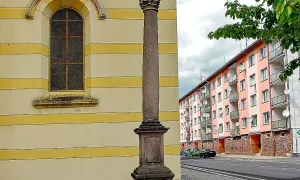
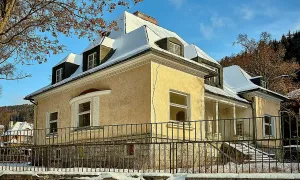
Real photos taken near the monument

Zdroj a licence jsou uvedeny u každého snímku.
Tips from visitors
No tips yet. Be the first!
Log in and add your tip.
Sources and literature
Photos: Lubor Ferenc / CC BY-SA 4.0 — Wikimedia Commons. The author and licence also appear when you hover over the image.
Faktickým podkladem tohoto textu byl článek na Wikipedii, jehož autory jsou přispěvatelé Wikipedie. Článek je dostupný pod licencí CC BY-SA 4.0.
Location on the map
Příběhy a pověsti
Legendy, pověsti a příběhy spjaté s touto památkou
Fotografie návštěvníků
Zatím žádné fotografie. Buďte první, kdo přidá fotografii z návštěvy!
Log in a přidejte svou fotografii nebo hodnoťte.
Za ověřenou návštěvu v aplikaci získáte víc bodů — poznáme podle GPS, že jste na místě.
Reviews and comments