



Městské opevnění (Poběžovice) Fortifications
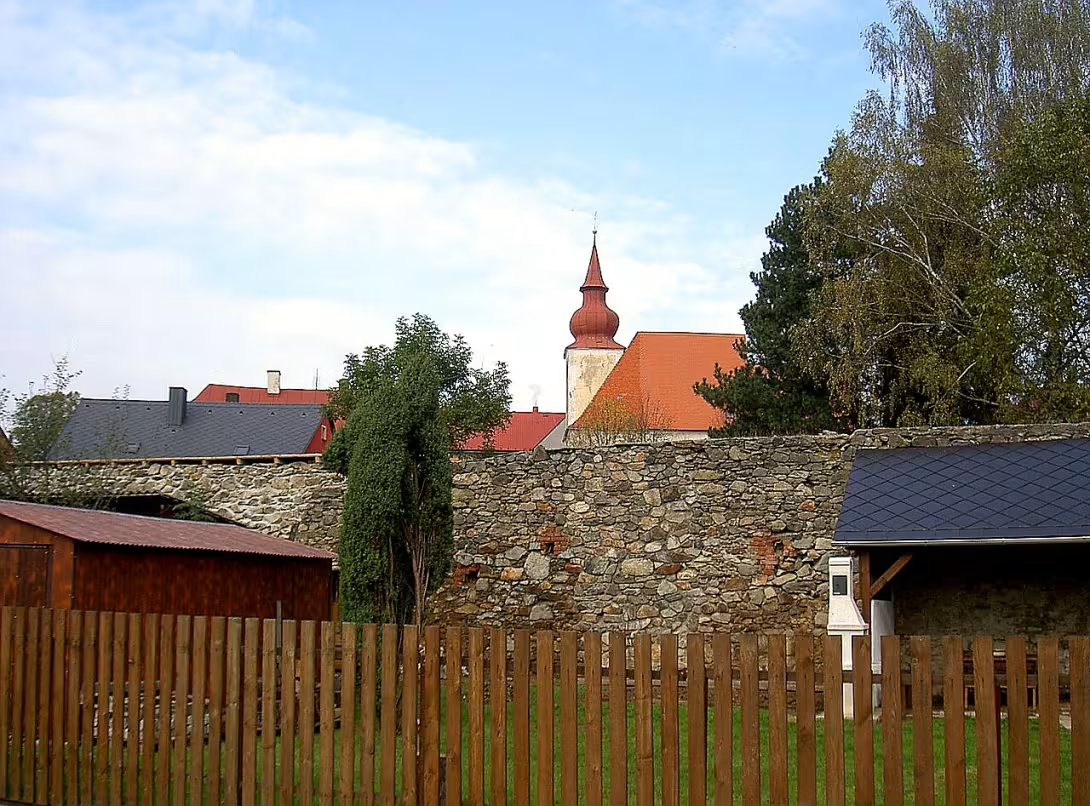
The Městské opevnění in Poběžovice are fragmentarily preserved medieval fortifications from the late 15th century. Located in the town of Poběžovice within the Domažlice district, these remnants highlight the settlement's strategic importance during the Middle Ages. Recognized as cultural heritage sites today, they offer insight into the architectural and historical significance of medieval Bohemia.
The origins date back to 1459 when Dobrohost z Ronšperka acquired Poběžovice. In a bold move in 1502, without royal consent, he elevated the settlement to town status and renamed it Ronšperk. This period marked significant changes as Dobrohost also established a church dedicated to Nanebevzetí Panny Marie and initiated the construction of these fortifications towards the end of the 15th century. The enhancements reflected both political ambitions and defensive needs.
Architecturally, the Městské opevnění were part of a comprehensive defense system that included a moat, walls, and likely an outer rampart. Constructed primarily from stone, the walls were approximately 100-110 centimeters thick and reinforced by towers, some depicted on early military maps. The fortifications featured three larger corner towers and two partially preserved ones on the southwest side, indicating their strategic placement for defense.
Ownership transitioned to the Gutštejn family in the early 16th century after Dobrohost's death. During this period, the townspeople were granted parts of the moat and other defensive structures but were also responsible for their maintenance. Later, ownership passed to the Švamberk family, who allowed the townspeople to retain control over the fortifications while reserving rights to store grain in one tower and gate.
The Městské opevnění featured three main gates: Německá, Týnská, and Samická. Each had a distinctive architectural style, serving as both entry points and defensive structures with characteristics of průjezdní věže (pass-through towers). The southern side still stands up to three meters high in some areas, providing tangible evidence of their historical presence.
Today, visitors can explore these remnants within Poběžovice's historic center, which spans approximately four hectares. Located near the Ronšperk castle hill and incorporating natural elements like the Pivoňka stream, the site offers a glimpse into its medieval past. The fortifications are accessible to those interested in history and architecture, making them a worthwhile destination for understanding the region's heritage.
The Městské opevnění stand as a testament to the strategic importance of Poběžovice during the late Middle Ages. They reflect the ambitions and challenges faced by its historical owners while offering modern visitors an opportunity to connect with Bohemia's rich past. A visit provides not only a journey through time but also an appreciation for the enduring legacy of medieval architecture and town planning.
Architectural development
Constructed in the late 15th century, the fortifications included a moat, walls, and likely an outer rampart. The walls, approximately 100-110 cm thick, were reinforced by towers depicted on early military maps. Three larger towers stood at the corners, with two partially preserved ones on the southwest side.
Historical events
In 1459, Dobrohost z Ronšperka acquired Poběžovice and later elevated it to a town status in 1502 without royal consent.
The fortifications were constructed by Dobrohost z Ronšperka towards the end of the 15th century.
Owners
The town was owned by Dobrohost z Ronšperka from 1459 until his death in 1502, after which it came under the control of the Gutštejn family in the early 16th century. Later, ownership transferred to the Švamberk family.
Points of interest
- Despite being constructed without royal consent, Dobrohost z Ronšperka's decision to elevate Poběžovice to town status in 1502 was a bold move that reflects the autonomy and ambition of local nobility during the late Middle Ages.
- The fortifications included distinctive průjezdní věže (pass-through towers), which were not only defensive structures but also served as gateways, showcasing advanced medieval architectural techniques for multifunctional military designs.
- Ownership changes in the early 16th century saw the townspeople granted rights to parts of the moat and fortifications, highlighting a unique feudal arrangement where locals managed certain defense responsibilities while maintaining allegiance to their lords.
- The existence of three main gates—Německá, Týnská, and Samická—each with its own architectural style, illustrates how medieval settlements like Poběžovice were designed for both functionality in trade and warfare, as well as aesthetic considerations.
- Although only fragments remain today, the fortifications' strategic placement near natural elements such as the Pivoňka stream suggests a thoughtful integration of geography into medieval defense planning, enhancing their protective capabilities.
Guide
This guide is narrated by a synthetic voice generated by artificial intelligence.
Show guide text
This text was created by artificial intelligence and has not been editorially reviewed. It may contain inaccuracies.
Welcome to the Městské opevnění in Poběžovice, a site where history resonates through its ancient stones and silent towers. As you stand here, imagine yourself transported back to the late 15th century when these medieval fortifications were at their peak, guarding this settlement with formidable strength.
The walls before you are remnants of an extensive defensive system that once encircled Poběžovice. These fragments include a moat and towers, each telling its own story of resilience and strategy in the face of historical challenges. The town's fortifications were pivotal during their time, reflecting Poběžovice’s strategic importance.
Now, let your gaze wander along the surviving segments of these walls. Notice how they rise with an air of ancient dignity, whispering tales of a bygone era when they stood as protectors against invaders. The towers that punctuate this perimeter were not just defensive structures but also symbols of power and vigilance.
The history of these fortifications is deeply entwined with notable figures such as Dobrohost z Ronšperka, the Gutštejna lords, and the Švamberkové family. In 1502, a bold decision was made by Dobrohost z Ronšperka to elevate Poběžovice to town status without royal consent. This audacious move showcases the autonomy and ambition of local nobility during the late Middle Ages.
One intriguing aspect of these fortifications is their průjezdní věže, or passage towers, which were integral for movement and communication within the defensive system. These architectural elements highlight a blend of functionality and strategic design that was crucial in medieval times.
As you continue to explore this historic site, let your imagination roam over the centuries of stories embedded here. Each stone has witnessed pivotal moments in history, from conflicts to celebrations, all contributing to the rich tapestry of Poběžovice’s past.
We invite you to delve deeper into the mysteries and marvels that these walls have preserved. Take a moment to reflect on the lives that once moved within this fortified embrace. Thank you for joining us today at Městské opevnění, where history is not just remembered but vividly alive.
Tips for visitors
The best time to visit the Městské opevnění in Poběžovice is during late spring or early autumn. During these months, the weather is typically mild and pleasant, making it ideal for exploring the outdoor fortifications without extreme temperatures. Additionally, visiting outside of peak summer can provide a more tranquil experience with fewer crowds. The natural surroundings are particularly beautiful during this period as well, offering lush landscapes that complement the historical ambiance.
Public transport can also be used to reach the area, with buses providing access from nearby towns.
When planning your visit, consider bringing comfortable walking shoes as you'll likely spend time exploring the site's terrain. A hat, sunscreen, and water are also recommended to stay hydrated and protected from the sun during your outdoor exploration. Given that parts of the fortifications are fragmentary, a camera with a zoom lens can be useful for capturing details of the structures. Additionally, bringing along a map or guidebook about the site can enhance your understanding of its historical significance.
For photography enthusiasts, some of the best spots to capture the essence of Městské opevnění include areas where you can get an overview of the entire fortification layout. Early morning or late afternoon light provides a soft glow that enhances the textures and shadows of the medieval walls and towers. The natural landscape around Poběžovice, including views of the nearby Ronšperk castle hill, offers picturesque backdrops for your photographs.
Nearby attractions within 30 minutes include the historic Ronšperk Castle Hill, which provides panoramic views of the surrounding region and is a great spot to understand the broader historical context of Poběžovice. The Pivoňka stream adds a natural element to the area, offering opportunities for leisurely walks or picnics amidst nature. These sites complement your visit by providing additional insights into the medieval heritage and scenic beauty of the region.
Frequently asked questions
Can the monument be visited?
This is a structure in a public space that can usually be seen from outside free of charge. We have not verified that this particular one is freely accessible.
Where is the monument?
Location: Poběžovice, Plzeňský kraj. The map on this page shows the exact spot.
Why is the monument protected?
It is listed in the Central List of Cultural Monuments of the Czech Republic as a cultural monument (register no. 1000163170).
Businesses nearby
Do you run a restaurant, accommodation, shop, museum, rental, wellness or other visitor service near this monument? Show yourself directly to the people heading to it — this is how they will see you in the app and on the web:
Events nearby

Zdroj akcí: otevřená data měst a obcí ČR (Národní katalog otevřených dat) a kalendář akcí Národního památkového ústavu.
Nearby
Poběžovice is located near the Ronšperk castle hill in the northeast. The surrounding landscape includes historical features and natural elements like the Pivoňka stream.
Accommodation nearby
Themed route
Tematická výletní trasa: Městské opevnění (Poběžovice)
1. Městské opevnění (Poběžovice) - Hradby
- Typ: Historická památka
- Proč stojí za návštěvu: Navštivte městské opevnění Poběžovic, které představuje klíčovou historickou lokalitu s dobře zachovanými hradbami. Tato památka vás zavede do minulosti a nabídne pohled na architektonické prvky středověku, které jsou dnes vzácné.
2. Pivoňka - Přírodní pramen
- Typ: Pramen
- Proč stojí za návštěvu: Krátce po prozkoumání hradby se podívejte na přírodní pramen Pivoňka. Tento malý, ale živý vodní tok je nejen krásným přírodou oplétaným místem, ale také symbolizuje historickou důležitost zdrojů pitné vody pro obyvatele Poběžovic.
3. Ronšperk - Hradní pahork
- Typ: Historická lokalita
- Proč stojí za návštěvu: Odkudkoliv se podíváte v Poběžovicích, Ronšperk hradní pahorek je nevyhnutelnou vizuální součástí kraje. Navštívit tento pahorek znamená ocenit jeho historický význam a nádherné panoramatické výhledy na okolní krajinné prvky, které dodávají kontext celé oblasti.
Tato trasa nabídne kombinaci historie a přírody, umožňující návštěvníkům zasvětit se do minulosti Poběžovic a ocenit jejich jedinečnou krajinu.
Seasonal recommendations
Spring: Visiting the remnants of Městské opevnění (Poběžovice) during spring offers a unique experience as nature begins to awaken around the historic site. The landscape is adorned with blooming flowers and fresh greenery, creating a vibrant backdrop that enhances the historical ambiance. The soft morning light provides excellent illumination for photography, capturing the intricate details of the ruins against the lush surroundings. Spring can bring unpredictable weather, so visitors should be prepared with layers to accommodate sudden changes from sunny spells to rain showers. It's also advisable to visit early in the day when crowds are fewer, allowing a more intimate exploration of the site.
Summer: Summer is an ideal time to explore Městské opevnění (Poběžovice) due to longer daylight hours and generally pleasant weather. The warm sunshine accentuates the textures and colors of the ancient walls, offering stunning photo opportunities. However, this season also attracts more visitors, so arriving early in the morning can help avoid larger crowds and ensure a peaceful experience. Comfortable walking shoes are recommended for navigating uneven terrain, and carrying water is essential to stay hydrated during your visit.
Autumn: Autumn brings a magical atmosphere to Městské opevnění (Poběžovice), with the changing leaves providing a picturesque setting that enhances the historical charm of the site. The softer light of late afternoon creates a warm, golden glow perfect for photography and leisurely walks through the ruins. Cooler temperatures make it comfortable for exploring without the summer heat, but visitors should still dress in layers to accommodate varying weather conditions throughout the day. This season is less crowded than summer, offering a more serene experience.
Winter: Winter transforms Městské opevnění (Poběžovice) into a quiet and contemplative destination. The snow-covered ruins create a stark yet beautiful contrast that highlights their historical significance in a unique way. Dressing warmly is essential, with layers, gloves, and a hat recommended to stay comfortable during colder days. Winter visits are typically less crowded, providing an opportunity for a peaceful exploration of the historic site in its winter stillness.
Visualizations and artistic views


The visualisations are generated by artificial intelligence and serve as inspiration.
Photos from the area
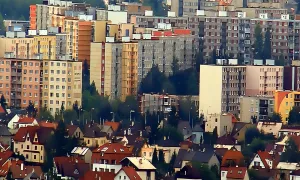
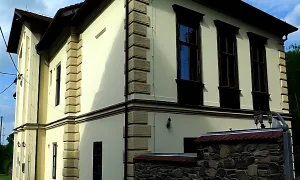
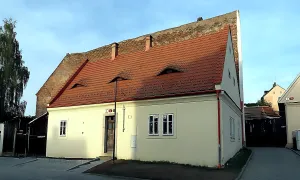
Real photos taken near the monument


Zdroj a licence jsou uvedeny u každého snímku.
Atmosphere of the place
This atmospheric visualisation of the place and period was generated by artificial intelligence. It is not real footage of the location.
Tips from visitors
No tips yet. Be the first!
Log in and add your tip.
Sources and literature
Photos: Allexkoch / CC BY-SA 4.0 — Wikimedia Commons. The author and licence also appear when you hover over the image.
Faktickým podkladem tohoto textu byl článek na Wikipedii, jehož autory jsou přispěvatelé Wikipedie. Článek je dostupný pod licencí CC BY-SA 4.0.
Location on the map
More monuments – Poběžovice
Show all in the municipality


Příběhy a pověsti
Legendy, pověsti a příběhy spjaté s touto památkou
Fotografie návštěvníků
Zatím žádné fotografie. Buďte první, kdo přidá fotografii z návštěvy!
Log in a přidejte svou fotografii nebo hodnoťte.
Za ověřenou návštěvu v aplikaci získáte víc bodů — poznáme podle GPS, že jste na místě.
Reviews and comments