



městské opevnění v Bruntále Fortifications
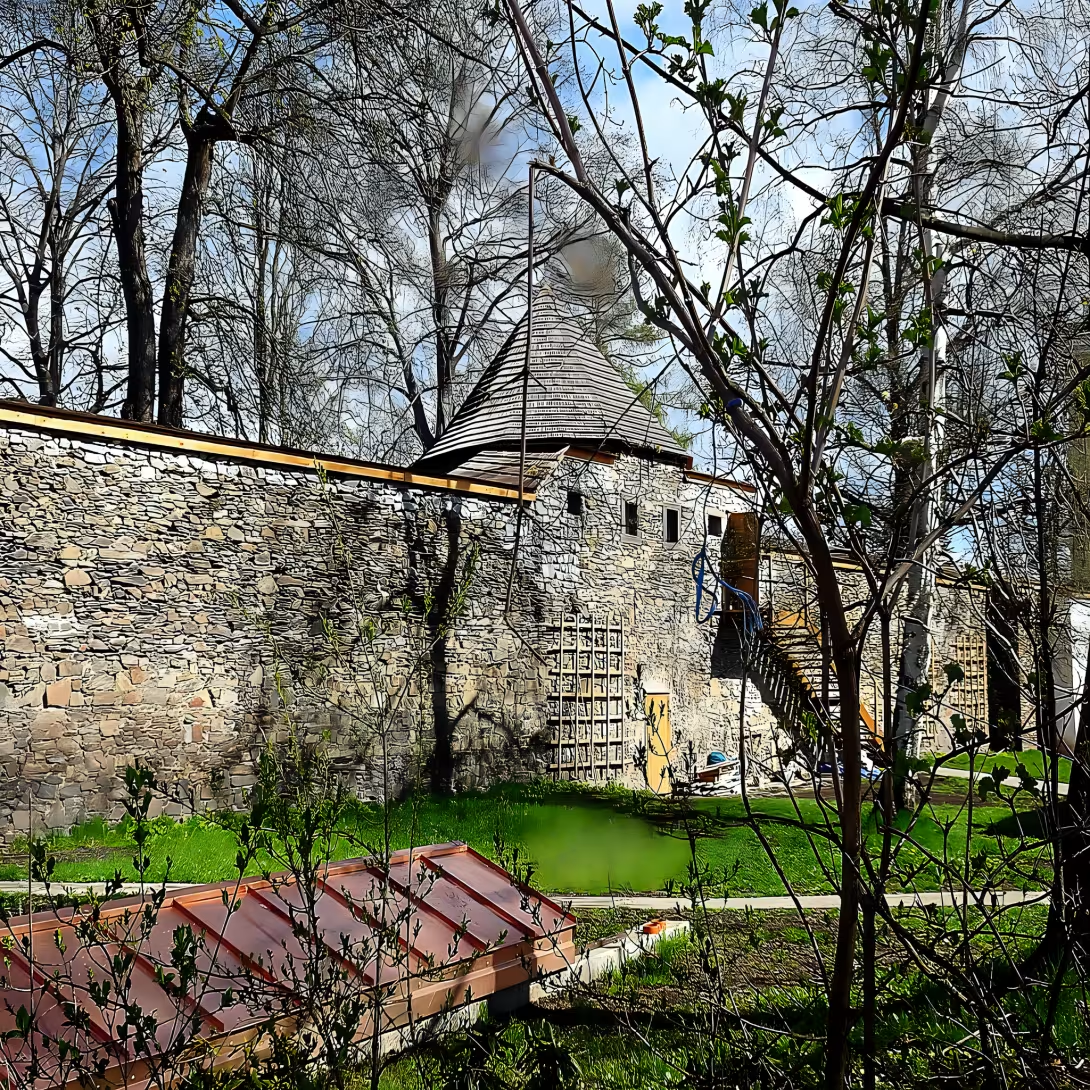
The Bruntál City Fortifications are remnants of medieval walls and bastions that once protected the town in Moravskoslezský kraj, Czech Republic. These fragmentary remains offer insight into their historical significance and architectural evolution, likely constructed before the Hussite Wars and modified during the late Gothic period. The site is notable for its cultural heritage value, with two surviving sections of wall featuring towers or turrets that reflect their strategic importance in medieval times.
The origins of Bruntál's fortifications are shrouded in mystery due to a lack of comprehensive historical records. However, it is known they existed before the Hussite Wars in the early 15th century. A document from 1405 mentions city walls and gates, indicating ownership by Duke Jan II of Opava and Nicholas IV of Bruntál. This suggests their significance was notable enough to be recorded in legal documents.
Architecturally, the medieval town was strategically positioned on an island surrounded by Černý potok, featuring an oval layout covering approximately twelve hectares. The fortifications likely consisted of a main wall and a park wall with regularly spaced semi-circular bastions or towers. Archaeological research has confirmed sections of the park wall, while historical depictions provide additional insights into their structure. These elements underscore their defensive purpose, designed to protect the town from potential invasions.
Throughout history, notable figures such as Duke Jan II of Opava and Nicholas IV of Bruntál have been associated with the ownership and administration of Bruntál's fortifications. Their mention in a 1405 document indicates that these structures were not only military defenses but also symbols of power and control within the region.
While specific events directly linked to the fortifications are limited, their existence during significant historical periods such as the Hussite Wars suggests they played a role in regional defense strategies. The fortifications' strategic location near a castle further emphasizes their importance in safeguarding the town and its inhabitants.
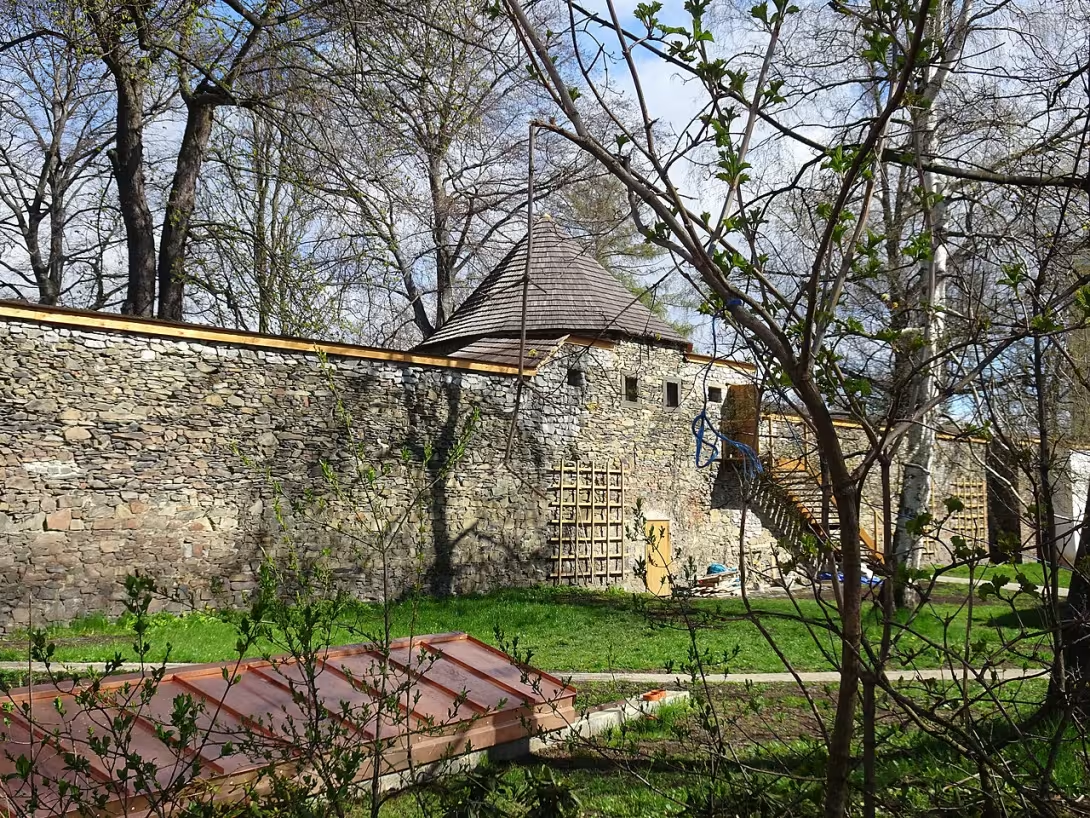
Today, the Bruntál City Fortifications stand as a testament to medieval military architecture, with two preserved sections of wall featuring towers or turrets. These remnants are protected as cultural heritage sites, offering visitors a tangible connection to the past. The site's accessibility allows for exploration of this historical landmark, providing insights into the town's defensive strategies and architectural ingenuity.
Visiting Bruntál City Fortifications offers a unique opportunity to step back in time and appreciate the strategic importance of medieval fortifications. As you walk along the preserved sections of wall, imagine the bustling life that once surrounded these structures, serving as both protection and symbol of power. This site is not only a valuable piece of cultural heritage but also an invitation to explore the rich history embedded within its walls.
Then and now
Drag the slider to compare how the landmark may have looked when it was built with the view today.
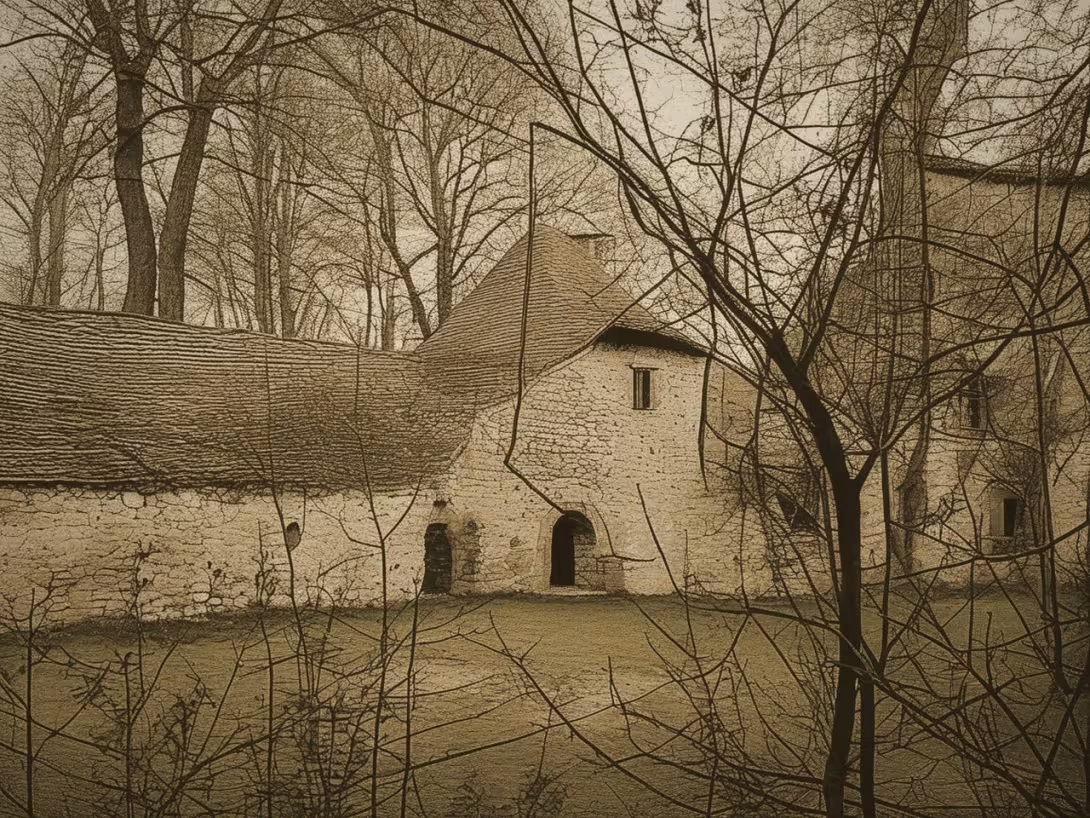
The historical appearance on the left is an AI-generated visualisation and serves as inspiration only.
Historical milestones
- před 1419
- Existence hradb před Hussitskými válkami.
- 1405
- Dokument zmínil hrady a brány vlastněné Janem II. Opavským a Niklášem IV. Bruntálským.
- kolem 1419
- Hussitské války, období potenciálního využití hradb pro obranu.
Architectural development
The medieval town was situated on an island surrounded by Černý potok. It had an oval layout covering approximately twelve hectares. The fortifications likely consisted of a main wall and a park wall with regularly spaced semi-circular bastions or towers. Archaeological research has confirmed sections of the park wall, while historical depictions provide additional insights.
Historical events
The fortifications existed prior to the Hussite Wars (early 15th century).
In 1405, a document mentioned the city walls and gates, indicating ownership by Duke Jan II of Opava and Nicholas IV of Bruntál.
Points of interest
- One of the lesser-known aspects of Bruntál's fortifications is their strategic positioning on an island formed by Černý potok, which provided natural defense advantages and influenced the town’s oval layout.
- Despite being mentioned in a 1405 document, the exact timeline for the construction of Bruntál's walls remains uncertain due to incomplete historical records, adding an element of mystery to their origins.
- The fortifications' design included semi-circular bastions or towers spaced regularly along the park wall, reflecting advanced defensive architectural techniques that were ahead of their time in medieval Europe.
- While primarily known for defense, Bruntál's walls also served as symbols of power and control, with notable figures like Duke Jan II of Opava and Nicholas IV of Bruntál associated with their ownership, highlighting their dual role beyond mere military structures.
- The fortifications' proximity to a castle underscores their importance in regional defense strategies during significant historical periods such as the Hussite Wars, suggesting they were integral to safeguarding both the town and its inhabitants.
Guide
This guide is narrated by a synthetic voice generated by artificial intelligence.
Show guide text
This text was created by artificial intelligence and has not been editorially reviewed. It may contain inaccuracies.
The Bruntál city fortifications have survived only in fragments. Ramparts with bastions and towers protected the town in the Middle Ages. Today, the modest remains of the rampart and two bastions are protected as cultural monuments.
It is not possible to describe the historical development of the fortifications. There are few written sources and the remains of the ramparts and bastions have been altered by modern interventions. We do know, however, that the fortifications arose before the Hussite Wars and were renovated during the Late Gothic period. Ramparts and gates are mentioned in a document from 1405. At that time, the town was divided between Duke Jan Druhý Opavský and Mikuláš Čtvrtý z Bruntálu.
Medieval Bruntál stood on a promontory surrounded by the Černý potok stream. It covered approximately twelve hectares. To the northwest, where the Bruntál castle stood, the corner was rounded. The fortifications probably consisted of a main rampart and a barbican rampart in front of it. At regular intervals of forty to fifty meters, semicircular bastions or towers protruded from them.
The barbican wall was confirmed by archaeological research in two short sections. It is also partially captured in Werner's veduta from 1752 or 1757, though this is not entirely reliable. Among other things, it shows the Olomouc Gate with a gatehouse and an indentation for a drawbridge.
Three gates led into the town. The Olomouc Gate stood to the south, approximately at the southern end of today's Doctor Edvarda Beneše Street. The Niská Gate was at the intersection of Svatopluka Čecha Street and Palackého Square. The Krnovská Gate stood in Revoluční Street, approximately near house number nine.
Two longer sections with bastions or towers stand out from the rampart remains. The first lies to the west, south of the castle. The second is to the northeast, where the so-called Kamenná Bašta stands. Shorter sections are visible at the northeastern corner of the castle complex and in the block of houses between Sladovnická and Nerudová Streets.
Tips for visitors
The best time to visit the Bruntál City Fortifications is during late spring or early autumn, when the weather is mild and pleasant for exploring outdoor sites. These seasons offer comfortable temperatures that allow you to enjoy long walks along the remnants of the medieval walls without the discomfort of summer heat or winter cold. Additionally, visiting outside peak tourist season can provide a more serene experience with fewer crowds, allowing for better appreciation of the historical site.
For those preferring public transport, the fortifications can be accessed via local buses that connect to key areas such as Dr. E. Beneše Street and Palackého náměstí.
When visiting the Bruntál City Fortifications, it is recommended to bring comfortable walking shoes, as exploring the site involves traversing uneven terrain and potentially steep areas. A hat and sunscreen are also advisable if you're visiting during sunny days in spring or autumn. Additionally, carrying a water bottle will help keep you hydrated throughout your visit. For those interested in learning more about the history of Bruntál, bringing along a guidebook or downloading information from the official website can enhance your understanding of the site.
Photography enthusiasts will find several spots around the fortifications ideal for capturing stunning images, especially during the golden hours at sunrise and sunset when the light is soft and warm. The remnants of the walls provide dramatic backdrops against the sky, while the surrounding historical streets like Sv. Čecha and Nerudová offer charming urban scenes. For family-friendly photo opportunities, consider visiting Palackého náměstí where you can capture both architectural beauty and lively street life.
For families with children, the Bruntál City Fortifications provide an engaging historical experience that is both educational and entertaining. Nearby attractions within a 30-minute walk include the historic streets of Revoluční ulice and Sladovnická, where you can explore quaint shops and cafes. Additionally, the area around Nerudová offers green spaces perfect for children to run and play while parents enjoy some relaxation. These nearby sites ensure that your visit is enjoyable for all ages.
Frequently asked questions
Can the monument be visited?
This is a structure in a public space that can usually be seen from outside free of charge. We have not verified that this particular one is freely accessible.
Where is the monument?
Location: Bruntál, Moravskoslezský kraj. The map on this page shows the exact spot.
Why is the monument protected?
It is listed in the Central List of Cultural Monuments of the Czech Republic as a cultural monument (register no. 28091/8-15).
Businesses nearby
Do you run a restaurant, accommodation, shop, museum, rental, wellness or other visitor service near this monument? Show yourself directly to the people heading to it — this is how they will see you in the app and on the web:
Nearby
The fortifications are located near a castle in Bruntál. The surrounding area includes historical streets such as Dr. E. Beneše, Sv. Čecha, Palackého náměstí, Revoluční ulice, Sladovnická, and Nerudová.
Accommodation nearby
Themed route
Thematic Walking Tour: Bruntál's Urban Fortifications
1. Dr. E. Beneše Street (Historical Streets) Begin your journey on Dr. E. Beneše Street, a charming historical street that offers a glimpse into the architectural heritage of Bruntál. This area is perfect for starting your exploration as it provides context to the urban development surrounding the fortifications.
2. Sv. Čecha (Historical Streets) Continue to Sv. Čecha, where you can appreciate the blend of medieval and modern influences in Bruntál's cityscape. This street is significant for its historical buildings that echo the town’s rich past, setting a perfect backdrop as you approach the fortifications.
3. Palackého náměstí (Historical Square) Head to Palackého náměstí, an inviting square named after the famous Czech historian and politician František Palacký. This area is ideal for a brief pause to reflect on Bruntál's historical significance before delving into its defensive structures.
4. Městské opevnění (Urban Fortifications) The main highlight of your tour, the urban fortifications in Bruntál, are located near the castle and represent a remarkable example of medieval military architecture. Explore these ancient walls that once protected the town, offering insights into historical defense strategies.
5. Revoluční ulice (Historical Streets) Conclude your tour on Revoluční ulice, where you can enjoy modern-day Bruntál while reflecting on its historical journey. This street provides a lively atmosphere and serves as a fitting end to your exploration of the town’s fortifications.
This route offers a comprehensive look at Bruntál's rich history through its urban fabric, focusing on key streets that lead up to and surround the impressive městské opevnění.
Seasonal recommendations
Spring: In spring, the ruins of Bruntál's city fortifications are enveloped in a soft palette of blooming flowers and fresh greenery, creating an enchanting atmosphere that invites exploration. The gentle play of light through budding leaves adds a magical quality to the site, making it ideal for photography enthusiasts. Visitors should be prepared for occasional showers, so wearing layers is advisable, along with comfortable walking shoes for navigating uneven terrain. Early mornings or late afternoons are perfect times to visit when the site is less crowded, allowing you to fully appreciate the awakening of nature around these historic walls.
Summer: Summer at Bruntál's city fortifications offers vibrant sunshine and lush landscapes, making it a popular time for visitors seeking outdoor activities. The warm weather enhances the beauty of the surrounding parkland, perfect for picnics or leisurely strolls along the remnants of the ancient ramparts. However, this is also peak tourist season, so arriving early in the day can help avoid larger crowds and ensure a more tranquil experience. Light, breathable clothing and sun protection are recommended to stay comfortable during your visit.
Autumn: Autumn transforms Bruntál's city fortifications into a picturesque scene of warm colors as leaves turn shades of gold, amber, and red. The crisp air and mellow light provide an ideal backdrop for capturing the historic site in its autumnal splendor. This season is less crowded than summer, offering a more peaceful visit. Visitors should dress warmly in layers to accommodate cooler temperatures, especially later in the day, and bring a hat or scarf to protect against the brisk wind.
Winter: Winter at Bruntál's city fortifications offers a serene and mystical experience as snow blankets the ruins, creating a quiet, almost otherworldly atmosphere. The stark beauty of the site under a blanket of white can be particularly striking during early morning or late afternoon when the light is softest. Visitors should dress warmly in insulated clothing, wear waterproof boots for any icy patches, and bring gloves to stay comfortable while exploring. Due to shorter daylight hours, it's best to plan your visit earlier in the day to make the most of the available light.
Visualizations and artistic views


The visualisations are generated by artificial intelligence and serve as inspiration.
Photos from the area
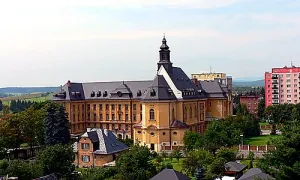
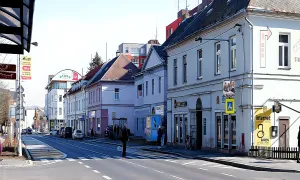
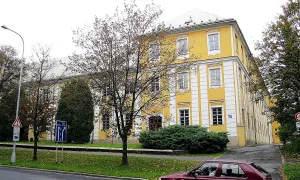
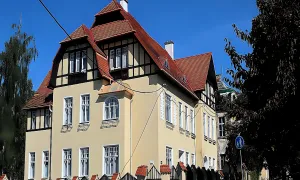
Real photos taken near the monument


Zdroj a licence jsou uvedeny u každého snímku.
Tips from visitors
No tips yet. Be the first!
Log in and add your tip.
Sources and literature
Photos: Palickap / CC BY-SA 4.0, rozlišení zvýšeno umělou inteligencí — Wikimedia Commons. The author and licence also appear when you hover over the image.
Faktickým podkladem tohoto textu byl článek na Wikipedii, jehož autory jsou přispěvatelé Wikipedie. Článek je dostupný pod licencí CC BY-SA 4.0.
Location on the map

Příběhy a pověsti
Legendy, pověsti a příběhy spjaté s touto památkou
Fotografie návštěvníků
Zatím žádné fotografie. Buďte první, kdo přidá fotografii z návštěvy!
Log in a přidejte svou fotografii nebo hodnoťte.
Za ověřenou návštěvu v aplikaci získáte víc bodů — poznáme podle GPS, že jste na místě.
Reviews and comments