






Mikuláštíkovo fojtství Photography
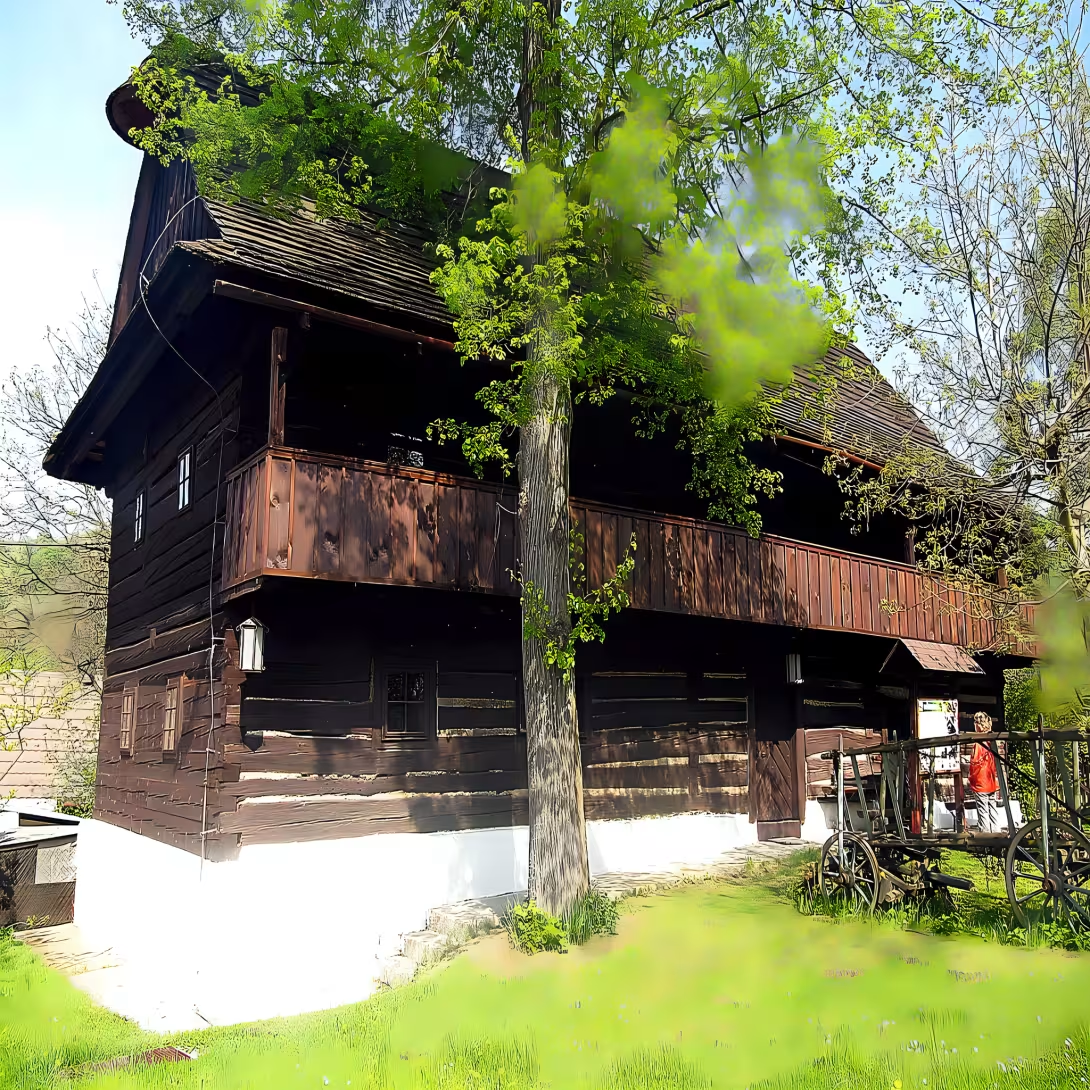
Mikuláštíkovo fojtství is a significant cultural monument located in Jasenná, within the Zlín District of the Zlínský kraj region in the Czech Republic. Constructed in 1748 by Jiří Mikuláštík, this timber-framed manor house stands as an important representation of Carpathian culture and heritage. Recognized for its historical value, it was declared a national cultural heritage site on October 1, 2014.
The origins of Mikuláštíkovo fojtství trace back to the mid-18th century when Jiří Mikuláštík decided to build this new timber manor house. The decision followed a period during which his family had regained ownership after serving the local nobility, notably through acts of bravery that earned them special privileges. This era was marked by socio-political changes across Europe, including Bohemia's integration into the Habsburg Monarchy and the influence of Baroque architecture.
Architecturally, Mikuláštíkovo fojtství is a two-story structure with distinctive features typical of its time. Built on stone foundations, it boasts a gallery supported by protruding beams that run along its length. The façade includes vertically boarded and latticed designs, complemented by three ventilating openings shaped like four-leaf clovers. Ornamental paintings from the original construction period are preserved on both the gable and eaves, adding to its historical charm.
Ownership of Mikuláštíkovo fojtství has seen significant changes over the centuries. Initially held by the Mikuláštík family until 1848 when feudal systems were abolished, it later faced nationalization in 1964. However, in a turn of events, the property was restituted to František Mikuláštík's descendants in 1993.
Throughout its history, Mikuláštíkovo fojtství has been a site of cultural significance. In 1976, a museum showcasing collections of material folk culture from the Oblastní muzea jihovýchodní Moravy Gottwaldov (Zlín) was established within the manor, making it accessible to the public and enhancing its role as a custodian of regional heritage.
Today, Mikuláštíkovo fojtství stands on a slope above the Church of Saint Mary Magdalene. It offers visitors an opportunity to explore both its architectural beauty and historical significance. The site's preservation as a national cultural heritage monument underscores its importance within the Carpathian region. Visitors are invited to delve into its rich history and appreciate its contribution to Czech cultural heritage, making it a worthwhile destination for those interested in exploring the past.
Then and now
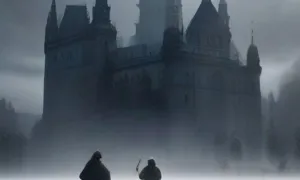
Drag the slider to compare how the landmark may have looked when it was built with the view today.
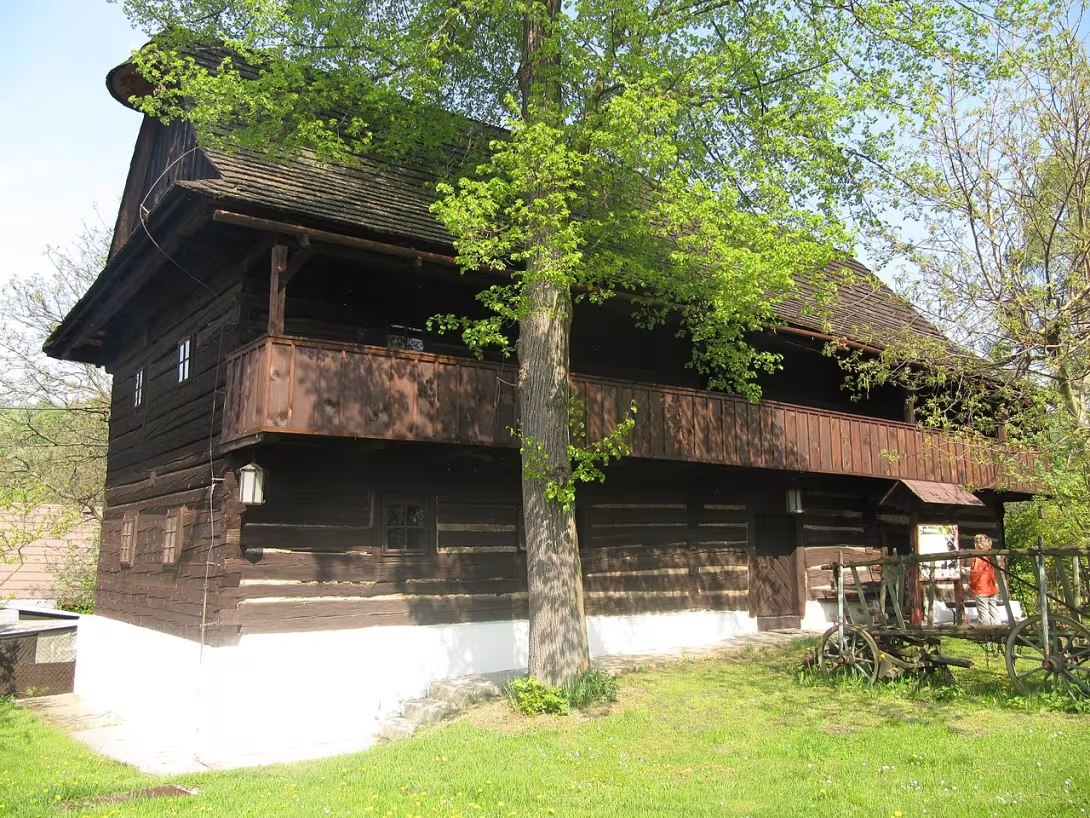

The historical appearance on the left is an AI-generated visualisation and serves as inspiration only.
Historical milestones
- 1748
- Mikuláštíkovo fojtství bylo postaveno Jiřím Mikuláštíkem.
- 1848
- Zrušení feudalismu vedlo ke změnám vlastnictví.
- 1964
- Národnění Mikuláštíkova fojtství.
- 1993
- Restituce vlastnictví potomkům Františka Mikuláštíka.
- 1976
- Otevření muzea materiální lidové kultury.
- 2014
- Prohlášení za národní kulturní památku.
Architectural development
The manor is a two-story structure with a gallery running along its length, supported by protruding beams. The façade features vertically boarded and latticed designs with three ventilating openings shaped like four-leaf clovers. Ornamental paintings from the original construction period are preserved on the gable and eaves.
Historical events
In 1748, Jiří Mikuláštík built the new timber manor house on its original site.
On October 1, 2014, it was declared a national cultural heritage site.
Owners
The Mikuláštík family owned the manor until 1848 when feudal systems were abolished. In 1964, it was forcibly nationalized, and in 1993, it was restituted to František Mikuláštík's descendants.
Points of interest
- Despite its timber construction, Mikuláštíkovo fojtství's stone foundations were a strategic choice to protect against frequent flooding in the area, showcasing early adaptation techniques.
- The design of the ventilating openings as four-leaf clovers was not only decorative but also served an agricultural purpose: protecting stored grains from pests and moisture by allowing air circulation while keeping out insects.
- An intriguing legend surrounds Mikuláštíkovo fojtství, suggesting that a hidden chamber beneath its foundations holds ancient artifacts linked to the region's early settlers, though no evidence has confirmed this tale.
- During the nationalization period in 1964, it was rumored that secret meetings of local resistance groups took place within the manor’s walls, contributing to its mystique and historical intrigue.
- In a lesser-known aspect of its history, Mikuláštíkovo fojtství once served as an emergency shelter for displaced villagers during regional conflicts in the late 19th century, highlighting its role beyond just a family residence.
Guide
This guide is narrated by a synthetic voice generated by artificial intelligence.
Show guide text
This text was created by artificial intelligence and has not been editorially reviewed. It may contain inaccuracies.
The Mikuláštík bailiff's house in Jasenná in the Zlín region is a timber-frame building. It consists of a residential building and farm buildings. Since October 1st, 2014, it has been a national cultural monument and is among the most valuable monuments of Carpathian culture not only in the Zlín region, but throughout the entire region.
The history of the bailiff's house is connected to one family. In 1663, Jura Mikuláštík became the new local bailiff. Thirteen years later, in 1676, the Vizovice authorities created a new manor farm from the Jasenná bailiff's estate. Jura's son then became the personal bodyguard of Count Prokop of Gollen and later a steward. In 1726, the bailiff's house returned to the hands of the family. Mikuláštík had saved the count's life during a hunt. The count rewarded him with a special privilege in the form of a donation agreement: the family was to own the bailiff's house for all eternity.
In 1748, bailiff Jiřík Mikuláštík, son of Jiří, decided to build a new large wooden house with a gallery. That house still stands in its original location today. The last bailiff was František Mikuláštík, until 1848, when the feudal system was abolished. The family then continued to work in agriculture.
In 1964, the building and all the property that had belonged to the family for centuries were forcibly nationalized. From 1976, the Regional Museum of Southeast Moravia from the then Gottwaldov, now Zlín, operated a museum here with exhibitions of material folk culture. In 1993, the bailiff's house was returned to the family of František Mikuláštík according to the restitution law.
The residential building is a single-story timber-frame cottage with a rectangular ground plan on stone foundations. Along the entire length of the upper floor runs a gallery supported by projecting beams. The front gable is vertically boarded and latticed on the sides in a stepped pattern. It has three ventilation openings in the shape of a quatrefoil. At the top of the gable is a conical hood topped with a pointed finial. Its covering is decorated with ornamental painting with the date 1748 and the painting has also been preserved on the wings. The opposite gable is also vertically boarded and has a ventilation opening in the shape of a cross on a quatrefoil at the top. The pitched roof is shingled and shingles also cover the back wall of the house.
Tips for visitors
The best time to visit Mikuláštíkovo fojtství is during late spring or early autumn when the weather is mild, making it ideal for exploring the historical site and its surroundings. During these seasons, you can enjoy pleasant temperatures and vibrant natural scenery that enhances the cultural experience of visiting this timber-framed manor house. Additionally, these periods typically have fewer tourists compared to summer, allowing for a more relaxed visit.
This ensures you can plan your journey efficiently whether traveling by car or public transit.
When visiting Mikuláštíkovo fojtství, it's recommended to bring comfortable walking shoes as there may be uneven paths leading up the slope where the manor is located. Additionally, consider bringing a hat and sunscreen for protection against the sun, especially if you plan to explore the area around the Church of Saint Mary Magdalene. A camera or smartphone with a good camera can also enhance your visit by capturing the historical architecture and scenic views.
For photography enthusiasts, the best spots at Mikuláštíkovo fojtství are likely those that capture the manor house's timber-framed structure against the backdrop of the Carpathian landscape. Early morning or late afternoon light can provide a soft glow that enhances the textures and details of the building. Exploring different angles, especially from higher ground near the church, may offer unique perspectives and compositions.
Nearby attractions within 30 minutes include the Church of Saint Mary Magdalene, which is located close to Mikuláštíkovo fojtství. This church adds historical context to your visit and offers a chance to explore more about the region's cultural heritage. For families with children, consider planning a leisurely walk in the surrounding area after visiting the manor house, as it provides an opportunity for kids to enjoy nature while learning about local history.
Frequently asked questions
Can the monument be visited?
We have not verified whether this monument is accessible. Please ask the owner or operator, or the local municipal office.
Where is the monument?
Location: č.p. 60, Jasenná, Zlínský kraj. The map on this page shows the exact spot.
Why is the monument protected?
It is listed in the Central List of Cultural Monuments of the Czech Republic as a national cultural monument (register no. 46202/7-1922).
Businesses nearby
Do you run a restaurant, accommodation, shop, museum, rental, wellness or other visitor service near this monument? Show yourself directly to the people heading to it — this is how they will see you in the app and on the web:
Events nearby
Zdroj akcí: otevřená data měst a obcí ČR (Národní katalog otevřených dat) a kalendář akcí Národního památkového ústavu.
Nearby
Located on a slope above the Church of Saint Mary Magdalene, the area is characterized by its cultural and historical significance within the Carpathian region.
Accommodation nearby
Themed route
Mikuláštíkovo Fojtství Thematic Tour
1. Mikuláštíkovo Fojtství (Fořtství): Start your journey in the center of Jasenny, where this historic building is located. Mikuláštíkovo fojtství is a key reminder of local administration and life from bygone days. Its architecture reflects the rich history of the village, making it an essential starting point for understanding the cultural heritage of the region.
2. Church of Saint Mary Magdalene: Approximately 5 minutes' walk from the fojtství, on a slope above it, you'll find the Church of Saint Mary Magdalene. This church building is not only the spiritual center of the village but also an architectural gem with rich historical elements. Its location on the slope offers views of the surrounding landscape and contributes to the cultural atmosphere of the area.
3. Historic Slope Path: After visiting the church, take the historic path that connects the fojtství with the church. This trail offers not only beautiful views of the surrounding landscape but also an opportunity to explore local architecture and historical elements scattered along the slope. It's an ideal way to immerse yourself in the atmosphere of the village and its heritage.
4. Local Cultural Center: At the top of the path, near the church, you'll find the local cultural center. This place serves as a starting point for discovering contemporary culture and history of the village. Various events and exhibitions focused on regional traditions are held here, providing deeper insight into the life and heritage of Jasenny's residents.
5. Return to Mikuláštíkovo Fojtství: After exploring the cultural center, return to Mikuláštíkovo fojtství to conclude your tour. This return to the starting point allows you to reflect on your experiences and consider the historical and cultural significance that this area offers.
This route will provide a comprehensive view of Jasenny's history and culture, with an emphasis on its key landmarks.
Seasonal recommendations
Spring: The arrival of spring at Mikuláštíkovo fojtství is marked by a vibrant burst of colors as wildflowers begin to bloom, creating a picturesque landscape around the historic site in Jasenná. This season offers a refreshing atmosphere with mild temperatures and gentle breezes that enhance the natural beauty surrounding the manor. Visitors can enjoy long walks through blooming fields without the concern of large crowds typical of peak tourist seasons. To fully appreciate this serene environment, it is advisable to wear comfortable walking shoes and layers that can be adjusted as the day warms up.
Summer: Summer at Mikuláštíkovo fojtství is characterized by lush greenery and long daylight hours, making it an ideal time for exploring the historic grounds. The warm weather invites visitors to spend extended periods outdoors, enjoying picnics or leisurely strolls through the estate's gardens. However, this season also attracts more tourists, so arriving early in the day can help avoid larger crowds. Sun protection is essential; wearing hats, sunglasses, and sunscreen will ensure a comfortable visit under the bright summer sun.
Autumn: Autumn transforms Mikuláštíkovo fojtství with its stunning display of fall foliage, as trees change into shades of red, orange, and gold. The cooler temperatures make it an excellent time for photography enthusiasts to capture the picturesque landscape. This season is less crowded than summer, allowing visitors to enjoy a more tranquil experience. Layered clothing is recommended to accommodate fluctuating temperatures throughout the day, and carrying a light jacket can be beneficial as evenings tend to cool down.
Winter: The winter months at Mikuláštíkovo fojtství offer a serene and magical atmosphere, with snow-covered grounds that create a picturesque setting reminiscent of a fairy tale. While some areas may be closed due to weather conditions, the estate still provides a unique charm during this quieter season. Visitors should dress warmly in insulated clothing and wear sturdy boots for navigating potentially icy paths. As daylight hours are shorter, planning your visit earlier in the day will allow you to make the most of the available light.
Visualizations and artistic views


The visualisations are generated by artificial intelligence and serve as inspiration.
Photos from the area
Real photos taken near the monument


Zdroj a licence jsou uvedeny u každého snímku.
Tips from visitors
No tips yet. Be the first!
Log in and add your tip.
Sources and literature
Photos: palickap / CC BY 3.0, rozlišení zvýšeno umělou inteligencí — Wikimedia Commons. The author and licence also appear when you hover over the image.
Faktickým podkladem tohoto textu byl článek na Wikipedii, jehož autory jsou přispěvatelé Wikipedie. Článek je dostupný pod licencí CC BY-SA 4.0.
Location on the map

Příběhy a pověsti
Legendy, pověsti a příběhy spjaté s touto památkou
Fotografie návštěvníků
Zatím žádné fotografie. Buďte první, kdo přidá fotografii z návštěvy!
Log in a přidejte svou fotografii nebo hodnoťte.
Za ověřenou návštěvu v aplikaci získáte víc bodů — poznáme podle GPS, že jste na místě.
Reviews and comments